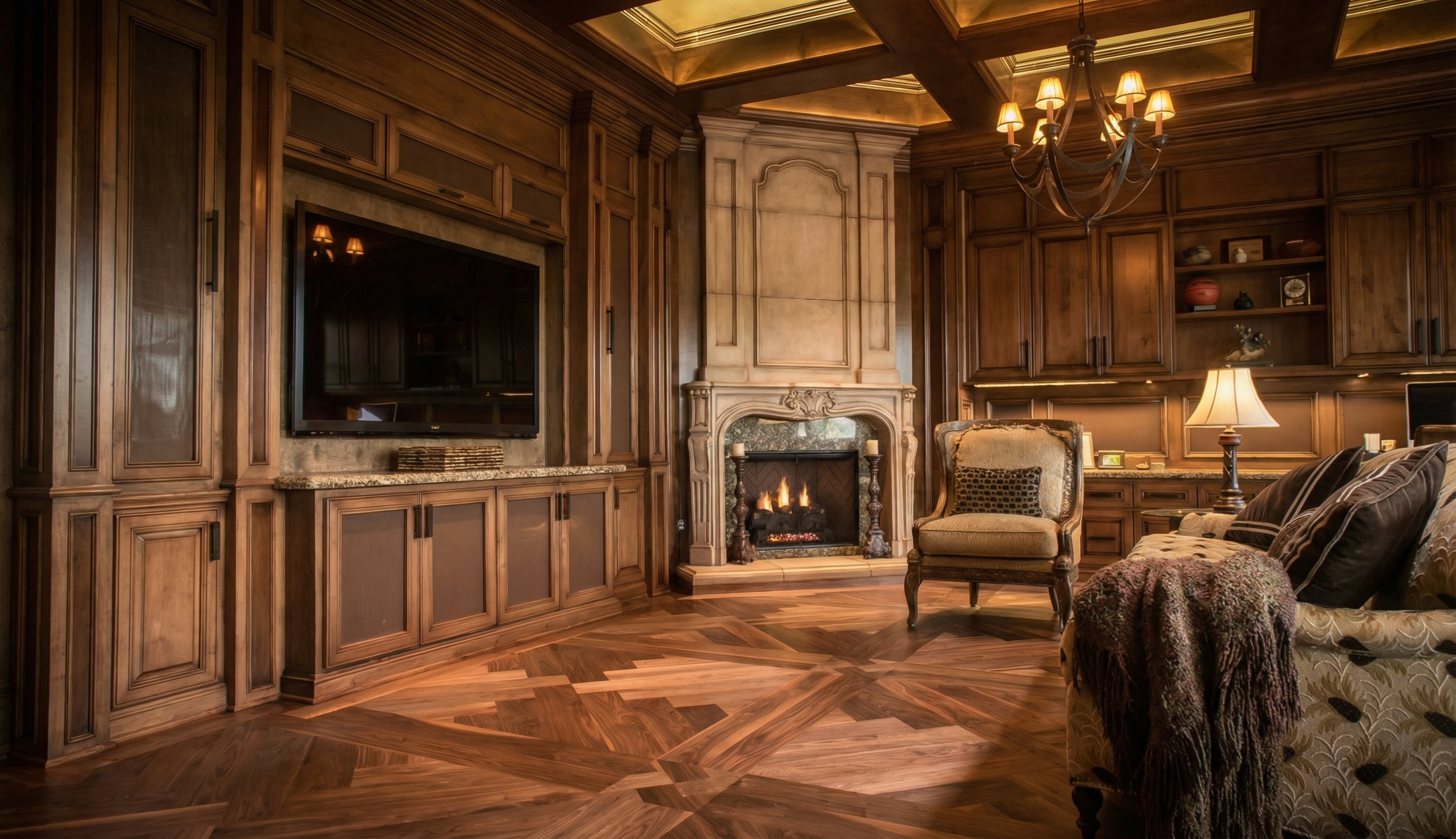
Custom Parquet Flooring - Bespoke Laser-Inlay Designs
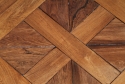
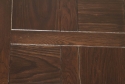
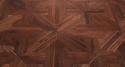
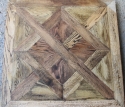
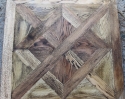
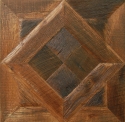
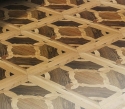
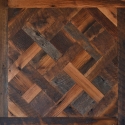
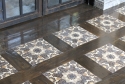
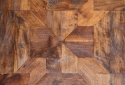
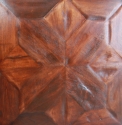
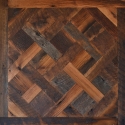
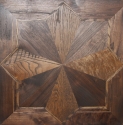
Custom parquet flooring represents the ultimate expression of personalized wood flooring combining traditional parquet craftsmanship with advanced laser-inlay technology enabling virtually unlimited design possibilities. Modern precision laser cutting facilitates incorporation of organic motifs including leaves, flowers, vines, and botanical patterns alongside corporate logos, family crests, monograms, custom geometric compositions, and completely original artistic creations limited only by imagination and budget. These precious bespoke designs merge classic European parquet traditions with contemporary manufacturing capabilities creating one-of-a-kind flooring installations impossible to replicate through conventional production methods.


Understanding Custom Parquet Design Capabilities
Custom parquet design begins with comprehensive client consultation establishing aesthetic objectives, architectural context, functional requirements, and budget parameters. Designers work collaboratively with clients developing original pattern concepts or adapting existing motifs to specific project requirements. Digital design tools enable precise visualization showing proposed patterns at actual scale within room contexts allowing clients to preview finished installations before committing to production.
Laser-inlay technology revolutionizes custom parquet fabrication enabling precision impossible achieving through traditional hand-cutting methods. Computer-controlled laser cutters execute complex curves, intricate details, and delicate features measured in millimeters creating botanical motifs, flowing vines, elaborate scrollwork, and organic forms completely impractical for conventional router-based manufacturing. This technological capability democratizes custom parquet access making elaborate personalized designs viable for broader markets beyond ultra-luxury projects where extensive hand labor remains economically feasible.
Design complexity directly impacts manufacturing costs and production timelines. Simple geometric modifications to classic patterns prove relatively economical requiring modest additional engineering and programming. Elaborate multi-species compositions incorporating dozens of component pieces demand substantial design development, prototype testing, and meticulous production planning increasing costs accordingly. Most custom parquet projects fall between these extremes combining recognizable pattern foundations with personalized elements achieving distinctive character without excessive complexity.
Material selection expands design possibilities beyond conventional parquet limitations. Custom projects routinely incorporate exotic species including Brazilian rosewood, African wenge, Australian jarrah, and rare figured woods unavailable in standard production. Multi-species compositions utilizing five, ten, or more different woods create extraordinary color range and visual complexity impossible achieving through single or dual-species conventional parquets. These material choices significantly influence final pricing reflecting premium raw material costs and specialized handling requirements.
Laser-Inlay Technology and Modern Manufacturing Methods
Precision laser cutting transformed custom parquet fabrication enabling previously impossible design complexity and dimensional accuracy. Laser systems cut wood with beam widths measured in fractions of millimeters creating crisp edges, perfect curves, and intricate details unattainable through traditional router or saw methods. This precision proves essential for botanical motifs where delicate leaf veins, petal curves, and stem profiles demand exacting execution maintaining design integrity and visual appeal.
Computer-aided design software facilitates pattern development and production planning translating artistic concepts into machine-executable instructions. Designers create detailed digital models establishing exact dimensions, piece quantities, cutting sequences, and assembly procedures. Software generates optimized cutting patterns maximizing material utilization minimizing waste from expensive exotic woods. These digital files drive laser cutting equipment ensuring consistent dimensional accuracy across all pattern components regardless of design complexity.
Prototype development proves critical for elaborate custom parquet projects validating design concepts, testing assembly procedures, and confirming visual effects before committing to full production. Small-scale prototypes reveal potential problems including dimensional tolerances, color relationships, grain pattern interactions, and assembly challenges enabling corrections before manufacturing complete floor quantities. This prototyping investment prevents expensive mistakes and ensures final installations meet exacting quality standards justifying premium custom parquet pricing.
Quality control demands exceptional attention throughout custom parquet production. Each component undergoes individual inspection verifying dimensional accuracy, edge quality, and surface preparation before assembly authorization. Finished modules receive additional scrutiny ensuring proper piece alignment, tight joints, and correct pattern organization. This multi-stage quality verification ensures custom installations achieve impeccable execution befitting their artistic merit and substantial investment.
Design Applications and Architectural Integration
Custom parquet suits specific applications where personalized design expression enhances architectural character and communicates specific messages or associations. These installations typically occupy prominent locations where flooring becomes focal design element rather than mere functional surface treatment.
Corporate installations utilize custom parquet communicating brand identity and organizational values. Company logos inlaid within entry foyer floors create powerful first impressions establishing brand presence immediately upon visitor arrival. Conference room installations incorporating company colors or industry-specific imagery reinforce corporate culture while demonstrating commitment to quality and attention to detail. These corporate applications justify premium custom costs through marketing value and long-term brand communication benefits.
Residential estates specify custom parquet creating personalized family spaces reflecting homeowner interests, heritage, or aesthetic preferences. Family crest inlays honor genealogical traditions while botanical motifs might reference specific gardens or natural environments holding personal significance. These deeply personal installations create irreplaceable character impossible achieving through conventional materials establishing homes as unique artistic expressions rather than generic luxury properties.
Hospitality environments employ custom parquet establishing memorable guest experiences and distinctive brand identity. Hotel lobbies featuring custom pattern installations create immediate visual impact differentiating properties from generic chain competitors. Restaurant dining rooms utilizing food-themed inlays or regional motifs reinforce culinary concepts while demonstrating operational commitment to quality and authenticity. These commercial applications achieve marketing objectives while delivering exceptional durability justifying initial investment through long service life.
Museum and cultural institution installations incorporate historically appropriate parquet patterns supporting period room authentications or referencing architectural traditions. Custom reproductions of documented historic patterns enable accurate restoration work preserving architectural heritage for future generations. These scholarly applications demand exceptional research, pattern analysis, and authentic material sourcing creating historically accurate installations maintaining cultural integrity.
Wood Species Selection for Custom Parquet Projects
Custom parquet projects leverage expanded wood species palettes creating extraordinary color range and visual effects impossible through conventional limited selections. Premium hardwoods from worldwide sources enable precise color matching and specific aesthetic effects supporting design objectives.
Brazilian rosewood provides rich reddish-brown coloring with distinctive black grain figure creating dramatic contrast effects in multi-species compositions. This rare exotic wood commands premium pricing reflecting scarcity and CITES trade restrictions requiring proper documentation for legal acquisition. Rosewood's exceptional hardness (Janka 2800+) ensures outstanding durability justifying costs through long service life. Natural oils provide inherent moisture resistance though regular maintenance remains essential for appearance preservation.
African wenge delivers near-black coloring with subtle lighter brown streaks creating ultimate contrast against lighter species including maple, ash, or birch. The wood's extreme density and hardness make it challenging to work requiring specialized cutting equipment and techniques. Wenge proves ideal for custom parquet frame components, border treatments, or dark accent elements within elaborate multi-species compositions. Limited availability and difficult machining contribute to premium pricing typical for custom parquet applications.
Australian jarrah offers vibrant reddish-orange coloring with excellent dimensional stability and exceptional durability characteristics. This eucalyptus species withstands heavy traffic and moisture exposure better than many conventional hardwoods making it practical choice for commercial custom parquet installations in demanding environments. Jarrah's distinctive color provides dramatic visual impact in botanical inlays, corporate logos, or geometric accent elements requiring vivid reddish tones unavailable from domestic species.
Hard maple serves as ideal background species for custom inlay work providing neutral pale coloring highlighting darker exotic wood accents. The wood's fine uniform grain minimizes pattern distraction allowing inlay designs to achieve maximum visual impact. Maple's exceptional hardness (Janka 1450) ensures durable wear resistance in high-traffic areas. Natural color accepts stains readily enabling custom color development when specific design requirements demand.
Custom Border Treatments and Artistic Medallions
Border treatments provide transition zones between custom parquet field patterns and surrounding architectural elements creating visual frames establishing clear design boundaries. Custom borders range from simple solid wood bands through elaborate geometric compositions incorporating multiple species and complex cutting patterns.
Greek key geometric borders complement custom parquet complexity through related pattern sophistication. These repeating angular designs create elegant transitions maintaining visual interest without competing with central field patterns. Multiple species selections enable color coordination ensuring borders harmonize with overall design schemes while providing subtle definition establishing floor area boundaries.
Artistic medallions serve as focal points within custom parquet installations creating centralized design features commanding immediate attention. Large-scale medallions measuring four to eight feet diameter showcase elaborate laser-inlay work incorporating botanical motifs, corporate imagery, or abstract geometric compositions. These monumental features demand exceptional planning ensuring proper placement relative to room geometry and furniture arrangements maximizing visual impact.
Corner treatments resolve geometric challenges where border patterns meet room angles requiring specialized component designs maintaining pattern continuity. Custom corner solutions ensure seamless pattern flow around perimeter transitions avoiding awkward interruptions disrupting overall design coherence. These detail resolutions demonstrate craftsman expertise and commitment to comprehensive design execution.
Threshold transitions connect custom parquet installations to adjacent flooring materials including stone, tile, or conventional wood flooring. Custom transition pieces maintain design language extending pattern motifs into transitional zones creating cohesive material relationships. These careful detail resolutions distinguish professional custom installations from amateur executions revealing true craftsmanship quality.
Installation Expertise and Technical Requirements
Custom parquet installation demands master craftsman expertise significantly exceeding conventional wood flooring capabilities. Complex pattern organizations, multiple species variations, and precise dimensional tolerances require exceptional skill, specialized tools, and comprehensive planning ensuring successful project execution.
Subfloor preparation achieves critical importance for custom installations where premium material costs and artistic merit justify extraordinary attention ensuring optimal long-term performance. Floors require absolute flatness within 1/16 inch variation over 10-foot spans eliminating any substrate irregularities potentially telegraphing through installed parquet. Professional grinding, leveling, and structural reinforcement create ideal foundations supporting elaborate custom patterns.
Layout planning requires full-scale drawings or digital models establishing precise module positions throughout entire floor areas. Custom patterns demand perfect symmetry centering on architectural features and primary sight lines. Misaligned installations appearing off-center relative to doorways or room geometries create immediate visual discomfort undermining design sophistication regardless of execution quality. Master installers invest substantial planning time before placing any material ensuring flawless final results.
Adhesive selection balances working time requirements with ultimate performance characteristics. Custom installations utilizing multiple exotic species with varying expansion characteristics require flexible adhesives accommodating differential wood movement preventing stress concentrations causing joint failures. Modern urethane adhesives provide excellent performance though traditional mastics remain appropriate for climate-controlled residential environments where dimensional stability proves less critical.
Installation pace proceeds deliberately ensuring continuous quality control and geometric accuracy verification. Custom parquet installation typically advances at one-quarter to one-third the rate of conventional wood flooring reflecting exceptional precision requirements and artistic value justifying methodical execution. Rushing custom installations risks expensive mistakes compromising pattern accuracy and visual coherence.
Finishing Systems for Multi-Species Custom Parquet
Finishing multi-species custom parquet presents unique challenges requiring techniques accommodating varied wood characteristics while achieving uniform appearance and consistent protection across entire installations. Different species absorb stains differently, sand at varying rates, and exhibit distinct natural color variations demanding specialized finishing approaches.
Surface preparation requires careful attention preventing excessive material removal from softer species potentially creating surface undulations disrupting pattern organization. Progressive sanding sequences utilizing finer grit progressions minimize aggressive cutting while achieving properly prepared surfaces. Hand-sanding around delicate inlay details protects intricate features from damage by aggressive mechanical sanders.
Natural finish approaches celebrate inherent species color variation treating multi-species character as intrinsic design element rather than problem requiring correction. Clear finishes without staining preserve authentic wood colors maintaining species differentiation essential for pattern visibility and artistic impact. This approach suits most custom parquet applications where species selection specifically targets desired color relationships.
Selective staining techniques modify specific species colors achieving desired tonal relationships or correcting unwanted color variations. Test panels prove essential confirming stain performance across all included species before treating entire installations. Some exotic woods resist conventional stains requiring specialized products or techniques achieving desired results.
Water-based polyurethane finishes deliver clear color presentation maintaining natural wood appearance without amber toning potentially shifting carefully designed color relationships. These modern finishes prove ideal for custom parquet where authentic species colors create essential design effects. Quick drying times enable faster project completion valuable in commercial installations minimizing operational disruptions.
Maintenance and Long-Term Preservation
Custom parquet maintenance follows similar protocols to conventional wood flooring though artistic value and substantial investment justify enhanced attention ensuring appearance preservation and long-term protection. Preventive maintenance proves far more cost-effective than addressing damage after occurrence.
Daily dry dust mopping removes abrasive particles before foot traffic grinds them into finish surfaces causing cumulative wear. Custom pattern complexity makes wear patterns particularly visible demanding consistent maintenance distributing traffic impacts preventing localized finish deterioration. High-quality entrance mats trap tracked-in debris before it reaches custom flooring zones.
Periodic professional maintenance includes expert cleaning, finish evaluation, and minor restoration addressing wear areas before extensive damage occurs. Professional services recognize custom parquet value providing appropriate care avoiding amateur mistakes potentially damaging irreplaceable artistic installations. Annual or biannual professional attention ensures optimal appearance preservation.
Protective measures including furniture pads, area rugs, and traffic pattern monitoring prevent damage from concentrated loads, moving objects, and excessive wear in high-traffic zones. Custom parquet's artistic merit justifies these preventive investments protecting substantial financial and aesthetic value.
Refinishing cycles typically occur every 10-15 years in residential applications restoring original appearance and protection. Custom parquet refinishes identically to conventional wood flooring through sanding and new finish application. Proper installation with adequate finish thickness enables multiple refinishing cycles extending total floor life to 50-100 years justifying premium initial investment through exceptional lifecycle value.
Historical Precedents and Contemporary Revival
Custom parquet traditions extend centuries into European aristocratic and ecclesiastical architectural history where wealthy patrons commissioned unique floor installations demonstrating power, sophistication, and cultural refinement. Historic palaces, manor houses, and cathedrals throughout France, Italy, and Austria showcase extraordinary custom parquet installations surviving centuries of use maintaining artistic integrity and structural soundness.
Versailles Palace contains remarkable custom parquet installations throughout state apartments and private chambers demonstrating 17th and 18th century capabilities. These historic floors incorporate elaborate geometric patterns, marquetry panels, and inlaid borders executed entirely through hand labor requiring years of skilled craftsman effort. Contemporary restoration projects studying these antique installations provide valuable insights into traditional construction methods and material specifications informing modern custom parquet production.
The Arts and Crafts movement of the late 19th and early 20th centuries embraced custom parquet as vehicle for artistic expression celebrating handcraft traditions and natural materials. Designers including Gustav Stickley and Charles Rennie Mackintosh incorporated custom floor patterns within comprehensive interior schemes demonstrating holistic design approaches treating floors as integral architectural elements rather than afterthought functional surfaces.
Mid-20th century Modernism generally rejected elaborate custom parquet favoring simpler material expressions aligned with minimalist aesthetic principles. This period saw dramatic decline in custom parquet production as architectural fashion favored plain strip flooring, concrete, or industrial materials over traditional decorative woodwork.
Contemporary revival combines appreciation for historic craft traditions with modern technology delivering improved quality and expanded design possibilities. Architects, designers, and discerning clients rediscovered custom parquet's unique capabilities creating personalized spaces communicating individual identity and artistic sophistication. This renaissance supports specialized craftsmen maintaining traditional skills while embracing technological advances enabling new creative expressions.
Comparing Custom Parquet to Classic Parquet Patterns
Custom parquet occupies distinct category within broader parquet flooring market offering capabilities and characteristics differentiating it from classic pattern reproductions. Understanding these distinctions helps clients make informed decisions aligning flooring selections with project objectives and budget realities.
Palace parquet represents elaborate traditional pattern requiring substantial piece counts and complex assembly though design remains standardized enabling production efficiency through repetition. Palace proves more affordable than truly custom work while delivering impressive visual complexity and traditional European character. Both patterns suit similar formal applications though custom enables personalization impossible achieving through standard Palace reproductions.
Chevron parquet achieves distinctive character through simple geometric organization requiring modest piece counts and straightforward assembly. Chevron costs significantly less than custom parquet though lacks personalization capabilities and unique artistic expression. The pattern suits clients seeking recognizable traditional character without custom investment.
Herringbone parquet delivers classic European aesthetic through economical rectangular piece organization. Herringbone provides most affordable parquet option while maintaining traditional character and proven durability. Clients seeking parquet aesthetic within conventional flooring budgets often select herringbone accepting limited customization in exchange for cost savings.
Custom parquet justifies premium pricing through unique artistic expression, personalized design elements, and one-of-a-kind character impossible replicating through standard pattern production. Clients valuing individuality and willing to invest accordingly find custom parquet delivers unmatched design flexibility and personal satisfaction.
Investment Value and Comprehensive Pricing Analysis
Custom parquet represents substantial investment reflecting premium materials, extensive design development, specialized manufacturing, and expert installation. Comprehensive cost analysis considers all project phases from initial consultation through final completion establishing realistic budget expectations.
Design development costs range $2,000-10,000 depending on pattern complexity and revision cycles. Simple modifications to existing patterns require modest engineering effort while completely original compositions demand substantial design time, digital modeling, and prototype development. These upfront costs establish production specifications preventing expensive mistakes during manufacturing and installation phases.
Material costs for custom parquet typically range $60-120 per square foot reflecting exotic species selections, multiple wood types, and complex cutting requirements. Simple two-species geometric customs fall toward lower ranges while elaborate multi-species botanical inlays command premium pricing. Rare figured woods, CITES-regulated species, and specialty materials increase costs further.
Manufacturing expenses add $15-35 per square foot to material costs covering laser cutting, quality control, and module assembly labor. Complex patterns requiring extensive hand-finishing or delicate component handling increase manufacturing costs. Production volume affects per-unit pricing with larger projects achieving modest economy of scale.
Installation costs range $35-65 per square foot reflecting master craftsman expertise and slow installation pace necessary for achieving quality results. Complex layouts, difficult room geometries, and extensive border treatments increase installation expenses. Travel costs for specialist installers working outside their primary service areas add additional charges.
Total project costs typically range $110-220 per square foot for comprehensive custom parquet installations including all design, material, manufacturing, and installation expenses. This substantial investment delivers 50-100 year service life when properly maintained creating compelling lifecycle value proposition despite high initial costs.
Sustainable Sourcing and Environmental Responsibility
Custom parquet environmental impact depends primarily on wood species sourcing practices and manufacturing efficiency. Responsible material selection and production methods minimize ecological footprint while supporting sustainable forestry practices worldwide.
FSC-certified exotic hardwoods from responsibly managed forests ensure custom parquet production supports rather than degrades global forest resources. Certification programs verify sustainable harvest practices, fair labor conditions, and forest ecosystem protection. These certified materials command modest premium pricing though many clients willingly pay additional costs supporting environmental responsibility.
CITES regulations control international trade in endangered species including Brazilian rosewood preventing illegal harvest and encouraging sustainable management. Custom parquet utilizing CITES-regulated woods requires proper documentation confirming legal acquisition. Reputable suppliers maintain complete chain-of-custody records ensuring regulatory compliance and environmental responsibility.
Reclaimed exotic woods from demolished buildings and dismantled furniture provide authentic aged character while diverting usable materials from waste streams. These salvaged sources prove particularly valuable for species now restricted or unavailable from primary harvest including Brazilian rosewood, Cuban mahogany, and other rare woods. Reclaimed material costs often exceed new wood pricing reflecting scarcity and salvage processing expenses.
Manufacturing efficiency minimizes waste through optimized cutting patterns and remnant utilization. Computer-aided design software generates cutting layouts maximizing material yield from expensive exotic boards. Small remnant pieces find use in sample production, furniture inlay work, or craft applications preventing waste of premium materials.
Visit Our Los Angeles Showroom
Experience custom parquet possibilities firsthand at Walter's Flooring where our design consultants provide comprehensive guidance on pattern development, species selection, and project planning. Our showroom features custom parquet samples in various design styles demonstrating laser-inlay capabilities and multi-species composition effects.
Initial consultations explore design objectives, review reference imagery, and discuss project parameters establishing realistic expectations for capabilities, timelines, and investment requirements. Our team works collaboratively with clients, architects, and interior designers developing custom solutions achieving specific aesthetic goals while respecting budget constraints and schedule demands.
Digital visualization services enable pattern previewing before production commitment showing proposed designs at actual scale within room contexts. These computer-generated representations help clients understand final appearance making confident decisions on pattern selections, color relationships, and design details before authorizing manufacturing.
Contact Walter's Flooring today to discuss your custom parquet project:
Phone: 213-792-5908
Email: info@legnohardwood.com
Address: 9216 S. Vermont Ave, Los Angeles, CA 90044
Showroom Hours:
Monday - Friday: 8:00 AM - 5:00 PM
Saturday & Sunday: By Appointment
Whether planning luxury residential estates, corporate headquarters, hospitality projects, or historic restorations, Walter's Flooring delivers expertise, materials, and craftsmanship creating extraordinary custom parquet installations representing the finest contemporary wood flooring artistry achievable through modern technology and traditional craft traditions.
Explore Custom Design Possibilities
View additional parquet patterns, wood species combinations, and design inspiration for your custom flooring project.
View Design Gallery →