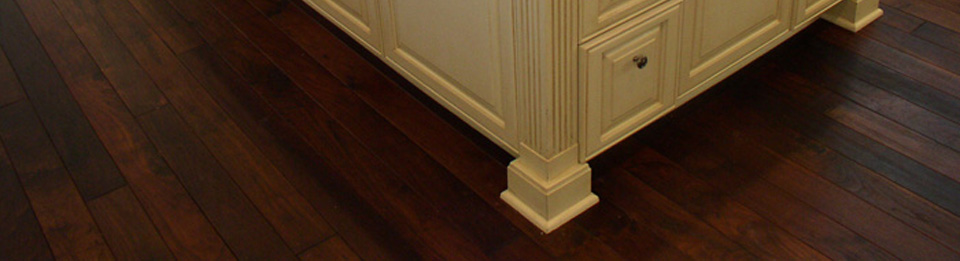
Reclaimed Walnut Flooring
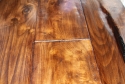
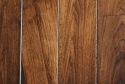
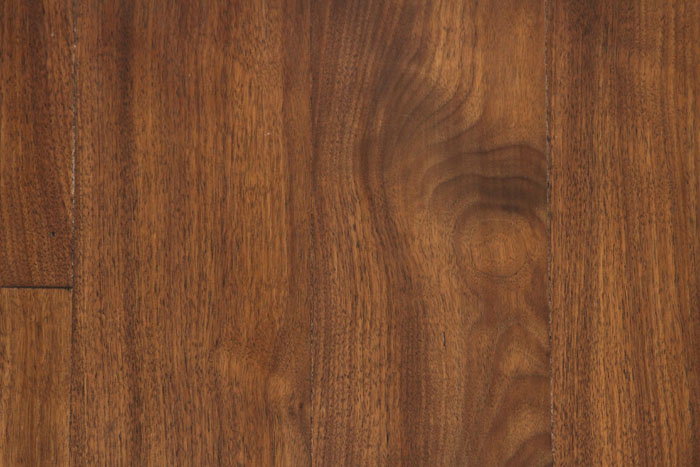 Reclaimed walnut flooring represents the pinnacle of American hardwood aesthetics—rich chocolate-to-purple-brown heartwood that has matured and mellowed over decades, salvaged from historic structures built in the 1800s and early 1900s when old-growth American black walnut forests were still abundant. These solid 3/4-inch planks preserve wood from trees that no longer exist in modern forests, delivering irreplaceable tight grain patterns, natural color depth, and authentic patina that new walnut requires 50-100 years to develop.
The reclaimed American black walnut in our inventory comes from deconstructed barns, warehouses, factories, and residential structures scheduled for demolition across the eastern and midwestern United States—regions where walnut thrived before extensive 19th-century logging depleted old-growth stands. When these buildings were constructed 100-200 years ago, builders selected the finest walnut available: slow-growth timber with tight annual rings, minimal sapwood content, and exceptional dimensional stability. Today, that same lumber provides flooring material that cannot be replicated with plantation-grown or managed-forest walnut—the growth characteristics and natural aging are simply impossible to reproduce in contemporary timber.
What Makes Reclaimed Walnut Flooring Special
Reclaimed walnut wood flooring differs fundamentally from new walnut flooring in ways that matter aesthetically, historically, and environmentally:
Old-Growth Timber Characteristics: The walnut in reclaimed flooring grew 150-250 years ago in virgin forests with minimal human intervention. These trees matured slowly, producing extremely tight grain patterns with annual rings often 1/16-inch or less. Modern walnut from managed plantations grows faster (optimized for commercial harvest), resulting in wider growth rings, less dense wood structure, and coarser texture. Old-growth reclaimed walnut is noticeably harder, more dimensionally stable, and exhibits finer grain detail than contemporary walnut—characteristics you can see and feel in the finished floor.
Natural Aging and Patina: Decades of exposure to air, light, and variable humidity have transformed reclaimed walnut's color and character. Fresh-cut walnut shows strong purple undertones that many find less appealing; reclaimed walnut has mellowed into warm chocolate browns, coffee tones, and amber hues through decades of natural oxidation and UV exposure. This aged coloring is stable—what you see at installation is close to what will persist long-term. New walnut darkens significantly over the first 2-3 years, then gradually lightens over decades; reclaimed walnut has already completed most of this color evolution.
Authentic Historical Marks: Reclaimed wood flooring carries evidence of its previous life: nail holes from joist connections, mortise cuts from timber framing, saw marks from antique milling equipment, mineral staining from iron hardware reactions, color variations from weathering exposure, checking from decades of expansion-contraction cycles. These marks tell stories—they're proof of authenticity that cannot be faked convincingly. In contrast to artificially distressed new flooring (which looks manufactured and repetitive), genuine reclaimed walnut displays organic, varied character that developed naturally over a century or more of service.
Environmental Credentials: Choosing reclaimed walnut diverts valuable lumber from landfills while preserving genetic material from historic American walnut populations that no longer exist. You're not contributing to further deforestation or consuming recently-grown timber—you're extending the service life of wood harvested 100+ years ago. The carbon sequestered when these trees grew in the 1800s remains locked in your floors for another 50-100+ years rather than being released through decomposition or burning.
Reclaimed Walnut Color Characteristics
Understanding American black walnut coloring helps set accurate expectations for your reclaimed flooring project:
Heartwood Dominance: Most reclaimed walnut flooring consists primarily of heartwood—the dense, dark inner portion of the tree. Reclaimed heartwood displays rich dark brown coloring ranging from chocolate brown to coffee brown, warm amber-brown, or deep purple-brown. The purple undertones that characterize fresh walnut have typically mellowed in reclaimed stock, though some boards retain subtle purple casts depending on their exposure history. This natural variation is desirable—uniform dark brown floors would look monotonous and artificial.
Sapwood Contrast: Walnut sapwood (from the tree's outer growth rings, visible as creamy white to pale tan areas) creates dramatic light-dark contrast when present. Reclaimed walnut varies in sapwood content—some material is near-pure heartwood showing uniform dark color, while other planks include significant sapwood streaks or edges. We can sort material to your aesthetic preference: heartwood-only for uniformly dark floors, or mixed character showcasing walnut's natural heartwood-sapwood contrast. Many designers favor the mixed character for its organic variability and distinctive appearance.
Color Range Within Boards: Individual walnut planks rarely show perfectly uniform coloring. Instead, you'll see subtle to dramatic gradations—darker areas adjacent to knots, lighter streaks following grain direction, amber tones where weathering occurred, dark mineral streaks from iron reactions. This within-board variation adds depth and interest. When installed, the cumulative effect across hundreds of square feet is a floor with rich color complexity that changes appearance with lighting conditions and viewing angles.
Aging and Color Evolution: Unlike lighter hardwoods that darken significantly with UV exposure, walnut's color evolution is more subtle. New walnut darkens initially over 6-12 months as oxidation occurs, then gradually lightens and warms over subsequent decades. Reclaimed walnut has already undergone much of this process—the color you observe in samples is close to what will persist long-term. Expect slight lightening if floors receive intense direct sunlight, but changes are far less dramatic than with new walnut. For maximum color consistency, use window treatments to control UV exposure and rotate area rugs periodically.
For color inspiration, explore our dark flooring gallery, antique brown collection, and medium brown options showing walnut in various finish treatments.
Grain Patterns and Texture in Reclaimed Walnut
Reclaimed American black walnut exhibits distinctive grain characteristics that define its sophisticated appearance:
Straight Grain Predominance: Walnut is generally straight-grained—the wood fibers run parallel to the plank length without dramatic swirls or figure patterns. This creates refined, understated appearance suitable for contemporary, transitional, and formal traditional designs. The grain isn't invisible (as in very tight-grained woods like maple), but it's subtle and uniform rather than visually dominant. This allows walnut's rich color to take center stage rather than competing with pronounced grain patterns.
Fine, Even Texture: Walnut's cellular structure produces fine, uniform texture that feels smooth and almost velvety when properly sanded and finished. Unlike ring-porous hardwoods like oak or ash (which display pronounced open pores creating coarse texture), walnut is semi-ring-porous with small, evenly distributed pores. This fine texture enhances walnut's refined appearance and makes it suitable for formal applications where coarse texture would seem too rustic. The smooth surface also simplifies finishing—there are no deep pores to fill or grain-raising issues to manage.
Occasional Figure and Curl: While most reclaimed walnut is straight-grained, occasional boards display figured patterns—curly grain (chatoyance creating ribbon-stripe effects), crotch figure (dramatic feather patterns from branch junctions), burl figure (swirling growth irregularities), or birdseye (small circular patterns). These figured boards are prized accents that add visual interest when distributed throughout a floor. If you prefer more figured material, we can sort inventory toward character-heavy selections, though availability varies with our current reclaimed stock sourcing.
Visible Growth Rings: When viewing walnut end-grain or quartersawn surfaces, you'll see distinct growth ring patterns—alternating light and dark bands representing seasonal growth cycles. In old-growth reclaimed walnut, these rings are extremely tight (many rings per inch), indicating slow growth over centuries. This tight ring structure contributes to walnut's excellent stability and hardness compared to faster-grown contemporary timber.
Hardness, Durability, and Performance Characteristics
Solid reclaimed walnut flooring offers specific performance attributes that influence long-term satisfaction:
Janka Hardness Rating: 1010: American black walnut rates 1010 on the Janka hardness scale, placing it in the moderate hardness category—harder than pine (870), cherry (950), or Douglas fir (660), but softer than red oak (1290), white oak (1360), maple (1450), or hickory (1820). This moderate hardness means walnut dents more easily than very hard species when subjected to impact damage (dropped objects, furniture dragging, pet claws). For many applications this is acceptable—the rich color and refined appearance justify the tradeoff in hardness. For high-traffic commercial installations or homes with large active dogs, consider harder species like reclaimed oak or hickory.
Dimensional Stability: Walnut exhibits very good dimensional stability—it expands and contracts less with seasonal humidity changes than many hardwoods. The tight-grain old-growth timber in reclaimed walnut is even more stable than new walnut. Properly installed and acclimated reclaimed walnut floors gap minimally in dry winter months and show little cupping or crowning in humid summer conditions. This stability makes walnut suitable for wider plank widths (8-12 inches) without excessive movement concerns that would affect less stable species.
Wear Resistance and Longevity: Despite moderate hardness, walnut's dense cellular structure provides excellent wear resistance. Properly finished reclaimed walnut floors easily provide 50-100+ years of service with appropriate maintenance. The solid 3/4-inch thickness allows for 3-5 refinishing cycles over the floor's lifespan—each refinishing removes 1/16 to 1/8 inch of wood, renewing the surface and extending service life by decades. This refinishing potential is a key advantage of solid hardwood over engineered alternatives, which allow only 1-2 refinishings due to thinner wear layers.
Moisture Resistance: Like all solid hardwood, walnut is susceptible to moisture damage if exposed to standing water, repeated wetting, or installation in high-moisture environments like bathrooms or true basements. For moisture-prone locations, consider engineered walnut construction or alternative flooring materials. For normal residential and commercial applications with controlled humidity (35-55% relative humidity year-round), properly finished walnut performs excellently without moisture concerns.
Solid Reclaimed Walnut Specifications
Our reclaimed American black walnut flooring is available in the following configurations:
- Widths: 3" to 12" (wider planks showcase walnut's color and character more dramatically)
- Thickness: 3/4" or 7/8" (thicker planks provide additional refinishing potential)
- Standard Lengths: 1.5' to 12' random lengths (creates authentic period appearance with varied board lengths)
- Long Lengths: 4' to 16' available (premium selection, limited availability, minimizes seams)
- Profile: Tongue and groove with micro-bevel edges for nail-down installation
- Moisture Content: 6-8% (properly kiln-dried and acclimated for immediate installation)
- Grading: Character grade (includes natural color variation, knots, nail holes, mineral staining typical of authentic reclaimed material)
- Janka Hardness: 1010 (moderate hardness, suitable for residential and light commercial applications)
Width Selection Strategy: Narrow 3-4 inch planks create traditional Colonial or Victorian appearance with more seams and busier visual texture. Medium 5-7 inch widths balance historical character with modern aesthetics. Wide 8-12 inch planks provide dramatic contemporary or rustic appearance with fewer seams, showcasing walnut's color and grain more prominently. Wider planks cost 10-20% more due to increased material waste during milling and greater rarity in reclaimed inventory, but many designers consider them worth the investment for the visual impact.
Length Considerations: Random-length flooring (mixing 2-foot boards with 10-foot boards) creates authentic appearance referencing historical milling practices and provides installation flexibility around obstacles. Consistent long lengths (8-16 feet) deliver more formal, contemporary appearance with fewer end joints, but require careful layout planning and typically cost 15-25% more due to limited availability in reclaimed stock.
Installation Methods for Solid Walnut Flooring
Solid reclaimed walnut requires proper installation over appropriate subfloors to ensure long-term performance:
Nail-Down Installation Over Wood Subfloors: This is the standard and recommended installation method for solid 3/4-inch walnut flooring. The subfloor must be minimum 5/8-inch plywood or OSB securely fastened to floor joists (nails or screws every 6 inches). After acclimating flooring to site conditions (48-72 hours minimum), boards are blind-nailed through the tongue edge using pneumatic nailers with 2-inch cleats or staples. Nailing creates very solid feel underfoot and allows natural seasonal movement without buckling. The fasteners are completely hidden within tongue-and-groove joints.
Subfloor Requirements: The wood subfloor must be flat within 3/16 inch over 10 feet, structurally sound without squeaks or movement, properly gapped (1/8 inch between subfloor panels), and acclimated to stable moisture content within 4% of the flooring's moisture content. High spots should be sanded or ground flat; low spots filled and leveled. Any subfloor irregularities telegraph through to the finished floor surface, causing visible imperfections and potential squeaking.
Cannot Install Over Concrete: Solid 3/4-inch hardwood cannot be successfully nailed to concrete slabs—the nails don't penetrate concrete, and even if adhesive is used, seasonal expansion-contraction causes solid wood to buckle or gap excessively over concrete. If your project has concrete subfloors, you have three options: (1) install engineered walnut which glues directly to concrete, (2) build a wood subfloor system over the concrete (sleeper system with plywood), or (3) select alternative flooring materials suited to concrete substrates.
Moisture Barrier Considerations: When installing solid walnut over wood subfloors in on-grade or above-grade applications (main floors, upper floors), moisture barriers are typically not required if the crawlspace or basement below has proper moisture control. For on-slab installations (where wood subfloor is built over concrete), install 6-mil polyethylene moisture barriers between concrete and sleeper system to prevent moisture transmission from below. Never install solid walnut in below-grade spaces (true basements) regardless of moisture barrier use—the moisture risk is simply too high.
Acclimation Requirements: Proper acclimation prevents post-installation problems. Deliver walnut flooring to the installation site 48-96 hours before installation (longer for large projects). Store boxes broken down in the installation space with climate control running at normal occupied conditions (65-75°F, 35-55% relative humidity). This allows the wood moisture content to equilibrate with site conditions, minimizing post-installation movement.
Finish Options for Reclaimed Walnut
Finish selection significantly affects both the appearance and long-term maintenance of walnut wood floors:
Site-Finished vs. Prefinished: Solid reclaimed walnut is typically sold unfinished, with finish applied on-site after installation. Site-finishing allows custom color matching, complete surface sealing without micro-bevels between boards, and seamless integration when tying into existing flooring. The installation process involves sanding (to level boards and remove mill marks), staining (if desired), and multiple coats of protective finish. Plan for 3-5 days of finishing work and drying time, during which the space cannot be occupied. Some inventory may be available prefinished (finish applied before delivery), eliminating on-site finishing odors and time, though limiting color customization.
Natural/Clear Finishes: Clear finishes showcase walnut's inherent rich chocolate-brown heartwood color without alteration. Water-based polyurethane provides clear protection with minimal amber tint, preserving walnut's true color and allowing the dramatic heartwood-sapwood contrast (if present) to show fully. Oil-based polyurethane adds slight amber warmth and enhances depth. Hard wax oil finishes penetrate deeply rather than forming a surface film, creating natural low-sheen appearance increasingly popular in contemporary design. Tung oil provides similar penetrating protection with hand-rubbed aesthetic suitable for traditional or transitional interiors.
Stained Finishes: While walnut's natural dark color is its primary appeal, some specifications call for staining to achieve specific tones or color-match existing flooring. Dark brown or espresso stains deepen walnut further, creating uniformly dark floors suitable for dramatic contemporary spaces. Black staining or ebonizing (chemical reaction creating jet-black color while preserving visible grain texture) provides high-contrast option for modern or industrial aesthetics. Gray staining (counterintuitive but increasingly requested) lightens walnut to contemporary gray-brown tones suitable for Scandinavian-modern or coastal designs—see our gray flooring examples. Medium brown stains can lighten walnut's naturally dark color for transitional aesthetics.
Distressed Surface Treatments: Hand-scraping, wire-brushing, or skip-planing can be applied to walnut planks before finishing, adding textured surface that enhances vintage character and hides wear. Hand-scraped walnut displays irregular surface undulations created by skilled craftsmen using draw knives or specialized scraping tools, referencing historic floor planing before modern sanding equipment existed. Wire-brushed walnut shows subtle grain relief where softer wood fibers are removed while harder growth rings remain raised, creating tactile surface with increased slip resistance. These treatments suit traditional, rustic, or transitional designs; contemporary spaces typically favor smooth surfaces.
Sheen Levels: Finish sheen dramatically affects appearance. Matte finishes (10-20 gloss) provide natural, low-reflective appearance increasingly favored in contemporary design—the wood looks almost unfinished while fully protected. Satin finishes (25-35 gloss) offer subtle sheen that enhances walnut's color depth while hiding minor scratches, representing the most popular choice for residential projects. Semi-gloss (40-50 gloss) creates noticeably reflective surfaces suitable for formal traditional spaces, though showing dust and imperfections more readily. Ultra-matte finishes (5-10 gloss) deliver nearly unfinished aesthetic while providing full moisture and wear protection.
Design Applications for Reclaimed Walnut Flooring
Solid reclaimed walnut floors suit diverse interior styles where their combination of dark color, refined grain, and historical authenticity provides aesthetic advantages:
Contemporary and Modern Interiors: Walnut's dark color, straight grain, and fine texture align perfectly with contemporary design principles emphasizing clean lines, minimal ornamentation, and material authenticity. Wide plank reclaimed walnut (8-12 inches) with matte or satin finish creates sophisticated neutral foundation that doesn't compete with modern furnishings, art, or architectural elements. The dark floors ground spaces visually while the natural wood texture prevents cold sterility common in contemporary interiors with excessive hard surfaces.
Mid-Century Modern Revival: American black walnut was the iconic hardwood of mid-century modern furniture and architecture—choosing reclaimed walnut flooring provides authentic period material perfectly suited to mid-century design vocabulary. Pair with vintage Eames, Knoll, or Saarinen furniture pieces; the walnut floors provide historical continuity while the furniture's sculptural forms pop against the dark neutral background.
Transitional Interiors: Spaces blending traditional architectural details with contemporary furnishings benefit from walnut's ability to bridge styles. The dark color provides gravitas and formality associated with traditional design, while the straight grain and uniform texture read as modern and minimalist. Walnut works equally well with ornate crown molding and wainscoting as with clean contemporary cabinetry.
Traditional and Formal Spaces: Historically, walnut flooring signified wealth and taste—it was reserved for parlors, libraries, and formal dining rooms in high-end homes. Reclaimed walnut continues this association with luxury and sophistication. The rich color creates warmth and intimacy in formal spaces, while the authentic historical character supports traditional aesthetic goals. Consider narrower 3-5 inch widths for historical accuracy in Victorian or Colonial revival interiors.
Commercial and Hospitality: Boutique hotels, upscale restaurants, professional offices, and high-end retail benefit from walnut's sophisticated appearance and the environmental/historical story reclaimed material provides. The dark color hides soil and wear in commercial applications better than light woods. Walnut's moderate hardness is adequate for most commercial uses except extremely high-traffic corridors or industrial spaces.
Contrast with White or Light Walls: One of walnut's most dramatic applications pairs dark walnut floors with white or light gray walls and light-colored furnishings. This high-contrast scheme creates visual impact and emphasizes architectural elements. The dark floors anchor the space while light walls and ceilings maintain openness and brightness. This approach works in both contemporary and traditional interiors.
Solid vs. Engineered Reclaimed Walnut: Comparison
Understanding differences between solid and engineered walnut helps you select the optimal product for your specific project:
Construction and Stability: Solid walnut is 3/4-inch thick American black walnut from top to bottom—what you see is what you get. Engineered walnut features a thin reclaimed walnut wear layer (1/8 to 1/4 inch) bonded to a plywood or HDF core. The engineered cross-layer construction provides 40-60% greater dimensional stability, making engineered better suited for installations over concrete, in basements, over radiant heat, or in climates with extreme humidity fluctuations. Solid walnut offers adequate stability for normal residential installations over wood subfloors in climate-controlled spaces.
Installation Versatility: Solid walnut requires nail-down installation over wood subfloors—you cannot install it over concrete without first building an expensive wood subfloor system. Engineered walnut glues directly to concrete, floats over concrete, or nails to wood subfloors, making it far more versatile for renovation projects or buildings with concrete slabs (condominiums, commercial spaces). If your project has concrete subfloors, engineered is typically the practical choice unless budget allows building a wood subfloor system first.
Refinishing Potential: This is solid walnut's primary advantage. The full 3/4-inch thickness allows 3-5 refinishing cycles over 50-100+ years of service. Each refinishing removes scratches, dents, and finish wear, essentially creating a "new" floor surface that can last another 20-30 years. Engineered walnut with 1/8-inch wear layer allows one light refinishing; 1/4-inch wear layer permits 1-2 refinishings. For historically significant buildings, heirloom family homes, or projects with 50+ year planning horizons, solid walnut's superior refinishing potential matters. For typical 10-30 year ownership periods, engineered's 1-2 refinishings are adequate.
Cost Comparison: Solid reclaimed walnut typically costs 10-20% more than engineered walnut per square foot of material. However, when factoring installation costs, the comparison shifts. For projects with wood subfloors, installation costs are comparable. For concrete slab projects, solid walnut requires building a wood subfloor system ($4-6/sq ft additional), while engineered glues directly to concrete—making engineered 20-40% less expensive total installed cost in concrete situations despite similar material costs.
Appearance and Feel: From a visual and tactile standpoint, there is minimal difference between solid and engineered reclaimed walnut after installation. Both show the same genuine reclaimed walnut surface, same color variation, same authentic character marks. Solid walnut may feel slightly more substantial underfoot due to greater mass, though properly installed engineered with adequate subfloor preparation feels nearly identical.
Reclaimed Walnut vs. Other Premium Hardwoods
Comparing reclaimed walnut to other high-end flooring species:
Walnut vs. Reclaimed Oak: Reclaimed oak offers lighter color (tan to medium brown), more pronounced grain (open pores creating texture), and superior hardness (1290-1360 Janka vs. walnut's 1010). Oak costs 15-25% less and provides more durable surface for high-traffic applications. Walnut delivers more sophisticated, refined appearance suitable for contemporary and formal designs. Oak reads as more traditional or rustic. Both offer excellent dimensional stability and authentic historical character.
Walnut vs. Reclaimed Hickory: Reclaimed hickory delivers extreme color variation (nearly white to dark brown within same boards), superior hardness (1820 Janka), and pronounced grain. Hickory suits rustic, lodge, or farmhouse aesthetics where dramatic variation is desired. Walnut provides consistent, sophisticated coloring suitable for refined interiors. Hickory costs 10-20% less and offers unmatched durability. Choose hickory for extremely high-traffic applications; choose walnut for sophisticated appearance.
Walnut vs. Exotic Dark Hardwoods: Imported species like Brazilian walnut/ipe (3680 Janka), Santos mahogany (2200 Janka), or wenge (1630 Janka) offer extreme hardness and dark colors comparable to or deeper than walnut. However, these lack American historical provenance, often have questionable sustainability credentials depending on source forest, and typically cost 20-50% more. Domestic reclaimed walnut delivers comparable appearance with superior environmental story, supports American deconstruction industry, and costs less.
Walnut vs. Reclaimed Chestnut: Reclaimed American chestnut (now functionally extinct due to chestnut blight) offers similar historical significance and rarity. Chestnut displays lighter tan-to-brown coloring with distinctive growth ring patterns and exceptional rot resistance. Both species carry premium pricing due to limited reclaimed supply. Choose chestnut for lighter color and unique historical narrative; choose walnut for darker color and refined grain.
Caring for Reclaimed Walnut Floors
Proper maintenance preserves solid walnut flooring's beauty and extends service life:
Regular Cleaning: Sweep, vacuum (with hardwood floor attachment, no beater bars), or dust mop daily or every other day in high-traffic areas to remove abrasive grit that causes finish scratching. Weekly cleaning prevents dirt accumulation in walnut's grain texture and finish micro-scratches. Use vacuum attachments designed for hardwood—rotating beater bars can mar prefinished surfaces or create micro-scratches that accumulate over time.
Damp Mopping: Clean weekly or biweekly with pH-neutral hardwood floor cleaner diluted per manufacturer instructions and lightly dampened (not wet) microfiber mops. Excessive water penetrates finish micro-cracks or seams causing whitening (moisture trapped under finish), edge swelling, or cupping. Change mop water frequently during cleaning to avoid redistributing dirt rather than removing it. Never use steam mops, wet mops, or harsh cleaners (ammonia, vinegar, Murphy Oil Soap) which damage finish and wood.
Protection Strategies: Use felt pads under all furniture legs, replacing them annually as adhesive weakens. Place area rugs in high-traffic zones (entries, hallways, kitchen work triangles) with proper rug pads that won't trap moisture or discolor flooring. Use entry mats outside and inside all exterior doors to capture tracked-in grit before it reaches walnut floors. Implement no-shoes policies if practical. Use protective mats under desk chairs with casters, ensuring they're designed for hardwood (soft wheels, not hard plastic that gouges).
Pet Considerations: Walnut's moderate hardness means it shows scratching from pet claws more readily than very hard species. Keep pet nails trimmed short. Place protective runners in pet traffic routes. Clean pet accidents immediately—urine can permanently stain and damage wood if allowed to sit. For homes with large active dogs, consider harder species like reclaimed oak or hickory which better withstand pet wear.
Sunlight and Color Management: While walnut is less prone to dramatic UV fading than lighter woods (which darken significantly), direct intense sunlight causes gradual color evolution—typically slight lightening and warming over years of exposure. Use window treatments (UV-filtering films, blinds, curtains) to control sun exposure during peak intensity hours. Periodically rotate area rugs and furniture arrangements to ensure covered and exposed areas age uniformly, avoiding permanent "ghosts" where rugs protected floor from fading.
Refinishing and Long-Term Renewal: Solid walnut's advantage is refinishing potential. When finish wear becomes extensive (visible scratches, dullness that buffing won't remedy, areas worn through to bare wood), professional refinishing renews floors to like-new condition. Timing varies by traffic: 15-25 years in high-traffic homes, 30-50+ years in gentle-use spaces. The process involves complete sanding (removing 1/16 to 1/8 inch of wood), optional restaining, and new finish coats. Most 3/4-inch walnut floors allow 3-5 refinishing cycles over 75-150 years of service.
Screen and Recoat Maintenance: Before full refinishing becomes necessary, screen-and-recoat extends floor life. This process involves abrading the existing finish surface (creating mechanical bonding profile without sanding through to bare wood) and applying fresh topcoat. Screen-and-recoat typically costs 30-40% of full refinishing and can be performed every 5-10 years to maintain finish protection and appearance. This maintenance refinishing significantly delays the need for full sanding refinishing.
Environmental Benefits of Reclaimed Walnut
Choosing reclaimed American black walnut flooring provides substantial environmental advantages:
Preserves Irreplaceable Genetic Material: The walnut in reclaimed flooring comes from old-growth forests that no longer exist—trees that grew 150-250 years ago when vast American walnut populations thrived from the Atlantic coast to the Great Plains. Extensive 19th-century logging for furniture, gunstocks, and construction essentially eliminated old-growth walnut forests. The trees being harvested today are second-growth or plantation timber with different growth characteristics (faster growth, wider rings, less dense structure). Reclaimed walnut preserves genetic material and growth patterns impossible to replicate in contemporary managed forests.
Zero Additional Deforestation: Choosing reclaimed walnut means zero trees are cut to produce your flooring—you're extending the service life of lumber harvested 100-150 years ago. In contrast, new walnut flooring (even from certified sustainable plantations) requires cutting living trees that could otherwise continue growing and sequestering carbon. The environmental calculation is clear: reusing existing material is inherently more sustainable than consuming new material regardless of how responsibly that new material is sourced.
Diverts Material from Landfills: Most reclaimed walnut comes from buildings scheduled for demolition. Without deconstruction industry markets, this valuable lumber would be demolished, landfilled, or burned—waste scenarios that provide zero environmental benefit and release stored carbon. By creating economic value for reclaimed lumber, you support deconstruction industries that carefully dismantle structures rather than demolishing them, recovering materials for reuse rather than disposal.
Carbon Sequestration Extension: The walnut trees that produced your flooring absorbed atmospheric carbon dioxide 150-250 years ago during growth, converting it to wood cellulose and storing it. As long as that wood remains in service (rather than decomposing or burning), the carbon remains sequestered. Installing reclaimed walnut floors extends carbon storage for another 50-100+ years of floor service life, delaying carbon release back to the atmosphere by 200-300+ total years from when the original tree absorbed it.
Embodied Energy Advantages: Reclaimed flooring requires significantly less processing energy than new flooring. The lumber has already been sawn, kiln-dried, and transported once 100+ years ago. Reclaimed processing involves: dismantling structures (largely manual labor), removing fasteners (manual), sawing to flooring dimensions, surface planing, and possibly re-drying. New walnut requires: harvesting living trees (heavy equipment), primary sawing (industrial mills), kiln drying (massive energy input), transportation from forest to mill, secondary milling to flooring dimensions, and transportation to market. While no comprehensive lifecycle analysis compares reclaimed vs. new walnut specifically, studies of reclaimed vs. new lumber generally show 30-50% lower embodied energy for reclaimed material.
LEED and Green Building Credits: Reclaimed content in reclaimed wood flooring contributes to LEED v4 Materials and Resources credits under recycled content categories. Projects can earn credit for using materials diverted from landfills and incorporating salvaged materials. Site-applied finishes using low-VOC water-based polyurethanes support Indoor Environmental Quality credits by avoiding high-VOC finishes that off-gas formaldehyde and other volatile compounds. Regional materials credits may apply if your reclaimed walnut is sourced from buildings within 500 miles of project site (varies by available inventory provenance).
Pricing and Investment Value
Reclaimed American black walnut flooring represents premium investment, but understanding total cost provides context:
Material Cost: Expect to pay $10-18 per square foot for reclaimed walnut flooring depending on width, length, grade/character level, and current supply availability. This is 30-50% more expensive than common species like red oak ($7-10/sq ft) or maple ($8-12/sq ft), but 20-40% less than exotic imports like Brazilian walnut ($15-25/sq ft) or teak ($18-30/sq ft). Within reclaimed walnut pricing, wider planks (8-12 inches) command 10-20% premiums vs. narrow widths due to rarity and increased milling waste. Long length selections (8-16 feet) cost 15-25% more than random lengths.
Installation Cost: Professional nail-down installation of solid walnut over prepared wood subfloors costs $4-7 per square foot including labor, fasteners, and site prep. This is comparable to installing any 3/4-inch solid hardwood. If your project requires building a wood subfloor over concrete before installing walnut, add $4-6/sq ft for sleeper system and plywood installation. Total installed cost (material + labor) typically ranges $14-25/sq ft for standard configurations over existing wood subfloors, $18-31/sq ft for projects requiring new subfloor systems.
Site-Finishing Cost: Budget $3-5 per square foot for professional site-finishing including sanding, optional staining, and multiple coats of protective finish. This adds to material and installation costs but provides custom color matching and seamless surface without micro-bevels between boards. Some homeowners with skills and equipment perform their own finishing to save 40-60% of finishing costs, though professional results require experience.
Long-Term Value: Solid reclaimed walnut floors are essentially permanent home improvements. With proper maintenance and periodic refinishing, these floors easily provide 75-150+ years of service—far exceeding typical homeownership periods. The authentic hardwood appearance maintains or increases property values better than synthetic alternatives (laminate, luxury vinyl, engineered with thin wear layers). When comparing costs, consider per-year expense over expected service life: $20/sq ft installed ÷ 100 years service = $0.20/sq ft annually—comparable to or less expensive than carpet ($2-5/sq ft installed ÷ 10 years = $0.20-0.50/sq ft annually) despite dramatically higher upfront costs.
Comparable Alternatives: When evaluating options, consider total value delivered. New walnut costs similarly but lacks historical character and environmental credentials. Engineered reclaimed walnut costs 10-20% less but offers reduced refinishing potential. Reclaimed oak costs 20-30% less but shows lighter color and more casual appearance. Exotic darks may cost more without American provenance. Reclaimed American walnut occupies a premium niche—maximum authentic character, sophisticated appearance, strong environmental story, and American historical significance justify premium pricing for projects where these attributes matter.
Why Choose Walter's Flooring for Reclaimed Walnut
Our specialized focus on reclaimed materials ensures superior quality and service:
Verified Reclaimed Sourcing: We maintain direct relationships with building deconstruction companies and architectural salvage operations nationwide, accessing genuine reclaimed American black walnut with documented provenance. We can often provide the history of your flooring—the building it was salvaged from, location, original construction date, and building use. This verified sourcing ensures authenticity rather than artificially distressed new wood marketed as "reclaimed character" (a common deception in the flooring industry). Our material shows genuine decades-old patina, nail holes from actual structural use, and growth characteristics of old-growth timber.
Quality Grading and Sorting: Our team inspects all reclaimed walnut before processing into flooring, balancing character (nail holes, color variation, mineral staining) with structural integrity. We remove wood with extensive rot, insect damage, or structural defects while preserving the authentic historical marks that make reclaimed material valuable. For clients with specific aesthetic preferences, we can sort inventory toward particular characteristics: heartwood-only for uniform dark color, mixed heartwood-sapwood for maximum light-dark contrast, heavily-characterized material with prominent nail holes and patina marks, or cleaner selections with minimal defects.
Custom Milling Capabilities: While we stock standard solid walnut configurations (common widths, random lengths, standard thickness), we excel at custom specifications. Need specific widths not typically available? Exact length requirements for pattern designs? Extra-thick 7/8-inch planks for maximum refinishing potential? Particular moisture content targets for challenging climate conditions? We can execute specifications that off-the-shelf distributors cannot match. Historic renovation projects requiring integration with existing walnut floors particularly benefit from our custom milling capabilities.
Technical Support and Installation Guidance: From initial product selection through installation completion and long-term maintenance, our team provides experienced guidance. We help you assess subfloor conditions, recommend appropriate installation methods for your specific project, suggest finish options that achieve your aesthetic goals while meeting performance requirements, and refer qualified installation professionals experienced with solid reclaimed hardwood. For challenging projects—moisture concerns, unusual subfloor conditions, pattern installations, historical renovation work—we offer site-specific recommendations that prevent costly mistakes.
Sample Program: We encourage all clients to request samples before committing to full orders. Reclaimed walnut varies in color, character, and appearance more than new flooring—what looks perfect in photos may not suit your actual space, lighting conditions, and existing finishes. We'll send representative samples showing the range of variation you can expect in your floor. Evaluate samples in your space under your lighting, next to your wall colors and furnishings, to ensure the material meets expectations before proceeding with full purchase.
Request Samples and Begin Your Project
Experience the quality of solid reclaimed American black walnut flooring firsthand by requesting samples. We'll send representative pieces showing the color range, grain patterns, and authentic character marks you can expect in your finished floor. Evaluating samples in your actual space, under your lighting conditions, alongside your existing finishes and furnishings, is the best way to confirm your flooring selection and avoid expensive surprises after installation.
Request free samples or request a project quote to start the process. Our team will discuss your square footage, subfloor type, installation timeline, aesthetic preferences (width, length, character level), and design goals to provide accurate recommendations and pricing tailored to your specific project requirements.
For immediate assistance or to visit our showroom, call us at 213-792-5908 or stop by 9216 S. Vermont Ave, Los Angeles, CA 90044. We're open Monday through Friday, 8:00 AM to 5:00 PM, ready to help you discover why solid reclaimed American black walnut flooring from Walter's Flooring represents the optimal combination of sophisticated beauty, authentic historical character, superior refinishing potential, and environmental responsibility for your hardwood flooring project.
Solid Walnut Flooring Specifications
- Widths: 3" to 12"
- Thickness: 3/4" or 7/8"
- Standard Lengths: 1.5' to 12'
- Long Lengths: 4' to 16' (premium selection)
- Profile: Tongue and groove
- Moisture Content: 6-8%
- Janka Hardness: 1010
Antique / Vintage Wood Flooring Styles
|
 |
Finish Coat Options
- Water Base Polyurethane Finish
- Tung Oil Finish
- Hard Wax Oil Finish
- Custom Hand-Rubbed Finishes
Color Selection
- Natural/Clear Finish: Showcases walnut's rich chocolate to purple-brown heartwood with contrasting tan sapwood
- Dark and Espresso Tones: Deepen already dark walnut for uniform dark floors
- Antique Brown: Warm aged brown tones that complement walnut's natural color
- Medium Brown: Classic brown finishes that enhance grain visibility
- Gray Tones: Contemporary gray staining for modern aesthetics
- Custom Color Matching: Unlimited custom color options available to match any design specification
Installation Options
- Nail Down (required for solid walnut - installs over wood subfloors only)
- Glue Down (use engineered walnut for glue-down over concrete)
- Floating (use engineered walnut for floating installations)
- Radiant Heat (use engineered walnut for radiant heat compatibility)
Installation Techniques
|
|