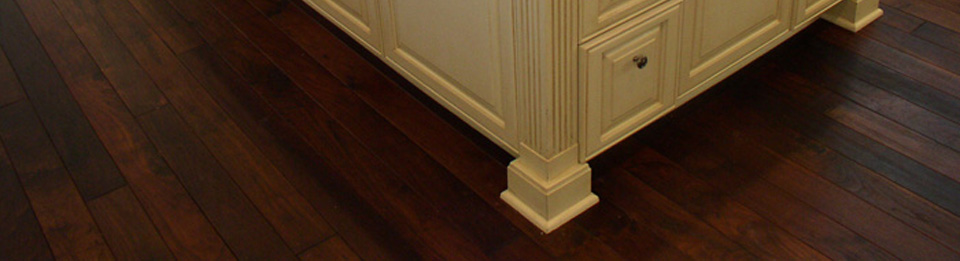
Engineered Reclaimed Walnut Flooring
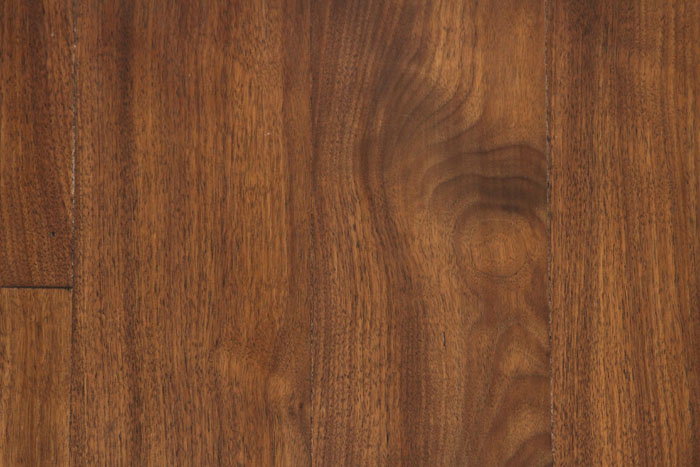 Engineered reclaimed walnut flooring delivers the perfect synthesis of historical luxury and modern engineering. By bonding a premium reclaimed walnut wear layer to a dimensionally stable plywood or HDF core, this flooring construction provides the unmistakable rich chocolate-to-purple-brown beauty of reclaimed American black walnut with the structural stability necessary for installations where solid hardwood would be risky or impossible—concrete slabs, below-grade spaces, radiant heating systems, and environments with significant seasonal humidity fluctuations.
The engineered walnut construction preserves everything that makes reclaimed walnut flooring special: the mellowed amber glow of decades-aged wood, the natural color variation between heartwood and sapwood, the nail holes and saw marks that tell stories of historic structures, and the fine grain texture that defines American black walnut's sophisticated appearance. What changes is the structural behavior—the cross-layer core construction dramatically reduces seasonal expansion and contraction compared to solid walnut, creating floors that remain stable and gap-free in conditions that would cause solid planks to move, cup, or gap.
What is Engineered Reclaimed Walnut Flooring?
Engineered reclaimed walnut wood flooring consists of multiple layers bonded under heat and pressure to create a composite plank that's stronger and more stable than solid wood while maintaining authentic reclaimed walnut appearance on the visible surface:
Wear Layer (Top Surface): The visible top layer is genuine reclaimed American black walnut salvaged from historic barns, warehouses, and industrial buildings dating from the 1800s and early 1900s. This 1/8" to 1/4" thick wear layer showcases all the characteristics that make reclaimed walnut valuable—the rich dark brown to purple-brown heartwood, contrasting tan sapwood, tight grain patterns from slow-growth old-growth trees, and the natural patina marks (nail holes, color variation, mineral staining) that prove the wood's authentic history. When installed, the floor surface is 100% genuine reclaimed walnut—visually and functionally identical to solid reclaimed walnut flooring.
Core Layer (Structural Base): Beneath the walnut wear layer sits the engineered core, typically constructed from 5-11 cross-laminated plywood veneers or high-density fiberboard (HDF). These core materials are oriented with grain directions alternating 90 degrees between adjacent layers. This cross-layer construction is the key to engineered flooring's superior stability—when one layer tries to expand with humidity, the perpendicular layer above or below it resists that movement, creating a plank that moves 40-60% less than solid wood of equivalent thickness. The core provides structural strength while the reclaimed walnut wear layer provides beauty.
Backing Layer (Bottom): Most engineered walnut includes a balancing veneer on the bottom surface. This balancing layer helps prevent cupping or warping by ensuring moisture affects both top and bottom surfaces equally. Without this balancing layer, moisture differences between the floor's upper and lower surfaces could cause bending.
The result is a flooring plank that looks, feels, and performs like reclaimed walnut on the surface, but behaves dramatically better than solid wood in challenging installation conditions. This is why engineered reclaimed flooring has become the standard specification for concrete slab installations, radiant heated spaces, condominiums, and basements—anywhere that moisture, temperature, or subfloor limitations make solid hardwood problematic.
Engineered vs. Solid Reclaimed Walnut: Key Differences
Understanding how engineered reclaimed walnut compares to solid helps you select the optimal product for your project:
Dimensional Stability: This is the primary advantage of engineered construction. Solid walnut expands and contracts perpendicular to grain direction with seasonal humidity changes—a 5" wide solid plank might expand or contract 1/16" to 3/32" from summer to winter. Multiply that across a 20-foot room width and you're dealing with 1/4" to 1/2" of total movement. Engineered walnut's cross-layer core reduces this movement by 40-60%, creating floors that gap less in winter and buckle less in summer. This stability is crucial for installations over concrete (which retains moisture), in basements (high humidity), or in climates with extreme seasonal swings.
Installation Versatility: Solid walnut flooring requires nail-down installation over wood subfloors—you cannot install solid hardwood over concrete slabs without first building a wood subfloor system. Engineered walnut can be glued directly to concrete, floated over concrete, or nailed to wood subfloors. This versatility makes engineered the only practical choice for condominiums, commercial spaces, and renovations where concrete is the existing substrate.
Radiant Heat Compatibility: Solid walnut is generally not recommended over radiant heating due to the moisture content and temperature fluctuations these systems create. Engineered walnut's stability makes it compatible with radiant heat when installed via glue-down method and proper system protocols are followed. This opens up hydronic floor heating as an option for premium walnut installations.
Refinishing Potential: Solid 3/4" walnut flooring can be sanded and refinished 3-5 times over its lifespan, providing 50-100+ years of service. Engineered walnut with 1/8" wear layer allows one light refinishing; 1/4" wear layer allows 1-2 refinishings. While reduced compared to solid, this is still substantial—most residential floors never get refinished more than once or twice. The tradeoff in refinishing potential buys you dramatically improved installation flexibility and stability.
Cost Considerations: Engineered walnut typically costs 10-20% less than comparable solid walnut in similar widths and grades. When you factor in the simpler installation (glue-down over concrete vs. building a wood subfloor system first), total installed cost for engineered is often 20-30% less than solid in concrete slab situations. The cost savings combined with superior performance make engineered the economically rational choice for many projects.
Appearance and Feel: From a visual and tactile standpoint, there is zero difference between engineered and solid reclaimed walnut after installation. Both show the same reclaimed walnut wear surface, same color variation, same grain patterns, same nail holes and character marks. The only difference is structural—what you see and touch is identical.
Reclaimed Walnut Color and Character in Engineered Form
The engineered construction does not affect the reclaimed walnut's visual characteristics—you get the same authentic appearance:
Rich Heartwood Tones: The wear layer displays American black walnut's signature deep brown to purple-brown heartwood coloring. In reclaimed stock that's been aging for 50-150+ years, this color has evolved into mellowed chocolate brown, coffee brown, or warm amber-brown tones that new walnut requires decades to develop. The purple undertones that characterize fresh walnut heartwood have often matured into warmer brown hues, though some boards retain subtle purple casts—this variation is characteristic and desirable.
Sapwood Contrast: Walnut sapwood (from the tree's outer growth rings) shows dramatically lighter coloring—creamy white to pale tan. In reclaimed lumber, sapwood content varies by board. Some engineered walnut planks are pure heartwood showing uniform dark color; others include sapwood streaks or edges creating striking light-dark contrast within individual boards. This natural variation is one of walnut's defining characteristics. We can sort material toward heartwood-only or mixed character based on your aesthetic preference.
Historical Patina Marks: The reclaimed walnut wear layer retains all the character marks from its previous life: nail holes (filled or unfilled per your specification), mineral staining (dark streaks from iron-wood-moisture reactions), color shifts from weathering exposure, and saw marks from antique milling equipment. These marks are badges of authenticity—proof that your floor surface is genuine salvaged material, not artificially distressed new wood. Engineered construction preserves these details perfectly because the visible surface is 100% authentic reclaimed walnut.
Color Evolution Over Time: Walnut's well-known color evolution—darkening initially with light exposure, then gradually lightening and warming over decades—continues in engineered flooring just as it does in solid. However, because reclaimed walnut has already undergone much of this evolution during its decades in service, the color you see at installation is close to the color that will persist long-term. New walnut shows more dramatic color change; reclaimed walnut is already "aged in" to stable coloring.
For color palette examples, explore our dark flooring gallery, antique brown selections, and medium brown options showing walnut in various finish treatments.
Engineered Reclaimed Walnut Specifications
Our engineered reclaimed walnut flooring is available in configurations optimized for performance and aesthetics:
- Widths: 2-1/4" - 16" (wide planks showcase walnut's character more dramatically)
- Total Thickness: 3/8", 1/2", 5/8", 3/4", 7/8", or 1" (thicker planks offer more wear layer depth for refinishing)
- Wear Layer Thickness: 1/8" to 1/4" reclaimed walnut (thicker wear layers allow refinishing)
- Core Construction: Multi-ply plywood or high-density fiberboard (HDF)
- Standard Lengths: 1' - 6' random lengths (creates authentic period appearance)
- Long Lengths: 4' - 16' available (premium selection, limited availability)
- Profile: Tongue and groove with micro-bevel edges or click-lock (installation-specific)
- Moisture Content: 6-8% (properly conditioned for immediate installation)
- Grading: Character grade (includes natural color variation, knots, nail holes typical of reclaimed material)
Thickness Selection Strategy: Choose 3/8" or 1/2" engineered walnut for budget-conscious projects or when minimal floor height addition is critical. Select 5/8" to 1" thicknesses when refinishing potential matters—thicker planks contain deeper wear layers allowing future sanding. For most residential applications, 1/2" to 3/4" engineered provides the ideal balance of cost, performance, and longevity.
Installation Methods for Engineered Walnut
The installation versatility of engineered reclaimed walnut is one of its primary advantages over solid hardwood:
Glue-Down Installation Over Concrete: This is the most common method for engineered walnut and the primary reason many clients choose engineered over solid. The concrete slab is prepared (moisture tested, leveled, cleaned), then planks are adhered directly to concrete using urethane-based flooring adhesive. This creates permanent installation suitable for residential and commercial applications. Glue-down over concrete is required for radiant heat installations. The adhesive layer provides sound dampening and creates solid feel underfoot—properly installed glue-down floors feel as substantial as nailed hardwood.
Nail-Down Installation Over Wood Subfloors: When installing over plywood or OSB subfloors, engineered walnut can be blind-nailed through the tongue just like solid hardwood. This is the preferred method for new construction or renovation projects with proper wood subfloors. Nailing creates very solid feel and allows the floor to move naturally (though less than solid wood) with seasonal changes. The nails are hidden within tongue-and-groove joints, invisible on the finished surface.
Floating Installation: Some engineered walnut products feature click-lock profiles allowing floating installation where planks connect to each other but don't attach to the subfloor. Floating systems rest on foam or cork underlayment providing moisture barriers and sound dampening. Floating installation is faster and allows future removal, but doesn't provide the solid feel of glued or nailed floors. We generally recommend glue-down or nail-down for premium reclaimed walnut—the material deserves installation methods that maximize solidity and permanence.
Radiant Heat Installation: Engineered reclaimed walnut is compatible with hydronic (water-based) and electric radiant heating systems when installed via glue-down method. The installation requires moisture testing the concrete, using radiant-compatible adhesive, and following proper system startup protocols (gradual temperature increases over 7-10 days to prevent finish checking or plank movement). Solid walnut is not recommended over radiant heat; engineered construction is the only way to combine reclaimed walnut beauty with in-floor heating.
Subfloor Requirements and Preparation
Successful engineered walnut installation depends on proper subfloor preparation regardless of installation method:
Concrete Slab Requirements: Concrete must be fully cured (minimum 60 days for new pours), flat within 1/8" over 10 feet, structurally sound without cracks or crumbling, and within acceptable moisture limits. Moisture testing using calcium chloride or relative humidity probes is mandatory—concrete moisture levels above 3 lbs/1000 sq ft (calcium chloride test) or 75% RH (relative humidity test) require moisture mitigation before flooring installation. Failure to test and address moisture causes adhesive failure, cupping, and finish damage.
Wood Subfloor Requirements: Plywood or OSB subfloors must be minimum 5/8" thick, structurally fastened every 6" along joists, flat within 3/16" over 10 feet, and acclimated to stable moisture content (within 4% of flooring moisture content). Subfloor panels should be properly gapped (1/8" between sheets) and any high spots sanded or ground flat. Squeaky or loose subfloor areas must be re-fastened before flooring installation.
Moisture Barriers: When installing over concrete, moisture barrier protocol depends on the installation method. Glue-down installations typically use moisture-blocking adhesives that serve as barrier. Floating installations require 6-mil polyethylene sheet moisture barriers with overlapped and taped seams. Below-grade installations (basements) require moisture barriers regardless of installation method due to higher moisture risk.
Underlayment Considerations: Glue-down installations bond directly to substrate without underlayment. Floating installations require foam or cork underlayment (2-3mm thickness typical) providing moisture protection, minor subfloor irregularity tolerance, and sound dampening. Nail-down installations typically don't use underlayment when fastening to wood subfloors.
Finish Options for Engineered Reclaimed Walnut
Finish selection affects both the appearance and long-term performance of engineered walnut floors:
Prefinished vs. Site-Finished: Most engineered reclaimed walnut is sold prefinished—finish is applied in factory-controlled conditions before shipping. Prefinished offers convenience (no on-site finishing time, no finish odors, immediate use after installation) and typically superior finish quality (UV-cured finishes are harder than site-applied). Site-finishing is less common for engineered flooring but allows custom color matching when integrating new flooring with existing walnut in renovations.
Natural/Clear Finishes: Clear finishes showcase walnut's inherent rich chocolate brown color without alteration. Water-based polyurethane provides clear protection with minimal amber tint, preserving walnut's natural color. Oil-based poly adds slight warmth. Hard wax oil finishes enhance walnut's color subtly while maintaining natural appearance. Clear finishes allow the dramatic contrast between dark heartwood and light sapwood to show fully.
Stained Finishes: While walnut is naturally dark, some specifications call for staining to achieve specific tones. Dark brown or espresso stains deepen walnut further for uniformly dark floors. Black staining or ebonizing creates jet-black floors with visible grain texture. Gray staining (counterintuitive but increasingly popular) lightens walnut to contemporary gray-brown tones suitable for Scandinavian-modern aesthetics. See our gray flooring examples.
Distressed Finishes: Hand-scraping, wire-brushing, or skip-planing can be applied to the reclaimed walnut wear layer before finishing, adding texture that enhances the vintage character. Wire-brushed walnut shows subtle grain relief that provides slip resistance and hides wear. Hand-scraped walnut displays irregular surface undulations referencing historic floor planing. These treatments suit traditional, transitional, and rustic designs.
Sheen Levels: Matte finishes (10-20 gloss) provide natural, low-reflective appearance increasingly popular in contemporary design. Satin finishes (25-35 gloss) offer subtle sheen that enhances color depth while hiding minor scratches. Semi-gloss (40-50 gloss) creates more reflective surfaces suitable for formal traditional spaces. Ultra-matte finishes (5-10 gloss) deliver nearly unfinished appearance while providing full protection.
Design Applications for Engineered Reclaimed Walnut
Engineered reclaimed walnut flooring suits diverse project types where its combination of beauty and stability provides advantages:
Urban Condominiums and Lofts: High-rise condos universally feature concrete slab subfloors—solid hardwood installation requires building expensive wood subfloor systems or is simply prohibited by building codes. Engineered walnut glues directly to concrete, providing premium authentic hardwood appearance in buildings where solid wood isn't feasible. The rich walnut color creates sophisticated urban aesthetic while the engineered stability handles the moisture and temperature variations common in multifamily buildings.
Basement Renovations: Below-grade spaces present high moisture risk that makes solid hardwood inappropriate. Engineered walnut's stability and moisture barrier installations allow beautiful hardwood in finished basements where solid floors would cup or gap. The dark walnut color adds warmth to spaces that often feel cold or utilitarian.
Kitchen and Dining Areas: While hardwood in kitchens remains debatable, engineered walnut's stability makes it more suitable than solid for these moisture-prone areas. The ease of glue-down installation over concrete slab (common in kitchens) and reduced seasonal movement make engineered practical where solid wood would be risky. The rich color provides upscale appearance appropriate to gourmet kitchens.
Radiant Heated Spaces: Homeowners who want both the luxury of reclaimed walnut floors and the comfort of radiant heating must use engineered construction—solid walnut isn't compatible. Engineered walnut glued over properly installed hydronic or electric radiant systems provides the ultimate combination of material luxury and heating comfort. This is increasingly specified in high-end new construction and major renovations.
Commercial and Hospitality: Boutique hotels, upscale restaurants, professional offices, and retail spaces benefit from engineered walnut's installation versatility (most commercial buildings have concrete subfloors) and improved stability (commercial spaces often have less climate control than homes). The reclaimed material tells an environmental and historical story that resonates with customers while the engineered construction handles commercial demands better than solid would.
Coastal and High-Humidity Climates: Regions with consistently high humidity or dramatic seasonal humidity swings cause excessive movement in solid hardwood. Engineered walnut's reduced movement creates floors that gap less in dry seasons and buckle less in humid conditions. Coastal installations particularly benefit from engineered stability given salt air moisture.
Engineered Walnut vs. Other Premium Engineered Species
Comparing engineered reclaimed walnut to other high-end engineered flooring options:
Engineered Walnut vs. Engineered Oak: Engineered oak offers lighter color (tan to medium brown vs. walnut's dark brown), more pronounced grain (oak's open pores vs. walnut's fine texture), and lower cost (20-30% less than walnut). Walnut provides more sophisticated, refined appearance suitable for contemporary and formal designs. Oak reads as more traditional or rustic. Both offer similar engineered performance—the choice is primarily aesthetic and budget-driven.
Engineered Walnut vs. Engineered Hickory: Engineered hickory delivers extreme color variation (nearly white to dark brown in same boards) and superior hardness (1820 Janka vs. walnut's 1010). Hickory suits rustic, lodge, or farmhouse aesthetics where dramatic variation is desired. Walnut offers more refined, consistent coloring (though heartwood-sapwood contrast creates variation) suitable for sophisticated interiors. Hickory is more durable; walnut is more elegant.
Engineered Walnut vs. Exotic Engineered Darks: Imported engineered floors using species like Brazilian walnut (ipe), Santos mahogany, or wenge offer extreme hardness and dark colors comparable to walnut. However, these lack the American historical provenance of reclaimed domestic walnut, have questionable sustainability credentials depending on source, and typically cost more. Domestic reclaimed walnut delivers comparable appearance with superior environmental story, supporting American deconstruction industry, and lower cost.
Caring for Engineered Reclaimed Walnut Floors
Maintenance requirements for engineered walnut match those for solid walnut—the finish and wear layer are identical:
Regular Cleaning: Sweep, vacuum (with hardwood attachment), or dust mop regularly to remove abrasive grit. Weekly cleaning prevents dirt accumulation in walnut's fine grain texture. Avoid vacuum beater bars that can scratch prefinished surfaces.
Damp Mopping: Clean with pH-neutral hardwood floor cleaner and lightly dampened (not wet) microfiber mops. Excessive water can penetrate finish micro-cracks causing whitening or edge swelling. Change cleaning solution frequently to avoid redistributing dirt.
Protection Strategies: Use felt pads under furniture legs, area rugs in high-traffic zones, and entry mats to capture tracked-in grit. Walnut's moderate hardness (1010 Janka) means prevention is critical—the wood dents more easily than very hard species like hickory or maple. Chair leg protectors prevent rolling furniture damage.
Sunlight Management: While walnut is less prone to UV fading than lighter woods, direct sunlight causes gradual color evolution. Use window treatments to control intense sun exposure. Periodically rotate area rugs to ensure uniform aging of covered and exposed areas.
Refinishing Potential: Engineered walnut with 1/8" wear layer allows one light refinishing (removing 1/32" to 1/16" of material). Thicker 1/4" wear layers permit 1-2 refinishing cycles. When refinishing is needed (extensive scratching, finish failure, desired color change), hire experienced floor professionals—the limited wear layer thickness requires careful sanding to avoid cutting through to the core.
Finish Maintenance: Prefinished engineered walnut typically uses factory-applied UV-cured polyurethane requiring minimal maintenance beyond cleaning. Every 3-5 years in high-traffic areas, professional screen-and-recoat (abrading the existing finish surface and applying fresh topcoat without full sanding) extends floor life. Hard wax oil finishes benefit from periodic fresh oil application every 2-3 years.
Environmental Benefits of Engineered Reclaimed Walnut
Choosing engineered reclaimed walnut flooring provides environmental advantages beyond even standard reclaimed flooring:
Reclaimed Material Source: The walnut wear layer is salvaged from deconstructed buildings scheduled for demolition, diverting valuable old-growth lumber from landfills. This preserves wood from historic American walnut forests that no longer exist—trees that grew 150-250 years ago before extensive logging depleted old-growth walnut populations. Reclaimed walnut represents irreplaceable genetic material and growth characteristics impossible to replicate in contemporary managed forests.
Efficient Material Use: Engineered construction allows thin reclaimed walnut wear layers (1/8" to 1/4") to cover the same square footage that would require 3/4" solid planks. This means limited reclaimed walnut supply serves 3-6 times more projects in engineered form than if used solely for solid flooring. The core layers use fast-growing, sustainably managed species (birch, poplar) or recycled wood fiber (HDF), reserving precious reclaimed walnut for visible surfaces where it matters aesthetically.
Carbon Sequestration: The walnut in your floor absorbed atmospheric carbon 100-200 years ago during tree growth. Keeping this wood in service (rather than landfilling where it would decompose and release carbon) maintains that carbon sequestration for another 50-100 years of floor life. The plywood or HDF core also sequesters carbon absorbed during recent tree growth. Engineered floors lock carbon in service for extended periods.
Installation Waste Reduction: Glue-down installation of engineered walnut over concrete eliminates the material waste associated with building wood subfloor systems (sleeper systems, plywood layers) required for solid hardwood over concrete. This reduces total material consumption and construction waste for the project.
Transportation Efficiency: Engineered flooring is typically manufactured closer to urban markets than reclaimed solid hardwood milling facilities (which locate near reclaimed material sources in rural areas). Shorter transportation distances reduce carbon emissions from shipping. Additionally, engineered products ship in more compact packaging than solid hardwood, improving transportation efficiency.
LEED and Green Building Credits: Reclaimed content in reclaimed flooring contributes to LEED Materials and Resources credits. Low-VOC factory-applied finishes (standard on most prefinished engineered walnut) support Indoor Environmental Quality credits by avoiding on-site finishing fumes. Regional materials credits may apply depending on manufacturing location. FSC-certified core materials (when specified) provide additional certification credits.
Pricing and Value Analysis
Engineered reclaimed walnut flooring represents premium investment, but total cost comparisons reveal value:
Material Cost: Expect to pay $8-15/sq ft for engineered reclaimed walnut depending on width, thickness, wear layer depth, and grade selection. This is 10-20% less than comparable solid reclaimed walnut in similar widths, despite containing the same reclaimed walnut on the visible surface. The savings come from more efficient use of limited reclaimed material—thin wear layers stretch supply further than solid planks.
Installation Cost: Glue-down installation over prepared concrete runs $3-5/sq ft for professional labor. This is comparable to or slightly less than nail-down solid hardwood installation. The key savings appear when comparing to solid hardwood over concrete—installing solid requires first building a wood subfloor system ($4-6/sq ft additional cost) before installing flooring. Engineered walnut eliminates this step, saving $4-6/sq ft in total installed cost for concrete slab projects.
Long-Term Value: Quality engineered walnut floors provide 30-50+ year service life with proper care, including 1-2 refinishing cycles depending on wear layer thickness. While less than solid hardwood's 50-100 year potential, this exceeds most homeownership periods and is substantially longer than laminate, vinyl, or carpet alternatives. The authentic hardwood appearance maintains property value better than synthetic flooring materials.
Comparable Alternatives: When comparing options, consider total value delivered. Engineered reclaimed oak costs 20-30% less but lacks walnut's color richness. New engineered walnut costs similarly but lacks historical character. Solid reclaimed walnut costs more and can't install over concrete without expensive subfloor systems. Exotic dark engineered woods may cost more and lack domestic provenance. Engineered reclaimed walnut occupies a value sweet spot—premium authentic appearance at lower cost than solid with far greater installation flexibility.
Why Choose Walter's Flooring for Engineered Reclaimed Walnut
Our specialized focus on reclaimed materials ensures superior quality and service:
Verified Reclaimed Sourcing: We maintain direct relationships with building deconstruction companies nationwide, accessing genuine reclaimed American black walnut with documented provenance. We can often provide the history of your floor's walnut wear layer—the building it was salvaged from, location, and approximate age. This verified sourcing ensures authenticity rather than artificially distressed new wood marketed as "reclaimed character."
Quality Grading and Sorting: Our team inspects reclaimed walnut before manufacturing, balancing character (nail holes, color patina, mineral staining) with structural integrity. We remove wood with extensive rot or damage while preserving the historical marks that make reclaimed material special. For clients preferring specific characteristics, we can sort toward heartwood-only planks or mixed heartwood-sapwood for maximum variation.
Manufacturing Expertise: Successful engineered reclaimed flooring requires specialized knowledge—dealing with varying moisture content in salvaged lumber, handling internal stresses from decades of aging, and manufacturing dimensionally precise planks from challenging vintage stock. Our manufacturing partners bring decades of reclaimed material experience, producing stable engineered products from materials that would challenge standard flooring mills.
Custom Capabilities: While we stock standard engineered walnut configurations, we excel at custom projects. Need specific widths, extra-long lengths, particular wear layer thickness, custom color matching, or special finishes? We can execute specifications that off-the-shelf products cannot match. Historic renovation projects requiring integration with existing walnut floors particularly benefit from our custom color matching and finishing capabilities.
Technical Support: From product selection through installation planning and long-term care, our team provides guidance. For challenging installations—moisture-prone locations, radiant heat systems, acoustic requirements, subfloor concerns—we offer site-specific recommendations and can refer qualified installation professionals experienced with engineered hardwood.
Request Samples and Begin Your Project
Experience the quality of engineered reclaimed walnut flooring firsthand by requesting samples. We'll send representative pieces showing the color variation, grain patterns, and reclaimed character marks you can expect in your finished floor. Evaluating samples in your actual space, under your lighting conditions, alongside your existing finishes and furnishings, is the best way to confirm your flooring selection.
Request free samples or request a project quote to start the process. Our team will discuss your square footage, subfloor type, installation method, timeline, and design preferences to provide accurate recommendations and pricing tailored to your specific project requirements.
For immediate assistance or to visit our showroom, call us at 213-792-5908 or stop by 9216 S. Vermont Ave, Los Angeles, CA 90044. We're open Monday through Friday, 8:00 AM to 5:00 PM, ready to help you discover why engineered reclaimed American walnut flooring from Walter's Flooring represents the optimal combination of historical luxury, modern stability, installation versatility, and environmental responsibility.
Engineered Walnut Flooring Specifications
- Widths: 2-1/4" - 16"
- Total Thickness: 3/8", 1/2", 5/8", 3/4", 7/8", or 1"
- Wear Layer: 1/8" to 1/4" reclaimed walnut
- Core Construction: Multi-ply plywood or HDF
- Standard Lengths: 1' - 6' random lengths
- Long Lengths: 4' - 16' (premium selection)
- Profile: Tongue and groove or click-lock
- Moisture Content: 6-8%
Antique / Vintage Wood Flooring Styles
|
 |
Finish Coat Options
- Water Base Polyurethane Finish
- Tung Oil Finish
- Hard Wax Oil Finish
- Custom Hand-Rubbed Finishes
Color Selection
- Natural/Clear Finish: Showcases walnut's rich chocolate to purple-brown heartwood with contrasting tan sapwood
- Dark and Espresso Tones: Deepen already dark walnut for uniform dark floors
- Antique Brown: Warm aged brown tones that complement walnut's natural color
- Medium Brown: Classic brown finishes that enhance grain visibility
- Gray Tones: Contemporary gray staining for modern aesthetics
- Custom Color Matching: Unlimited custom color options available to match any design specification
Installation Options
- Nail Down (over wood subfloors)
- Glue Down (recommended for concrete, radiant heat)
- Floating (click-lock products)
- Radiant Heat (compatible with proper installation)
Installation Techniques
|
|