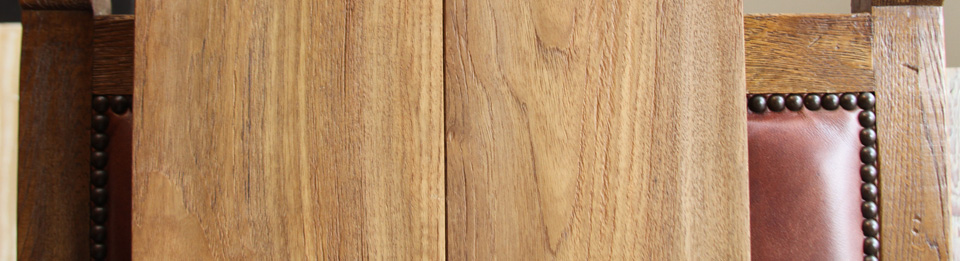
Reclaimed Teak Flooring
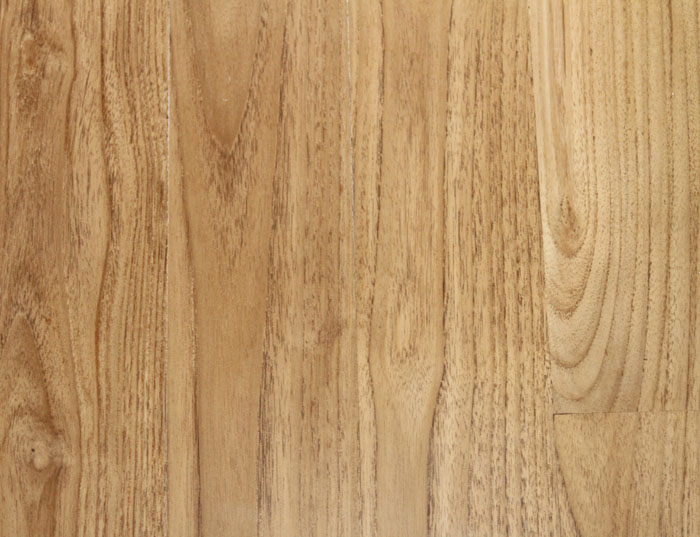 Reclaimed teak flooring represents the ultimate exotic hardwood choice—golden brown to honey-brown color with natural oil content providing unmatched water resistance, exceptional weather durability, and inherent insect resistance that no domestic species can match. Salvaged from deconstructed buildings, warehouses, docks, and even decommissioned ships, reclaimed teak delivers the same legendary performance that has made this Southeast Asian hardwood the premium choice for yacht decks, outdoor furniture, and demanding applications for centuries, now available as stunning interior and exterior flooring.
What makes reclaimed teak wood flooring extraordinary is its cellular structure saturated with natural oils (primarily tectoquinone) and silica that create built-in protection against moisture penetration, fungal decay, termite attack, and weathering damage. These natural oils explain teak's famous "greasy" feel when freshly cut and its remarkable ability to withstand decades of saltwater exposure, tropical humidity, and temperature extremes without rotting, warping, or deteriorating. When you install reclaimed teak flooring, you're choosing material proven to survive the harshest environmental conditions—if it can handle years as a ship deck in the ocean, your kitchen or bathroom presents no challenge.
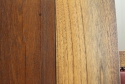
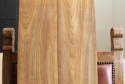
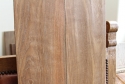
What Makes Reclaimed Teak Special
Solid reclaimed teak flooring offers unique performance characteristics that set it apart from all other hardwood species:
Natural Oil Content: Teak contains exceptionally high concentrations of natural oils within its cellular structure—these oils serve as built-in waterproofing and preservative. When water contacts teak surfaces, the oils repel moisture penetration, preventing the swelling, cupping, and rot that affect most other hardwoods when exposed to water. This oil content is why teak feels slightly oily or greasy to the touch when newly milled and why the wood develops a beautiful patina rather than degrading when exposed to weather. The oil concentration is highest in old-growth teak from slow-grown trees—exactly the material found in reclaimed stock salvaged from historic structures built 50-100+ years ago.
Exceptional Weather Resistance: Teak is the only hardwood species routinely used for permanent outdoor applications without paint, stain, or protective coatings. Marine-grade teak decking on yachts and commercial vessels lasts 30-50+ years exposed to constant saltwater, intense UV radiation, temperature extremes, and mechanical wear—conditions that would destroy oak, maple, or walnut within months. This legendary weather resistance makes reclaimed teak equally suitable for interior flooring (living rooms, kitchens, bathrooms) and exterior applications (covered porches, sunrooms, pool decks, outdoor living spaces). Few other species offer this indoor-outdoor versatility.
Insect and Decay Resistance: Teak's natural oils and high silica content provide inherent resistance to termites, powder post beetles, and other wood-destroying insects. The oils taste bitter to insects and interfere with their digestive processes, while the silica content makes the wood difficult to chew. Additionally, teak is naturally resistant to fungal decay and rot—wood left outdoors unprotected for decades shows minimal deterioration beyond surface weathering. This biological resistance means reclaimed teak flooring requires no chemical treatments, termite barriers, or pest prevention measures that other species might demand in challenging installations.
Dimensional Stability: Despite being an exotic import, teak exhibits excellent dimensional stability—it expands and contracts less with humidity changes than many domestic hardwoods. The dense cellular structure and oil content moderate moisture absorption and release, creating flooring that remains relatively flat and gap-free through seasonal humidity fluctuations. This stability allows wider plank widths (8-12 inches) without excessive seasonal movement concerns.
Historical Provenance: Reclaimed teak carries fascinating provenance—material salvaged from 19th and early 20th-century structures often originated in Southeast Asian old-growth forests (Myanmar/Burma, Thailand, Indonesia) that no longer exist due to deforestation. Some reclaimed teak comes from decommissioned ships or docks where the wood served 50-100 years in marine service before salvage. This historical background adds character and storytelling value to your floors that new plantation teak cannot match.
Teak Color Characteristics and Aging
Understanding teak's color evolution helps set accurate expectations:
Fresh-Cut Appearance: Newly milled teak displays golden brown to honey-brown heartwood coloring with darker brown grain lines creating subtle striping. The sapwood (less common in reclaimed stock) appears lighter—pale yellow to cream. The overall effect is warm, glowing, and decidedly tropical. This fresh golden-brown color is what most people envision when they think "teak," reinforced by decades of teak outdoor furniture, yacht decking, and mid-century modern design associations.
Natural Aging and Patina: Here's where teak differs dramatically from other hardwoods—when exposed to UV light and air (especially outdoors), teak gradually ages from golden brown to silver-gray patina over 6-18 months. This silvering is not degradation or damage; it's a natural oxidation process creating a beautiful weathered appearance highly prized in outdoor applications. The silver-gray patina is actually a thin surface layer—sanding reveals the golden brown color beneath. For interior flooring protected from intense UV, teak darkens slightly and develops richer amber tones rather than silvering, though it still ages more noticeably than most hardwoods.
Maintaining Golden Color vs. Allowing Natural Aging: You can preserve teak's fresh golden-brown color by applying protective finishes (oil-based polyurethane, UV-protective oils) that block UV exposure and slow oxidation. This requires periodic maintenance refinishing but keeps the warm golden appearance indefinitely. Alternatively, many clients prefer teak's natural evolution—allowing the color to deepen indoors or silver outdoors, embracing the patina as part of teak's authentic character. For outdoor teak decking, the silver-gray weathered appearance is considered desirable and maintenance-free. For interior floors, the choice depends on your aesthetic preferences.
Color Variation Within Boards: Teak shows moderate color variation—darker heartwood areas adjacent to knots, lighter sapwood streaks (if present), olive-brown or dark brown grain lines creating striping effects. This variation adds visual interest and organic character. Wide plank teak floors showcase this natural color play more dramatically than narrow strips.
Grain Patterns and Texture
Reclaimed teak wood displays distinctive grain and texture characteristics:
Straight to Slightly Interlocked Grain: Teak grain generally runs straight along plank length, though some boards show slightly interlocked or wavy grain creating subtle ribbon-stripe figure. This grain pattern is less pronounced than oak's dramatic grain or walnut's flowing figure—teak's beauty comes more from color warmth and natural luster than from dramatic grain patterns. The relatively straight grain contributes to teak's good dimensional stability and workability.
Coarse, Open Texture: Teak is classified as coarse-textured with visible open pores similar to oak or ash. However, unlike those species where pores appear as obvious holes requiring grain filler, teak's oily nature partly fills the pores naturally, creating moderately coarse texture that's less aggressive than unfilled oak. The texture feels slightly rough to the touch (especially when weathered) but not splintery—it's a tactile reminder of teak's outdoor-capable durability. For ultra-smooth surfaces, teak can be filled and sanded meticulously, though this compromises some of the material's natural character.
Natural Luster and Sheen: Fresh-cut or newly finished teak exhibits beautiful natural luster—light reflects from the oily surface creating soft glow rather than dead matte appearance. This inherent sheen is one of teak's most appealing qualities, making the wood look expensive and luxurious even without heavy finish buildup. As teak ages and oils migrate to the surface, the luster can actually increase temporarily before eventual weathering (if left unfinished outdoors).
Silica Content Effects: Teak's high silica content (glassy mineral deposits within wood cells) contributes to its hardness and makes it notorious for dulling cutting tools during milling and finishing. This same silica creates very fine surface texture at the microscopic level—part of why finished teak feels uniquely smooth despite its coarse cellular structure. The silica also contributes to teak's scratch resistance and durability underfoot.
Hardness, Durability, and Performance
Solid teak flooring offers specific performance characteristics:
Janka Hardness Rating: 1155: Teak rates 1155 on the Janka hardness scale, placing it in the moderate-to-hard category—harder than walnut (1010), cherry (950), or Douglas fir (660), comparable to hickory sapwood, but softer than red oak (1290), white oak (1360), or hard maple (1450). This moderate hardness means teak dents more easily than very hard domestic species when subjected to impact damage. However, teak's hardness is adequate for most residential and light commercial applications, and what it sacrifices in surface hardness it gains back through superior moisture resistance and weather durability.
Wear Resistance and Longevity: Despite moderate Janka hardness, teak delivers exceptional wear resistance in real-world applications. The combination of natural oils (which lubricate the surface and reduce abrasive wear), silica content (adding scratch resistance), and dense cellular structure creates flooring that wears extremely well over decades of service. Teak yacht decking commonly lasts 30-50 years under constant foot traffic, saltwater exposure, and harsh conditions—far exceeding harder species that would fail quickly in similar environments. For interior residential flooring, properly maintained reclaimed teak easily provides 75-100+ years of service.
Moisture Resistance: This is teak's standout performance advantage—it handles moisture exposure that would destroy most other hardwoods. Teak flooring can be installed in full bathrooms (including wet areas around tubs and showers), kitchens with spill-prone zones, mudrooms, laundry rooms, and even covered outdoor spaces without the cupping, warping, or rot concerns that make these applications risky for oak, maple, or walnut. The key is understanding that while teak resists moisture damage, standing water should still be wiped up promptly and proper drainage ensured in outdoor applications. Teak tolerates moisture; it's not waterproof.
Dimensional Stability: Teak's oil content and dense structure provide very good dimensional stability—it expands and contracts less with seasonal humidity changes than many domestic and exotic species. This stability is critical for wide plank installations (where greater width amplifies seasonal movement) and for installations in climate zones with significant humidity swings. Properly installed and acclimated teak floors gap minimally in dry winter months and show little cupping in humid summer conditions.
Solid Reclaimed Teak Specifications
Our reclaimed teak hardwood flooring is available in the following configurations:
- Widths: 3" to 12" (wider planks showcase teak's color and grain more dramatically)
- Thickness: 3/4" or 7/8" (thicker planks provide additional refinishing potential)
- Standard Lengths: 1.5' to 12' random lengths (creates authentic appearance with varied board lengths)
- Long Lengths: 4' to 16' available (premium selection, limited availability, minimizes seams)
- Profile: Tongue and groove with micro-bevel edges for nail-down installation
- Moisture Content: 6-9% (properly kiln-dried and acclimated for immediate installation)
- Grading: Character grade (includes natural color variation, knots, nail holes, mineral deposits typical of authentic reclaimed material)
- Janka Hardness: 1155 (moderate-to-hard, suitable for residential and light commercial applications)
Width Selection Considerations: Narrow 3-4 inch teak planks create traditional boat deck or Colonial appearance with more seams and busier visual texture. Medium 5-7 inch widths balance character with modern aesthetics. Wide 8-12 inch planks provide dramatic contemporary or tropical appearance showcasing teak's golden brown color and grain figure. Teak's excellent dimensional stability makes it well-suited for wide plank installations that would be risky with less stable species.
Installation Methods for Solid Teak Flooring
Solid reclaimed teak installs similarly to other 3/4-inch hardwoods but with special considerations for teak's oily nature:
Nail-Down Installation Over Wood Subfloors: This is the standard installation method for solid 3/4-inch teak flooring in interior applications. The subfloor must be minimum 5/8-inch plywood or OSB securely fastened to floor joists. After proper acclimation (72-96 hours minimum—teak benefits from longer acclimation than low-oil species), boards are blind-nailed through the tongue using pneumatic nailers with 2-inch cleats or staples. Teak's hardness and silica content can dull nailer points more quickly than softer woods—inspect and replace worn fastener points to ensure proper seating without splitting.
Outdoor and Covered Exterior Installation: For covered porches, sunrooms, or protected outdoor living spaces, teak can be installed using specialized outdoor fastening systems or traditional tongue-and-groove nailing with corrosion-resistant (stainless steel) fasteners. The subfloor structure must allow drainage and air circulation beneath the teak—sleeper systems with gaps between boards are common for true outdoor teak decking. Consult with experienced deck builders for outdoor teak installations as proper drainage and ventilation are critical to long-term performance even for teak's superior weather resistance.
Subfloor Requirements: Wood subfloors for teak must meet standard flatness (within 3/16" over 10 feet), structural soundness, proper gapping (1/8" between panels), and moisture content compatibility (within 4% of teak's moisture content). For outdoor applications, pressure-treated lumber or naturally rot-resistant wood (cedar, cypress) is recommended for subfloor framing. Teak's water resistance does not extend to the subfloor—ensure proper moisture barriers and drainage below teak installations in moisture-prone locations.
Adhesive Considerations: Teak's natural oils can interfere with adhesive bonding if attempting glue-down installation. Water-based or urethane adhesives may not bond well to freshly milled oily teak surfaces. If glue-down installation is required (unusual for solid teak but sometimes specified), the teak surface must be wiped with solvent to remove surface oils before adhesive application, and specialized high-strength adhesives designed for oily woods should be used. For most teak installations, nail-down is strongly preferred over glue-down.
Acclimation Protocol: Proper acclimation is critical for teak. Deliver flooring to installation site 96-120 hours before installation (longer for large projects). Store boxes opened and stacked with stickers (air gaps between layers) in the installation space with climate control at normal conditions. Teak's oil content slows moisture exchange, requiring longer acclimation than dry domestic species. Measure teak moisture content with a pin-type meter (moisture meters designed for oily woods) to confirm equilibrium with site conditions before installation.
Finish Options and Maintenance for Teak Floors
Finishing teak flooring requires understanding the wood's oily nature:
Site-Finished vs. Prefinished: Most reclaimed teak is sold unfinished, with finish applied on-site after installation. This allows custom color matching and proper surface preparation (removing oils that interfere with finish adhesion). Some inventory may be available prefinished, though teak's oily nature makes factory finishing challenging—finishes must be formulated specifically for oily woods or surface oils must be removed before finishing.
Natural Oiled Finishes: The most traditional approach for teak flooring is natural oil finishing using teak oil, tung oil, or Danish oil products. These penetrating oils enhance teak's natural golden color, create low-luster appearance, and require periodic reapplication (every 6-12 months for high-traffic areas) but preserve teak's natural character and tactile qualities. Oiled teak develops beautiful patina over time and can be spot-repaired easily. This is the preferred finish for outdoor teak applications and for interiors where natural, low-maintenance aesthetic is desired.
Polyurethane Finishes: For durable surface protection with minimal maintenance, water-based or oil-based polyurethane can be applied to teak after proper surface preparation. The key is removing or neutralizing surface oils before finishing—wipe teak with mineral spirits or acetone 24-48 hours before polyurethane application to dissolve surface oils. Some installers apply dewaxed shellac as a barrier coat before polyurethane to improve adhesion. Polyurethane provides long-lasting protection (3-7 years between recoats) but covers teak's natural luster with synthetic film finish. Use satin or matte sheens rather than high gloss to maintain natural appearance.
Hard Wax Oil Finishes: Modern hard wax oil products combine penetrating oil with protective wax surface layer, delivering better durability than traditional oils while maintaining natural appearance more successfully than polyurethane. These finishes work well with teak, enhancing the wood's natural color and luster while providing moderate wear resistance. Maintenance involves periodic cleaning with manufacturer-specific products and annual or biannual fresh wax oil applications.
Unfinished Teak (Outdoor Applications): For covered outdoor installations or for clients desiring authentic boat-deck appearance, teak can be left completely unfinished. Unfinished teak weathers naturally to silver-gray patina over 6-18 months, requires zero finish maintenance, and can be restored to golden brown color anytime by sanding or power washing to remove weathered surface layer. This no-finish approach is common for teak decking and porch flooring where natural aging is considered desirable. Regular cleaning (sweeping, washing) is the only required maintenance.
Cleaning and Care: Clean teak floors by sweeping, vacuuming, or dust mopping regularly to remove abrasive grit. For damp mopping, use pH-neutral cleaners designed for oiled woods or hardwood floors—avoid harsh detergents that strip oils. For oiled finishes, periodic fresh oil application maintains protection and appearance. For polyurethane finishes, standard hardwood floor care applies (avoid excessive water, use appropriate cleaners). Teak's natural oils provide inherent protection even if finish wears through in high-traffic areas—the wood itself resists moisture damage.
Design Applications for Reclaimed Teak Flooring
Solid reclaimed teak floors suit specific design aesthetics where their exotic character and performance provide advantages:
Tropical and Resort-Style Interiors: Teak's associations with tropical climates, beach resorts, and island living make it a natural choice for tropical-themed residential and hospitality interiors. The golden brown color evokes warmth and vacation relaxation. Pair teak floors with white walls, natural stone, rattan furnishings, and lush indoor plants for authentic tropical aesthetic. Coastal homes and vacation properties particularly benefit from teak's ability to handle humidity, salt air, and casual beach lifestyle wear.
Mid-Century Modern and Scandinavian Design: Teak was the iconic wood of mid-century modern furniture (1950s-1970s)—choosing reclaimed teak flooring provides period-authentic material perfectly suited to mid-century vocabulary. The warm golden color complements classic mid-century pieces by designers like Hans Wegner, Finn Juhl, and Arne Jacobsen. Scandinavian-influenced interiors benefit from teak's natural warmth balancing the clean minimalism and neutral palettes common in Nordic design. Teak floors ground these spaces with organic texture while maintaining the light, airy aesthetic.
Spa and Wellness Environments: Teak's water resistance and natural warmth make it ideal for spa bathrooms, home wellness rooms, yoga studios, and meditation spaces. The wood's tactile qualities (warm underfoot, slightly textured surface) and association with nature create calming, grounding atmosphere. Teak holds up to steam, moisture, and bare foot traffic better than tile or stone while providing superior comfort. Commercial spas and upscale hotels frequently specify teak flooring in wet areas for its combination of luxury appearance and practical performance.
Indoor-Outdoor Transition Spaces: Teak's unique ability to perform both indoors and outdoors makes it perfect for spaces blurring interior-exterior boundaries—sunrooms with operable walls, covered porches connecting to interior living areas, pool houses, outdoor kitchens with adjacent indoor dining spaces. Using the same teak flooring throughout creates visual continuity and simplifies design while teak handles the moisture and temperature variations these transitional spaces experience.
Marine and Nautical Themes: For waterfront properties, yacht clubs, marine-themed restaurants, or homeowners with boating backgrounds, reclaimed teak flooring provides authentic connection to maritime tradition. The same teak that served as yacht decking now becomes interior flooring, telling stories and honoring craftsmanship. Navy blue, white, and brass accents paired with teak floors create sophisticated nautical aesthetic without kitsch.
High-Moisture Interior Applications: For practical reasons, teak excels in residential and commercial spaces where moisture exposure is unavoidable: full bathrooms (including areas around tubs and showers where most hardwoods fail), mudrooms, laundry rooms, pool changing rooms, commercial kitchens, and restaurant dining areas near bars or kitchens. While proper installation and drainage remain important, teak tolerates occasional water exposure that would necessitate costly repairs with less resistant species.
Solid vs. Engineered Reclaimed Teak Comparison
Understanding differences between solid and engineered teak helps you select the right product:
Construction and Stability: Solid teak is 3/4-inch thick teak from top to bottom. Engineered teak features a thin reclaimed teak wear layer (1/8 to 1/4 inch) bonded to plywood or HDF core. The engineered cross-layer construction provides enhanced dimensional stability, making engineered better for installations over concrete, in basements, over radiant heat, or in extreme humidity environments. Solid teak already offers excellent stability compared to most hardwoods, so the engineered advantage is less dramatic for teak than for less stable species like maple or hickory.
Installation Versatility: Solid teak requires nail-down installation over wood subfloors. Engineered teak can be glued to concrete, floated over concrete, or nailed to wood subfloors. For renovation projects or buildings with concrete slabs, engineered provides installation flexibility. However, teak's natural moisture resistance means it can be installed over properly prepared wood subfloors in more challenging locations than other solid species, reducing engineered's practical advantage somewhat.
Refinishing Potential: Solid 3/4-inch teak allows 3-5 refinishing cycles over 75-150 years of service. Engineered teak with 1/8-inch wear layer allows one light refinishing; 1/4-inch wear layer permits 1-2 refinishings. Given teak's excellent wear resistance and the reality that outdoor teak often goes decades without refinishing (weathering naturally), the reduced refinishing potential of engineered may matter less than with other species. Indoor teak floors can be maintained with oil treatments without full refinishing, extending service life without sanding.
Cost Comparison: Solid reclaimed teak typically costs 10-15% more than engineered teak per square foot. Installation costs are comparable for wood subfloors; engineered saves significantly when concrete subfloors would require building wood subfloor systems first (adding $4-6/sq ft). Given teak's already-premium pricing compared to domestic hardwoods, the percentage difference between solid and engineered teak is substantial in absolute dollar terms.
Appearance and Feel: From visual and tactile perspectives, there's minimal difference between solid and engineered reclaimed teak after installation. Both show the same genuine reclaimed teak surface with authentic color, grain, and character marks. The slight "feel" advantage of solid wood (greater mass underfoot) may be more noticeable with teak than lighter species due to teak's density.
Reclaimed Teak vs. Other Exotic Hardwoods
Comparing reclaimed teak to alternative premium species:
Teak vs. Brazilian Cherry (Jatoba): Brazilian cherry offers deeper reddish-brown color and superior hardness (2350 Janka vs. teak's 1155) at similar or slightly lower cost. However, Brazilian cherry lacks teak's natural oil content, water resistance, and insect resistance. Choose Brazilian cherry for maximum hardness and dramatic color; choose teak for moisture resistance and exotic character with proven outdoor performance.
Teak vs. Ipe (Brazilian Walnut): Ipe delivers extreme hardness (3680 Janka), dark brown color, and excellent weather resistance at comparable price points to teak. Ipe is commonly used for outdoor decking. However, ipe is much harder to work with (dulls tools even faster than teak), lacks teak's warm golden color and natural luster, and presents sustainability concerns depending on harvest source. Both offer excellent moisture resistance; teak provides warmer aesthetic and established marine heritage.
Teak vs. Bamboo: Strand-woven bamboo offers comparable hardness (1300-3000 Janka depending on processing), moisture resistance, and exotic appearance at 30-50% lower cost than teak. However, bamboo is technically a grass (not wood), lacks teak's historical provenance and luxury associations, and quality varies widely by manufacturer. Choose teak for authentic hardwood with proven multi-century track record; choose bamboo for budget-conscious sustainable alternative.
Teak vs. Domestic Alternatives: No domestic North American species matches teak's combination of moderate hardness, high moisture resistance, insect resistance, and natural oil content. Walnut provides comparable color warmth but lacks moisture resistance. White oak offers good moisture resistance but lighter color and different aesthetic. For applications requiring teak's specific performance profile, domestic alternatives represent compromises rather than true equivalents.
Environmental Considerations
Choosing reclaimed teak flooring involves environmental factors worth understanding:
Old-Growth Deforestation Concerns: Most of the world's old-growth teak forests in Southeast Asia were logged decades ago, with remaining old-growth teak now protected or severely restricted. New teak comes primarily from managed plantations in Indonesia, India, and Latin America. By choosing reclaimed teak salvaged from deconstructed buildings, you're consuming wood harvested 50-100+ years ago rather than contributing to current demand driving ongoing plantation expansion or illegal logging in protected forests.
Diverts Material from Waste Streams: Reclaimed teak represents material salvaged from demolition waste that would otherwise be landfilled or burned. By creating economic value for salvaged teak, you support deconstruction industries that carefully dismantle structures to recover valuable materials rather than demolishing them. This extends the service life of lumber harvested decades ago, maximizing the value extracted from historical logging.
Carbon Sequestration Extension: The teak trees that produced your flooring absorbed atmospheric carbon 75-150+ years ago. Keeping that wood in service (rather than decomposing or burning) extends carbon storage for another 50-100 years of floor service, delaying carbon release back to the atmosphere by 125-250+ total years from original absorption.
Sustainability Certifications: If new teak is specified instead of reclaimed, ensure FSC (Forest Stewardship Council) certification confirming the teak comes from responsibly managed plantations rather than illegal old-growth logging. Reclaimed teak bypasses these concerns entirely by reusing already-harvested material.
Longevity as Environmental Benefit: Teak's exceptional durability means floors can last 100+ years with minimal maintenance—far longer than bamboo, cork, or even most domestic hardwoods. This longevity reduces long-term material consumption (no replacement flooring needed) and embodied energy costs (no repeated manufacturing and installation cycles). A floor that lasts three times longer has one-third the environmental impact per year of service.
Pricing and Investment Value
Reclaimed teak hardwood flooring commands premium pricing reflecting its exotic status and superior performance:
Material Cost: Expect to pay $14-24 per square foot for reclaimed teak flooring depending on width, length, grade/character level, and current supply availability. This is 40-80% more expensive than premium domestic species like reclaimed walnut ($10-18/sq ft) or reclaimed oak ($8-14/sq ft), but comparable to or slightly less than other premium exotics like ipe ($16-28/sq ft) or Brazilian cherry ($12-22/sq ft). Within teak pricing, wider planks, longer lengths, and cleaner grades command 15-30% premiums.
Installation Cost: Professional nail-down installation of solid teak costs $5-8 per square foot including labor, specialized fasteners (corrosion-resistant for outdoor applications), and site prep. Teak's hardness and silica content increase labor time slightly compared to softer species, reflected in installation pricing. For outdoor applications, installation costs increase to $8-12/sq ft due to additional substructure requirements and weatherproofing details.
Finishing Cost: Budget $3-6 per square foot for professional site-finishing. Teak finishing requires special surface preparation (oil removal) and specialized products designed for oily woods, increasing costs compared to standard hardwood finishing. For natural oiled finishes, initial application costs are lower ($2-4/sq ft) but require periodic maintenance reapplication.
Total Installed Cost: Complete interior teak flooring projects typically cost $22-38 per square foot (material + installation + finishing). Outdoor teak deck installations cost $27-46/sq ft including specialized substructure. While expensive, this represents permanent installation providing 75-150 years of service with minimal maintenance—comparable annualized cost to mid-range carpet that requires replacement every 10-15 years.
Value Retention: Teak flooring is recognized as premium upgrade material that increases property values. Potential buyers and appraisers recognize teak's exotic status, performance capabilities, and cost, translating to higher resale values compared to standard oak or maple flooring. For waterfront properties, resort-style homes, or luxury markets, teak flooring represents expected finish quality that helps properties command premium pricing.
Why Choose Walter's Flooring for Reclaimed Teak
Our specialized focus on reclaimed materials ensures superior quality and service:
Verified Reclaimed Sourcing: We maintain relationships with international salvage operations and building deconstruction companies accessing genuine reclaimed teak with documented provenance. We can often provide history of your flooring—the structure it was salvaged from, original construction date, and geographic origin. This verified sourcing ensures authentic reclaimed teak rather than plantation teak artificially aged or distressed to simulate reclaimed character.
Quality Grading and Selection: Our team inspects reclaimed teak before processing, balancing desirable character (color variation, natural patina, grain figure) with structural integrity. We remove material with extensive rot, severe checking, or marine borer damage while preserving authentic character marks that make reclaimed teak valuable. For clients with specific preferences, we can sort toward particular characteristics: uniform golden color, dramatic color variation, or heavily characterized material with nail holes and weathering marks.
Specialized Processing for Oily Woods: Teak's high oil content and silica create unique milling challenges requiring specialized equipment and techniques. Our processing partners use carbide-tipped tooling designed for abrasive exotic species, achieving precise tongue-and-groove profiles and smooth surfaces despite teak's hardness. Proper milling is critical—poorly milled teak with dull tooling shows torn grain, fuzzy surfaces, and imprecise joints that compromise installation quality.
Custom Capabilities: Beyond standard configurations, we execute custom teak specifications: specific widths for pattern installations, exact length requirements, particular moisture content targets for challenging climates, custom surface texturing (smooth-planed vs. rough-sawn), or specialized edge profiles. Historic renovation projects requiring teak integration with existing floors benefit from our custom milling capabilities.
Technical Guidance: From product selection through long-term maintenance, our team provides experienced guidance on teak-specific considerations: oil removal before finishing, appropriate finish products for oily woods, outdoor installation best practices, natural aging vs. preserved golden color maintenance, and troubleshooting teak's unique characteristics. For challenging projects, we offer site-specific recommendations preventing costly mistakes.
Request Samples and Begin Your Project
Experience the quality of solid reclaimed teak flooring firsthand by requesting samples. We'll send representative pieces showing the golden brown color, natural grain patterns, oily texture, and authentic character marks you can expect. Evaluate samples in your space under your lighting, feel the wood's unique oily texture, and observe how teak's natural luster responds to light differently than domestic hardwoods.
Request free samples or request a project quote to start the process. Our team will discuss your square footage, subfloor type, interior vs. exterior application, moisture exposure considerations, aesthetic preferences, and design goals to provide accurate recommendations and pricing tailored to your specific project.
For immediate assistance or to visit our showroom, call us at 213-792-5908 or stop by 9216 S. Vermont Ave, Los Angeles, CA 90044. We're open Monday through Friday, 8:00 AM to 5:00 PM, ready to help you discover why solid reclaimed teak flooring from Walter's Flooring represents the ultimate combination of exotic beauty, legendary moisture resistance, proven durability, and authentic historical character for your premium hardwood flooring project.
Solid Teak Flooring Specifications
- Widths: 3" to 12"
- Thickness: 3/4" or 7/8"
- Standard Lengths: 1.5' to 12'
- Long Lengths: 4' to 16' (premium selection)
- Profile: Tongue and groove
- Moisture Content: 6-9%
- Janka Hardness: 1155
Antique / Vintage Wood Flooring Styles
|
 |
Finish Coat Options
- Water Base Polyurethane Finish (requires surface preparation for oily woods)
- Tung Oil Finish (traditional for teak)
- Teak Oil or Danish Oil (enhances natural color and luster)
- Hard Wax Oil Finish (modern alternative with good durability)
- Natural Weathering (unfinished for outdoor applications)
Color Selection
- Natural Golden Brown: Teak's authentic fresh-cut color with warm honey tones
- Oiled Natural: Enhanced golden color with natural luster from teak oil treatments
- Aged Amber: Deepened warm brown developing in UV-protected interior installations
- Weathered Silver-Gray: Natural outdoor patina developing over 6-18 months
- Honey and Golden Tones: Teak's signature warm color palette
- Medium Brown: Slightly darkened teak with oil or stain
- Custom Color Matching: Available for specific design requirements
Installation Options
- Nail Down (standard for interior solid teak over wood subfloors)
- Outdoor Decking Installation (specialized fastening systems for covered exterior applications)
- Not Recommended: Glue Down (teak's oils interfere with adhesive bonding - use engineered teak for glue-down applications)
- Not Recommended: Floating (use engineered teak for floating installations)
Installation Techniques
|
|