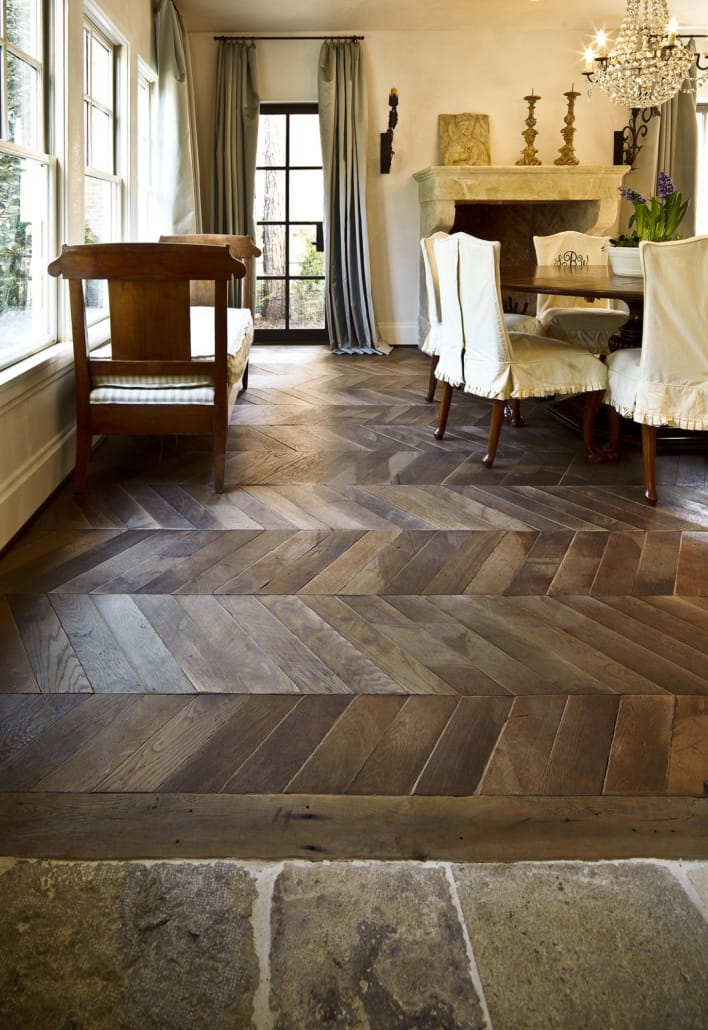
Herringbone Parquet Flooring - Classic Zigzag Excellence
Herringbone parquet flooring represents the most enduring and versatile geometric wood flooring pattern, featuring distinctive V-shaped zigzag arrangements that have graced the finest homes and estates for centuries. This classic parquet flooring style combines timeless visual appeal with practical versatility, working equally well in traditional formal spaces and contemporary minimalist interiors. The pattern comes in various sizes from narrow 1-inch strips to modern wide-plank formats measuring 12 inches or more, with the most popular traditional dimensions being 3x11 inches and 3x16 inches.
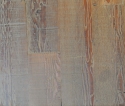
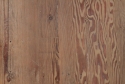
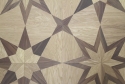
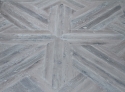
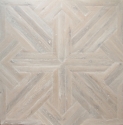
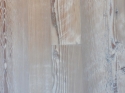
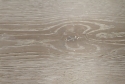
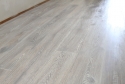
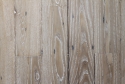
Herringbone Parquet Gallery
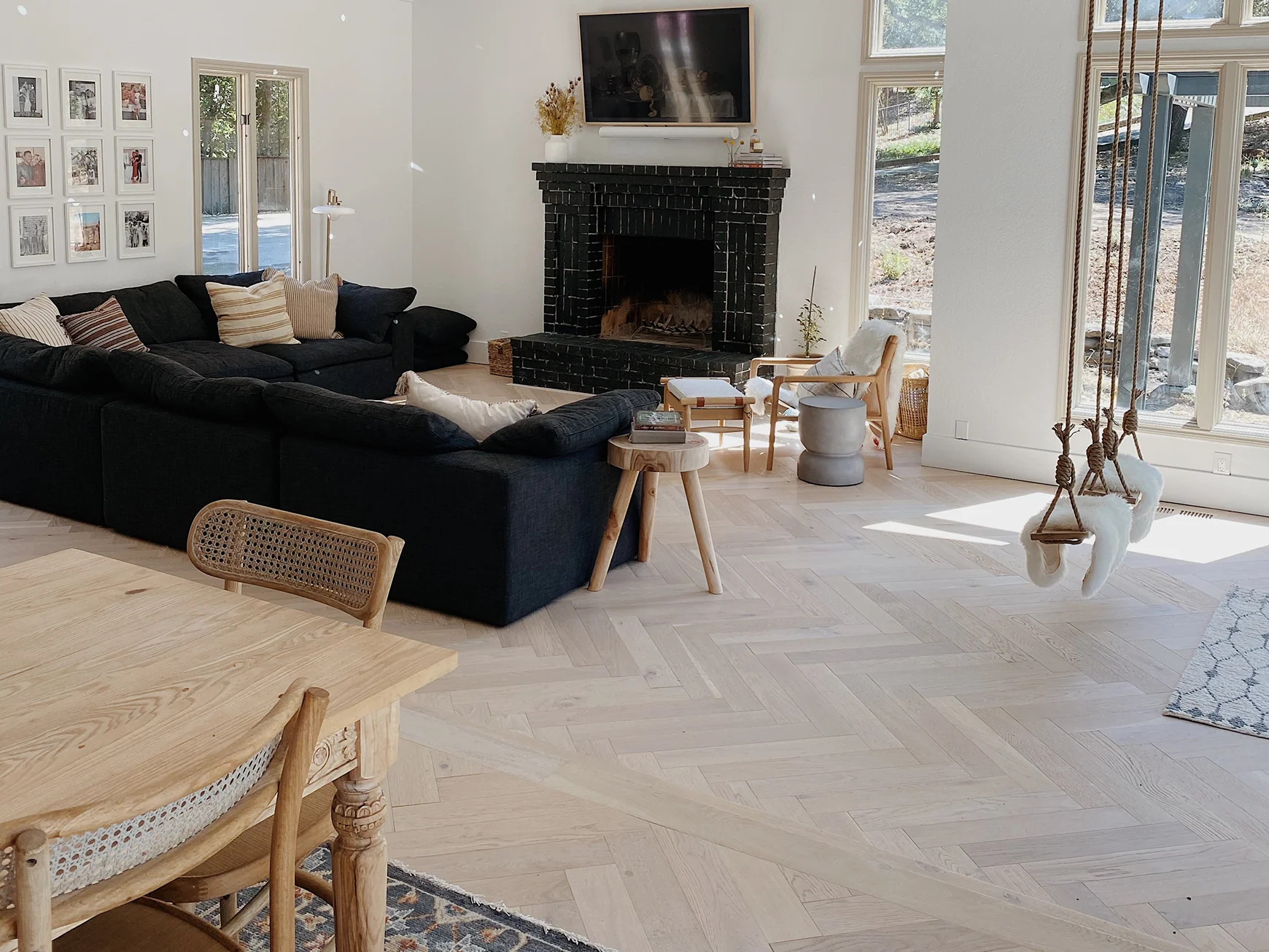
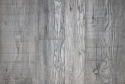
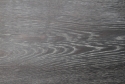
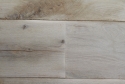
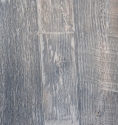
White Oak Herringbone - Natural Finish |
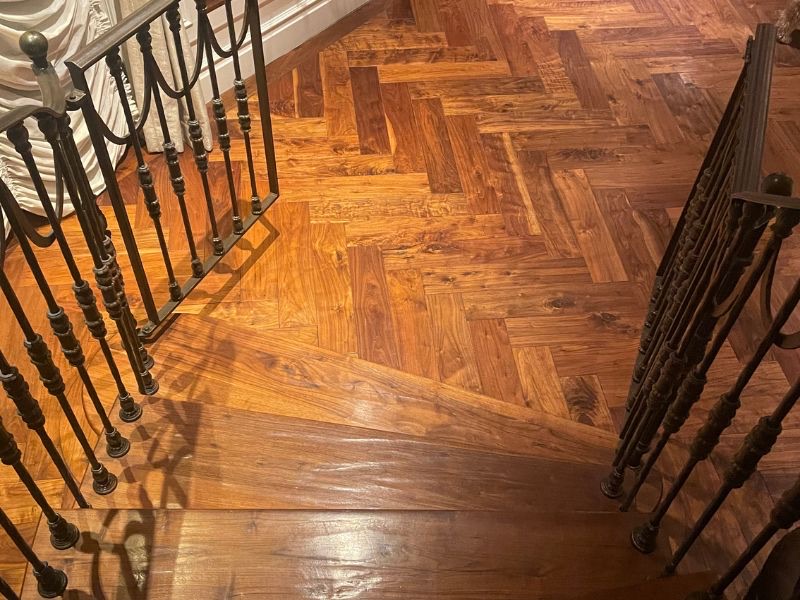
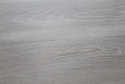
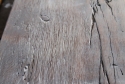
Walnut Herringbone - Classic 3x16 |
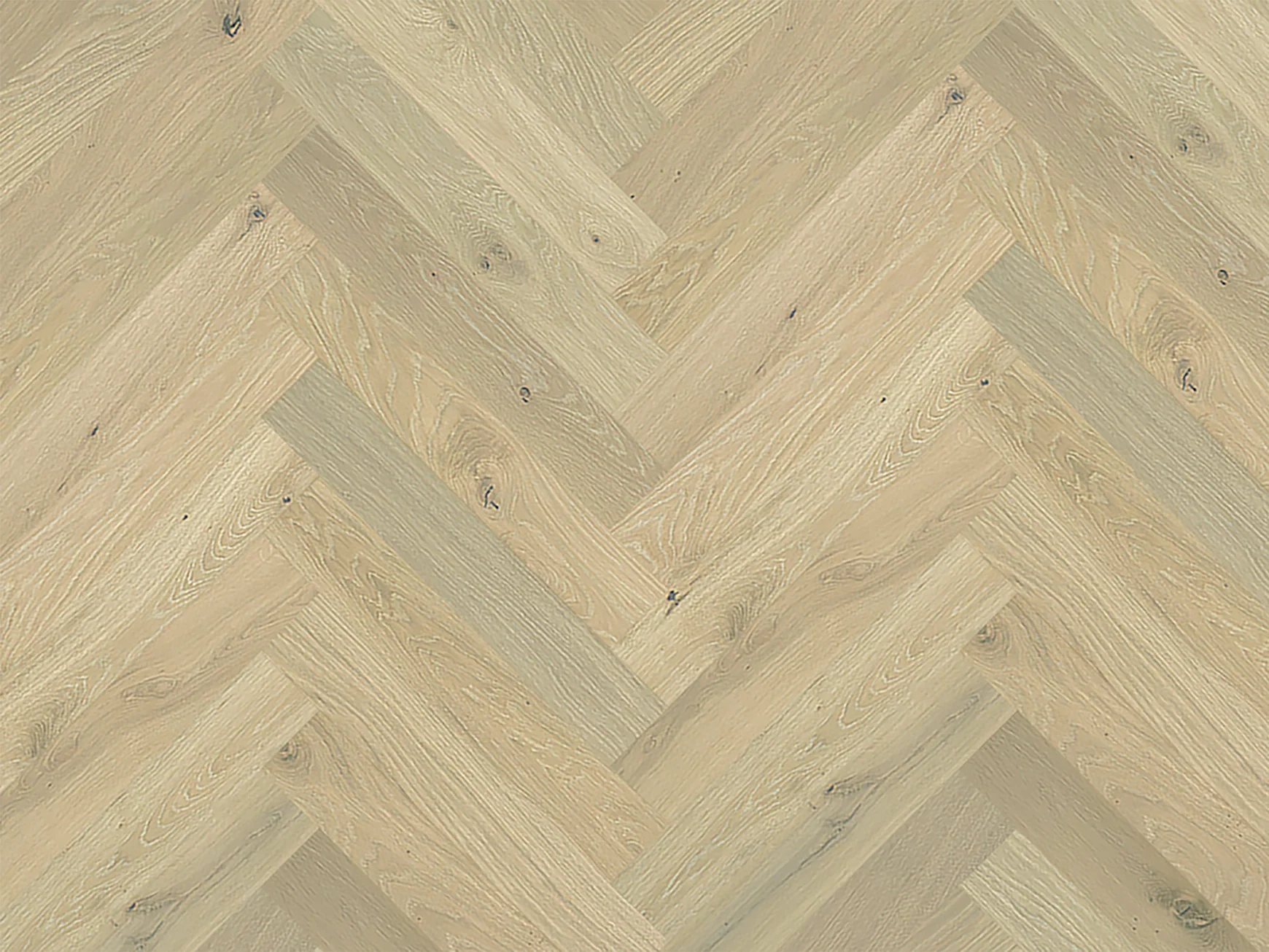
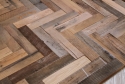
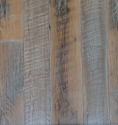
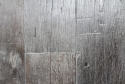
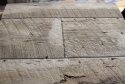
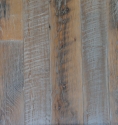
Reclaimed Oak Herringbone |
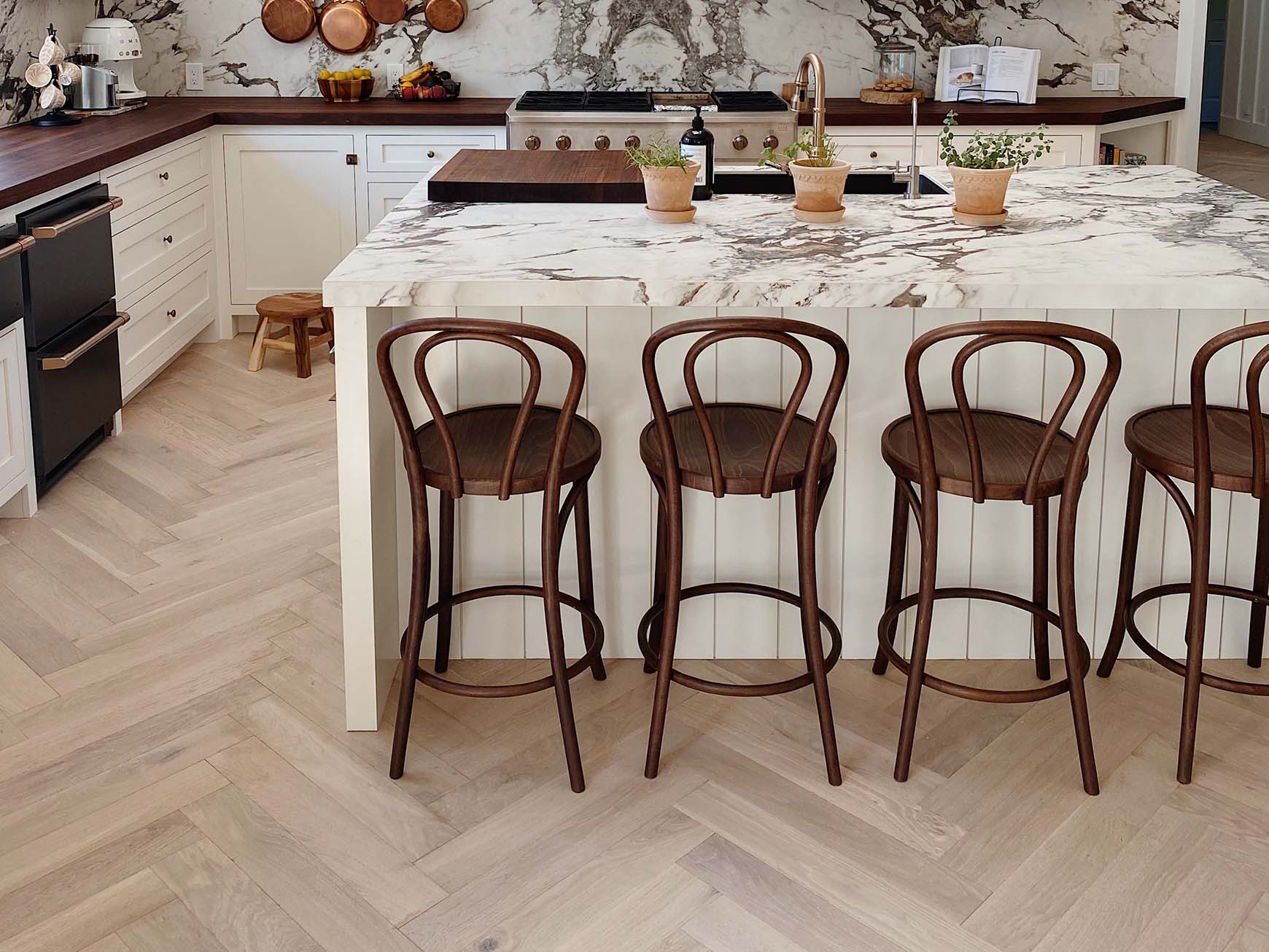
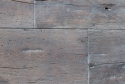
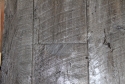
Wide Plank Herringbone - Contemporary |
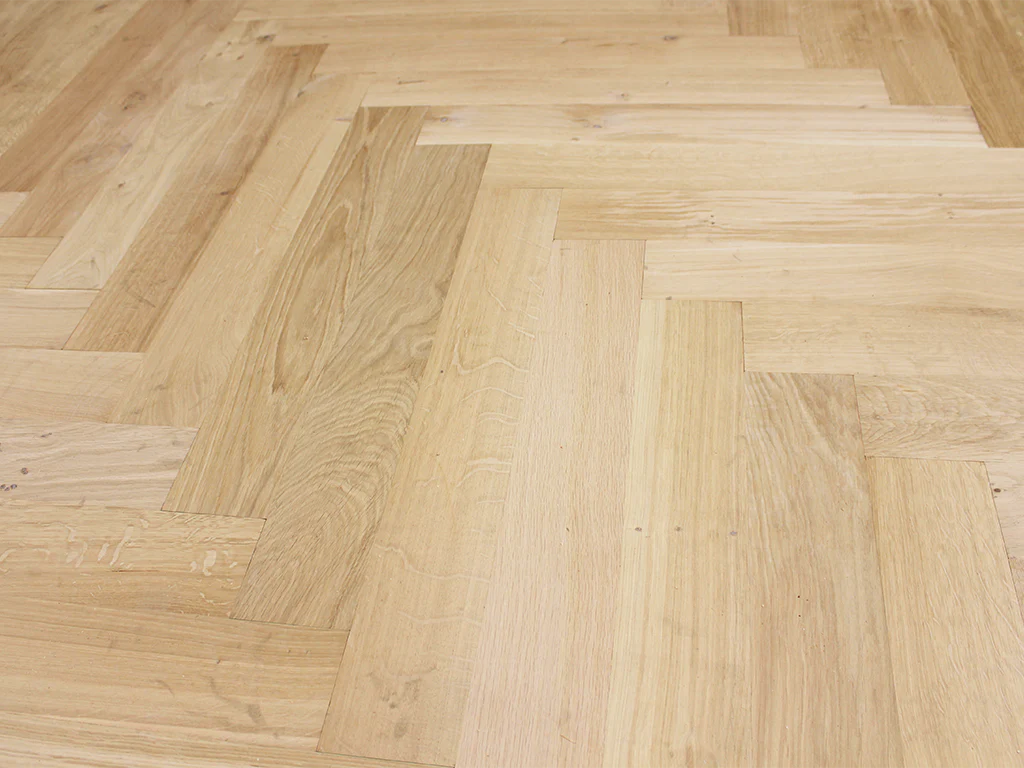
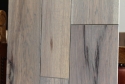
Hard Maple Herringbone - Light Tone |
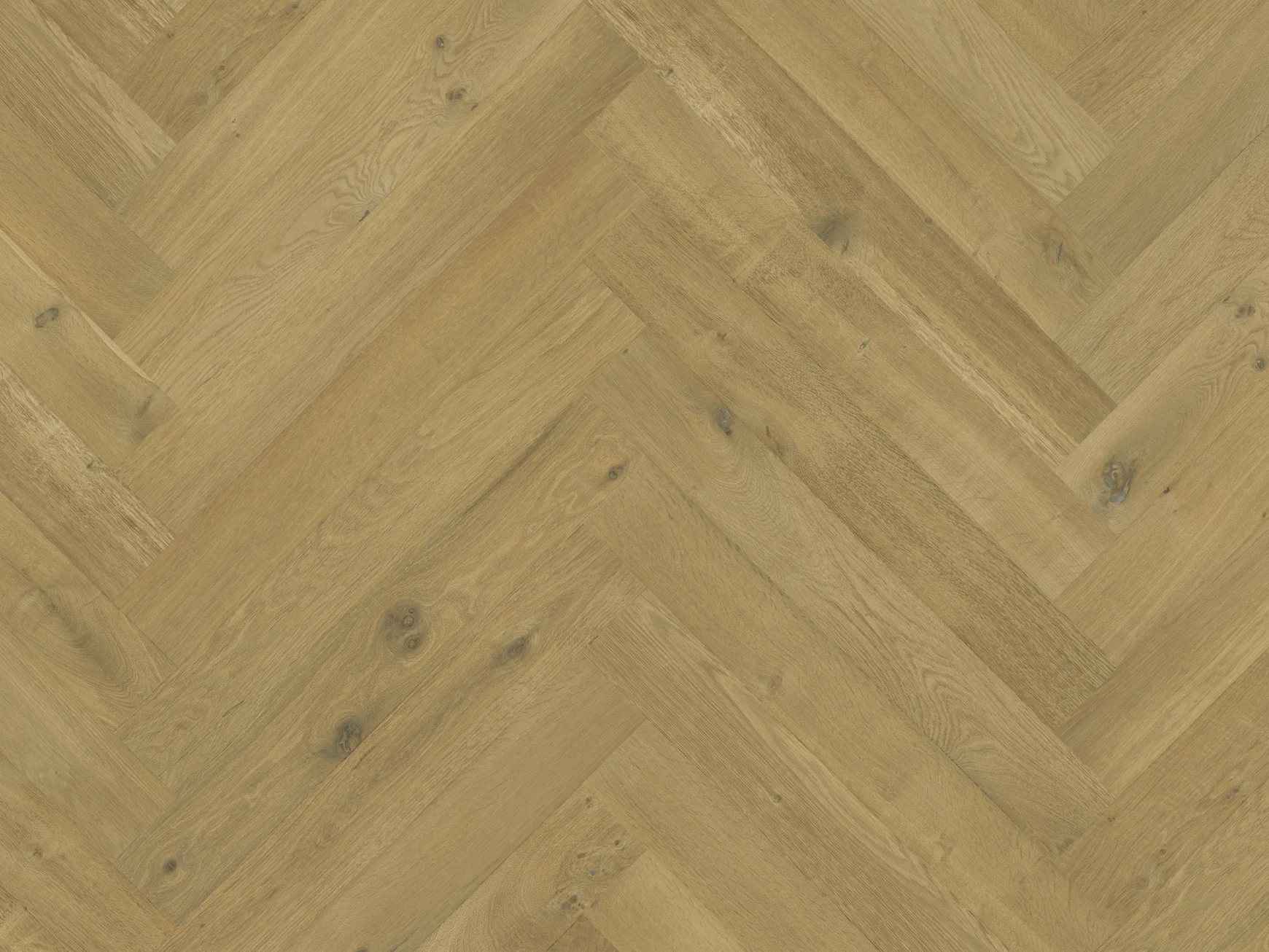
Oak Herringbone - Espresso Stain |
Related Parquet and Hardwood Flooring Products

Pattern Design Characteristics
The herringbone pattern creates visual sophistication through simple geometric repetition, featuring rectangular wood pieces laid at 90-degree angles to create the distinctive V-shaped zigzag motif. Unlike more complex parquet patterns requiring elaborate cutting and multiple wood species, herringbone achieves its impact through pure geometry and directional grain orientation.
Each rectangular piece meets the next at right angles, with the end of one plank abutting the side of the adjacent piece, creating the characteristic "broken zigzag" pattern resembling fish bones—hence the name. This geometric arrangement creates visual movement and rhythm that draws the eye across the floor surface while maintaining clean lines suitable for both classical and contemporary design aesthetics.
The pattern's diagonal orientation at 45 degrees to room walls creates visual interest and can make spaces appear larger by drawing attention along the pattern's diagonal flow. The repetitive V-formation provides more visual texture than straight-plank flooring without the ornamental complexity of medallion-style parquet patterns like Palace or Louvre parquet.
Wood Species Selection for Herringbone
White oak represents the classic herringbone species, offering excellent durability (Janka 1360), beautiful grain figuring, and warm honey tones that age gracefully. The species accepts stains exceptionally well while maintaining natural character, allowing for color customization from pale whitewash to deep espresso finishes. Quarter-sawn white oak proves particularly desirable for herringbone because its straight grain orientation enhances the pattern's linear elements without competing visual complexity.
Red oak provides a more affordable alternative while delivering pinkish-tan warmth and prominent cathedral grain patterns. The natural color variation within red oak (Janka 1290) creates subtle visual interest across herringbone's repetitive geometry. This species works particularly well in traditional and country-style interiors where its rustic character complements casual design aesthetics.
American black walnut brings rich chocolate-brown sophistication to herringbone installations. The species' natural oils contribute to dimensional stability, reducing seasonal expansion and contraction that can stress parquet joints. While slightly softer than oak (Janka 1010), walnut's hardness remains suitable for most residential applications, and its dramatic coloring creates luxury ambiance in formal spaces.
Hard maple offers exceptional durability (Janka 1450) in light cream tones, perfect for Scandinavian-inspired or modern minimalist designs. Its subtle grain allows herringbone's geometric pattern to dominate visually without grain figure creating competing patterns. Maple's consistent coloring produces uniform herringbone installations ideal for contemporary spaces valuing clean, uncluttered aesthetics.
Reclaimed species including oak, chestnut, Douglas fir, or mixed woods deliver authentic historical character with naturally aged patina, nail holes, saw marks, and weathering. Reclaimed oak herringbone celebrates imperfections as design features, perfect for farmhouse, industrial, or rustic contemporary styles where aged character enhances rather than detracts from the pattern's appeal.
Installation Planning and Layout Considerations
Professional installation proves essential for herringbone parquet, despite being simpler than palace medallion patterns. The geometric precision required demands experienced craftsmen familiar with pattern layout, diagonal orientation, and border treatments. Installation typically begins by establishing center reference lines, then running the herringbone "spine" at 45 degrees to room walls for balanced proportions.
Subfloor preparation must create exceptionally flat, stable surfaces. Even minor undulations cause individual parquet pieces to sit at different heights, creating visible ridges across the pattern and accelerating localized wear. Professional installers use self-leveling compounds over concrete or plywood subfloors, then apply moisture barriers before beginning herringbone installation.
The glue-down method provides optimal results for herringbone patterns. High-quality urethane adhesives create flexible yet strong bonds that keep geometric pieces precisely aligned over decades. Each plank must be individually positioned and firmly pressed, with periodic alignment checks ensuring the pattern remains true as installation progresses from center outward.
Border treatments handle the transition where herringbone zigzags meet room perimeters. Options include straight-cut borders using the same wood species, contrasting borders creating frame effects, or mitered borders turning corners cleanly. Border widths typically range 3-8 inches depending on plank size and room scale, with wider borders suiting larger spaces and wider herringbone planks.
Design Applications and Architectural Integration
Formal entry halls benefit enormously from herringbone parquet's immediate visual impact. The pattern creates sophisticated first impressions while remaining practical for high-traffic areas. In foyers measuring 150 square feet or larger, herringbone can extend wall-to-wall, or transition to simpler oak plank flooring in adjacent rooms through contrasting border treatments.
Modern open-concept spaces use wide-plank herringbone (5-8 inches wide) to add visual interest without compromising contemporary clean-line aesthetics. The pattern's geometry provides subtle space definition in open floor plans, creating visual zones without requiring walls or partitions. Light oak or maple species maintain bright, airy modern atmospheres while herringbone adds warmth traditional to hardwood.
Traditional dining rooms gain formal elegance from classic 3x11-inch or 3x16-inch herringbone in medium-tone oak or rich walnut. The pattern complements period architectural details like crown molding, wainscoting, and coffered ceilings, creating cohesive traditional design. When dining tables are removed for cleaning or entertaining preparation, herringbone becomes a decorative focal point revealing the full artistry of the installation.
Modern farmhouse interiors embrace reclaimed oak herringbone with wire-brushed or hand-scraped finishes enhancing aged character. The pattern's European heritage balances rustic reclaimed materials, preventing spaces from appearing too casual or unfinished. Pair reclaimed herringbone with shiplap walls, exposed beams, and industrial lighting for authentic farmhouse aesthetics.
Custom Design Options and Size Variations
Narrow strip herringbone (1-2 inches wide, 6-8 inches long) creates delicate, intricate surfaces with frequent pattern repetition ideal for smaller rooms where larger planks would overwhelm proportions. The fine scale reads as traditional parquet with classical European character. Installation labor increases significantly due to higher piece counts per square foot, typically adding $10-15 per square foot to installation costs.
Classic parquet dimensions of 3x11 inches and 3x16 inches represent the most popular and versatile herringbone formats. The 11-inch length works beautifully in standard residential rooms (150-250 sq ft), while 16-inch lengths suit larger spaces and create more contemporary proportions. These dimensions balance pattern visibility with installation efficiency and material costs.
Wide-plank contemporary herringbone uses 5-inch to 8-inch widths in lengths reaching 24-30 inches or longer. These dramatic modern interpretations make bold architectural statements in open-concept spaces and large rooms exceeding 400 square feet. The increased plank size reduces piece count per square foot, sometimes offsetting the premium material costs of wider boards through reduced installation complexity.
Multi-species herringbone alternates contrasting wood species to emphasize the zigzag pattern through color differentiation. Common combinations include walnut alternating with maple, or dark-stained oak with natural oak. This approach creates high-contrast visual drama while maintaining herringbone's clean geometric character.
Finishing Options and Surface Protection
Oil-based polyurethane finishes provide exceptional durability and tend to even out slight color differences between adjacent planks, creating unified appearance across the herringbone pattern. These finishes develop warm amber tones as they age, complementing traditional design aesthetics. Expect 3-4 coats for adequate protection, with light sanding between coats for optimal adhesion.
Water-based polyurethane preserves natural wood colors without amber toning, ideal for contemporary spaces featuring light oak or maple herringbone. While requiring 4-5 coats to match oil-based durability, water-based finishes dry faster, produce less odor, and maintain clarity that keeps white-washed or natural finishes looking fresh decades longer.
Natural oil finishes penetrate wood fibers rather than creating surface films, enhancing grain depth and providing matte appearances valued in Scandinavian and minimalist designs. Oils require more frequent reapplication than polyurethanes but simplify spot repairs and routine maintenance. Popular oil options include Danish oil, Rubio Monocoat, and traditional tung oil formulations.
Custom staining before finish application allows precise color control. Popular directions include driftwood grays, weathered whites, honey ambers, and deep espresso browns. Staining herringbone requires careful application ensuring consistent color across all plank surfaces, as diagonal grain orientations can cause uneven stain absorption creating unintended color variation.
Maintenance Requirements and Long-Term Care
Daily cleaning with soft-bristle brooms or microfiber dust mops prevents abrasive dirt particles from settling into joints between herringbone pieces where they accelerate wear. The pattern's multiple joints create more seams than plank flooring, requiring slightly more attention to regular cleaning preventing dirt accumulation.
Vacuum cleaners should use hardwood floor attachments disabling rotating brushes that can catch on herringbone edges, potentially damaging the intricate geometric pattern. Canister vacuums with dedicated hardwood settings prove ideal, combining suction power with gentle contact preventing surface scratching.
Refinishing capability depends on original material thickness. Traditional 3/4-inch solid herringbone allows 4-6 refinishing cycles over the floor's lifetime. Thinner parquet versions (1/4 to 3/8 inch) may tolerate only 1-2 refinishes. Wide-plank engineered herringbone typically allows 1-3 refinishes depending on wear layer thickness (3-6mm layers refinish better than thin 1-2mm veneers).
Humidity control maintaining 35-55% relative humidity year-round minimizes seasonal wood movement stressing glue joints between pattern elements. Whole-house humidification in winter combined with air conditioning or dehumidifiers in summer creates stable conditions preserving herringbone's tight, precise appearance for decades. Wood movement shows more visibly in geometric patterns than random plank arrangements, making environmental control particularly important.
Historical Context and Contemporary Revival
Herringbone patterns appeared first in ancient Roman road construction, where bricks laid in V-formations provided structural stability and water drainage superior to straight arrangements. The technique migrated to interior wood flooring during the Renaissance as European craftsmen applied geometric principles to decorative parquet installations in palaces and estates.
By the 18th and 19th centuries, herringbone had become the standard parquet pattern across Europe, particularly in France and England. The Palace of Versailles features extensive herringbone oak flooring throughout formal reception rooms and royal apartments. In England, Georgian and Victorian homes incorporated herringbone in entrance halls and formal parlors, establishing the pattern as a hallmark of refined taste and quality construction.
American adoption followed in the late 19th century, with herringbone appearing in grand hotels, government buildings, and luxury residences from New York to San Francisco. The pattern experienced renewed popularity during the mid-century modern movement (1950s-1960s), where its clean geometry complemented streamlined furniture and architectural forms emphasizing horizontal lines and open spaces.
Today's design renaissance embraces herringbone across all interior styles from traditional to contemporary minimalist. The pattern's proven versatility, timeless appeal, and ability to add visual interest without overwhelming spaces ensures continued popularity in both residential and commercial applications worldwide.
Comparing Herringbone to Other Parquet Patterns
Chevron parquet represents herringbone's close cousin, using planks with angled ends (typically 45 or 60 degrees) that meet point-to-point creating continuous V-patterns without breaks. While herringbone features rectangular pieces with 90-degree ends creating "broken" zigzags, chevron's unbroken lines appear more formal and contemporary. Installation requires precision angle cutting, increasing labor costs 15-25% compared to herringbone's simpler rectangular pieces.
Palace parquet incorporates elaborate medallions, multiple wood species, and ornamental motifs far more complex than herringbone's straightforward geometry. While both patterns create visual drama, Palace parquet demands exponentially higher craftsmanship, material costs ($85+ per square foot), and installation expertise. Herringbone offers some parquet sophistication at fraction of Palace costs.
Louvre parquet features diamond shapes and geometric borders creating continuous patterns across floor surfaces. The complexity level exceeds herringbone significantly, with material and installation costs reaching $100-230 per square foot installed compared to herringbone's $25-65 per square foot typical range. Louvre suits formal estates and luxury properties; herringbone works across broader property values.
Versailles parquet uses square panels with diagonal inlays creating different geometric interest than herringbone. The square format aligns more easily with standard room dimensions, potentially reducing waste and installation complexity. However, Versailles lacks the visual movement and directional flow that make herringbone so engaging across large floor areas.
Investment Value and Pricing Considerations
Material costs for herringbone parquet typically range $8-25 per square foot depending on wood species, plank dimensions, and whether solid or engineered construction. Common species (red oak, white oak) in standard 3x11-inch format start around $8-12 per square foot. Premium species (walnut, reclaimed oak) or wide planks range $15-25 per square foot. Exotic species (Brazilian cherry, teak) can reach $30-40 per square foot for materials alone.
Installation labor adds $8-20 per square foot for experienced parquet installers. Total installed costs typically range $16-45 per square foot for complete herringbone projects including materials, installation, and finishing. This represents 30-60% premium over comparable straight-plank installation but 40-60% savings compared to palace or Louvre parquet patterns.
Long-term value makes herringbone economically attractive beyond initial costs. Properly maintained herringbone floors last 75-100+ years, far exceeding any other flooring material's lifespan. The pattern's timeless appeal means installations remain aesthetically current across changing design trends, avoiding the obsolescence affecting many contemporary flooring products.
Resale value impact proves consistently positive in competitive real estate markets. Quality hardwood floors rank among top three features buyers seek, and distinctive patterns like herringbone create memorable impressions during showings. The premium paid for herringbone installation typically returns 75-100% upon resale, with some luxury markets seeing complete cost recovery plus appreciation.
Herringbone vs. Chevron Technical Comparison
The distinction between herringbone and chevron causes frequent confusion, yet the patterns create markedly different visual effects and present different installation challenges.
Herringbone construction: Rectangular pieces with 90-degree square ends meet at right angles, with plank ends abutting adjacent plank sides, creating "broken" V-patterns with visible joints where pattern changes direction. Installation uses standard rectangular stock without special cutting beyond border pieces, making it more accessible and economical.
Chevron construction: Each plank's ends are cut at precise angles (most commonly 45 degrees) so planks meet point-to-point forming continuous V-patterns without breaks. Every piece requires angle cuts at both ends, dramatically increasing labor time, material waste, and skill requirements. The continuous zigzags create more formal, linear appearance valued in contemporary and luxury installations.
Both patterns work beautifully—choice depends on aesthetic preferences, budget parameters, and design context. Herringbone feels slightly more relaxed and traditionally European; chevron appears more contemporary, precise, and formal. Cost differences of 20-30% favor herringbone for budget-conscious projects.
Visit Our Los Angeles Showroom
Experience the beauty and craftsmanship of herringbone parquet flooring in person at our Los Angeles showroom. We maintain extensive herringbone samples in various wood species, plank sizes, and finish options, allowing you to see actual materials and pattern configurations before making final decisions.
Our design specialists provide personalized consultations discussing project requirements, reviewing species options, and developing detailed proposals addressing material selection, pattern sizing, installation planning, and finishing specifications. We can connect you with experienced installation craftsmen or provide materials for your contractor.
Contact Walter's Flooring today to schedule your herringbone consultation:
Phone: 213-792-5908
Email: info@legnohardwood.com
Address: 9216 S. Vermont Ave, Los Angeles, CA 90044
Showroom Hours:
Monday - Friday: 8:00 AM - 5:00 PM
Saturday & Sunday: By Appointment
Whether planning new construction, historic restorations, or residential renovations, Walter's Flooring delivers the expertise, materials, and craftsmanship needed to create extraordinary herringbone parquet installations that define quality hardwood flooring at its finest.
Related Parquet and Hardwood Flooring Products
Explore Expanded Options
Browse additional parquet patterns, wood species combinations, and custom geometric designs not shown on this page.
View Full Gallery →