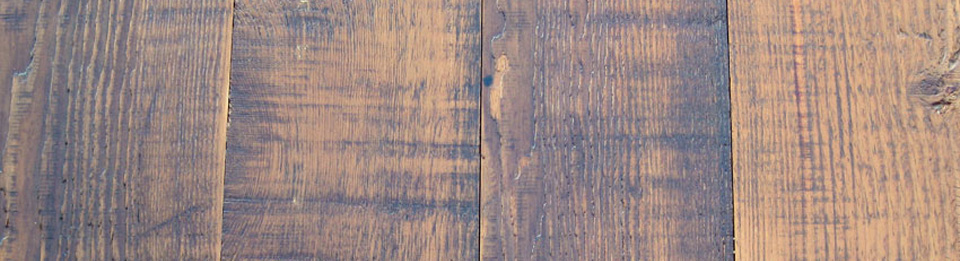
Reclaimed Wirebrush Oak Flooring - Maximum Character Through Historic Salvage and Enhanced Texture
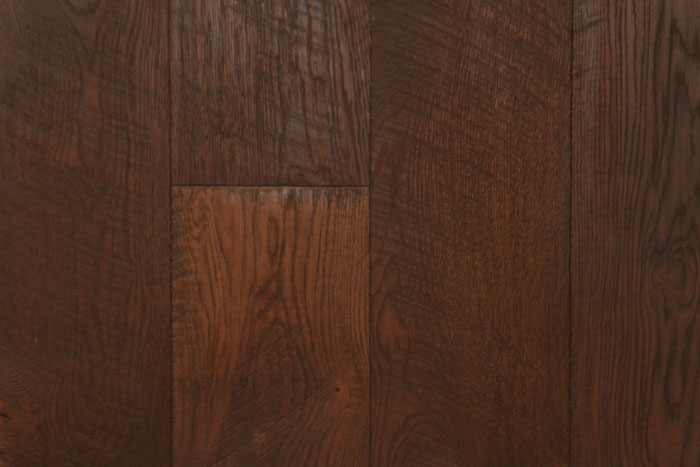 Reclaimed wirebrush oak flooring represents the pinnacle of character-rich hardwood, combining the authentic patina, dimensional stability, and historical significance of reclaimed oak flooring salvaged from demolished barns, factories, and buildings with wire brushing texture enhancement that accentuates grain patterns and creates exceptional tactile character. This dual-process approach delivers floors with maximum visual and physical depth - decades or centuries of natural aging plus intentional surface treatment that makes each board a distinctive work of art perfect for rustic, farmhouse, industrial, and high-character design schemes.
What is Reclaimed Wirebrush Oak Flooring?
Reclaimed wirebrush oak starts as oak lumber salvaged from structures built 50-200+ years ago. After careful deconstruction, denailing, and inspection, the aged wood undergoes wire brushing - a controlled abrasion process using rotating wire bristle wheels that removes soft grain tissue while leaving harder growth rings slightly raised. This creates enhanced three-dimensional texture that dramatically accentuates the grain patterns already present in the reclaimed oak.
The result combines irreplaceable characteristics from natural aging (patina, color variation, nail holes, saw marks, checking, weathering) with enhanced physical texture from wire brushing. You get authentic history impossible to replicate plus exaggerated grain depth that provides superior slip resistance, visual drama, and tactile richness. This makes reclaimed wirebrush oak the ultimate choice for projects prioritizing maximum character and distinctive appearance.
Reclaimed Wirebrush Oak Flooring Product Line
Solid Reclaimed Wirebrush Oak Flooring Specifications
- Widths: 3" - 12" (custom widths available)
- Thickness: 3/4" or 7/8"
- Standard Lengths: 1.5' - 12' (reclaimed material varies)
- Long Lengths: 4' - 16' (subject to salvage availability)
- Janka Hardness: 1300 (good durability enhanced by dimensional stability)
- Age: Typically 50-200+ years old
- Origin: Salvaged from demolished barns, factories, warehouses throughout United States
- Surface Treatment: Wire brushed after denailing and surfacing
The Unique Character of Reclaimed Wirebrush Oak
Reclaimed Wood Characteristics: The salvaged oak foundation provides irreplaceable authentic character developed over decades or centuries. Expect nail holes from original construction, circular saw marks or hand-planing marks depending on the era, natural checking (small cracks from drying cycles), color variation from oxidation and light exposure, and overall patina that only genuine age creates. Each board tells a story - flooring that was ceiling joists in 1890s factories, barn beams from 1920s agricultural buildings, or warehouse flooring that supported commerce for generations.
Wire Brushing Enhancement: After salvage processing (denailing, planing to remove surface damage, dimensioning to consistent thickness), wire brushing takes the already-prominent oak grain and accentuates it dramatically. Rotating wire wheels preferentially remove the softer earlywood tissue between growth rings while the harder latewood remains intact and slightly raised. This creates valleys and ridges that follow the natural grain contours.
On reclaimed oak, wire brushing produces exceptionally pronounced texture because old-growth oak (common in salvaged lumber) has tighter growth rings with greater hardness differential between early and late wood. The slow growth from virgin timber creates more dramatic contrast than fast-growth modern oak. The wire brushing process essentially makes visible to touch what's already visible to the eye - the beautiful grain patterns become sculptural.
Dimensional Stability: Reclaimed oak's decades or centuries in service means the wood has completed all major dimensional movement. The cellular structure has fully stabilized through countless heating/cooling and humidity cycles. This makes reclaimed oak significantly more stable than freshly milled lumber, reducing cupping, crowning, and seasonal gapping. Wire brushing doesn't compromise this stability - it's a surface treatment that maintains structural integrity.
Hardness and Durability: The Janka 1300 hardness rating provides good durability for residential and moderate commercial applications. Old-growth oak in reclaimed lumber often tests slightly harder than modern oak due to tighter grain from slower growth. The wire-brushed texture actually helps hide minor wear - the three-dimensional surface camouflages small scratches that would be visible on smooth flooring.
Wire Brushing Process and Effects
The Wire Brushing Technique: Wire brushing uses rotating cylindrical or drum-type brushes with steel or brass wire bristles. As reclaimed oak planks pass beneath or between these rotating brushes, the stiff bristles abrade the surface. Softer earlywood tissue (the wide, porous portion of growth rings formed during spring/early summer rapid growth) erodes more quickly than dense latewood (narrow, tight-grained portion formed during late summer/fall).
The process parameters - brush rotation speed, wire stiffness, number of passes, pressure applied - determine texture depth. For reclaimed oak, we typically use moderate aggression that creates pronounced texture without compromising board integrity or removing excessive material. The goal is enhancement, not transformation - revealing and exaggerating the natural grain rather than creating artificial texture.
Visual Effects: Wire brushing makes grain patterns dramatically more visible and three-dimensional. Cathedral patterns in plain-sawn oak become sculptural landscapes of ridges and valleys. Quarter-sawn oak's straight grain appears as parallel lines with physical depth. Mixed grain boards show varied topography that creates visual interest across floor installations.
The texture interacts with light differently than smooth surfaces. Low-angle light creates shadows in the valleys and highlights on the ridges, producing dynamic appearance that changes with viewing angle and lighting conditions. This adds depth perception and visual richness impossible with flat surfaces.
Tactile Character: Beyond visual impact, wire-brushed reclaimed oak creates exceptional feel underfoot or to the touch. The textured surface provides subtle resistance - a gentle gripping quality versus smooth wood's slickness. Barefoot walking becomes more tactile and engaging. The texture also enhances slip resistance compared to smooth flooring, adding safety benefits particularly in areas prone to moisture.
Finish Interaction: Wire brushing creates interesting finish behavior. Applied finishes (oils, waxes, polyurethanes) pool slightly in the valleys and spread thinner over ridges, creating subtle color variation that further enhances texture visibility. Oil finishes penetrate deep into the abraded grain structure, creating rich appearance. This finish interaction adds another layer of visual complexity to already-characterful reclaimed oak.
Combining Reclaimed Character with Wire Brushing
The magic of reclaimed wirebrush oak lies in layering two distinct character-creation processes:
Natural Aging (50-200+ Years): Time creates patina - the complex coloring from oxidation, light exposure, dirt accumulation, and chemical reactions impossible to replicate artificially. Original nail holes and bolt holes from structural use create intentional imperfections. Historical tool marks (circular saw kerfs, hand-plane facets, adze marks depending on era) record manufacturing methods. Natural checking from decades of humidity cycling adds organic texture. Weathering from exposure before salvage creates grain raising and color shifts. All this authentic character comes from genuine history.
Intentional Enhancement (Wire Brushing): Modern mechanical texturing makes the aged grain even more prominent. The historical character remains intact while grain patterns gain three-dimensional quality. Nail holes and saw marks stay visible as historical evidence, but now they exist on a textured canvas rather than smooth surface. The combination creates synergy - wire brushing makes you more aware of the reclaimed characteristics, while reclaimed characteristics make the wire brushing seem more intentional and artistic.
Neither process alone achieves what the combination delivers. Standard reclaimed oak flooring without wire brushing has authentic history but relatively smooth surfaces. New oak with wire brushing has enhanced texture but lacks the patina, nail holes, and aged character. Reclaimed wirebrush oak offers both - maximum character through dual processing.
Design Applications for Reclaimed Wirebrush Oak
Rustic Residential: Homes embracing rustic, farmhouse, or country design aesthetics find reclaimed wirebrush oak ideal. The authentic barn wood character combined with enhanced texture creates floors perfectly suited to exposed beam ceilings, shiplap walls, antique furniture, and vintage décor. The high-character flooring grounds these spaces in genuine materials rather than artificially distressed products.
Industrial Loft Conversions: Urban loft spaces in converted warehouses, factories, or commercial buildings benefit from reclaimed wirebrush oak that connects to the building's history. Using salvaged wood (potentially from similar-era structures) as flooring creates design cohesion. The texture and character suit exposed brick, steel beams, concrete surfaces, and industrial-modern aesthetics.
High-Character Commercial: Restaurants, breweries, wineries, boutiques, and hospitality spaces seeking distinctive character choose reclaimed wirebrush oak for memorable ambiance. The authentic aged wood creates atmosphere money can't buy - genuine history that customers notice and appreciate. The enhanced texture adds visual interest while the good hardness handles commercial traffic.
Transitional Spaces: Designers creating transitional style (blending traditional and contemporary) use reclaimed wirebrush oak to add warmth, texture, and history to otherwise clean-lined spaces. The characterful floors prevent modern minimalism from feeling cold while the neutral oak tones work with contemporary color palettes. This bridges traditional materials with modern design sensibility.
Mountain and Lake Homes: Vacation properties and second homes in mountain or lakefront settings embrace reclaimed wirebrush oak's authentic cabin-like character. The rustic floors suit environments where connection to nature and historical materials enhances the retreat atmosphere. The texture and patina create relaxed, informal spaces perfect for casual living.
Historical Renovations: Restoration projects of historic homes use reclaimed wirebrush oak to maintain period-appropriate character when original floors are beyond saving. Salvaged oak from the same era as the home preserves historical integrity. Wire brushing adds texture that mimics decades of foot traffic wear, helping new floors blend with the home's authentic character.
Antique / Vintage Wood Flooring Styles
 |
While reclaimed wirebrush oak already features wire brushing, additional surface treatments can create even more character:
Hand Scraping Combined with Wire Brushing: Hand scraping before wire brushing creates undulating surfaces with varied depth. The scraping provides macro-level texture (broad waves across board surfaces) while wire brushing adds micro-level grain texture. This layered approach produces maximum surface variation and artisan-crafted appearance with each board unique.
Hit or Miss Distressing: Random concentrated scraping in irregular patterns combined with wire brushing creates floors with extreme character variation. Some areas show heavy texture and distressing while others remain relatively smooth, mimicking centuries of uneven wear. This technique suits maximum-rustic applications where every square foot looks deliberately different.
Finish Coat Options
- Hard Wax Oil Finish: Our most popular finish for reclaimed wirebrush oak, hard wax oil penetrates deep into the wire-brushed grain structure and pools in texture valleys, creating rich appearance that enhances both reclaimed character and grain texture. The matte sheen maintains natural wood feel. Easy spot-repair allows simple maintenance. Reapplication refreshes appearance without full refinishing.
- Tung Oil Finish: Pure tung oil provides maximum penetration into textured grain, creating depth and warmth while leaving wood looking and feeling natural. The non-film finish lets texture show completely. Multiple coats build protection gradually. Worn areas simply recoat without sanding. Perfect for projects prioritizing authentic natural appearance.
- Water-Based Polyurethane: Clear water-based poly creates protective film over textured surface without yellowing. This showcases reclaimed oak's aged color and wire-brushed texture clearly. Multiple thin coats build protection while maintaining texture visibility. Good choice when durability matters but natural color preservation is desired.
- Oil-Based Polyurethane: Traditional oil-based poly provides maximum durability with amber tones that warm reclaimed oak's coloring. The film finish creates smooth feel over textured surface while visible texture and character remain apparent. Best for high-traffic residential or commercial applications requiring superior protection.
- Matte Lacquer: Ultra-matte lacquer finishes create "unfinished" appearance while providing protection. The flat sheen makes wire-brushed texture and reclaimed character supremely visible. Commercial-grade lacquers suit demanding applications. This finish choice emphasizes raw wood aesthetic while delivering necessary protection.
- Color-Enriched Oils: Pigmented oils add color while enhancing texture - dark oils pool in valleys while ridges remain lighter, exaggerating three-dimensional appearance. This technique creates dramatic floors where texture becomes even more prominent through color variation. Popular for statement installations.
Color Selection
Reclaimed oak arrives with existing patina from decades of aging, but custom coloring can enhance or modify appearance:
- Natural/Aged Finish: Clear finishes preserve the authentic patina developed during the wood's service life. Expect varied tones - some boards showing gray from weathering, others warm browns from interior use, occasional dark staining from metal contact or chemical exposure. This natural variation creates organic color palette celebrating genuine history.
- Dark Walnut/Espresso Stains: Dark stains unify varied reclaimed coloring while maintaining visible texture and character marks. The wire-brushed grain creates depth even in dark finishes as valleys hold more pigment. Dark stained reclaimed wirebrush oak creates dramatic floors with sophisticated appearance suited to modern rustic and industrial designs.
- Weathered Gray Finishes: Gray stains or reactive finishing (using iron acetate solutions) create aged driftwood appearance. On wire-brushed surfaces, gray tones settle into texture creating silvery floors with exceptional depth. This coastal/modern rustic aesthetic works beautifully with reclaimed character, making aged barn wood look like beach-weathered timber.
- Medium Brown Tones: Warm medium brown stains create consistent color across varied reclaimed boards while preserving nail holes, texture, and grain patterns. This balances authentic character with controlled color palette, working well when reclaimed features are desired but extreme color variation needs moderation.
- Whitewash/Ceruse Finishes: Light whitewash or ceruse (white pigment rubbed into grain) creates dramatic effect on wire-brushed reclaimed oak. White fills the textured valleys while ridges and character marks remain darker wood tones. This high-contrast treatment produces eye-catching floors suited to Scandinavian, coastal, or contemporary farmhouse designs.
- Custom Patina Matching: Our finishing specialists can match specific reclaimed color palettes or replicate particular patina effects. Whether matching existing reclaimed floors during additions or achieving specific aged appearance, custom finishing ensures desired results.
Sustainability and Environmental Benefits
Material Reuse: Reclaimed wirebrush oak represents ultimate sustainability - using materials that already exist rather than harvesting new trees. The wood completed its original purpose (barn framing, factory flooring, warehouse beams) and now serves a second life as beautiful flooring. This closes the loop on material use and prevents quality lumber from ending in landfills.
Old-Growth Timber: Most reclaimed oak comes from trees harvested 100-200+ years ago when old-growth forests still existed. These slow-growth trees produced superior lumber impossible to obtain from modern forests. By reclaiming this material, we preserve irreplaceable resources and make them available for contemporary use. No new trees are cut - we're simply reprocessing existing lumber.
Carbon Storage: The carbon absorbed during the tree's growth centuries ago remains locked in the wood. Using reclaimed oak extends this carbon storage indefinitely. Unlike demolition waste sent to landfills (where decomposition releases methane and CO2), reclaimed flooring continues storing carbon for another 100+ years of service.
Energy Conservation: Processing reclaimed lumber requires far less energy than harvesting, transporting, and milling new timber. While careful deconstruction, denailing, and resurfacing consume some energy, the total is fraction of new lumber production. Wire brushing adds minimal energy compared to growing trees for decades before harvest.
LEED and Green Building: Reclaimed wirebrush oak contributes to LEED (Leadership in Energy and Environmental Design) certification through recycled content credits and regional materials credits when sourced locally. Green building projects prioritize reclaimed materials for superior environmental performance versus new products.
Historical Preservation: Salvaging materials from demolished buildings preserves tangible pieces of architectural history. While structures may disappear, their materials live on as functional elements in new construction. This maintains physical connection to the past while serving practical purposes.
Installation Considerations
Nail-Down Installation: Standard 3/4" reclaimed wirebrush oak installs over wood subfloors using traditional blind-nailing techniques. The textured surface doesn't affect nailing - fasteners place through the tongue as with smooth flooring. The wire brushing is purely a surface treatment that doesn't compromise structural integrity or installation methods.
Subfloor Requirements: Subfloors must be clean, dry, level (within 3/16" over 10 feet), and structurally sound. The dimensional stability of reclaimed oak is forgiving of minor subfloor irregularities compared to new lumber, but proper preparation ensures optimal installation. Fill large gaps, sand high spots, and ensure solid fastening before beginning.
Acclimation: While reclaimed wood has fully stabilized dimensionally over decades, allow acclimation to installation space humidity for 5-7 days minimum. This isn't to prevent major movement (the wood is stable) but to ensure equilibrium moisture content matches service environment, minimizing any minor seasonal adjustment.
Mixed Lengths and Widths: Reclaimed material often comes in varied lengths dictated by salvage availability rather than standardized production. Plan installations to accommodate these variations, using a mix of lengths that creates natural randomness. Variable-width installations (mixing 6", 8", 10" widths for example) enhance the reclaimed aesthetic.
Character Distribution: Reclaimed boards vary in character intensity - some showing heavy nail holes and weathering, others relatively clean. Distribute high-character boards across the installation rather than concentrating them in one area. This creates balanced appearance where character feels organic rather than forced.
Installation Techniques
|
Maintenance and Care
Daily Maintenance: Sweep or vacuum regularly with soft bristle attachments. The wire-brushed texture actually makes dirt and debris less visible than on smooth floors - particles settle into texture valleys rather than sitting prominently on flat surfaces. However, regular cleaning prevents accumulation in the textured grain.
Routine Cleaning: Damp mop with hardwood floor cleaner diluted per manufacturer instructions. The textured surface allows slightly more aggressive mopping than smooth floors without showing swirl marks. Use well-wrung mops to avoid excess moisture pooling in texture valleys.
Texture Benefits: Wire-brushed reclaimed oak hides minor scratches and wear far better than smooth flooring. Small abrasions simply blend into the textured surface and existing character marks. This forgiving quality makes maintenance easier and extends the time between refinishing needs.
Finish Maintenance: Oil and wax finishes allow simple reapplication without sanding - just clean thoroughly and apply fresh coats. The textured surface holds oil beautifully, making recoating effective for refreshing appearance. Film finishes (polyurethane, lacquer) last longer on textured surfaces because the three-dimensional profile distributes wear across varied surface depths.
Refinishing Capacity: The 3/4" thickness supports multiple full refinishings over the floor's lifetime. Wire brushing removes approximately 1/16" of surface material, leaving ample wood for future sanding. When refinishing, light sanding removes worn finish while preserving much of the texture. More aggressive sanding can remove texture if desired, though most choose to maintain the wire-brushed character.
Comparing Reclaimed Wirebrush Oak to Alternatives
Reclaimed Wirebrush Oak vs. Standard Reclaimed Oak: Both offer authentic historical character, but wire brushing adds dramatic texture and enhanced grain visibility. Wirebrush version provides superior slip resistance, hides wear better, and creates more tactile interest. Standard reclaimed oak costs less and shows smoother surfaces preferred by some designers. Choose wirebrush for maximum character and texture; choose standard for authentic history with traditional smooth finish.
Reclaimed Wirebrush Oak vs. New Wirebrush Oak: New oak with wire brushing has enhanced texture but lacks the patina, nail holes, saw marks, checking, and aged character of reclaimed lumber. Reclaimed wirebrush oak offers both texture AND history. New wirebrush oak costs less and provides more consistent appearance. Choose reclaimed for authentic age and maximum character; choose new for enhanced texture at accessible pricing with uniform quality.
Reclaimed Wirebrush Oak vs. Reclaimed European Oak: Both deliver authentic historical character from salvaged wood. European oak typically shows tighter grain from centuries-old slow-growth European forests, while American oak displays bolder grain patterns. Wire-brushed American oak creates more dramatic texture due to more prominent grain. Choose European for refined elegance; choose wirebrush American oak for maximum rustic character.
Reclaimed Wirebrush Oak vs. Artificially Distressed New Oak: Artificially distressed new oak attempts to replicate age through scraping, denting, and staining. It lacks the genuine patina, nail holes from actual use, historical tool marks, and authentic aging that only time creates. Reclaimed wirebrush oak provides real history impossible to fake. Choose reclaimed for authentic character and environmental benefits; choose distressed new oak only when budget is severely limited and authentic appearance isn't required.
Sourcing and Pricing
Material Costs: Reclaimed wirebrush oak typically costs $10-18 per square foot depending on character grade (more nail holes and weathering = higher cost), width (wider planks = premium pricing), and source building type (barn wood vs. factory flooring vs. warehouse timber). This represents premium pricing versus new oak but reflects labor-intensive salvage, processing, and wire brushing plus irreplaceable material quality.
Value Proposition: While initial costs run higher than new flooring, reclaimed wirebrush oak delivers unmatched character, superior dimensional stability, environmental benefits, and potential for centuries of service life. The combination of authentic history plus enhanced texture creates floors impossible to replicate, adding significant design value and property distinction.
Salvage Availability: Reclaimed material availability fluctuates based on demolition activity. When barns, factories, or warehouses are deconstructed, material becomes available. This means selections vary over time - the exact boards available today won't exist indefinitely. Securing reclaimed wirebrush oak for your project may require planning around material availability.
Why Choose Walter's Flooring for Reclaimed Wirebrush Oak
Walter's Flooring brings extensive reclaimed wood and specialty finishing expertise to every project:
Quality Salvage Sources: We source reclaimed oak from reputable salvage operations that carefully deconstruct historic buildings. Our suppliers denail, sort, and prepare materials properly, ensuring structural soundness and removing metal contaminants that could damage processing equipment.
Expert Wire Brushing: Our facility wire brushes reclaimed oak to optimal texture depth - creating pronounced grain enhancement without compromising material integrity. We understand how different grain orientations (plain-sawn vs. quarter-sawn) respond to brushing and adjust processing accordingly.
Custom Character Selection: Reclaimed oak varies from heavily characterized (extensive nail holes, weathering, color variation) to relatively clean. We help you select appropriate character level for your design intent. Want maximum rustic appeal? We pull heavily marked boards. Prefer subtle reclaimed character? We select cleaner material.
Finishing Expertise: Our finishing specialists understand how wire-brushed reclaimed oak accepts different finishes. Whether hard wax oil that pools in texture, reactive gray stains that create driftwood effects, or clear finishes preserving natural patina, we achieve desired results through proper technique and quality products.
Installation Support: We work with installers experienced in reclaimed flooring's unique characteristics - variable lengths, character distribution, proper acclimation. These specialists ensure your reclaimed wirebrush oak installs beautifully and performs reliably for decades.
Request Samples and Pricing
Reclaimed wirebrush oak's texture, character, color variation, and three-dimensional quality must be experienced in person. We encourage you to request samples showcasing different character grades, wire brushing depths, and finish options. See how the textured reclaimed oak feels underfoot and looks under your specific lighting.
Contact Walter's Flooring at 213-792-5908 to discuss your reclaimed wirebrush oak project. Our specialists explain character grades, wire brushing techniques, finish options, and material availability. We help you understand how reclaimed wirebrush oak fits your design vision and budget.
Visit our showroom at 9216 S. Vermont Ave, Los Angeles, CA 90044 to view reclaimed wirebrush oak samples alongside standard reclaimed oak, new wirebrush oak, and other reclaimed species. Compare texture depths, examine character marks, feel the enhanced grain, and see the range of available patinas.
Request a detailed quote for your reclaimed wirebrush oak flooring project. Whether residential, commercial, renovation, or new construction, we'll create a comprehensive proposal including material costs, wire brushing specifications, finishing services, and professional installation.