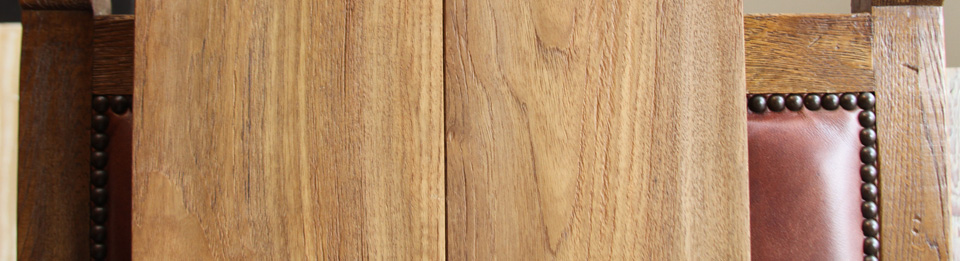
Engineered Reclaimed Teak Flooring
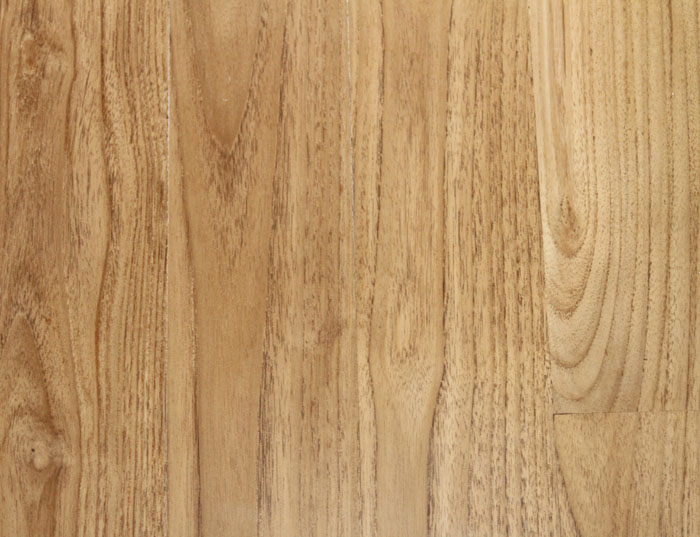 Engineered reclaimed teak flooring delivers the ultimate combination of exotic beauty and modern versatility—a genuine reclaimed teak wear layer with all of teak's legendary properties (natural oils, water resistance, insect resistance, golden brown color) bonded to a stable plywood or HDF core that enables installation over concrete slabs, below-grade spaces, radiant heating systems, and challenging moisture environments where solid teak would be impractical or impossible.
This engineered teak wood flooring combines the best attributes of two technologies: the surface you see and touch is authentic reclaimed teak salvaged from historic structures, ships, or docks—material with decades of natural aging creating the mellowed golden-brown patina, tight grain patterns from old-growth timber, and authentic character marks (nail holes, mineral staining, weathering) that new plantation teak cannot replicate. Beneath that premium wear layer, the cross-laminated core construction provides 40-60% greater dimensional stability than solid wood, neutralizing the expansion-contraction movement that limits solid hardwood in challenging applications.
What Makes Engineered Teak Special
Engineered reclaimed teak flooring preserves teak's unique performance characteristics while adding installation versatility:
Authentic Teak Surface with Full Natural Properties: The wear layer is genuine reclaimed teak—not a photo image or printed pattern, but actual sliced teak veneer retaining all of teak's natural properties. The natural oils (tectoquinone) that provide water resistance exist throughout the wear layer. The silica content creating scratch resistance and tool-dulling hardness remains present. The golden brown color, coarse texture, straight grain, and natural luster are all authentic teak characteristics. When you sand the surface (during installation prep or future refinishing), you're working real teak, not composite material. The only difference from solid teak is what lies beneath the surface you see.
Superior Dimensional Stability: The cross-grain plywood or HDF core construction dramatically improves dimensional stability compared to solid teak. While solid teak already offers good stability for a hardwood species, engineered construction takes stability to another level—seasonal expansion-contraction is reduced by 40-60%, making engineered teak suitable for 12-14 inch widths that would be risky with solid teak, and for installation in climate zones with extreme humidity swings where even teak's natural stability might not suffice.
Installation Over Concrete Slabs: This is engineered flooring's primary practical advantage. Solid 3/4-inch teak cannot be installed directly over concrete—it requires building an expensive wood subfloor system first (sleepers and plywood adding $4-6/sq ft to installation costs). Engineered teak bonds directly to concrete using appropriate adhesives or floats over concrete using click-lock profiles with underlayment. For condominiums, commercial spaces, basement installations, or any project with concrete subfloors, engineered teak provides access to teak's exotic beauty and performance without the cost and complexity of subfloor construction.
Radiant Heat Compatibility: Teak's natural oil content and dimensional stability make it better suited for radiant heating than most hardwoods, but solid teak's 3/4-inch thickness slows heat transfer and creates thermal expansion stresses. Engineered teak's thinner total thickness (typically 3/8 to 5/8 inch vs. solid's 3/4 inch) improves heat transfer efficiency while the cross-laminated core better withstands the thermal cycling stresses radiant systems create. For homes with in-floor radiant heating—increasingly common in modern construction—engineered teak is the practical choice.
Below-Grade Installation: Basements and other below-grade spaces (where floor level is below surrounding ground level) present moisture challenges that eliminate solid hardwood as an option regardless of species. Engineered teak's moisture-resistant core construction and ability to float without direct moisture barrier contact make it suitable for finished basements where solid teak would be prohibited by building codes and manufacturer warranties.
Wider Plank Options: The enhanced stability of engineered construction allows wider plank widths (10-14 inches) without the seasonal gapping concerns that limit solid teak to more conservative widths. Wide plank teak makes dramatic visual statements in contemporary and tropical designs, showcasing the golden brown color and grain figure more prominently than narrow strips.
Engineered Construction Details
Understanding engineered teak flooring construction helps you evaluate quality and set appropriate expectations:
Wear Layer Thickness: The reclaimed teak wear layer thickness varies by product grade and price point. Premium engineered teak features 1/4-inch (6mm) wear layers allowing 1-2 full refinishings over the floor's service life. Standard grades offer 1/8-inch (3mm) wear layers permitting one light refinishing or heavy screening-and-recoating. Budget options may use paper-thin veneers (1/16 inch or less) that cannot be refinished—these are essentially permanent finish products that must be replaced when surface wear becomes unacceptable. For long-term value and authentic hardwood performance, specify minimum 1/8-inch wear layers; 1/4-inch is ideal.
Core Materials: The substrate bonded beneath the teak wear layer significantly affects performance. Baltic birch plywood cores (multiple thin birch veneers cross-laminated) provide excellent dimensional stability, nail-holding strength for nail-down installation, and natural wood feel underfoot. HDF (high-density fiberboard) cores offer maximum dimensional stability and lower cost but cannot be nailed (glue-down or floating only) and feel slightly less solid underfoot. Some manufacturers use mixed cores (plywood plus HDF layers) balancing performance and cost. For nail-down capability and most authentic solid-wood feel, specify plywood cores; for maximum stability in extreme humidity environments, HDF excels.
Backing Layer: Quality engineered teak includes a backing veneer (typically matching species or similar wood) on the bottom surface opposite the teak wear layer. This balancing veneer prevents cupping by providing equal moisture exposure on both sides of the core. Some budget products omit backing veneers to save costs—avoid these as they're prone to warping and shorter service life.
Adhesive Technology: The bonds between teak wear layer, core, and backing layer are critical to long-term performance. Quality manufacturers use moisture-resistant adhesives (PVA, polyurethane, or epoxy formulations) that maintain bond strength through humidity changes, temperature cycling, and aging. The teak's natural oil content creates bonding challenges—oils can interfere with adhesive curing if not properly managed during manufacturing. Reputable manufacturers account for this with specialized bonding agents or surface preparation processes ensuring durable layer bonds despite teak's oily nature.
Total Thickness: Engineered teak products range from 3/8 inch to 5/8 inch total thickness (wear layer + core + backing). Thicker products (1/2 to 5/8 inch) feel more solid underfoot, span subfloor imperfections better, and provide superior sound dampening. Thinner products (3/8 to 7/16 inch) minimize floor height increase (important when transitioning to existing adjacent flooring) and improve radiant heat transfer efficiency. Choose thickness based on application priorities.
Teak's Inherent Performance Properties
Regardless of solid vs. engineered construction, teak wood offers unique characteristics:
Natural Oil Content and Water Resistance: Teak contains extraordinarily high concentrations of natural oils within its cellular structure—these oils serve as built-in waterproofing. When water contacts teak surfaces (even engineered teak's thin wear layer), the oils repel moisture penetration far more effectively than dry hardwoods like oak or maple. This makes engineered teak excellent for full bathrooms (including areas near tubs and showers), kitchens with spill-prone zones, mudrooms, laundry rooms, and any moisture-challenging application. The water resistance is inherent to the teak itself, not a coating—it exists throughout the wear layer thickness.
Insect and Decay Resistance: Teak's natural oils and silica content provide inherent resistance to termites, powder post beetles, and other wood-destroying insects. The oils taste bitter to insects and interfere with digestion, while silica makes the wood difficult to chew. Additionally, teak naturally resists fungal decay and rot. For ground-floor installations, basement applications, or areas with periodic moisture exposure, teak's biological resistance provides peace of mind that other species cannot match.
Hardness and Durability: Teak rates 1155 on the Janka hardness scale—moderate-to-hard compared to other species. While not as hard as oak (1290+) or maple (1450), teak delivers exceptional real-world wear resistance due to its combination of natural oils (lubricating the surface and reducing abrasive wear), silica content (adding scratch resistance), and dense cellular structure. Marine teak decking on yachts lasts 30-50 years under constant foot traffic and harsh weather—far exceeding harder woods that would fail quickly in similar conditions.
Color and Aging Characteristics: Fresh reclaimed teak displays golden brown to honey-brown heartwood with darker grain lines creating subtle striping. When protected from intense UV (as in interior installations), teak gradually darkens slightly and develops richer amber tones over years. When exposed to strong UV light (outdoor applications or sun-flooded rooms), teak ages to beautiful silver-gray patina over 6-18 months—this silvering is not damage but natural oxidation creating weathered appearance highly prized in outdoor furniture and decking. The reclaimed teak in engineered flooring has already undergone decades of natural aging, providing stable color that changes less dramatically than new plantation teak.
Engineered Reclaimed Teak Specifications
Our engineered teak hardwood flooring is available in these configurations:
- Total Thickness: 3/8" to 5/8" depending on product line
- Wear Layer Thickness: 1/8" (3mm) standard, 1/4" (6mm) premium
- Widths: 3" to 14" (wider planks leverage engineered stability advantages)
- Lengths: Random lengths 12" to 84" (longer boards minimize seams)
- Profile: Tongue and groove or click-lock depending on installation method
- Core Material: Baltic birch plywood or HDF depending on product line
- Surface Janka Hardness: 1155 (same as solid teak—wear layer is genuine teak)
- Finish: Unfinished or factory-prefinished with UV-cured polyurethane
Selecting Wear Layer Thickness: For maximum value and longevity, choose 1/4-inch wear layers whenever budget allows. The ability to refinish once or twice over 30-50 years dramatically extends floor lifespan and allows you to change color or sheen preferences as design trends evolve. Budget 1/8-inch wear layers still provide excellent service but with reduced refinishing potential—they're best for installations where you plan to replace flooring in 20-30 years rather than maintaining it for 50+ years.
Width Selection Strategy: Narrow 3-5 inch planks create traditional boat deck or classic hardwood appearance. Medium 6-8 inch widths balance contemporary aesthetics with manageable cost. Wide 10-14 inch planks provide dramatic modern or tropical appearance showcasing teak's color and grain—these widths leverage engineered construction's superior stability that makes them practical. Ultra-wide planks cost 15-25% more due to material selection requirements and manufacturing complexity.
Installation Methods for Engineered Teak
Engineered teak flooring offers multiple installation approaches based on subfloor type and project requirements:
Glue-Down Installation Over Concrete: This is engineered teak's most common application—direct adhesive bonding to concrete slabs. The concrete must be clean, dry (below 4% moisture content), flat (within 3/16" over 10 feet), and free of curing compounds, sealers, or contaminants that interfere with adhesive bonding. Use moisture-resistant urethane or epoxy adhesives specifically formulated for exotic oily woods (teak's oils can interfere with standard adhesives). Full-spread adhesive coverage creates permanent bond and solid feel underfoot comparable to nail-down installation. Glue-down is ideal for commercial applications, high-traffic residential areas, and installations where maximum stability is required.
Floating Installation Over Concrete or Existing Floors: Click-lock engineered teak (or tongue-and-groove with glued joints between planks but no adhesive to subfloor) floats over underlayment without permanent attachment to substrate. This installation is fastest, least expensive, and allows DIY installation for experienced homeowners. Floating floors work over concrete, existing tile, vinyl, or other hard surfaces after proper surface preparation. The tradeoff is slightly hollow feel underfoot compared to glue-down and potential for floor movement if not properly weighted at perimeter. Floating installation is excellent for basement applications, temporary or rental situations, or installations where easy removal might be desired in the future.
Nail-Down Installation Over Wood Subfloors: Engineered teak with plywood cores can be nailed or stapled to wood subfloors just like solid hardwood. This provides most solid feel underfoot and works well for above-grade installations (main floors, upper levels) over properly prepared plywood or OSB. Use manual or pneumatic nailers with appropriate fastener lengths (long enough to penetrate subfloor without excessive penetration that could damage radiant tubing or utilities below). Nail-down costs slightly more than floating but less than glue-down, delivering excellent performance over wood substructures.
Over Radiant Heat Systems: For in-floor radiant heating applications, engineered teak can be glued or floated depending on system type. Water-based radiant systems (PEX tubing in gypcrete or thin-slab applications) require glue-down installation for maximum heat transfer. Electric mat radiant systems allow floating installation over appropriate thermal underlayment. Consult radiant system manufacturer guidelines for maximum temperature settings (typically 80-85°F surface temperature) and installation requirements. Teak's natural stability makes it one of the better hardwood species for radiant applications, and engineered construction further improves radiant compatibility.
Subfloor Preparation Requirements: All installation methods require proper subfloor preparation. Concrete must meet moisture content specifications (below 3-4 lbs per 1000 sq ft using calcium chloride test), flatness tolerance (3/16" in 10 feet), and be free of contaminants. Wood subfloors must be flat, structurally sound, properly gapped (1/8" between panels), and within 4% moisture content of engineered flooring. Existing floors being covered must be well-bonded, flat, and compatible with chosen installation method. Proper preparation prevents 90% of engineered flooring problems—invest in subfloor work rather than cutting corners.
Finishing Options for Engineered Teak
Finishing engineered teak wood requires understanding teak's oily nature and your wear layer thickness:
Factory Prefinished vs. Site Finished: Most engineered teak is available prefinished with UV-cured polyurethane coatings applied in controlled factory conditions. Prefinished floors install quickly (no on-site finishing time or odors), show consistent color across all planks, and carry finish warranties from manufacturers. Site-finished engineered teak (purchased unfinished) allows custom color matching and achieves seamless surface without micro-bevels between boards, but requires professional finishing work adding 5-7 days to project timeline and $3-5/sq ft in finishing costs. For most engineered teak projects, prefinished products deliver superior value unless custom color matching is critical.
Natural Oiled Finishes: For authentic teak appearance and maintenance flexibility, natural oil finishes (teak oil, tung oil, Danish oil, hard wax oil) enhance golden brown color while preserving natural luster and tactile qualities. These penetrating finishes require periodic reapplication (annually for high-traffic areas, every 2-3 years for moderate use) but can be spot-repaired easily and never build film thickness that eventually requires complete removal. Oiled teak develops beautiful patina over decades of use and oiling. This approach works with unfinished engineered teak but requires removing factory finishes from prefinished products (labor intensive).
Polyurethane Finishes: Water-based or oil-based polyurethane provides durable protective film that requires minimal maintenance (periodic cleaning only, recoating every 5-10 years). The challenge with teak is adhesion—surface oils must be removed before polyurethane application or finish will peel. Manufacturers of prefinished engineered teak address this with specialized surface preparation and UV-cured polyurethanes formulated for oily woods. For site-finishing unfinished engineered teak, wipe surfaces with mineral spirits or acetone 24-48 hours before polyurethane to dissolve oils, or use dewaxed shellac as barrier coat improving adhesion.
Natural Unfinished Appearance: Some applications (outdoor rooms, tropical-themed spaces, yacht-influenced designs) call for unfinished teak left to weather naturally. While unusual for interior flooring, unfinished teak develops silver-gray patina if exposed to UV light, or maintains golden color if UV-protected. The wear layer must be thick enough (1/4 inch) to tolerate surface weathering without exposing core material. This no-finish approach requires only regular cleaning and accepts surface weathering as part of authentic teak character.
Design Applications for Engineered Reclaimed Teak
Engineered teak flooring suits specific applications where installation versatility matters:
Concrete Slab Buildings: Condominiums, apartments, commercial offices, retail spaces, and modern homes built on slab foundations typically cannot accommodate solid hardwood without expensive subfloor construction. Engineered teak provides authentic exotic hardwood beauty over these concrete slabs at reasonable installed costs. The combination of teak's luxury appearance and engineered construction's practical installation makes this an excellent solution for high-end condo developments and commercial hospitality applications.
Basement and Below-Grade Finishing: Finished basements demand moisture-resistant flooring that tolerates below-grade conditions. Engineered teak's water-resistant wear layer combined with moisture-stable core construction makes it suitable for basement family rooms, home theaters, wine cellars, and bedroom suites where solid hardwood would be prohibited. The floating installation option allows easy removal if moisture issues develop without damaging the flooring.
Over Radiant Heating Systems: New construction and major renovations increasingly incorporate in-floor radiant heating for comfort and energy efficiency. Engineered teak's compatibility with radiant systems (better than solid teak due to thinner thickness improving heat transfer) makes it practical for radiant-heated bathrooms, kitchens, and whole-house radiant applications where exotic hardwood aesthetics are desired.
High-Moisture Interior Rooms: Full bathrooms, mudrooms, laundry rooms, and kitchens all present moisture challenges that make most hardwood species risky. Engineered teak combines inherent water resistance (from teak's natural oils) with engineered construction resilience, delivering superior moisture performance in these critical spaces. The ability to glue directly to concrete also suits these often-below-grade utility spaces.
Tropical and Resort-Style Interiors: Teak's association with tropical climates, beach resorts, and island living makes it natural for tropical-themed residential and hospitality interiors. The golden brown color and exotic status evoke relaxation and luxury. Engineered teak brings this aesthetic to spaces with challenging substrates (concrete slabs in coastal high-rises, for example) where solid teak installation would be impractical.
Mid-Century Modern Design: Teak was the iconic wood of mid-century modern furniture (1950s-1970s). Pairing engineered reclaimed teak flooring with classic mid-century pieces creates authentic period aesthetic. The engineered construction allows installation over concrete slabs common in mid-century modern architecture without compromising design authenticity.
Wide Plank Contemporary Designs: Modern and contemporary interiors favor wide plank flooring (10-14 inches) for clean, minimalist aesthetic with fewer seams. Engineered teak's superior stability makes these dramatic wide widths practical, showcasing teak's golden color and grain figure while maintaining dimensional performance solid teak cannot match at these widths.
Engineered vs. Solid Reclaimed Teak Comparison
Understanding differences helps you select the right product:
Appearance and Feel: From visual and tactile perspectives, there's minimal difference between engineered and solid teak after installation. Both show identical surface—genuine reclaimed teak with authentic color, grain, natural oils, and character marks. Engineered may feel marginally less solid underfoot (especially in floating installations), though glue-down engineered over concrete feels nearly identical to nailed solid over wood. Most people cannot distinguish engineered from solid by appearance or walking on the floor.
Installation Versatility: This is engineered teak's primary advantage. It installs over concrete (glue or float), over radiant heat, in basements, over existing floors—applications where solid teak requires expensive workarounds or is prohibited entirely. For projects with concrete subfloors, engineered teak typically costs 25-40% less total installed price than building wood subfloors for solid teak. If you have wood subfloors above grade with no moisture concerns, solid teak costs similarly to engineered with superior refinishing potential.
Dimensional Stability: Engineered construction provides 40-60% greater dimensional stability than solid teak (which already has good stability for hardwood). This allows wider planks, suits extreme humidity climates better, and reduces seasonal gapping. For most residential applications in climate-controlled spaces, solid teak's natural stability suffices; for challenging environments or ultra-wide planks, engineered's enhanced stability matters.
Refinishing Potential: Solid 3/4-inch teak allows 3-5 refinishing cycles over 75-150 years. Premium engineered teak with 1/4-inch wear layer permits 1-2 refinishings over 40-60 years. Standard engineered with 1/8-inch wear layer allows one light refinishing or heavy screening. For long planning horizons (50+ years) in heirloom properties, solid's superior refinishing wins. For typical 20-40 year ownership, engineered's 1-2 refinishings suffice.
Cost Comparison: Material costs are comparable—engineered teak runs $12-20/sq ft vs. solid's $14-24/sq ft depending on width and grade. Installation costs vary by substrate: over wood subfloors, both cost similarly ($5-8/sq ft installed). Over concrete, engineered glues down for $6-9/sq ft installed while solid requires building wood subfloor first (total $18-30/sq ft installed including subfloor construction). For concrete slab projects, engineered delivers massive savings; for wood subfloor projects, costs are similar with solid offering better long-term refinishing value.
Environmental Considerations: Both use genuine reclaimed teak wear surfaces (equal environmental benefit from salvaged material). Engineered uses less reclaimed teak per square foot (thin wear layer vs. full 3/4-inch thickness), stretching limited reclaimed supply further. However, engineered uses plywood or HDF cores from new timber sources. The environmental calculation is complex—engineered extends reclaimed teak supply but adds new wood consumption for cores. For maximum reclaimed content, solid wins; for efficient use of limited reclaimed material, engineered wins.
Maintenance and Care for Engineered Teak Floors
Proper maintenance preserves engineered teak flooring's beauty:
Regular Cleaning: Sweep, vacuum, or dust mop daily or every other day to remove abrasive grit that causes finish scratching. Use vacuum attachments designed for hardwood (no rotating beater bars). Weekly cleaning prevents dirt accumulation in teak's coarse texture and preserves finish integrity.
Damp Mopping: Clean weekly or biweekly with pH-neutral hardwood floor cleaner diluted per instructions using lightly dampened (not wet) microfiber mops. Excessive water can penetrate seams causing edge swelling even with teak's natural moisture resistance. For oiled finishes, use cleaners designed for oiled wood. For polyurethane finishes, standard hardwood cleaners work well. Never use steam mops, wet mops, or harsh cleaners that damage finish.
Protection Strategies: Use felt pads under furniture legs, replacing annually as adhesive weakens. Place area rugs with proper underlayment in high-traffic zones. Use entry mats outside and inside exterior doors to capture tracked grit. Implement no-shoes policies if practical. Use protective mats under desk chairs with casters (soft wheels designed for hardwood).
UV Protection: While teak's natural aging is beautiful, controlling UV exposure maintains consistent color. Use window treatments (UV-filtering films, blinds, curtains) during peak sun hours. Rotate area rugs periodically to ensure uniform aging across the floor without permanent "ghosts" where rugs protected sections from UV exposure.
Refinishing and Renewal: When finish wear becomes extensive, engineered teak with adequate wear layer thickness (1/8 inch minimum) can be professionally refinished. The process involves careful sanding (removing only enough material to expose fresh wood without sanding through wear layer), optional restaining, and new finish coats. Refinishing costs $3-5/sq ft. Thicker wear layers (1/4 inch) allow multiple refinishings; thinner layers allow one careful refinishing or heavy screening-and-recoating without full sanding.
Pricing and Investment Value
Engineered reclaimed teak flooring represents premium investment with specific cost considerations:
Material Cost: Expect $12-20 per square foot for quality engineered reclaimed teak depending on wear layer thickness, width, length, and prefinished vs. unfinished. Premium products with 1/4-inch wear layers, wide planks, and factory finishing command top pricing ($17-22/sq ft). Standard products with 1/8-inch wear layers and moderate widths cost less ($12-16/sq ft). This is 10-20% less expensive than solid reclaimed teak ($14-24/sq ft) but significantly more than domestic engineered reclaimed oak ($8-14/sq ft) or walnut ($9-16/sq ft).
Installation Cost: Glue-down installation over concrete costs $6-9/sq ft including labor, adhesive, and surface prep. Floating installation costs $4-6/sq ft (less expensive due to faster installation and no adhesive). Nail-down over wood subfloors costs $5-8/sq ft. For comparison, installing solid teak over concrete requires building wood subfloor first (adding $4-6/sq ft before flooring installation even begins).
Total Installed Cost: Complete engineered teak projects over concrete slabs typically cost $18-29/sq ft (material + glue-down installation). Floating installations cost $16-26/sq ft. Over wood subfloors, total costs are $17-28/sq ft. While expensive compared to domestic species, engineered teak costs 20-40% less than solid teak in concrete slab situations while delivering nearly identical appearance and performance.
Value Retention: Teak flooring (solid or engineered) is recognized as premium exotic upgrade that increases property values. The distinctive golden brown color, superior moisture resistance, and exotic status command attention from buyers and appraisers. For waterfront properties, luxury condominiums, or resort-style homes, teak flooring represents expected finish quality supporting premium pricing.
Long-Term Cost Perspective: Engineered teak with adequate wear layer (1/4 inch) provides 40-60 years of service with one refinishing, or 30-40 years as permanent finish product. Calculate per-year cost: $25/sq ft installed ÷ 50 years = $0.50/sq ft annually. Compare to mid-range carpet ($4/sq ft ÷ 12 years = $0.33/sq ft annually but requires multiple replacements over 50 years) or luxury vinyl ($6/sq ft ÷ 15 years = $0.40/sq ft annually). While upfront costs are higher, annualized costs are comparable with far superior aesthetics and authentic natural material benefits.
Why Choose Walter's Flooring for Engineered Reclaimed Teak
Our expertise ensures superior quality and service:
Verified Reclaimed Teak Wear Layers: We work with manufacturers using genuine reclaimed teak in wear layers—not new plantation teak artificially aged to simulate reclaimed character. We verify provenance and can often provide history of source material (structures from which teak was salvaged, approximate age, geographic origin). This ensures authentic reclaimed material rather than marketing deception.
Quality Construction Specifications: We specify products with adequate wear layer thickness (minimum 1/8 inch, prefer 1/4 inch), quality plywood or HDF cores, proper backing veneers, and moisture-resistant adhesive systems. We avoid budget products with paper-thin veneers or missing backing layers that underperform and fail prematurely. Our technical knowledge helps clients select appropriate products matching their longevity expectations and budgets.
Installation Method Guidance: From evaluating subfloor conditions through selecting appropriate installation method (glue-down, float, or nail-down) and specifying proper adhesives or underlayments, we provide detailed guidance preventing installation failures. Teak's oily nature requires specialized adhesives—we ensure installers use appropriate products rather than standard adhesives that may not bond adequately to oily teak surfaces.
Finish Selection Expertise: Whether helping you select factory-prefinished products with appropriate sheen levels and color tones, or guiding site-finishing of unfinished engineered teak (including proper surface preparation to manage teak's oils), we provide expert recommendations based on aesthetic goals and practical maintenance requirements.
Sample Program: Request samples showing actual products with specified wear layer thickness, width, finish type, and character level. Evaluating samples in your space under your lighting, alongside your existing finishes and furnishings, ensures the selected product meets expectations before committing to full orders.
Request Samples and Begin Your Project
Experience engineered reclaimed teak flooring quality firsthand by requesting samples. We'll send representative pieces showing the golden brown teak surface, natural grain patterns, authentic character marks, and specified finish type. Evaluate samples in your space, feel the teak's characteristic oily texture, and confirm the color and character suit your design vision.
Request free samples or request a project quote to begin. Our team will discuss your subfloor type (concrete vs. wood), installation location (below-grade, radiant heat, moisture-prone areas), square footage, aesthetic preferences (width, finish type, character level), and budget to provide accurate recommendations and pricing.
For immediate assistance or showroom visits, call us at 213-792-5908 or visit 9216 S. Vermont Ave, Los Angeles, CA 90044. We're open Monday through Friday, 8:00 AM to 5:00 PM, ready to help you discover why engineered reclaimed teak flooring from Walter's Flooring represents the optimal combination of exotic beauty, practical installation versatility, superior moisture resistance, and authentic historical character for challenging hardwood flooring applications.
Engineered Teak Flooring Specifications
- Total Thickness: 3/8" to 5/8"
- Wear Layer: 1/8" (3mm) standard, 1/4" (6mm) premium
- Widths: 3" to 14"
- Lengths: Random 12" to 84"
- Core: Baltic birch plywood or HDF
- Surface Janka Hardness: 1155 (genuine teak wear layer)
Antique / Vintage Wood Flooring Styles
|
 |
Finish Coat Options
- Factory Prefinished UV-Cured Polyurethane
- Site-Applied Water-Based Polyurethane
- Teak Oil or Danish Oil (site-applied to unfinished)
- Hard Wax Oil (modern alternative)
- Unfinished (for custom finishing)
Color Selection
- Natural Golden Brown: Authentic reclaimed teak color
- Honey and Golden Tones: Teak's signature warm palette
- Medium Brown: Slightly enhanced teak tones
- Custom Color Matching: Available on site-finished products
Installation Options
- Glue Down (over concrete slabs - most common for engineered teak)
- Floating (click-lock systems over concrete or existing floors)
- Nail Down (plywood core products over wood subfloors)
- Radiant Heat (compatible with proper installation methods)
Installation Techniques
|
|