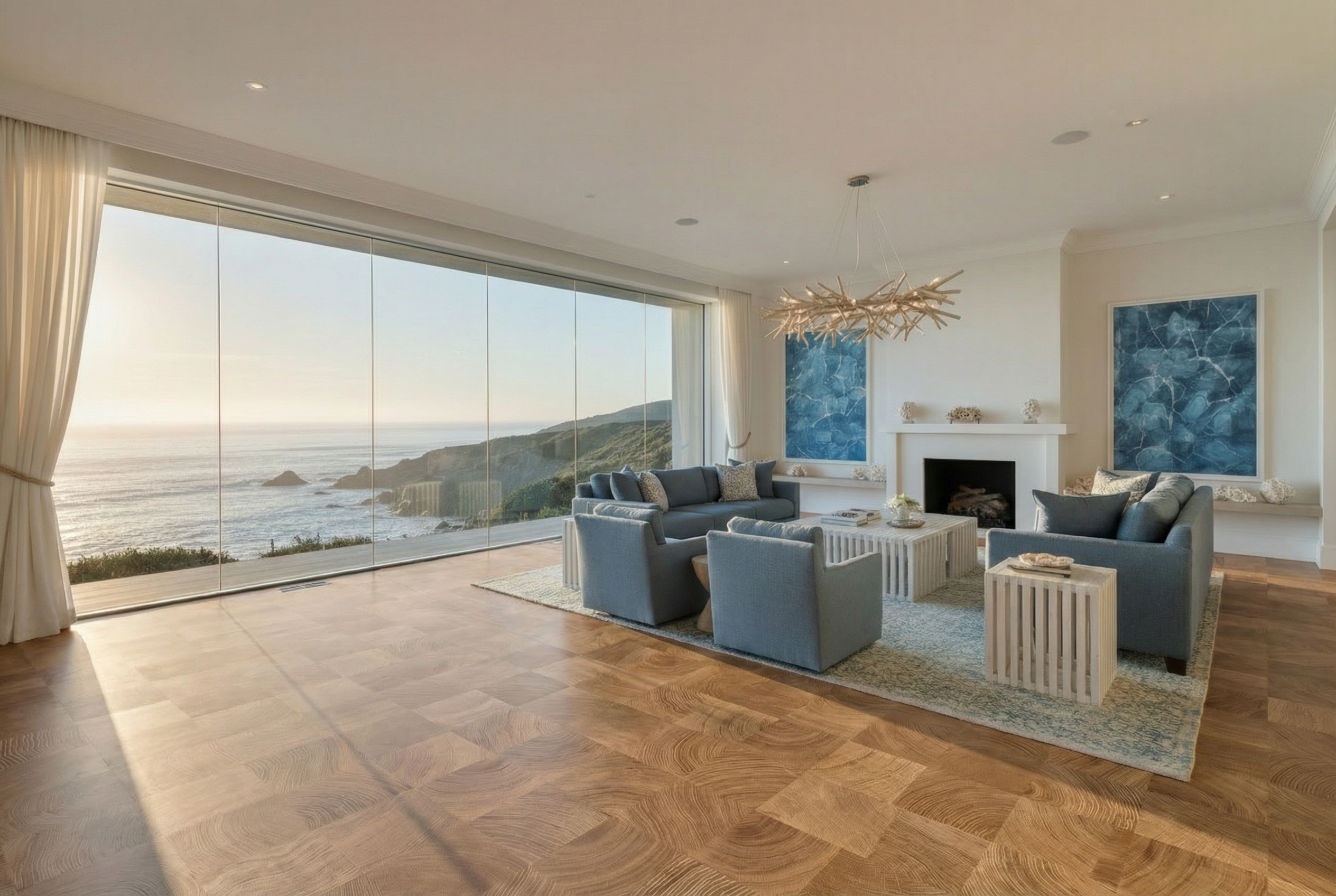
Endgrain Parquet Flooring - Industrial Strength Wood Block Floors
Endgrain parquet flooring represents a distinctive wood block construction method where individual pieces are cut perpendicular to wood grain orientation exposing annual growth rings on the wear surface. This specialized cutting technique, developed during the Industrial Revolution for factory and commercial applications requiring extreme durability, creates floors capable of withstanding compressive forces substantially exceeding capabilities of conventional face-grain wood flooring while delivering unique aesthetic character and superior acoustic dampening properties valued in contemporary residential and commercial environments.
Understanding Endgrain Construction Fundamentals
Endgrain parquet construction begins with wood blocks cut perpendicular to natural fiber orientation creating wear surfaces displaying concentric annual growth rings representing tree aging patterns. Unlike conventional face-grain flooring where wear surfaces expose tangential or radial grain orientation running parallel to growth direction, endgrain blocks position wood fibers vertically relative to floor surfaces creating fundamentally different structural and performance characteristics.
The distinctive appearance results from exposing growth ring patterns varying with wood species, geographic origin, and individual tree growth conditions. Oak displays prominent ring delineation with clear color differentiation between early wood (spring growth) and late wood (summer growth) creating bold circular patterns. Maple shows subtler ring transitions producing more uniform surfaces with gentle circular textures. Coniferous species including Douglas fir exhibit dramatic early/late wood contrast creating high-contrast ring patterns valued for bold visual character.
Block dimensions typically measure 3 to 4 inches square constituting standard commercial sizing balancing material efficiency, installation productivity, and aesthetic scale appropriate for residential and commercial environments. Thickness specifications range from 2 to 4 inches depending on application requirements and source material availability. Industrial applications historically utilized thicker blocks providing maximum compression resistance and extended service life under extreme loading. Contemporary residential installations favor thinner profiles reducing material costs and installation weight while maintaining functional advantages over conventional flooring.
Wood fiber orientation perpendicular to wear surfaces creates endgrain's signature durability advantage. Compression forces from foot traffic, furniture loads, and equipment impact distribute across countless individual wood fibers oriented to resist crushing rather than bending. This structural arrangement proves mechanically superior to face-grain construction where compression loads stress fibers laterally promoting crushing and permanent deformation visible as dents and surface compression.
The cellular structure of wood fibers contributes to endgrain's exceptional acoustic properties. Sound energy entering blocks encounters fiber cavities oriented perpendicular to sound wave propagation direction. Sound waves penetrate fiber structures rather than reflecting off surfaces, with cellular cavities absorbing acoustic energy through internal friction and converting sound to minimal heat dissipation. This natural dampening mechanism reduces ambient noise levels and controls sound reflection making endgrain flooring ideal for recording studios, performance spaces, and noise-sensitive residential environments.
Historical Development and Industrial Heritage
Endgrain wood block flooring emerged during early Industrial Revolution as manufacturing facilities required extremely durable surfaces withstanding heavy machinery, material handling equipment, and continuous foot traffic from workforce activities. Traditional plank flooring failed rapidly under these demanding conditions, with face-grain surfaces compressing and wearing through relatively quickly requiring frequent replacement disrupting production operations.
British textile mills pioneered endgrain block installation during the 1820s and 1830s seeking durable solutions for weaving rooms housing powered looms generating substantial floor impact and vibration. Engineers recognized that butcher blocks constructed from endgrain pieces withstood cleaver impacts and heavy use far exceeding face-grain cutting board performance. Translating this construction method to flooring applications proved remarkably successful, with endgrain blocks delivering service life measured in decades rather than years typical of conventional industrial flooring.
American manufacturing facilities rapidly adopted endgrain technology through the latter 19th century as industrial expansion created enormous demand for durable factory flooring. Sawmills and woodworking plants utilized short log sections and processing waste previously discarded, cutting blocks from material otherwise representing minimal economic value. This material efficiency reduced installation costs while creating valuable product from waste streams supporting circular economy principles decades before that terminology existed.
Chicago meatpacking plants installed extensive endgrain floors in butchering and processing areas during the 1870s and 1880s where exceptional durability, sanitation capability, and worker comfort proved essential. The floors withstood continuous moisture exposure, frequent washing with harsh cleaning agents, and mechanical abuse from material handling equipment while providing resilient walking surfaces reducing worker fatigue during long shifts performing physically demanding tasks. Many original installations remained serviceable through mid-20th century demonstrating extraordinary longevity under severe operating conditions.
Automotive manufacturing facilities constructed during early 20th century featured millions of square feet of endgrain blocks creating durable surfaces supporting assembly line operations, machine tool installations, and material transport throughout production areas. Ford Motor Company's River Rouge Complex incorporated endgrain flooring throughout numerous buildings where the material performed reliably for 50-80 years before eventual replacement during facility modernization programs. Blocks salvaged during demolition and renovation projects now provide reclaimed material for contemporary residential and commercial installations maintaining historical character and proven durability.
Reclaimed Endgrain Material Sources and Character
Contemporary endgrain parquet increasingly utilizes reclaimed wood blocks salvaged from decommissioned industrial facilities, warehouses, and commercial buildings where original installations served reliably for decades creating rich patina and authentic aged character impossible to replicate through artificial distressing or staining techniques.
Reclaimed blocks display wear patterns documenting their service history through subtle surface compression at high-traffic locations, color variations from moisture exposure and natural aging, and occasional surface imperfections including small cracks, checks, or mineral staining adding authentic vintage character. These natural features create floors telling compelling stories about material origins and previous use while delivering proven durability demonstrated through extended successful service under demanding conditions.
Material preparation for reclaimed endgrain involves thorough cleaning removing accumulated dirt, oil, and surface contamination from industrial use. Blocks receive individual inspection identifying pieces requiring repairs or those too damaged for flooring applications. Salvageable blocks undergo planing or sanding exposing fresh wood surfaces while maintaining overall dimensional consistency essential for successful installation. This remanufacturing process balances preserving authentic aged character with achieving quality standards appropriate for residential and commercial flooring applications.
Wood species availability in reclaimed endgrain reflects historical industrial preferences and regional timber resources. Northeastern mills favored hard maple and oak delivering maximum durability with readily available regional materials. Southern facilities utilized longleaf pine and Douglas fir offering good performance characteristics with superior dimensional stability and rot resistance valuable in high-moisture industrial environments. West Coast operations incorporated redwood and other local species providing excellent durability with natural decay resistance eliminating preservation treatments.
New endgrain production utilizes contemporary timber resources creating fresh blocks without aged character typical of reclaimed materials. This approach enables species selection based purely on performance requirements and aesthetic preferences rather than accepting whatever species salvage operations provide. Custom sizing beyond standard 3-4 inch squares becomes feasible including larger blocks creating more dramatic scale or smaller pieces accommodating intricate pattern development.
Superior Compression Resistance and Durability
Endgrain parquet delivers compression resistance substantially exceeding face-grain flooring capabilities making it suitable for demanding applications where conventional wood floors fail prematurely. The mechanical advantage stems from wood fiber orientation perpendicular to load directions allowing fibers to resist compression along their strongest structural axis.
Wood fibers demonstrate approximately three times greater compression strength parallel to grain compared to perpendicular orientation. Face-grain flooring positions fibers horizontally meaning compression loads from foot traffic and furniture act perpendicular to fiber orientation stressing wood across its weakest structural plane. Endgrain construction positions fibers vertically so compression loads act parallel to grain leveraging wood's maximum compression resistance and minimizing permanent deformation from typical service loads.
This mechanical advantage proves particularly valuable in commercial applications including retail stores, restaurants, hospitality venues, and office environments where concentrated loads from fixtures, furniture, and equipment typically indent face-grain floors. Endgrain surfaces resist these loads maintaining appearance quality and functional performance throughout extended service life eliminating expensive refinishing or replacement typical of conventional commercial wood flooring.
Residential applications benefit from endgrain durability in high-use areas including kitchens, family rooms, and entryways where furniture placement, appliance installation, and heavy traffic create concentrated loads. Homeowners appreciate floors maintaining original appearance without developing furniture dents, traffic wear patterns, or compression damage requiring periodic refinishing maintaining appearance quality.
The cellular structure contributing to compression resistance also provides exceptional impact resistance protecting against dents from dropped objects, furniture repositioning, and accidental impacts from household activities. While no wood floor proves completely impervious to damage, endgrain construction minimizes surface damage from routine impacts that visibly mar face-grain installations requiring repair or refinishing maintaining appearance standards.
Acoustic Dampening and Sound Control Properties
Endgrain parquet provides superior acoustic dampening compared to conventional wood flooring creating quieter interior environments through natural sound absorption properties inherent in the material's cellular structure and fiber orientation. This performance characteristic proves valuable in residential, commercial, and specialized applications where noise control contributes significantly to occupant comfort and functional performance.
Sound waves entering endgrain surfaces encounter wood fibers oriented perpendicular to wave propagation direction. This orientation maximizes acoustic energy penetration into the wood structure rather than reflecting from surfaces back into occupied spaces. Sound energy penetrating fiber structures loses intensity through multiple mechanisms including friction within fiber cell walls, air viscosity effects in cell cavities, and structural vibration converting acoustic energy to minimal heat dissipation.
Recording studios value endgrain's acoustic properties creating controlled sound environments essential for high-quality audio production. Floors absorb sound reducing room reverberation and unwanted reflections interfering with recording quality while providing durable surfaces withstanding equipment loads and intensive use from talent, crew, and equipment movement. Major recording facilities worldwide incorporate endgrain flooring in control rooms, live rooms, and performance spaces where acoustic character contributes significantly to sonic signature and recording capability.
Residential applications benefit from reduced footfall noise and lower ambient sound levels creating quieter living environments particularly valuable in multi-story homes or high-density housing where floor noise transmits to adjacent living spaces. Endgrain's natural dampening reduces impact noise from footsteps, dropped objects, and furniture movement without requiring extensive soundproofing underlayments or construction modifications.
Open-plan commercial spaces including restaurants, offices, and hospitality venues utilize endgrain flooring controlling sound reflection and reducing ambient noise levels improving speech intelligibility and creating more comfortable acoustic environments for patrons and workers. The floors complement other acoustic treatments including ceiling panels and wall absorption maintaining acceptable noise levels in acoustically challenging environments featuring hard surfaces and limited sound absorption.
Wood Species Selection and Performance Characteristics
Wood species selection for endgrain parquet balances durability requirements, aesthetic preferences, material availability, and budget constraints creating installations optimized for specific application conditions and design objectives.
White oak represents premium endgrain choice delivering exceptional hardness (Janka 1360), attractive growth ring patterns, and natural rot resistance from tyloses closure in wood pores. The species produces dramatic circular grain patterns on endgrain surfaces with clear color differentiation between spring and summer wood creating bold visual character. Oak's widespread availability and proven performance in demanding industrial applications make it standard specification for high-quality endgrain installations.
Hard maple provides maximum hardness (Janka 1450) among commonly available domestic species creating extremely durable endgrain floors suitable for most demanding commercial and industrial applications. The wood's pale cream color and subtle growth ring patterns produce lighter, more uniform appearance compared to oak's dramatic grain contrast. Maple installations suit contemporary design aesthetics favoring minimal texture and refined simplicity while delivering superior performance characteristics.
Douglas fir offers excellent performance characteristics with more economical pricing compared to hardwoods making it practical choice for large-scale commercial installations or budget-conscious residential projects. The species displays prominent growth ring contrast creating bold endgrain character with warm honey to reddish-brown coloring. Moderate hardness (Janka 660) proves adequate for normal commercial and residential applications though insufficient for extreme industrial loading or high-abuse environments.
Longleaf pine, also called heart pine, provides unique American heritage species with exceptional durability from slow growth producing extremely tight growth rings and high resin content. Reclaimed longleaf from demolished industrial buildings delivers rich amber coloring and proven performance documented through century-long service in demanding applications. Limited availability and premium pricing restrict this species to high-end residential and boutique commercial projects valuing authentic historical character.
Exotic species including teak, ipe, and various tropical hardwoods deliver extreme hardness and natural decay resistance suitable for demanding indoor applications or exterior installations requiring maximum durability. These materials suit luxury residential projects and high-end commercial spaces where premium performance and distinctive appearance justify substantially higher material costs compared to domestic species.
Installation Methods and Technical Requirements
Endgrain parquet installation requires specialized knowledge and careful attention to technical details ensuring successful outcomes delivering anticipated performance and appearance quality throughout extended service life.
Subfloor preparation establishes foundation for successful installation. Endgrain blocks require perfectly flat, structurally sound subfloors supporting substantial weight without deflection or movement causing adhesive bond failure or block displacement. Concrete subfloors provide ideal substrate with adequate thickness and proper curing delivering stable platform. Wood subfloors require reinforcement achieving rigidity preventing movement under concentrated loads from block weight and service conditions.
Moisture control proves critical for endgrain success. Blocks absorb moisture through exposed end grain surfaces approximately 10-15 times faster than face grain absorption rates creating substantial dimensional change risks if moisture conditions vary significantly. Installations over concrete require thorough moisture testing confirming subfloor dryness within specification limits. Vapor barriers prevent ground moisture migration through concrete slabs causing block swelling and adhesive failure.
Adhesive selection requires high-strength formulations compatible with endgrain absorption characteristics and application conditions. Urethane adhesives provide excellent bond strength with moisture resistance and flexibility accommodating limited wood movement. Two-part epoxy systems deliver maximum bond strength suitable for demanding commercial and industrial applications though higher material costs and challenging working characteristics limit residential use.
Installation proceeds with careful attention to pattern layout, block orientation, and joint alignment creating visually balanced compositions. Most installations arrange blocks in running bond patterns similar to brick laying or basketweave configurations creating geometric texture. Custom patterns including concentric circles, radiating designs, or company logos prove feasible though significantly increasing installation complexity and labor costs.
Block spacing and grouting requirements depend on application conditions and aesthetic objectives. Tight-jointed installations minimize gaps between blocks creating continuous surfaces though requiring perfect dimensional consistency and expert installation. Spaced installations intentionally create visible joints subsequently filled with grout or flexible joint fillers accommodating dimensional variation and simplifying installation while creating distinctive linear pattern emphasizing individual block geometry.
Finishing Systems and Surface Protection
Finishing endgrain parquet presents unique challenges compared to face-grain flooring due to higher absorption rates and distinctive surface characteristics requiring specialized product selection and application techniques achieving durable, attractive results.
Penetrating oil finishes prove ideal for endgrain applications delivering natural appearance while avoiding surface film buildup that might peel or delaminate from differential wood movement. Oil formulations penetrate deeply into exposed end grain fibers creating moisture resistance and wear protection throughout material thickness rather than relying solely on surface coatings. Linseed oil, tung oil, and proprietary oil blends each offer specific performance characteristics and appearance qualities suiting different application requirements.
Hardwax oil hybrid systems combine penetrating oil benefits with surface wax protection enhancing durability and simplifying maintenance compared to pure oil finishes. These products prove popular for residential and commercial installations balancing authentic natural appearance with practical performance meeting contemporary expectations. Multiple coat applications build sufficient protection while maintaining the matte surfaces and tactile character distinguishing endgrain from conventional finished flooring.
Water-based urethane finishes adapt successfully to endgrain applications when modified with penetrating sealers controlling absorption and providing foundation for film forming topcoats. Initial sealer coats penetrate fiber structures limiting subsequent finish absorption and building even surfaces for topcoat application. This approach delivers maximum durability with lower maintenance requirements compared to oil finishes though sacrificing some natural appearance character valued in premium installations.
Industrial epoxy coatings create impervious surfaces suitable for commercial and industrial applications requiring maximum moisture resistance, chemical tolerance, and mechanical durability. These systems build substantial film thickness filling block joints and creating monolithic surfaces withstanding demanding service conditions including food processing facilities, laboratories, and industrial work areas. Glossy appearance and synthetic character limit residential applications though functionality justifies aesthetics in appropriate commercial environments.
Maintenance Requirements and Long-Term Care
Endgrain parquet maintenance requirements vary with finish selection though generally prove straightforward with appropriate care protocols maintaining appearance and performance throughout extended service life.
Oil-finished floors require periodic reapplication maintaining protection and appearance quality. Application frequency depends on traffic levels and use conditions ranging from annual treatment for high-traffic commercial spaces to 3-5 year intervals for residential installations. Oil application involves simple cleaning, surface preparation, and oil application with cloth or applicator pads followed by buffing removing excess material. This maintenance requires minimal technical expertise and avoids extensive sanding or professional refinishing services.
Film-finished endgrain utilizing urethane or similar coatings requires periodic screening and recoating when surface wear becomes excessive. Commercial installations typically need recoating every 3-5 years depending on traffic levels. Residential applications extend intervals to 10-15 years. Screening involves light abrasion dulling existing finish and providing mechanical tooth for new finish adhesion without removing significant material thickness or requiring complete finish removal typical of conventional refinishing.
Daily maintenance includes dry dust mopping or vacuuming removing loose dirt and debris before abrasive particles cause finish wear or surface scratches. Weekly damp cleaning using appropriate wood floor cleaners removes accumulated soils without excessive moisture risking wood swelling or finish damage. Immediate cleanup of spills prevents moisture absorption and staining maintaining appearance quality.
Protective measures extend maintenance intervals and preserve appearance quality. Entry mats capture dirt and moisture before reaching wood floors. Area rugs in high-traffic zones distribute wear preventing concentrated patterns. Furniture pads protect against scratches and dents from moving furniture. These simple precautions significantly reduce maintenance requirements and extend service life justifying minimal effort investment.
Design Applications and Architectural Integration
Endgrain parquet suits diverse residential and commercial applications where unique aesthetic character, exceptional durability, and acoustic properties create functional and design value justifying premium investment compared to conventional flooring alternatives.
Recording studios and performance spaces utilize endgrain achieving acoustic control essential for high-quality audio production. Floors provide durable surfaces supporting equipment loads while natural dampening properties improve room acoustics controlling reflections and reducing ambient noise. Major recording facilities worldwide specify endgrain for control rooms, live rooms, and performance spaces where acoustic character contributes to facility reputation and recording quality.
Loft and industrial-style residential conversions leverage endgrain's authentic industrial heritage creating design continuity with architectural character. Original factory floors preserved during building renovation provide authentic historical character impossible replicating through new construction. Where original floors prove unsuitable for preservation, new endgrain installations maintain aesthetic consistency with building heritage creating authentic rather than stylized industrial character.
Commercial kitchens and food service facilities value endgrain's durability, moisture resistance, and sanitation capability creating practical work surfaces withstanding demanding operating conditions. Floors resist compression from equipment loads, withstand frequent cleaning with commercial sanitizers, and provide resilient walking surfaces reducing worker fatigue during long shifts. Historical precedent from meatpacking plants and food processing facilities demonstrates proven performance under similar demanding conditions.
Boutique retail environments utilize endgrain creating distinctive flooring differentiating brand identity and customer experience. The unusual appearance and tactile character create memorable environments supporting premium brand positioning while delivering practical durability justifying investment in high-traffic commercial applications. Heritage brands particularly value authentic industrial character aligning with historical narratives and craftsmanship positioning.
Contact Walter's Flooring for Endgrain Parquet
Explore endgrain parquet possibilities at our Los Angeles showroom featuring material samples, finish options, and completed installation examples demonstrating appearance and performance characteristics. Our experienced team provides expert guidance through species selection, pattern design, and installation planning creating custom solutions optimized for your specific requirements.
Contact us today to discuss your endgrain parquet project:
Phone: 213-792-5908
Email: info@legnohardwood.com
Address: 9216 S. Vermont Ave, Los Angeles, CA 90044
Showroom Hours:
Monday - Friday: 8:00 AM - 5:00 PM
Saturday & Sunday: By Appointment
Whether planning recording studio construction, loft conversions, commercial food service facilities, or residential projects requiring exceptional durability and unique aesthetic character, Walter's Flooring delivers materials, expertise, and installation support creating extraordinary endgrain parquet floors combining industrial heritage with contemporary performance.
Explore Expanded Options
Browse additional parquet patterns, wood species combinations, and custom geometric designs not shown on this page.
View Full Gallery →