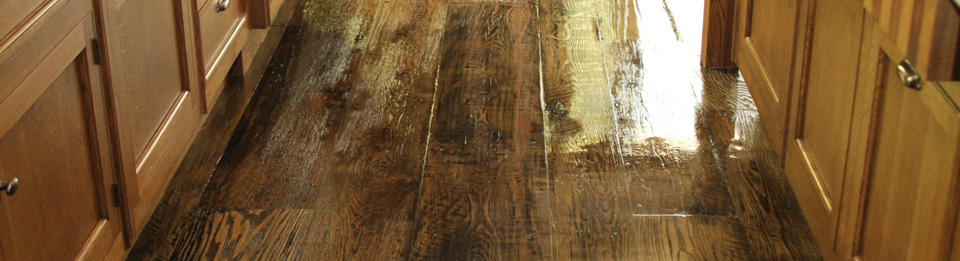
Reclaimed Wire Brush Flooring
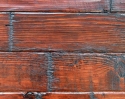
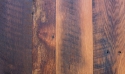
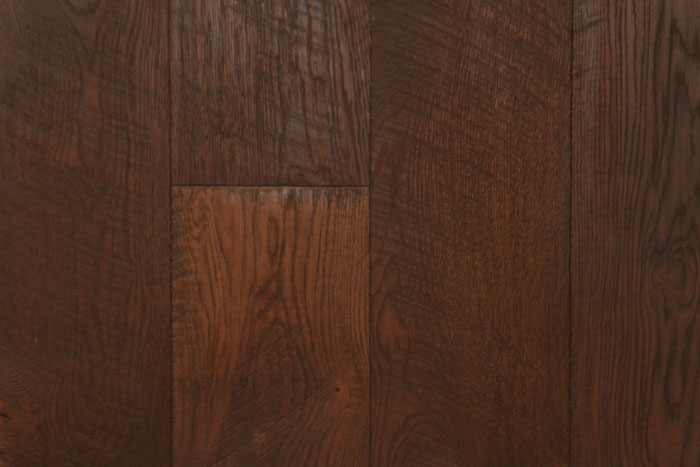 Reclaimed wire brush flooring combines the irreplaceable character of centuries-old reclaimed wood with the distinctive European-inspired texture created by specialized wire brushing techniques. This meticulous hand-finishing process removes softer wood fibers while preserving the harder growth rings, creating a tactile surface that showcases the wood's natural grain patterns with exceptional clarity and depth.
When you choose reclaimed wirebrush flooring, you're selecting floors that offer both visual drama and practical benefits. The wire brushing technique creates a slip-resistant surface that's easier to maintain than smooth-finished floors, while the reclaimed wood source ensures environmental responsibility and one-of-a-kind character in every plank. This is flooring that tells a story—wood salvaged from historic barns, warehouses, and mills, then enhanced with artisan finishing techniques that honor its heritage while optimizing its performance.
What is Reclaimed Wire Brush Flooring?
Reclaimed wire brush flooring represents the intersection of sustainable building practices and artisan craftsmanship. The process begins with carefully sourced reclaimed lumber—typically 50 to 200+ years old—salvaged from deconstructed structures across North America. This vintage wood is then milled into flooring planks and subjected to a specialized wire brushing process that enhances the wood's inherent beauty while creating a uniquely textured surface.
The wire brushing technique uses rotating wire brushes to gently abrade the wood surface, removing the softer early-growth wood (spring growth) while leaving the denser late-growth wood (summer growth) intact. This differential removal creates a textured surface that follows the wood's natural grain patterns, making growth rings visually and tactilely prominent. The result is flooring with exceptional dimensional character—you can see and feel the wood's growth history beneath your feet.
Unlike smooth-finished reclaimed flooring or heavily distressed reclaimed wood floors, wire brushed finishes occupy a middle ground: they're noticeably textured but not rough, with a refined tactile quality that reads as sophisticated rather than rustic. This makes reclaimed wirebrush flooring exceptionally versatile, suitable for settings ranging from contemporary lofts to traditional estates.
The Wire Brushing Process
Our wire brush flooring manufacturing process begins after reclaimed lumber has been carefully selected, inspected for structural integrity, and milled to precise thickness and width specifications. The wire brushing itself is a multi-stage process:
Initial Brushing: Rotating wire brushes with carefully calibrated bristle stiffness make the first pass across the wood surface. This initial stage removes the softer wood fibers, creating the fundamental texture. The depth and aggressiveness of this first brushing determine the final texture profile—we can create subtle texturing for a refined look or more pronounced texturing for dramatic effect.
Directional Brushing: The brushing always follows the wood grain direction, ensuring that the natural growth pattern guides the texture development. Cross-grain brushing would damage the wood and create an artificial appearance; proper directional brushing enhances what's already present in the wood's structure.
Secondary Refinement: After initial brushing, finer wire brushes or abrasive pads may be used to refine the texture, smoothing any sharp edges while maintaining the dimensional quality. This step ensures the floor is pleasantly tactile without being uncomfortable underfoot or problematic for cleaning.
Cleaning and Preparation: Wire brushing creates fine wood dust that settles into the texture valleys. Thorough cleaning removes this debris, preparing the surface for finishing. This step is critical for finish adhesion and final appearance.
The entire process requires skilled operators who understand how different wood species respond to wire brushing. Reclaimed oak, for example, has pronounced growth rings that wire brush beautifully, creating dramatic texture. Reclaimed walnut has subtler grain differences, resulting in more refined texturing. Understanding these species-specific characteristics ensures optimal results.
Reclaimed Wire Brush Flooring Specifications
Our reclaimed wire brushed hardwood flooring is available in multiple configurations to suit diverse project requirements:
- Widths: 3" - 12" (wider planks showcase the wire brushing effect more dramatically)
- Thickness: 3/4" solid or 7/8" solid (thicker boards allow for future refinishing)
- Standard Lengths: 1.5' - 12' (random lengths create authentic period appearance)
- Long Lengths: 4' - 16' (premium selection with fewer seams, higher cost)
- Janka Hardness: Varies by species (1300 for oak, 1010 for walnut, 1820 for hickory)
- Moisture Content: 6-8% (properly kiln-dried for dimensional stability)
- Profile: Tongue and groove or square edge (depending on installation method)
Available Wood Species for Wire Brush Flooring
While reclaimed wirebrush oak flooring is our most popular option due to oak's pronounced grain structure, we offer wire brushed finishing across our complete range of reclaimed species:
Oak Species: Both American reclaimed oak and reclaimed European oak respond exceptionally well to wire brushing. The distinct growth ring differentiation in oak creates bold texturing that's ideal for contemporary and traditional settings alike. European oak tends to have tighter grain, resulting in more refined texture compared to American oak's more pronounced rings.
Walnut: Reclaimed walnut with wire brushing offers sophisticated texture without the dramatic grain visibility of oak. The rich chocolate to purple-brown tones are enhanced by the texturing, which creates subtle shading variations. Walnut wire brush flooring excels in upscale residential projects and hospitality installations where refined elegance is paramount.
Hickory: With its extreme hardness (Janka 1820) and highly varied grain patterns, reclaimed hickory
Chestnut: Reclaimed American chestnut, salvaged from pre-blight trees, is exceptionally rare and historically significant. Wire brushing chestnut requires particular care due to its moderate softness, but the results showcase its distinctive straight grain and warm honey tones beautifully. Chestnut wire brush floors are statement pieces that honor American forestry history. Douglas Fir: Reclaimed Douglas fir with wire brushing creates pronounced texture due to the species' dramatic growth ring differentiation. The grain patterns in old-growth fir are exceptionally tight and uniform, and wire brushing makes these rings stand out in relief. This is ideal for rustic, craftsman, or industrial design schemes. Maple, Heart Pine, and Beyond: We also wire brush reclaimed maple (resulting in subtle texture due to maple's fine grain), reclaimed heart pine (showcasing the resin-rich heartwood), and other species upon request. Each species responds differently to wire brushing, creating unique aesthetic and tactile qualities. Understanding how wire brush finishing compares to other texturing methods helps you select the optimal finish for your project: Wire Brushing vs. Hand Scraping: Hand scraped flooring features irregular surface undulations created by running sharp blades across the wood at varying angles. This creates a heavily rustic appearance with random texture patterns. Wire brushing, by contrast, follows the natural grain, creating organized texture that's more refined and contemporary-compatible. Hand scraping is more visually dramatic; wire brushing is more tactilely engaging. Wire Brushing vs. Smooth Finishing: Smooth-finished reclaimed flooring emphasizes color and grain figure without surface texture. This traditional approach showcases wood character through visual elements alone. Wire brushing adds a third dimension—tactile engagement—while also improving slip resistance and hiding minor wear over time. Smooth floors show every scratch; wire brushed surfaces camouflage minor damage within their texture. Wire Brushing vs. Saw Marking: Some reclaimed flooring features circular saw marks or band saw texture from historic milling equipment. This texture is irregular and closely spaced. Wire brushing creates more uniform texture that follows grain direction rather than cutting pattern, resulting in a more refined appearance while still providing tactile interest. Wire Brushing vs. Hit or Miss Texturing: Hit or miss finishing involves random hand scrape or adze marks distributed irregularly across the floor. Wire brushing covers the entire surface uniformly, creating consistent texture throughout every plank. Hit or miss is more rustic and cottage-appropriate; wire brushing suits modern and transitional designs better. The wire brushed texture must be protected with appropriate finishing products that penetrate into the texture valleys while building on the raised surfaces: Hard Wax Oil Finish: Our most popular choice for wire brush hardwood flooring, hard wax oils penetrate into the wood while leaving a thin protective layer on the surface. This finish type accentuates the tactile quality of wire brushing while providing excellent wear resistance. Hard wax oil finishes are easily spot-repaired and develop a beautiful patina over time. They offer low sheen (10-20 gloss units) that reads as natural and sophisticated. Water-Based Polyurethane: For maximum durability in high-traffic applications, water-based poly creates a clear protective film over the wire brushed texture. Modern water-based formulations have minimal amber tint, preserving the wood's natural color. This finish type offers excellent abrasion resistance and is available in matte, satin, or semi-gloss sheens. The texture remains visible beneath the clear coating. Tung Oil Finish: Pure tung oil provides a traditional hand-rubbed appearance with excellent moisture resistance. This finish penetrates deeply, enhancing the wood's natural color while providing modest surface protection. Tung oil is ideal for lower-traffic residential settings where authentic period appearance matters more than maximum durability. The finish showcases wire brushed texture beautifully with a subtle satin sheen. UV-Cured Finishes: For prefinished engineered wire brush flooring, UV-cured finishes offer factory-applied durability that exceeds field-applied products. The UV curing process creates an exceptionally hard surface that's immediately ready for traffic. This is ideal for commercial projects with tight timelines. Custom Color with Finish: We can apply stains or reactive colorants before finish application, creating unlimited color possibilities while maintaining the wire brushed texture. Popular options include weathered gray stains, whitewash treatments, natural oil tones, and custom color matching. The wire brushed texture creates tonal variation in stained floors—the raised grain areas take stain differently than the valleys, creating subtle shading that adds depth. One of the most exciting aspects of reclaimed wire brush flooring is the unlimited color customization available. The wire brushed texture interacts with color treatments to create dimensional shading impossible with smooth surfaces: Natural/Clear Finish: Leaving the reclaimed wood in its natural state with only clear finish showcases the authentic aged color variations. Reclaimed oak displays honey to medium brown tones with gray undertones. Reclaimed walnut shows chocolate to purple-brown coloring. This approach celebrates the wood's history. Weathered Gray Tones: Gray staining on wire brushed reclaimed flooring creates a sophisticated, contemporary appearance. The texture valleys hold more stain, creating darker crevices that contrast with lighter raised grain. This produces a variegated gray appearance rather than flat monochrome. Browse our gray tone color options for inspiration. Whitewash and Limed Finishes: White pigmented oils or liming wax applied to wire brushed texture create dramatic contrast—white in the grain valleys, natural wood on the raised surfaces. This Scandinavian-inspired look works beautifully with European oak wire brushing. See our whitewash flooring gallery. Rich Brown and Espresso Tones: Darker staining on wire brushed floors creates depth through the texture interaction. Raised grain areas may be sanded slightly before staining to create two-tone effects—dark in the valleys, lighter on the peaks. This enhances the three-dimensional quality. View medium brown, antique brown, and dark color options. Custom Color Matching: Bring us a sample or photo, and our finishing team can match virtually any color while maintaining the wire brushed texture. We regularly match specific design scheme requirements, existing floors in remodel projects, and brand color standards for commercial installations. Reclaimed wire brush hardwood flooring can be installed using multiple methods depending on subfloor conditions, project requirements, and budget considerations: Nail-Down Installation: This traditional method is ideal for 3/4" solid wire brushed flooring installed over wood subfloors. Boards are blind-nailed through the tongue using a flooring nailer, creating a permanent installation that can be sanded and refinished multiple times over decades. This is our recommended approach for solid reclaimed wirebrush oak and other species in new construction or renovation projects with plywood or OSB subfloors. Glue-Down Installation: For installations over concrete slabs or when sound dampening is critical, glue-down installation adheres planks directly to the subfloor using urethane-based flooring adhesive. This method works with both solid and engineered wire brush flooring. The glued installation is extremely stable and suitable for commercial applications or radiant heat systems. Floating Installation: Some engineered wire brushed floors can be installed as floating systems over appropriate underlayment. Planks lock or glue together at their edges but don't attach to the subfloor. This allows for installation over existing floors in some cases and simplifies future removal. However, the tactile nature of wire brushing makes floating installations less ideal—the texture is best appreciated with the solid feel of nailed or glued floors. Radiant Heat Installation: Wire brushed engineered reclaimed flooring is compatible with radiant heating systems when properly installed. The dimensional stability of engineered construction combined with the slip-resistant wire brushed texture makes this an excellent choice for bathrooms, kitchens, and whole-home radiant installations. Glue-down installation is required for radiant applications to ensure proper heat transfer. Selecting reclaimed wire brushed hardwood flooring for your project delivers multiple benefits beyond aesthetic appeal: Environmental Responsibility: Every square foot of reclaimed flooring represents wood diverted from landfills and trees that don't need to be harvested. The environmental advantage is significant—reclaimed wood has near-zero embodied energy for growth and minimal carbon footprint for transportation compared to new lumber. Wire brushing this reclaimed material adds value through craftsmanship without additional resource extraction. Superior Stability: Reclaimed lumber has been air-drying for decades or centuries. This extended aging period allows the wood to reach equilibrium moisture content and release internal stresses. The result is flooring that's more dimensionally stable than new lumber—less prone to warping, cupping, or gapping. When manufactured into engineered wire brush floors, this stability is further enhanced through the multi-layer construction. Unmatched Character: The grain patterns, color variations, and growth characteristics in reclaimed lumber come from trees that grew slowly in old-growth forests. The tight growth rings visible in wire brushed texture represent decades of gradual development, creating wood that's denser and more figured than fast-grown plantation timber. Nail holes, saw marks, and weathering from the wood's previous life add historical character that cannot be replicated. Slip Resistance: The textured surface created by wire brushing provides meaningful slip resistance compared to smooth-finished floors. The raised grain creates micro-traction that's particularly beneficial in kitchens, bathrooms, entries, and commercial spaces. This safety feature doesn't compromise aesthetics—the texture is refined rather than rough. Easy Maintenance: Wire brushed texture helps hide dust, minor scratches, and everyday wear. Smooth floors show every particle; textured floors camouflage it within the grain relief. This means wire brushed floors maintain their appearance with less frequent cleaning and look newer longer. When deep cleaning is needed, the texture actually helps cleaning solutions reach into the wood grain for more thorough results. Refinishing Potential: Solid 3/4" reclaimed wire brush flooring can be sanded and refinished multiple times over its lifespan. While deep sanding will reduce the wire brushed texture, the floor can be re-wire-brushed during refinishing to restore the textured appearance. This means your floor can serve multiple generations with periodic renewal. Acoustic Properties: The textured surface of wire brushed flooring has different acoustic properties than smooth floors—the micro-relief breaks up sound reflection slightly, reducing the hollow echo common with smooth hardwood. While not a dramatic difference, it contributes to more pleasant acoustics in open-plan spaces. Understanding the differences between solid and engineered construction helps you select the optimal product for your specific installation conditions: Solid Reclaimed Wire Brush Flooring: Each plank is milled from a single piece of reclaimed lumber, with wire brushing applied to the face. Solid floors offer maximum refinishing potential—they can be sanded down 3/8" or more over their lifetime, allowing for multiple refinish cycles. This makes solid wire brush floors ideal for heirloom installations where hundred-year longevity matters. However, solid flooring requires wood subfloors for nail-down installation and is more susceptible to moisture-related movement than engineered alternatives. Engineered Reclaimed Wire Brush Flooring: These boards feature a reclaimed wood wear layer (typically 1/8" to 1/4" thick) with wire brushed texture, bonded to a plywood or HDF core. The cross-layer construction provides exceptional dimensional stability—engineered floors resist seasonal expansion and contraction better than solid. This makes engineered reclaimed wirebrush flooring ideal for installations over concrete, in below-grade spaces, in climates with extreme humidity swings, and over radiant heat. The wire brushed wear layer still provides authentic texture and appearance, with enough thickness for at least one refinishing if needed. Which to Choose: Select solid wire brush flooring when installing over wood subfloors in climate-controlled spaces where traditional solid hardwood is appropriate. Choose engineered when installing over concrete, over radiant heat, in challenging moisture conditions, or when maximum stability is required. Both offer the same wire brushed aesthetic—the difference is in structural performance and installation flexibility. Reclaimed wire brush flooring is remarkably versatile, enhancing design schemes from traditional to contemporary: Modern Minimalist Interiors: The refined texture of wire brushing adds subtle visual interest to otherwise spare contemporary spaces. Gray-toned wire brushed oak or walnut provides organic warmth without competing with clean-lined modern furnishings. The slip-resistant texture is practical in open-plan homes with polished concrete walls and minimal decor. Transitional Residential Design: Wire brushed reclaimed floors bridge traditional and contemporary elements seamlessly. The crafted texture references hand-finished historic floors while the refined execution reads as current. This makes wire brush flooring ideal for updated classic homes where period character meets modern convenience. Rustic and Farmhouse Aesthetics: When combined with wider planks (8"-12"), longer lengths, and natural or antique brown staining, wire brushed reclaimed flooring delivers authentic rustic character. The texture enhances the weathered, handcrafted appearance appropriate to reclaimed barn beams, sliding barn doors, and shiplap walls. Commercial Hospitality: Restaurants, boutique hotels, and tasting rooms use wire brushed reclaimed flooring to create memorable guest experiences. The texture provides slip resistance and durability while the reclaimed material tells a sustainability story that resonates with environmentally conscious consumers. Wire brushing hides the accelerated wear that commercial foot traffic creates. Retail and Office Spaces: Corporate offices and retail spaces increasingly specify wire brushed reclaimed floors to project authenticity and environmental values. The texture reduces the clinical feeling of smooth surfaces while the reclaimed material differentiates the space from standard commercial build-outs. Maintaining your reclaimed wire brush hardwood flooring requires understanding how the textured surface interacts with cleaning practices: Regular Cleaning: Vacuum or sweep regularly using soft bristle attachments that won't scratch the finish. The wire brushed texture traps slightly more dust than smooth floors, but proper weekly cleaning prevents accumulation. Microfiber dust mops work exceptionally well—the fibers reach into texture valleys while the electrostatic properties capture fine particles. Damp Mopping: Use hardwood-specific pH-neutral cleaners diluted according to manufacturer instructions. Lightly dampened (not soaking wet) microfiber mops clean wire brushed texture effectively. Avoid excessive water, which can penetrate into texture valleys and compromise the finish over time. Change mop water frequently to avoid redistributing dirt into the texture. Spot Cleaning: Address spills immediately by blotting (not wiping) to prevent liquids from settling into texture valleys. The wire brushed relief creates multiple small reservoirs that can trap liquids—prompt response prevents penetration. For sticky residues, use hardwood-safe cleaners on a soft cloth, working in the direction of the grain/texture. Protective Measures: Use area rugs in high-traffic zones and entry mats to trap grit before it reaches the floor. The wire brushed texture is relatively forgiving of minor grit compared to smooth floors, but prevention is still ideal. Use felt pads under furniture legs to prevent concentrated pressure that could compress the finish into texture valleys. Periodic Maintenance: Depending on your finish type, periodic re-coating may extend floor life. Hard wax oil finishes can be refreshed with new oil application every few years—the product penetrates into any worn areas within the texture. Water-based polyurethane may require professional screen-and-recoat service every 5-10 years depending on traffic levels. Long-Term Refinishing: When your solid wire brush floor eventually needs complete refinishing (typically after 15-30 years in residential settings), professional floor refinishers can sand the surface and re-apply wire brushing before new finish. This restores the texture and appearance to like-new condition, one of the key advantages of solid reclaimed construction. vs. New Wood Wire Brush Flooring: While wire brushing can be applied to new lumber, reclaimed wire brush floors offer character advantages that new wood cannot match. The aged patina, color variation, growth ring density, and historical significance of reclaimed lumber create flooring with genuine story and soul. New wood wire brushing creates texture but lacks the dimensional color variation and tight grain figure of century-old timber. Choose reclaimed when authenticity and environmental values matter; new wood wire brushing is appropriate when budget constraints or availability issues limit reclaimed options. vs. Smooth Reclaimed Flooring: Both textured and smooth finishes on reclaimed wood showcase historical character, but they serve different design intentions. Smooth finishes emphasize color and figure, creating refined traditional appearance. Wire brushed finishes add tactile engagement and contemporary edge. Smooth floors suit formal traditional settings; wire brushed floors bridge traditional and modern design. The practical slip resistance and wear-hiding properties of wire brushing make it functionally superior for active households and commercial spaces. vs. Laminate or LVT Faux Wood: While some laminate and luxury vinyl tile products attempt to replicate wire brushed wood appearance through embossed textures, the simulation falls short of authentic reclaimed wire brush hardwood. Real wire brushing creates infinite textural variation following the actual grain patterns in each unique board. Synthetic embossing repeats the same texture pattern identically across multiple planks, creating an artificial appearance upon close inspection. More importantly, synthetic products lack the environmental benefits, refinishing potential, and long-term value retention of real reclaimed hardwood. Reclaimed wire brush flooring represents a premium investment compared to standard new hardwood, but the value proposition includes multiple factors: Material Costs: Reclaimed lumber sourcing, sorting, milling, and wire brushing create higher production costs than standard hardwood flooring. Expect to invest 30-70% more for reclaimed wire brush floors versus comparable new hardwood. However, this premium purchases irreplaceable material with genuine historical provenance, environmental credentials, and character that appreciates over time. Installation Costs: Installation labor for wire brushed reclaimed flooring is comparable to smooth hardwood—the texture doesn't significantly complicate installation. Standard rates for nail-down, glue-down, or professional installation apply. The dimensional stability of properly manufactured reclaimed flooring may actually reduce installation challenges compared to new lumber that hasn't completed its aging process. Long-Term Value: High-quality reclaimed wire brush floors add measurable value to properties. Potential home buyers recognize authentic reclaimed material as a premium feature, particularly in markets where environmental responsibility and unique character are valued. The decades-long lifespan and refinishing potential mean your flooring investment serves multiple generations, dramatically reducing the cost-per-year of ownership. Energy and Environmental Returns: While not directly financial, the environmental returns on reclaimed flooring investment are substantial. By choosing reclaimed over new lumber, you avoid the carbon emissions, habitat disruption, and resource extraction associated with new timber harvesting. This aligns your project with sustainability values increasingly important to environmentally conscious consumers and building certification programs like LEED. Commercial applications for wire brush reclaimed hardwood are expanding as businesses recognize the branding and performance advantages: Restaurant and Hospitality: Wine bars, brewpubs, farm-to-table restaurants, and boutique hotels use wire brushed reclaimed floors to create memorable atmospheres that align with authenticity and sustainability marketing. The slip-resistant texture provides critical safety in food service environments while the reclaimed material tells a story that resonates with guests. The durability of properly finished wire brush floors withstands commercial foot traffic better than smooth alternatives that show every scuff. Retail Environments: Clothing boutiques, furniture showrooms, and artisan marketplaces install wire brushed reclaimed flooring to differentiate from generic commercial spaces. The textured floor creates sensory engagement—customers notice and remember spaces with distinctive flooring. The environmental story provides marketing content for brands positioning themselves as sustainable. Corporate Office Design: Forward-thinking companies moving away from sterile corporate environments specify wire brushed reclaimed floors in conference rooms, executive offices, and collaborative spaces. The material communicates values—craftsmanship, sustainability, permanence—while the texture creates warmth in spaces that could otherwise feel impersonal. Institutional Applications: Libraries, museums, educational institutions, and civic buildings use reclaimed wood flooring to create connection with regional history. Wire brushing enhances durability while maintaining period-appropriate appearance. The educational component—explaining the wood's origin and the wire brushing process—adds interpretive content to the built environment. Proper subfloor preparation is critical for successful wire brush hardwood flooring installation: Wood Subfloor Installation: For nail-down installation over plywood or OSB subfloors, ensure the subfloor is clean, level (within 3/16" over 10 feet), and securely fastened. The wire brushed texture won't hide subfloor irregularities—proper preparation prevents squeaks and premature finish wear. Install appropriate moisture barriers if the subfloor is over crawlspace or unheated basement. See detailed installation guidelines. Concrete Subfloor Installation: Glue-down installation over concrete requires moisture testing to ensure slab moisture content is within acceptable ranges (typically below 3 lbs/1000 sq ft per calcium chloride test). The wire brushed texture makes proper adhesive coverage critical—incomplete bonding can cause hollow spots that telegraph underfoot. Use trowels with appropriate notch depth to ensure complete contact. Radiant Heat Installation: When installing engineered wire brush flooring over radiant heat, follow manufacturer protocols for system startup and operation. The wire brushed texture doesn't affect thermal performance, but proper installation ensures even heat distribution. Glue-down installation is required—nail-down creates air gaps that impede heat transfer. At Walter's Flooring, we've specialized in reclaimed wood flooring and artisan finishing techniques for over three decades. Our reclaimed wire brush hardwood flooring reflects this deep expertise: Authentic Reclaimed Sourcing: We maintain relationships with deconstruction specialists across North America, accessing genuine reclaimed lumber from barns, warehouses, factories, and historic structures. Every board has verified provenance—we can often identify the original structure and approximate age of the timber. This isn't "reclaimed-look" flooring; it's the real thing. Expert Wire Brushing: Our craftspeople understand how different species, grain patterns, and original textures respond to wire brushing. We adjust technique based on each board's characteristics, ensuring optimal texture development. This artisan approach creates superior results compared to automated wire brushing that applies uniform processing regardless of wood variation. Custom Capabilities: While we offer standard wire brush oak and other species, we excel at custom projects. Bring us your design vision—specific color targets, texture preferences, width and length specifications—and we'll manufacture flooring that precisely matches your requirements. Our custom capabilities extend to matching existing historic floors in renovation projects, creating unique species combinations, and developing signature looks for commercial brands. Quality Control: Every piece of our wire brush reclaimed flooring is individually inspected during multiple production stages. We balance the character marks that make reclaimed wood special with the structural integrity and finish quality required for long-term performance. This quality-focused approach ensures you receive flooring that's both beautiful and buildable. Technical Support: Our team provides comprehensive support from product selection through installation and long-term maintenance. We help you select species, texture levels, widths, finishes, and colors appropriate for your specific conditions. For challenging installations, we can provide site-specific recommendations or refer qualified installation professionals. Showroom Experience: Visit our Los Angeles showroom to see and feel wire brushed reclaimed flooring samples across multiple species and finish options. The tactile nature of wire brushing makes in-person evaluation valuable—you need to touch it to fully appreciate the texture quality. We maintain extensive inventory and sample boards representing the range of character and color you can expect. Experience the distinctive quality of reclaimed wire brush flooring firsthand by requesting samples. We'll send representative pieces showing the wire brushed texture, reclaimed character marks, and finish options you're considering. Sample evaluation in your actual space, under your lighting conditions, alongside your existing materials, is the best way to confirm your flooring selection. Request free samples or request a project quote to begin the conversation. Our team will discuss your project requirements, square footage, timeline, and design preferences to provide accurate pricing and product recommendations. For immediate assistance, call us at 213-792-5908 or visit our showroom at 9216 S. Vermont Ave, Los Angeles, CA 90044. We're open Monday through Friday, 8:00 AM to 5:00 PM, ready to help you discover why reclaimed wire brush hardwood flooring from Walter's Flooring represents the perfect intersection of historical character, environmental responsibility, and artisan craftsmanship.Wire Brushing vs. Other Texturing Techniques
Finish Coat Options for Wire Brush Flooring
Color Selection for Reclaimed Wire Brush Flooring
Installation Options for Wire Brush Flooring
Why Choose Reclaimed Wire Brush Flooring?
Solid vs. Engineered Wire Brush Flooring
Design Applications for Wire Brush Flooring
Maintenance and Care for Wire Brush Floors
Comparing Reclaimed Wire Brush Flooring to Alternatives
Pricing and Investment Considerations
Reclaimed Wire Brush Flooring for Commercial Projects
Installation Techniques and Subfloor Preparation
Why Choose Walter's Flooring for Reclaimed Wire Brush Floors
Request Samples and Start Your Project
Solid Wire Brush Flooring Specifications
Antique / Vintage Wood Flooring Styles
|
 |
Finish Coat Options
- Water Base Polyurethane Finish
- Tung Oil Finish
- Hard Wax Oil Finish
- UV-Cured Finish (for engineered)
Color Selection
- Natural/Clear Finish: Showcases authentic aged wood color
- Whitewash and Limed: Scandinavian-inspired white in grain valleys
- Weathered Gray Tones: Contemporary gray with dimensional shading
- Natural and Honey Tones: Warm golden to amber colors
- Medium Brown: Classic brown with depth from texture
- Antique Brown: Rich aged brown tones
- Dark and Espresso: Deep browns with texture contrast
- Custom Color Matching: Unlimited custom color options available
Installation Options
- Nail Down (recommended for solid flooring)
- Glue Down (for concrete or commercial applications)
- Floating (select engineered products)
- Radiant Heat Compatible (engineered flooring)
Installation Techniques
|
|