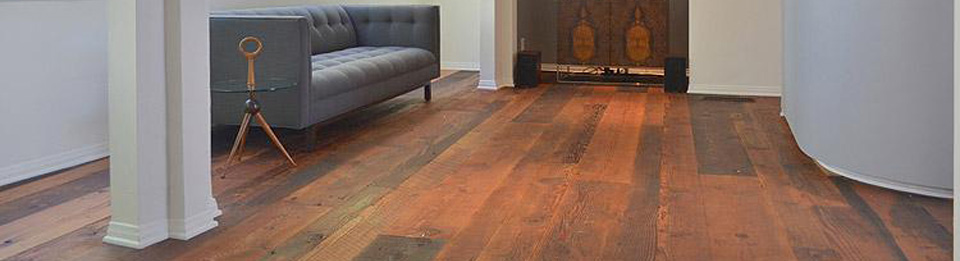
Engineered Reclaimed Wire Brush Flooring
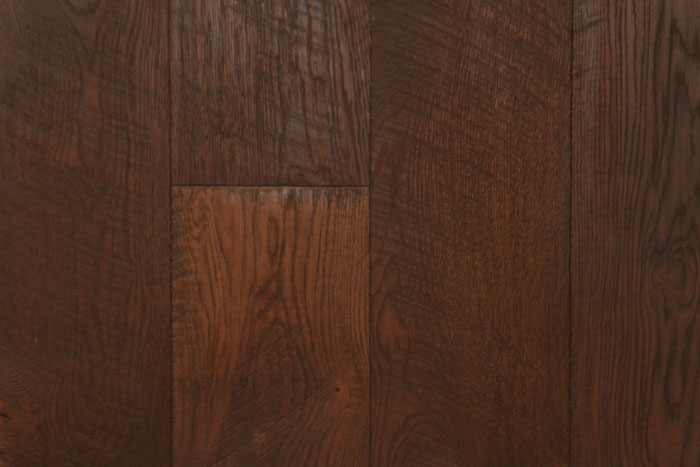 Engineered reclaimed wire brush flooring delivers the ultimate combination of historical character, modern performance, and artisan texture. By bonding a reclaimed wood wear layer with wire brushed finish to a stable plywood or HDF core, this flooring offers the irreplaceable patina of centuries-old lumber with the dimensional stability required for challenging installation conditions—concrete slabs, below-grade spaces, radiant heating systems, and environments with significant humidity fluctuations.
When you choose engineered reclaimed wirebrush flooring, you're selecting floors that excel in situations where solid wire brush hardwood would be risky or impossible, without compromising on authentic appearance and environmental benefits. The wire brushing technique removes softer wood fibers while preserving the harder growth rings, creating a tactile surface that showcases the wood's natural grain patterns with exceptional clarity. Combined with engineered construction's superior stability, this represents the pinnacle of reclaimed flooring technology.
What is Engineered Reclaimed Wire Brush Flooring?
Engineered reclaimed wire brush flooring represents the convergence of three distinct technologies: sustainable reclaimed wood sourcing, multi-layer engineered construction, and specialized wire brushing surface treatment. Understanding how these elements work together helps you appreciate why this flooring type offers advantages impossible with conventional solid hardwood.
The process begins with carefully sourced reclaimed lumber—typically 50 to 200+ years old—salvaged from deconstructed barns, warehouses, factories, and mills across North America. This vintage wood carries irreplaceable character: tight growth rings from slow-growth old-growth forests, natural color patina from decades of aging, and historical marks including nail holes, saw cuts, and weathering patterns that cannot be authentically replicated.
Rather than milling this precious reclaimed lumber into solid planks (which limits installation options), we resaw it into thin wear layers—typically 1/8" to 1/4" thick. These wear layers are then wire brushed using rotating wire brushes that gently abrade the surface, removing softer early-growth wood while leaving denser late-growth wood intact. This creates pronounced grain relief where you can see and feel the wood's growth ring structure.
The wire brushed reclaimed wear layer is then bonded to a stable core constructed from multiple layers of plywood or high-density fiberboard (HDF). The layers are oriented perpendicular to each other, creating cross-directional grain structure that resists the expansion and contraction that affects solid wood. This engineered construction delivers dimensional stability far exceeding solid hardwood while preserving the authentic reclaimed appearance on the visible surface.
The Triple Advantage: Reclaimed + Wire Brushed + Engineered
Understanding why engineered reclaimed wire brush flooring combines these three elements reveals the strategic advantages this flooring delivers:
Reclaimed Wood Benefits: The reclaimed lumber source provides environmental credentials (no new tree harvest required), superior stability (decades or centuries of aging eliminate internal stresses), unmatched character (old-growth grain patterns, historical marks, color patina), and historical significance. Every plank tells a story of American architectural history. See our reclaimed flooring overview for sourcing details.
Wire Brushing Advantages: The specialized surface treatment creates refined texture that enhances the reclaimed wood's natural grain figure, provides slip resistance superior to smooth finishes, hides dust and minor wear within the texture relief, and creates dimensional shading when stained (texture valleys hold more color than raised peaks). Wire brushing transforms good flooring into great flooring by adding tactile engagement. Learn more about wire brushing and other finishing techniques.
Engineered Construction Benefits: The multi-layer structure provides dimensional stability exceeding solid wood (minimal seasonal movement), concrete slab compatibility (glue-down installation possible), radiant heat compatibility (efficient heat transfer with minimal expansion), below-grade installation capability (engineered construction resists moisture-related movement), and wide plank feasibility (engineered boards stay flat in widths where solid wood would cup). Discover more about engineered flooring technology.
When combined, these three technologies create flooring that's simultaneously authentic (genuine reclaimed lumber), beautiful (wire brushed texture), stable (engineered construction), versatile (multiple installation methods), and durable (suitable for challenging conditions). This is why engineered reclaimed wire brush floors have become the specification choice for architects and designers who refuse to compromise.
Engineered Reclaimed Wire Brush Flooring Specifications
Our engineered wire brush reclaimed hardwood is manufactured to precise specifications that balance authentic character with modern performance:
- Total Thickness: 3/8", 1/2", 5/8", or 3/4" (thicker constructions feel more like solid wood underfoot)
- Wear Layer Thickness: 1/8" (2-3mm) to 1/4" (6mm) genuine reclaimed wood with wire brushed texture
- Core Construction: Baltic birch plywood (premium stability) or high-density fiberboard (HDF) depending on application
- Widths: 5" - 12" (wider planks showcase wire brushing and reclaimed character more dramatically)
- Standard Lengths: 2' - 8' random lengths (creates authentic period appearance with varied seams)
- Long Lengths: 6' - 10' (premium selection with fewer joints, higher cost per square foot)
- Profile: Tongue and groove with micro-bevel edges (creates subtle shadow lines between boards)
- Janka Hardness: Varies by wear layer species (1300 for oak, 1010 for walnut, 1820 for hickory)
- Moisture Content: 6-8% (properly kiln-dried for immediate installation)
The wear layer thickness determines refinishing potential. A 1/4" (6mm) wear layer allows for at least one complete sanding and refinishing cycle if needed decades from now. Thinner 1/8" wear layers are permanently finished—they cannot be sanded and refinished but cost less and work perfectly for installations where refinishing isn't anticipated.
Available Wood Species for Engineered Wire Brush Flooring
We manufacture engineered reclaimed wire brush flooring across our complete range of reclaimed species, each offering distinct aesthetic and performance characteristics:
Engineered Reclaimed Oak: Reclaimed wirebrush oak engineered flooring represents our most popular category due to oak's pronounced grain structure that responds dramatically to wire brushing. Both American reclaimed oak and European reclaimed oak excel in engineered construction. European oak typically features tighter grain (more refined wire brushed texture), while American oak shows bolder grain variation (more dramatic texture contrast). The engineered construction allows us to produce wide planks (8"-12") that would warp in solid oak construction.
Engineered Reclaimed Walnut: Engineered walnut with wire brushing delivers sophisticated elegance. Walnut's chocolate to purple-brown tones are enhanced by wire brushing, which creates subtle shading variations. The engineered construction ensures the boards stay flat despite walnut's tendency to move more than oak. Walnut wire brush engineered floors excel in contemporary settings where refined texture matters more than bold grain drama.
Engineered Reclaimed Hickory: With extreme hardness (Janka 1820) and dramatic color variation, reclaimed hickory engineered flooring with wire brushing offers maximum durability. The engineered construction tames hickory's natural tendency to expand and contract significantly with humidity changes. Wire brushing emphasizes hickory's color contrast—nearly white sapwood and dark brown heartwood become even more visually striking when textured.
Engineered Reclaimed Chestnut: Reclaimed American chestnut engineered flooring represents rare historical material—pre-blight trees salvaged from century-old structures. Wire brushing must be carefully controlled on chestnut due to its moderate softness, but the results showcase its distinctive straight grain and warm honey tones beautifully. Engineered construction maximizes precious chestnut supply by using thin wear layers bonded to stable cores.
Engineered Reclaimed Douglas Fir: Reclaimed fir engineered flooring with wire brushing creates pronounced texture thanks to dramatic growth ring differentiation. Old-growth fir features exceptionally tight, uniform grain patterns that wire brushing makes stand out in relief. This is ideal for rustic, craftsman, industrial, or mountain contemporary design schemes. Engineered construction provides the stability fir needs for installations over concrete or radiant heat.
Additional Species: We also wire brush reclaimed maple engineered (subtle texture due to fine grain), reclaimed heart pine engineered (showcasing resin-rich heartwood), redwood, cedar, and teak upon request. Each species responds uniquely to wire brushing, creating distinct aesthetic qualities.
Wire Brushing Process for Engineered Flooring
Wire brushing engineered reclaimed flooring requires modified techniques compared to solid wood due to the thin wear layer:
Pre-Engineering Brushing: In most cases, we wire brush the reclaimed lumber before bonding it to the engineered core. This allows more aggressive brushing without risk of sanding through the wear layer. The reclaimed planks are wire brushed as solid wood, then resawn into thin wear layers. This approach creates maximum texture depth while ensuring the wire brushed surface has adequate thickness remaining above the core.
Controlled Depth Management: When wire brushing engineered boards post-construction, operators must carefully control brush pressure and depth. With only 1/8" to 1/4" wear layer thickness, excessive brushing could compromise structural integrity. Specialized equipment with precise depth stops ensures uniform texture without over-brushing. This requires skilled craftsmanship—understanding where the wear layer thickness allows deeper brushing (center of growth rings) versus areas requiring lighter touch (edge grain).
Multi-Stage Brushing: The process typically involves coarse brushing (removing soft wood fibers), medium brushing (refining texture), and fine finishing (smoothing sharp edges). Each stage uses progressively finer wire bristles. The goal is tactile texture that's pleasant underfoot without being rough or uncomfortable.
Post-Brushing Cleaning: Wire brushing creates fine wood dust that settles into texture valleys. Thorough cleaning with compressed air and specialized brushes removes debris, preparing the surface for finish application. This step is critical—trapped dust would compromise finish adhesion and create appearance defects.
Finish Coat Options for Engineered Wire Brush Flooring
The wire brushed texture on engineered reclaimed floors must be protected with appropriate finishing products:
UV-Cured Factory Finish: Most engineered wire brush flooring comes prefinished with UV-cured polyurethane or hard wax oil applied at the factory. UV curing creates exceptionally hard surfaces that exceed field-applied finish durability. The factory-controlled environment ensures uniform finish thickness into texture valleys and on raised grain peaks. Prefinished boards can be installed and used immediately—no waiting for finish to cure. This is ideal for commercial projects with tight timelines.
Hard Wax Oil Finish: Our preferred factory finish for engineered wire brush flooring, hard wax oils penetrate into the reclaimed wood while leaving a thin protective layer on the surface. This finish accentuates the tactile quality of wire brushing while providing excellent wear resistance. The low sheen (10-20 gloss units) reads as natural and sophisticated. Hard wax oil finishes can be spot-repaired if needed and develop beautiful patina over time.
Water-Based Polyurethane: For maximum durability in high-traffic applications, UV-cured water-based poly creates a clear protective film over the wire brushed texture. Modern formulations have minimal amber tint, preserving the reclaimed wood's natural color. Available in matte, satin, or semi-gloss sheens. The texture remains visible beneath the clear coating, and the hard finish protects against abrasion better than oils.
Site-Finished Options: Some installers prefer unfinished engineered flooring that's finished on-site after installation. This allows custom color and finish selection. However, site-finishing engineered wire brush floors requires expertise—the thin wear layer cannot be heavily sanded if finishing mistakes occur. We generally recommend prefinished products for engineered construction.
Custom Color Finishing: We offer factory-applied custom colors on engineered wire brush flooring. Stains or reactive colorants are applied before final finish coats, creating unlimited color possibilities while maintaining wire brushed texture. The texture creates tonal variation—raised grain areas take stain differently than valleys, creating subtle shading that adds depth. Browse our gray, whitewash, medium brown, and other color galleries for inspiration.
Installation Options for Engineered Wire Brush Flooring
Engineered reclaimed wire brush flooring offers installation flexibility impossible with solid hardwood:
Glue-Down Installation: This is the recommended method for most engineered wire brush floors, especially over concrete slabs or radiant heating systems. Boards are adhered directly to the subfloor using urethane-based flooring adhesive. The adhesive layer prevents movement, creates exceptional stability, and dampens sound transmission. Glue-down installation feels solid underfoot and performs beautifully over concrete, below-grade, and in areas with humidity fluctuations that would cause solid wood problems.
Nail-Down or Staple-Down Installation: Thicker engineered constructions (1/2" and up) can be nailed or stapled through the tongue to wood subfloors. This creates permanent installation similar to solid wood while retaining engineered stability benefits. Nail-down is faster than glue-down and preferred by installers familiar with solid hardwood techniques. The engineered construction still provides superior stability compared to solid planks.
Floating Installation: Some engineered wire brush floors feature click-lock edges that allow floating installation. The planks connect to each other but don't attach to the subfloor, resting instead on foam or cork underlayment. Floating systems are fast to install and can be removed if needed. However, we generally recommend glued or nailed installation for premium reclaimed wire brush floors—the solid attachment method feels more substantial underfoot and prevents hollow sounds.
Radiant Heat Installation: Engineered reclaimed wire brush flooring performs excellently over radiant heating when properly installed via glue-down method. The engineered construction handles temperature and moisture fluctuations that would cause solid wood to check, cup, or gap. The thin profile (especially 3/8" thickness) allows efficient heat transfer from the radiant system to the room. Proper system startup and shutdown protocols must be followed to prevent finish damage or board movement.
Below-Grade Installation: Unlike solid hardwood (which should never install below grade), engineered construction resists moisture-related movement that affects basements and below-grade spaces. The cross-layer core doesn't expand or contract with humidity changes like solid wood. This makes engineered wire brush flooring ideal for finished basements, garden-level apartments, and partially below-grade commercial spaces where authentic wood floors would traditionally be impossible.
Why Choose Engineered Over Solid Wire Brush Flooring
Understanding when engineered reclaimed wire brush flooring outperforms solid helps you make informed decisions:
Choose Engineered When:
- Installing over concrete slabs (glue-down method required)
- Installing below grade or in basements (moisture resistance critical)
- Installing over radiant heating systems (dimensional stability essential)
- Working in climates with extreme seasonal humidity swings (engineered resists movement)
- Specifying wide planks 10"-12" (engineered stays flat where solid would cup)
- Budget constraints limit reclaimed material (thin wear layers stretch precious supply)
- Fast project timelines require prefinished product (most engineered comes prefinished)
Choose Solid Wire Brush When:
- Installing over wood subfloors in climate-controlled spaces
- Maximum refinishing potential matters (solid allows 3-5 refinishing cycles)
- Traditional construction methods preferred
- Solid feel underfoot is priority
- LEED or green building credits require higher recycled content percentage
Both constructions offer the same authentic reclaimed wire brush appearance on the visible surface. The difference is structural performance, installation flexibility, and long-term maintenance considerations. Many projects specify both—engineered over concrete or radiant areas, solid over wood subfloors.
Design Applications for Engineered Wire Brush Floors
Engineered reclaimed wire brush flooring suits diverse architectural styles and applications:
Modern Farmhouse and Rustic Contemporary: The wire brushed texture and reclaimed character create authentic countryside aesthetics without sacrificing modern performance. Wide plank engineered oak or fir with gray or whitewashed finishes delivers the farmhouse look with stability for challenging installations. The textured surface adds tactile interest that complements shiplap, exposed beams, and industrial fixtures.
Industrial Loft Conversions: Concrete slab subfloors are standard in converted warehouses and industrial buildings. Engineered wire brush flooring glues directly to these slabs, adding authentic reclaimed wood character to industrial spaces. The wire brushed texture complements exposed brick, steel, and concrete. Dark walnut or natural oak engineered floors ground open-concept lofts.
Contemporary and Minimalist Interiors: Wire brushing adds subtle texture without overwhelming clean-lined modern designs. Gray-stained or natural white oak engineered floors with wire brushing provide refined grain texture that prevents contemporary spaces from feeling sterile. The engineered stability performs perfectly over concrete and radiant heat common in modern construction.
Transitional and Eclectic Styles: The hybrid nature of engineered reclaimed wire brush floors—combining old (reclaimed lumber) and new (engineered technology)—fits perfectly in transitional designs that blend traditional and contemporary elements. The versatility allows pairing with both antique furnishings and modern pieces.
Commercial Hospitality: Hotels, restaurants, tasting rooms, and retail spaces benefit from engineered construction's stability and prefinished durability. The wire brushed texture hides the minor wear that accumulates in commercial traffic. Glue-down installation over concrete provides the solid feel commercial applications require. The reclaimed material tells a sustainability story that resonates with consumers.
Maintenance and Care
Proper maintenance preserves engineered reclaimed wire brush flooring beauty and performance:
Regular Cleaning: Sweep, vacuum (with soft attachments), or dust mop regularly to remove grit from the wire brushed texture. The textured surface traps slightly more debris than smooth floors, making regular cleaning important. Use microfiber or soft-bristle tools to avoid scratching the finish.
Damp Mopping: Clean with pH-neutral hardwood floor cleaner specifically formulated for prefinished engineered flooring. Use lightly dampened (never soaking wet) microfiber mops. While engineered construction resists moisture better than solid wood, standing water can still damage finishes and seams.
Furniture Protection: Use felt pads under furniture legs. While the wire brushed texture camouflages minor dings better than smooth floors, prevention is still important. The wear layer thickness is limited—protecting it preserves long-term appearance.
Finish Maintenance: Hard wax oil finishes may benefit from maintenance oil application every few years, following manufacturer instructions. Polyurethane finishes typically require no special maintenance beyond regular cleaning. Avoid harsh cleaners, steam mops, or wax products not specifically approved for your floor finish.
Refinishing Considerations: Engineered floors with thicker wear layers (1/4" or 6mm) can potentially be lightly sanded and refinished once if needed decades from now. This requires professional assessment and skilled execution. Thinner wear layers (1/8") are permanently finished—plan on finish lifespan matching your ownership timeline or select removable floating installation if future replacement is anticipated.
Environmental and Historical Significance
The sustainability story of engineered reclaimed wire brush flooring combines multiple environmental benefits:
Zero New Harvest: By using reclaimed lumber for wear layers, no new trees are cut. The wood has already existed in the built environment for 50-200 years. This eliminates harvest impacts, processing energy, and transportation from forest to mill.
Waste Diversion: Reclaimed lumber comes from buildings scheduled for demolition. By carefully deconstructing rather than demolishing, valuable walnut, oak, chestnut, and other species are salvaged instead of landfilled. This diverts thousands of board feet of premium lumber from waste streams annually.
Efficient Material Use: Engineered construction stretches precious reclaimed lumber further than solid flooring. A single antique barn beam yielding 100 board feet of solid flooring might yield 300-400 square feet when resawn into engineered wear layers. This maximizes the usefulness of finite reclaimed material.
Long Service Life: Quality engineered flooring with proper installation and finish can serve 30-50+ years before requiring replacement. This longevity reduces lifecycle environmental impact. Products designed for short lifespans create ongoing resource consumption—durable floors break that cycle.
LEED Contribution: Engineered reclaimed wire brush flooring contributes to LEED certification in multiple credit categories: recycled content (reclaimed wear layer), rapidly renewable (if cork or bamboo cores are specified), low-emitting materials (with appropriate finishes), and innovation in design (creative use of salvaged materials).
Why Choose Walter's Flooring
Sourcing engineered reclaimed wire brush flooring requires expertise across multiple disciplines:
Reclaimed Material Expertise: We maintain direct relationships with building deconstruction specialists across North America, ensuring consistent supply of premium reclaimed oak, walnut, hickory, chestnut, and specialty species. Our sourcing team inspects material at origin, selecting only sound, beautiful lumber for flooring production.
Engineering Knowledge: Not all engineered flooring is equal. We specify Baltic birch plywood cores for premium stability and HDF cores where appropriate. Layer orientation, adhesive selection, and wear layer thickness are engineered for performance, not just cost minimization.
Wire Brushing Skill: Effective wire brushing requires understanding each species' grain structure, growth ring variation, and hardness characteristics. Our production team has decades of experience texturing reclaimed wood—creating pronounced relief without compromising structural integrity.
Finishing Excellence: We offer complete finishing services with expertise specific to reclaimed material. Aged wood accepts stains and finishes differently than new lumber. Our finishers understand these nuances, creating custom colors and sheens that enhance rather than obscure reclaimed character.
Technical Support: From subfloor evaluation and moisture testing to installation method selection and acclimation protocols, our technical team provides support throughout your project. We've solved challenging installation scenarios across diverse climate zones and substrate conditions.
For more information about engineered reclaimed wire brush flooring, request samples, request a detailed quote, or contact our specialists at 213-792-5908. Visit our showroom at 9216 S. Vermont Ave, Los Angeles, CA 90044 to see the full range of wire brushed textures, species, and finish options in person.