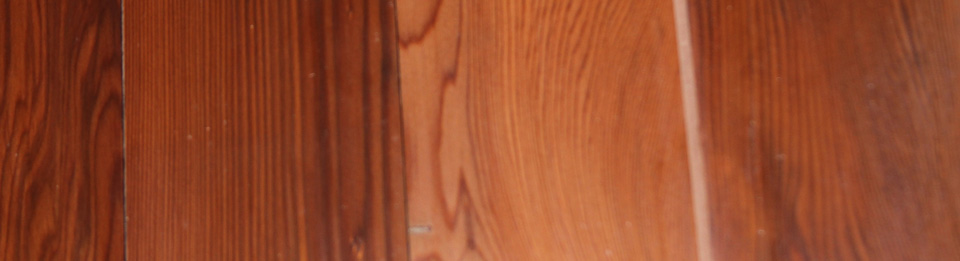
Reclaimed Redwood Flooring
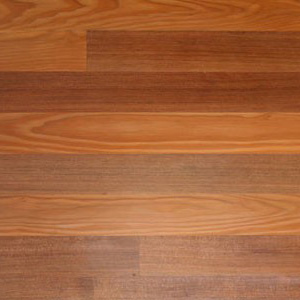 Reclaimed redwood flooring showcases one of nature's most distinctive wood colors—beautiful rich red to reddish-brown heartwood with minimal color variation creating uniform, warm appearance throughout installations. Combined with natural rot resistance from aromatic oils, fine to slightly coarse texture ranging from silky smooth to subtly textured, and the compelling environmental story of salvaging irreplaceable old-growth timber from California's protected coastal forests, redwood delivers both aesthetic distinction and meaningful conservation significance unavailable in any other North American species.
The magnificent redwood tree (Sequoia sempervirens) holds the record as Earth's tallest tree species, reaching heights exceeding 370 feet with trunk diameters over 20 feet and lifespans extending 2,000+ years. This extraordinary size and the wood's exceptional beauty led to extensive logging of California's ancient coastal redwood forests from the 1850s through mid-1900s. Today, remaining old-growth forests enjoy strict protection—less than 5% of original old-growth redwood forests survive, preserved in parks and protected lands where commercial harvest is permanently prohibited. Reclaimed redwood lumber salvaged from dismantled water tanks, demolished buildings, decommissioned wine vats, historic barns, and industrial structures provides the only ethical access to the superior quality, tight-grained, heartwood-rich material that characterized these ancient trees, making every board a connection to California's environmental heritage and forestry history.
Understanding Redwood's Distinctive Color
Redwood's signature color comes from natural extractives in the heartwood:
Rich Red to Reddish-Brown Heartwood: Redwood heartwood displays warm reddish tones ranging from cherry red to deeper reddish-brown and mahogany hues depending on age, growth conditions, and specific tree genetics. Unlike many species showing dramatic color variation from board to board, redwood's heartwood maintains relatively consistent coloring throughout—this uniformity creates floors with cohesive appearance rather than patchwork effects. The red coloring comes from tannins and other natural extractives the tree produces for defense against decay organisms and insect attack. Old-growth reclaimed redwood typically shows deeper, richer red tones compared to younger second-growth material due to higher extractive content accumulated over centuries of growth.
Minimal Color Variation: One of redwood's most appreciated characteristics for flooring is its limited color range within heartwood sections. While you'll see some boards slightly lighter or darker red than others, the overall variation is modest compared to species like walnut (ranging from pale blonde sapwood to dark chocolate brown) or even oak (varying from tan to medium brown with dramatic grain contrast). This consistency appeals to designers wanting uniform color fields without excessive visual busyness from color shifts between adjacent boards. For spaces where clean, continuous color flow matters—whether traditional or contemporary aesthetics—redwood's color uniformity provides significant advantage.
Sapwood Contrast Considerations: Redwood sapwood (the outer growth layer beneath bark) appears cream to pale yellowish-white, contrasting sharply with the red heartwood. Young second-growth redwood contains significant sapwood percentages, creating mixed red-and-cream appearance many find unappealing in flooring. Premium reclaimed old-growth redwood, however, comes from trees so massive and old that salvaged boards often contain 100% heartwood with no sapwood present—these ancient giants had such thick heartwood layers that reclaimed material rarely includes the outer sapwood zone. When specifying redwood flooring, "all-heartwood" or "clear heartwood" grades ensure pure red coloring without cream sapwood streaks, though expect premium pricing for this material selection.
Natural Color Aging and Stability: Unlike some woods that undergo dramatic color changes with age and light exposure, redwood's color remains relatively stable. Fresh-milled redwood may appear slightly brighter red, mellowing over months to years to slightly deeper, richer tones. UV exposure causes gradual darkening rather than fading, enhancing color depth. Reclaimed redwood has already experienced decades to centuries of aging before becoming flooring, meaning color has stabilized—what you install is essentially the permanent color you'll have for the floor's lifetime. This predictability helps with design planning and eliminates concerns about dramatic color evolution common with species like cherry or maple.
Finish Impact on Color Appearance: Clear finishes preserve redwood's natural red tones while adding slight amber warmth and depth enhancement. Water-based polyurethanes maintain truest color with minimal amber tint. Oil-based polyurethanes and penetrating oil finishes add golden warmth and deepen red tones for richer appearance. Natural oil finishes (tung oil, linseed oil) intensify color most dramatically while maintaining matte appearance. Some clients prefer leaving outdoor redwood unfinished to weather naturally to silvery gray—while beautiful for decks and siding, this weathered look is rarely desired for interior flooring where protective finishes maintain the characteristic red color indefinitely.
Natural Rot Resistance and Durability
Redwood's legendary durability stems from natural chemical defenses:
Natural Preservative Compounds: Redwood heartwood contains high concentrations of extractives including tannins and other phenolic compounds that provide natural resistance to decay fungi, termites, and other wood-destroying organisms. These same compounds create the red color and distinctive aroma. Old-growth redwood from ancient trees contains higher extractive concentrations than young second-growth material—centuries of slow growth in dense heartwood layers allowed greater chemical accumulation. This natural preservation explains why 100+ year old reclaimed redwood salvaged from outdoor applications (water tanks, exterior siding, grape stakes) often shows minimal decay despite decades of moisture exposure without chemical treatment.
Dimensional Stability: Redwood exhibits excellent dimensional stability for a softwood species—it shrinks and swells less with humidity changes than many hardwoods. The straight, even grain structure and relatively low density (compared to hardwoods) allow redwood to accommodate moisture movement without excessive cupping, crowning, or gapping. Wide-plank redwood floors (8-12 inches) remain stable in proper installations where similar widths in denser hardwoods might be problematic. This stability contributes to redwood's historical use in applications demanding dimensional consistency—wine vats, water tanks, outdoor structures.
Softwood Classification and Janka Hardness: Despite its impressive size and rot resistance, redwood is technically a softwood (conifer/evergreen) rather than hardwood (deciduous/broadleaf tree). The Janka hardness rating measures approximately 450 pounds of force—significantly softer than oak (1290), walnut (1010), or maple (1450). This relative softness means redwood dents more easily from impacts and shows wear patterns faster in high-traffic applications compared to harder species. However, for residential applications with normal use, redwood's softness is manageable and many appreciate the lived-in character marks that develop over time. The softer nature also makes redwood easier to saw, nail, and work during installation compared to extremely hard exotic species.
Appropriate Applications: Redwood excels in residential flooring for bedrooms, living areas, dining rooms, dens, and low-to-moderate traffic commercial spaces where its beauty and environmental story outweigh hardness limitations. For high-traffic commercial applications (retail, restaurants, offices with heavy foot traffic), harder species may prove more practical. Redwood also works beautifully for wall paneling, ceiling treatments, and other architectural millwork where surface hardness doesn't matter but color and character do. The rot resistance makes redwood ideal for potentially damp applications like bathrooms, mudrooms, or basement installations (with proper moisture barriers) where decay-prone species would require careful moisture protection.
Texture and Grain Characteristics
Redwood's surface texture varies based on growth patterns and processing:
Grain Orientation and Figure: Redwood typically shows straight grain with minimal figure—the growth rings run parallel creating uniform linear patterns rather than dramatic swirls, flames, or cathedral patterns common in some hardwoods. This straight grain contributes to dimensional stability and creates clean, uncluttered appearance letting the color be the primary visual element. Occasionally boards show subtle figure from growth irregularities, burls, or stress patterns, adding visual interest without overwhelming the overall aesthetic. Quarter-sawn redwood displays particularly straight, uniform grain lines with tighter, more consistent appearance than flat-sawn material.
Texture Range from Silky to Coarse: Old-growth redwood from ancient trees often feels remarkably silky smooth when properly finished—the slow, even growth produces fine, tight grain with minimal texture variation. Younger second-growth or rapidly-grown plantation redwood may show coarser texture with more pronounced grain ridges and softer early-wood/harder late-wood transitions creating subtle ribbing. Reclaimed material shows texture variation depending on source age and growth conditions. Most clients find redwood's texture pleasant and appropriate—neither so fine it feels cold and hard nor so coarse it seems rustic and rough.
Character Marks from Reclaimed Sources: Salvaged redwood often displays character marks reflecting its previous life—nail holes from structural use, saw marks from historic milling methods, weathering effects from outdoor exposure, mineral staining from metal contact, checking and splits from decades of stress. These marks provide authenticity and connection to the wood's history. Some clients prefer "clean" material with minimal character (though this is increasingly scarce and expensive), while others specifically seek heavy character for rustic or industrial-style designs. Discuss character preferences when ordering to ensure expectations match material reality.
Surface Preparation Options: Redwood accepts various surface treatments from smooth-planed for formal appearance to wire-brushed for enhanced texture, hand-scraped for artisan character, or saw-marked for rustic authenticity. The relatively soft nature means texturing is easier and less expensive than with extremely hard exotic species. Smooth finishes showcase the color and grain most clearly. Textured surfaces add tactile interest and can help disguise minor wear in traffic areas. Select surface treatment based on overall design aesthetic and practical considerations.
Old-Growth vs. Second-Growth Redwood
Understanding quality differences helps inform purchasing decisions:
Old-Growth Characteristics: Ancient redwood trees (500-2,000+ years old) from original coastal forests produced wood with exceptional qualities: extremely tight, straight grain from slow, consistent growth; high heartwood percentage (often 100% in salvaged material) with minimal sapwood; deep, rich red color from centuries of extractive accumulation; superior dimensional stability and rot resistance; fine, silky texture. Old-growth redwood came from trees so large that dimensional lumber could be cut entirely from heartwood without including any sapwood, producing all-red boards with uniform color and properties. Commercial logging of old-growth forests ended decades ago with protection of remaining ancient stands—only reclaimed material salvaged from pre-existing structures provides access to genuine old-growth quality.
Second-Growth Characteristics: Younger redwood from managed forests (50-100 years old) shows different properties: wider, more variable grain from faster growth; significant sapwood content creating red-heartwood/cream-sapwood mixed appearance; lighter, less intense red coloring with lower extractive content; slightly lower rot resistance though still good for a softwood; occasionally coarser texture. Second-growth serves important functions—lumber, outdoor decking, siding, structural timber—but for premium flooring applications, the aesthetic differences from old-growth are significant. Many flooring customers specifically seek old-growth character and color uniformity, making reclaimed material highly valued.
Sustainability Considerations: Reclaiming old-growth redwood from demolition sources preserves this irreplaceable material rather than destroying it, representing maximum sustainability—zero new trees cut, maximum reuse of existing material. Second-growth managed forestry also serves sustainability when practiced responsibly, providing renewable timber resources without depleting old-growth stands. The ideal approach uses reclaimed old-growth for applications where its superior qualities justify its scarcity and cost (premium flooring, fine furniture, architectural millwork), while reserving second-growth for utility applications where character differences matter less.
Cost Implications: Reclaimed old-growth redwood commands significant premiums—expect $8-18/sq ft for material vs. $3-7/sq ft for second-growth lumber. The difference reflects scarcity (finite supply from demolition sources), superior aesthetic qualities, processing costs for reclamation, and market demand from clients specifically seeking old-growth character. For projects where redwood's color and environmental story drive material selection, old-growth quality justifies investment through irreplaceable appearance and meaningful conservation narrative.
Environmental Significance and Conservation
Choosing reclaimed redwood makes powerful environmental statement:
Protecting Remaining Old-Growth Forests: Less than 5% of original coastal redwood forests survive—approximately 120,000 acres of virgin old-growth protected in parks and preserves from the original 2+ million acres that existed before commercial logging. These remaining ancient forests provide critical ecosystem services: carbon storage in massive tree biomass, habitat for endangered species (marbled murrelet, northern spotted owl, Coho salmon), watershed protection, and irreplaceable biodiversity. By using only reclaimed material salvaged from pre-existing structures rather than supporting any harvest from remaining forests, clients make direct contribution to conservation. The message is clear: this wood is too precious to cut more trees—we preserve what exists through careful reuse.
Resource Efficiency Through Salvage: Dismantling historic structures to salvage redwood prevents valuable old-growth material from ending up in landfills while providing premium lumber without harvesting additional trees. Water tanks, wine vats, barns, industrial buildings, and demolished structures built 50-150 years ago during peak redwood logging now serve as "urban forests" or "architectural timber reserves" yielding irreplaceable old-growth material. Professional reclamation involves careful deconstruction, denailing, defecting, and remilling to transform salvaged timber into beautiful flooring, preserving both the physical material and the historical narrative it carries.
Carbon Storage Benefits: Redwood trees are among Earth's most efficient carbon storage organisms—the massive biomass in ancient giants represents centuries of carbon dioxide extracted from atmosphere and locked in wood fiber. When reclaimed redwood becomes flooring, that captured carbon remains sequestered for additional decades to centuries rather than being released through decomposition or combustion. New tree planting provides future carbon storage, but preserving existing old-growth wood maintains current carbon storage while new growth accumulates additional capture—the combination maximizes total atmospheric CO2 reduction.
Storytelling and Connection: Reclaimed redwood flooring carries authentic history—wood from 1800s-era water tanks that supplied growing cities, from barns that housed California's agricultural heritage, from industrial structures built during railroad expansion, from wine vats used in early viticulture. This tangible connection to history and place provides meaning beyond mere material beauty. Clients appreciate walking on floors made from trees that may have sprouted during Roman Empire, survived medieval period, and lived through European exploration of Americas before being harvested in California's frontier era. It's architectural storytelling through preserved materials.
Solid Redwood Flooring Specifications
Our reclaimed redwood hardwood flooring is available in these configurations:
- Widths: 3" to 12" (wider planks showcase redwood's grain and color beautifully)
- Thickness: 3/4" standard, 7/8" available for added substance
- Standard Lengths: 1.5' to 12' random lengths
- Long Lengths: 4' to 16' for dramatic installations with fewer seams
- Janka Hardness: ~450 (softer than oak, harder than most pines and cedars)
- Profile: Tongue and groove for nail-down installation
- Moisture Content: Kiln-dried to 6-8% for stable installation
- Grade Options: Clear heartwood (all-red, minimal knots), character grade (knots, nail holes, historical marks)
Width Selection Considerations: Narrow 3-4 inch strips create traditional floor appearance with uniform visual texture from frequent seams. Medium 5-7 inch planks balance traditional proportions with more contemporary wider-plank aesthetic. Wide 8-12 inch planks create dramatic showcase for redwood's color and grain, emphasizing the wood as primary design element. Redwood's excellent dimensional stability makes wide planks practical in properly controlled environments. Wider planks cost more per square foot due to material selection requirements—wide, defect-free boards are scarcer in reclaimed supplies.
Length Considerations: Random lengths 1.5-12 feet provide standard installation with natural variation and efficient material use. Long lengths 4-16 feet minimize end seams creating cleaner, more continuous appearance, though long boards command premium pricing and may complicate installation in complex layouts. Discuss length preferences when ordering to balance aesthetic goals with budget and installation complexity.
Thickness Impact: Standard 3/4" thickness matches most hardwood flooring for easy transitions and meets structural requirements for nail-down installation. Thicker 7/8" material provides additional substance, spans subfloor imperfections better, offers more refinishing potential (though redwood's softness limits aggressive sanding), and creates more premium feel underfoot. The thickness choice depends on transition requirements, subfloor conditions, and client preferences.
Installation Methods for Solid Redwood
Proper installation ensures lasting performance:
Nail-Down Installation Over Wood Subfloors: Most common method for 3/4" solid redwood—tongue-and-groove boards nailed or stapled to plywood or OSB subflooring over floor joists. Redwood's softer nature makes nailing easier than harder species, though care is needed to avoid crushing board edges with excessive fastener pressure. Use pneumatic nailers with appropriate nail length and pressure settings. Blind-nail through tongues to conceal fasteners. Pre-drilling may be beneficial at board ends to prevent splitting. This installation provides solid feel underfoot and traditional craftsmanship appeal.
Glue-Down Installation Over Concrete: For concrete slab subfloors (basements, slab-on-grade construction), redwood can be glued directly using appropriate flexible urethane adhesives. Concrete must be properly prepared: dry (moisture testing required), clean, flat (within 3/16" per 10 feet), and free of curing compounds or sealers. Moisture barriers recommended beneath slabs to prevent rising dampness. While redwood has good rot resistance, chronic moisture exposure should still be avoided through proper moisture management. Glue-down creates firm attachment and works well for thin installations where floor height increase must be minimized.
Floating Installation Considerations: Solid 3/4" redwood can be installed as floating floor (boards glued edge-to-edge without attachment to subfloor) over appropriate underlayment. This method works over concrete, existing flooring, or challenging subfloors where nail-down isn't practical. The limitation is slightly less solid feel underfoot compared to attached installations, and requirement for careful perimeter detailing to allow expansion movement. Floating installation suits temporary or transitional applications where future removal might be desired, though most permanent redwood floors use nail-down or glue-down for best performance.
Subfloor Preparation Requirements: Wood subfloors must be structurally sound, flat (within 3/16" over 10 feet), dry (moisture content within 4% of flooring), and properly fastened to joists without squeaks or movement. All old flooring, carpet, padding, and adhesive residue should be removed. Underlayment plywood may be installed over old strip flooring if removal is impractical. Concrete subfloors require moisture testing, flatness verification, and proper cleaning. Invest in thorough subfloor prep—90% of flooring problems trace to inadequate subflooring rather than flooring material defects.
Acclimation and Environmental Controls: Redwood should acclimate to installation environment for 7-14 days before installation, stored in the space with packaging opened to allow air circulation. Maintain 30-50% relative humidity and 60-80°F temperature during acclimation, installation, and permanently after completion. Redwood's good dimensional stability makes it more forgiving than some species, but proper acclimation prevents excessive expansion or contraction after installation. In extreme climates with dramatic seasonal humidity swings, discuss installation timing and environmental control strategies with installers.
Finishing Options for Redwood Flooring
Finish selection impacts appearance and maintenance:
Water-Based Polyurethane: Modern water-based finishes provide durable protection with minimal color impact—they preserve redwood's natural red tones more accurately than oil-based alternatives. Multiple thin coats build protective film while maintaining relative clarity. Water-based finishes dry quickly (recoat in 2-4 hours), have low odor, and clean up with water. They're the preferred choice for clients wanting to showcase redwood's true color without adding amber warmth. Available in gloss levels from matte (contemporary, hides dust) to high-gloss (traditional, shows every speck). Satin (mid-level sheen) is most popular, balancing appearance and practicality.
Oil-Based Polyurethane: Traditional oil-based finishes add amber warmth and deepen redwood's red tones for richer, more burnished appearance. The amber tint intensifies color and enhances grain visibility. Oil-based formulas typically provide harder, more durable surface than water-based products (though modern water-based formulas have narrowed this gap). Disadvantages include longer dry times (8-24 hours between coats), strong odor during application and curing, and continued amber darkening over years with UV exposure. Many prefer the warmer, more traditional appearance oil-based finishes provide, accepting the application inconveniences for superior aesthetics.
Penetrating Oil Finishes: Natural oils (tung oil, linseed oil, modified oil blends) penetrate into wood fiber rather than forming surface film, enhancing color depth dramatically while maintaining matte, natural appearance. Oiled redwood shows intensified red color and silky feel underfoot. The trade-offs: lower protection than film-forming finishes, requirement for periodic re-oiling maintenance (annually or as needed), and less resistance to spills and stains. Oil finishes suit clients prioritizing natural aesthetics and willing to maintain floors actively. The ability to spot-repair wear areas without refinishing entire rooms provides practical advantage offsetting the maintenance requirements.
Hard Wax Oil Finishes: Hybrid products combining natural oils with hard waxes offer middle ground—better protection than pure oils, more natural appearance than polyurethanes. Wax-oil finishes penetrate wood while leaving thin protective layer. They enhance color beautifully, provide good wear resistance, allow easy spot repairs, and maintain matte to satin appearance. Maintenance involves periodic wax reapplication (every 1-3 years depending on traffic) rather than complete refinishing. These products increasingly popular for clients wanting durable yet natural-looking floors without polyurethane's plastic appearance.
Site-Finished vs. Prefinished: Unfinished redwood installed then finished on-site allows complete customization—custom stain colors, finish sheen selection, seamless surface without micro-bevels between boards. Site finishing adds 5-7 days to project timeline for sanding, staining, and multiple finish coats with drying time, plus generates dust and finish odors requiring ventilation. Prefinished redwood (factory-finished boards) installs immediately without site finishing, has no odors or dust, and carries finish warranties from manufacturers. Most reclaimed redwood is sold unfinished for site finishing given the custom nature of reclamation material, though some suppliers offer factory prefinishing as upgrade option.
Maintenance and Long-Term Care
Proper maintenance preserves redwood's beauty:
Regular Cleaning: Sweep, dust mop, or vacuum regularly (several times weekly in traffic areas) to remove abrasive dirt and grit that scratches finishes and wears surfaces. Use soft-bristle attachments on vacuums—beater bars can damage softer woods. Periodic damp mopping with pH-neutral hardwood floor cleaners removes residue buildup. Avoid excessive water—damp mop, don't flood floors. Never use steam mops (excessive moisture and heat), harsh detergents, or ammonia-based cleaners that damage finishes. Simple consistent cleaning prevents 90% of floor maintenance issues.
Protection Measures: Place mats at exterior entrances to capture tracked dirt, sand, and moisture before reaching flooring. Use area rugs with proper non-staining underlayments in heavy traffic paths and furniture groupings. Install felt pads under all furniture legs—redwood's softness makes it more susceptible to denting than harder species. Use floor protectors under desk chairs, appliances, and heavy furniture. Trim pet nails regularly to minimize scratching. Close curtains or blinds during peak UV hours to prevent localized color intensification in sun-exposed areas (though redwood color is relatively UV-stable).
Humidity Control: Maintain 30-50% relative humidity year-round to prevent excessive expansion (high humidity) or gapping (low humidity). Use humidifiers in dry winter months and dehumidifiers or air conditioning in humid summers. Redwood's dimensional stability makes it more forgiving than many species, but proper humidity control still matters for long-term performance. Monitor humidity with inexpensive hygrometers and adjust mechanical systems as needed.
Addressing Dents and Scratches: Redwood's softness means dents occur more readily than with harder species. Small dents sometimes "raise" with moisture and heat—place damp cloth over dent and apply warm iron briefly to swell compressed wood fibers back toward original position. Deep scratches may require spot sanding and finish touch-up. The softer nature also means wear patterns develop in traffic areas over time—this lived-in character appeals to clients appreciating patina development. For those preferring pristine appearance, protective measures (rugs in traffic paths, felt pads on furniture) minimize wear.
Refinishing Potential: Solid 3/4" redwood can be sanded and refinished 3-5 times over 50-100 year service life, though redwood's relative softness means aggressive sanding must be avoided to prevent surface damage. Each refinishing removes approximately 1/16" of material—plan refinishing when surface wear becomes unacceptable (typically every 15-30 years in residential applications depending on traffic and maintenance). Refinishing allows complete restoration to like-new appearance plus opportunity to change finish type or sheen level if design preferences evolve. Budget approximately $3-5/sq ft for professional refinishing.
Design Applications and Aesthetics
Redwood flooring suits diverse design styles:
Traditional and Craftsman Interiors: Redwood's rich red color and historical California associations make it natural choice for Craftsman bungalows, Mission Revival architecture, and traditional West Coast design. The warm tones complement natural materials (stone, adobe, handmade tile), wood trim and cabinetry, and earth-tone color palettes. Wide-plank redwood with quarter-sawn grain orientation particularly suits Arts & Crafts aesthetics emphasizing honest materials and handcrafted quality.
Contemporary and Modern Spaces: The color uniformity and clean grain patterns work beautifully in contemporary design where visual simplicity matters. Redwood provides organic warmth in otherwise minimal interiors with white walls, modern furnishings, and clean lines. The distinctive red color makes bold statement without pattern complexity—it's color as design element rather than busy visual texture. Consider matte or satin finishes for contemporary applications rather than high-gloss traditional sheens.
Rustic and Reclaimed Aesthetics: Character-grade reclaimed redwood with nail holes, saw marks, weathering effects, and historical patina creates authentic rustic appeal perfect for mountain cabins, wine country homes, barn conversions, and industrial loft spaces. The visible history in salvaged material provides narrative depth and textural interest impossible with new wood. Heavy character redwood pairs beautifully with exposed beams, brick, metal, and other reclaimed architectural elements.
Environmental and Sustainable Design: For LEED-certified buildings, green construction projects, eco-conscious homes, and spaces where sustainability messaging matters, reclaimed redwood makes powerful statement. The conservation story—preserving irreplaceable old-growth material, preventing landfill waste, requiring zero new tree harvest—aligns with environmental values while delivering beautiful results. The ability to tell authentic sustainability narrative adds meaningful value beyond aesthetics alone.
California and Regional Design: Redwood carries specific California regional identity given the species' limited natural range along Northern California and Southern Oregon coast. For projects wanting to emphasize California heritage, coastal character, or wine country associations, redwood provides literal and symbolic connection to place. This regional specificity appeals to clients wanting floors that reflect geographic identity rather than generic beauty available anywhere.
Comparing Redwood to Other Species
Understanding differences helps optimize selection:
Redwood vs. Cedar: Both are aromatic softwoods with natural rot resistance, but redwood shows richer, more uniform red color compared to cedar's cream/tan/reddish mixed appearance. Redwood has tighter grain and finer texture. Cedar is slightly softer and more affordable. For clients specifically wanting consistent red coloring throughout, redwood excels; for those appreciating color variation and knotty character, cedar may appeal more.
Redwood vs. Cherry: Both display red/reddish tones, but cherry starts pale pinkish-brown and darkens dramatically to rich reddish-brown over years with UV exposure, while redwood maintains more stable coloring. Cherry is significantly harder (995 Janka vs. redwood's 450) and more expensive. Cherry shows more dramatic grain figure. For clients wanting immediate deep red color that won't change dramatically, redwood delivers better than cherry's unpredictable aging.
Redwood vs. Walnut: Walnut offers chocolate brown tones with occasional purple hints versus redwood's red coloring—completely different aesthetics serving different design visions. Walnut is much harder (1010 Janka) and shows dramatic color variation from pale sapwood to dark heartwood. Walnut commands premium pricing. Choose based on desired color story and hardness requirements.
Redwood vs. Oak: Oak is significantly harder (1290 Janka), less expensive, more readily available, and shows tan to medium brown coloring with prominent grain patterns. Redwood offers unique red color and environmental conservation story oak can't match. Oak better suits high-traffic commercial applications; redwood excels where color distinction and meaningful material narrative matter more than maximum hardness.
Pricing and Investment Value
Reclaimed redwood flooring represents significant but justified investment:
Material Cost: Expect $8-18/sq ft for quality reclaimed old-growth redwood depending on grade (clear heartwood vs. character), width, length, and current market availability. This positions redwood as premium material—less than exotic imports like rosewood but significantly more than domestic species like oak ($4-8/sq ft) or pine ($3-6/sq ft). The cost reflects genuine scarcity (finite supply from demolition sources), processing complexity for reclamation, superior old-growth qualities, and strong demand from clients specifically seeking this material.
Installation Cost: Professional installation costs $6-12/sq ft depending on job size, site conditions, complexity (diagonal patterns, borders, inlays), and regional labor rates. Redwood's softer nature makes it slightly easier and faster to install than extremely hard exotic species, potentially reducing labor costs marginally. Complex custom work (hand-scraped textures, decorative borders, intricate patterns) adds to installation costs regardless of species. Site finishing adds $4-7/sq ft for sanding, staining, and multiple finish coats.
Total Installed Cost: Complete redwood flooring projects typically cost $18-37/sq ft including material, installation, and site finishing. A 500 sq ft bedroom runs $9,000-18,500 installed. A 1,500 sq ft open-plan living area costs $27,000-55,500. While substantial investment, consider the lifespan—50-100+ years with proper maintenance and periodic refinishing. Annualized cost over service life becomes reasonable, especially when accounting for beauty, uniqueness, and environmental significance that enhance property value and owner satisfaction.
Value Retention and Property Impact: Premium wood flooring significantly increases property values and marketability, particularly in regions where quality craftsmanship and natural materials are appreciated. Redwood's distinctive appearance, California heritage associations, and environmental conservation narrative provide talking points that enhance perceived value beyond generic hardwood floors. For luxury properties, historic homes, and environmentally-focused developments, redwood flooring becomes value-adding amenity rather than mere functional surface.
Why Choose Walter's Flooring for Reclaimed Redwood
Our specialized expertise ensures authentic material and superior results:
Verified Old-Growth Provenance: We maintain detailed documentation for reclaimed redwood sources—dismantled water tanks from specific California cities, barns from identified properties, wine vats from documented wineries, industrial structures with known construction dates. This provenance confirms genuine old-growth heritage and provides authentic storytelling material for your project. We distinguish clearly between scarce old-growth reclaimed material and more common second-growth new lumber, ensuring clients receive the quality level they're paying for.
Grade Selection and Sorting: Our inventory includes material across the character spectrum from clear heartwood (all-red, minimal knots, clean appearance) through moderate character (occasional knots and nail holes) to heavy character (extensive historical marks, weathering, rustic appearance). We help clients select appropriate grade matching design vision and budget—clean formal interiors typically want clear grades, while rustic or industrial aesthetics embrace heavy character. Honest guidance about grade implications prevents disappointment when material arrives.
Custom Milling Capabilities: We can mill reclaimed redwood to custom widths, thicknesses, and profiles matching specific design requirements or historical restoration needs. Need to match existing flooring in historic renovation? We can replicate dimensions and profiles. Want extra-wide planks (10-12 inches) for contemporary installation? We can select and mill appropriate boards if available in current inventory. Custom milling flexibility allows creative solutions beyond standard product offerings.
Quality Control and Defecting: Reclaimed material requires careful inspection and defecting—removing metal fasteners, cutting out rotted or damaged sections, eliminating structurally compromised areas. Our processing ensures you receive sound, usable material rather than paying for waste. We honestly communicate yield expectations—reclaimed material always has lower usable yield than new lumber due to damage, nails, and defects from previous use. Understanding these realities prevents budget surprises.
Technical Guidance: From evaluating subfloor conditions through selecting installation methods, finish types, and maintenance approaches appropriate for redwood's specific properties, we provide comprehensive guidance. We can connect you with installers experienced with reclaimed softwood flooring who understand redwood's characteristics and working requirements. Post-installation, we're available for maintenance questions and troubleshooting should any issues arise.
Request Samples and Begin Your Project
Experience reclaimed redwood flooring quality firsthand by requesting samples from current inventory. Given redwood's natural variation and the unique character in each reclaimed lot, samples are essential for setting accurate expectations about color, grain, texture, and historical character marks.
Request samples or request a project quote to begin your redwood flooring project. Our team will discuss your square footage requirements, grade preferences (clear vs. character), width and length priorities, installation timeline, budget parameters, and design vision to determine whether we can source adequate inventory for your project from current demolition supplies.
For immediate consultation or to visit our showroom and view inventory, call us at 213-792-5908 or visit 9216 S. Vermont Ave, Los Angeles, CA 90044. We're open Monday through Friday, 8:00 AM to 5:00 PM. Discover why reclaimed redwood flooring from Walter's Flooring represents the optimal choice for clients seeking distinctive red color, natural rot resistance, authentic old-growth character, meaningful environmental conservation contribution, and connection to California's forestry heritage in premium hardwood flooring.
Solid Redwood Flooring Specifications
- Widths: 3" to 12"
- Thickness: 3/4" or 7/8"
- Standard Lengths: 1.5' to 12'
- Long Lengths: 4' to 16'
- Janka Hardness: ~450
- Species: Sequoia sempervirens (California Coastal Redwood)
- Grade: Clear heartwood or character grade
Antique / Vintage Wood Flooring Styles
|
 |
Finish Coat Options
- Water-Based Polyurethane (preserves true red color)
- Oil-Based Polyurethane (adds warmth, deepens red tones)
- Penetrating Oils (tung oil, linseed oil - natural matte finish)
- Hard Wax Oil (hybrid protection with natural appearance)
Color Selection
- Natural Clear Finish: Showcases redwood's characteristic rich red to reddish-brown color
- Natural Red Tones: Minimal color variation, warm consistent appearance
- Custom Staining Available: Can adjust color intensity or add tonal variations if desired
Installation Options
- Nail Down (traditional method over wood subfloors)
- Glue Down (over concrete slabs)
- Floating (edge-glued boards over underlayment)
- Radiant Heat (compatible with proper installation)
Installation Techniques
|
|