

Reclaimed Oak Flooring
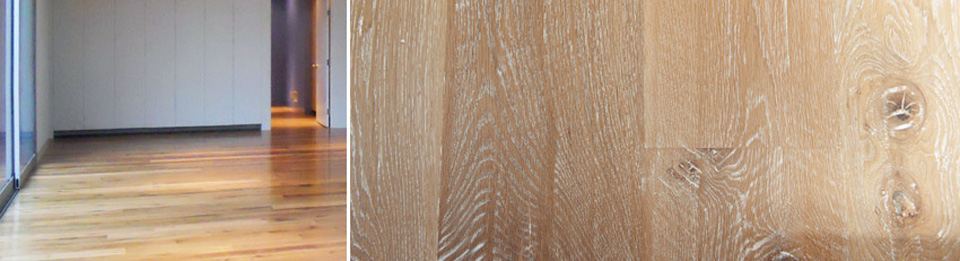
.png) Solid reclaimed oak flooring represents the pinnacle of traditional American hardwood flooring—authentic salvaged oak from dismantled barns and historic structures across the United States and Europe, preserving irreplaceable character including nail holes, weathering marks, saw cuts, and decades of natural patina, milled in traditional 3/4-inch solid thickness providing maximum refinishing potential for 50-100 year service life and genuine solid hardwood feel underfoot. This flooring combines oak's status as America's most trusted species (comprising 40-50% of all hardwood flooring installed over the past century) with meaningful reclaimed environmental story and authentic historical character impossible to replicate through artificial distressing of new lumber.
Solid reclaimed oak flooring represents the pinnacle of traditional American hardwood flooring—authentic salvaged oak from dismantled barns and historic structures across the United States and Europe, preserving irreplaceable character including nail holes, weathering marks, saw cuts, and decades of natural patina, milled in traditional 3/4-inch solid thickness providing maximum refinishing potential for 50-100 year service life and genuine solid hardwood feel underfoot. This flooring combines oak's status as America's most trusted species (comprising 40-50% of all hardwood flooring installed over the past century) with meaningful reclaimed environmental story and authentic historical character impossible to replicate through artificial distressing of new lumber.
Our inventory includes domestic red oak (Quercus rubra) salvaged from barns across the Midwest and Eastern United States showing oak's characteristic prominent open grain and warm reddish-brown tones, domestic white oak (Quercus alba) reclaimed from Southern and Appalachian structures with tighter grain and superior water resistance, and premium European oak (Quercus robur and Quercus petraea) from centuries-old European barns and wine cellars with distinctive mineral streaking and honey-golden coloring. Each piece displays authentic barn character—nail holes from structural use, stress cracks from decades of temperature cycling, weathering patina from exposure, saw marks from water-powered mills or early mechanized sawmills, and color variation reflecting the wood's history impossible to convincingly manufacture on new lumber.
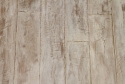
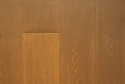
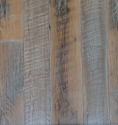
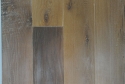
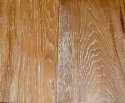
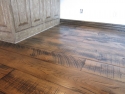
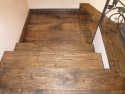
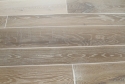
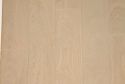
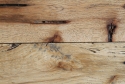
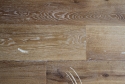
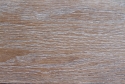
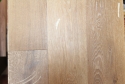
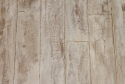
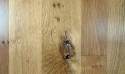
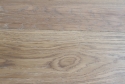
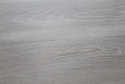
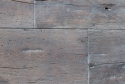

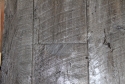
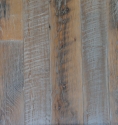
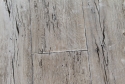
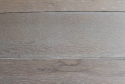
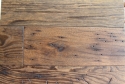
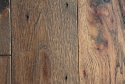
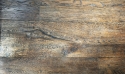
Need Help Choosing the Perfect Color?
Choosing oak flooring colors can be overwhelming. Text us your project details and we'll send you personalized color options with photos that match your vision - usually within minutes!
💬 Text for Custom Color Options 📞 Call 213-792-5908Understanding Oak Species: Red, White, and European Varieties
Solid reclaimed oak encompasses multiple oak species each with distinctive characteristics:
Red Oak (Quercus rubra) - America's Classic: Domestic red oak is North America's most widely used hardwood flooring species, comprising approximately 40-50% of all hardwood flooring installed in the United States over the past century. Red oak features prominent, open grain patterns with wide rays creating distinctive "cathedral" grain figure when quartersawn and bold straight grain when plainsawn. The color ranges from light tan sapwood through pinkish-brown to reddish-brown heartwood—hence the "red" designation despite not being truly red. Red oak's Janka hardness of 1290 provides excellent durability for residential applications while remaining easy to sand and refinish multiple times over decades of service. The open porous structure accepts stains readily and evenly, making red oak exceptional for custom color treatments ranging from natural clear finishes through grays, whitewashes, and dark espresso tones. Reclaimed red oak salvaged from tobacco barns, grain barns, and dairy barns displays authentic weathering patina, nail holes from structural use where boards secured beams and joists, and color variation reflecting 50-150 years of aging—character impossible to replicate with new lumber or artificial distressing techniques.
White Oak (Quercus alba) - Superior Performance: Domestic white oak offers tighter, less prominent grain compared to red oak, with smaller pores creating smoother texture and more refined appearance. The color tends toward golden tan to light brown tones without the pinkish-red undertones of red oak—many describe white oak as having "cleaner" or more "neutral" color making it versatile for both traditional and contemporary design. White oak's cellular structure includes tyloses (balloon-like growths filling the wood's pores) providing natural water resistance—this is why white oak was historically used for whiskey barrels, boat building, and outdoor applications where moisture exposure was expected. This inherent water resistance makes white oak superior for bathrooms, kitchens, mudrooms, and any moisture-prone application. White oak's Janka hardness of 1360 exceeds red oak slightly, though both perform excellently in residential settings. White oak flooring has surged in popularity over recent decades as design trends favor its cleaner color and refined grain. Reclaimed white oak from barns displays beautiful silver-gray weathering on boards that served as exterior siding, authentic character marks, and the inherent water-resistant properties that made it prized for structural applications requiring durability.
European Oak (Quercus robur and Quercus petraea) - Old World Premium: European oak species including English oak (Quercus robur) and sessile oak (Quercus petraea) offer tighter, more uniform grain than American red oak with mineral streaking, medullary rays, and color variation providing distinctive character. European oak typically displays warmer honey-golden base tones compared to American white oak's grayer neutrality. The slower growth rates in European forests (oak trees reaching maturity over 100-300 years vs. American oak's 60-100 years) produce denser wood with tighter growth rings and more refined grain texture. European oak reclaimed from centuries-old European barns, farmhouses, wine cellars, and agricultural structures displays exceptional patina and character reflecting the wood's long history and European craftsmanship traditions. European oak is particularly prized for wire brushed and heavily textured finishes where the tight grain creates subtle surface relief without excessive roughness. European oak commands premium pricing due to import costs, limited supply from controlled European forestry, and superior old-growth timber quality.
Mixed Oak Character Grades: Many reclaimed oak products intentionally mix red and white oak boards for varied character and color range. Historic barns often contained both species used opportunistically based on local timber availability—Midwest barns might combine Illinois red oak with Wisconsin white oak, Eastern barns might mix Pennsylvania red oak with Appalachian white oak. This natural mixing creates floors with authentic "barn floor" appearance showing organic color variation between boards—some displaying red oak's pinkish warmth, others showing white oak's golden-gray tones, all unified by shared reclaimed character marks and weathering patina. For clients seeking authentic salvaged barn appearance rather than single-species uniformity, mixed-species character grades deliver more visual interest and historical accuracy.
What Makes Reclaimed Oak Special
Solid reclaimed oak preserves authentic historical character throughout the full 3/4-inch thickness:
Genuine Barn Wood Provenance: Our reclaimed oak comes from documented sources including dismantled tobacco barns across Virginia, Kentucky, and North Carolina, dairy barns in Wisconsin, Pennsylvania, and upstate New York, grain barns throughout Iowa, Kansas, Nebraska, and the Midwest, industrial mill buildings from New England, and European agricultural structures from France, England, Germany, and Hungary. Each piece carries authentic history—the nail holes held beams supporting haylofts or grain storage, the stress cracks developed through decades of temperature cycling between humid summers and dry winters, the weathering came from years of exposure as barn siding before being milled into flooring, the saw marks originated from water-powered mills or early circular saws. This provenance provides meaningful storytelling connecting your flooring to American agricultural heritage, European craftsmanship traditions, and environmental conservation through salvage and reuse. Proper reclaimed suppliers maintain documentation verifying salvage sources and building ages rather than marketing new wood with artificial distressing as "reclaimed."
Irreplaceable Character Marks Throughout Full Thickness: Unlike surface-distressed new oak where character is only skin-deep, solid reclaimed oak displays nail holes, knots, mineral streaking, checking (surface cracks from drying), color variation from weathering, and saw blade marks penetrating through the full 3/4-inch thickness. When the floor is sanded during installation or refinished decades later, new character emerges as fresh layers are exposed—nail holes reveal their depth, stress cracks show their penetration, weathering effects exist throughout the board not just on the surface. These authentic character elements cannot be convincingly replicated through artificial distressing techniques—the genuine randomness, natural weathering patterns, historical accuracy, and depth of character in salvaged wood are visually and tactilely distinctive to trained eyes. Solid construction means this character remains authentic through multiple refinishing cycles over 50-100 years.
Natural Color Patina: Oak exposed to decades of air, sunlight, and seasonal weather develops distinctive patina. Barn siding oak weathers to beautiful silver-grays and weathered browns. Interior structural oak from barns develops rich honey-golden tones from oxidation. This natural aging creates color depth and variation no staining process can truly replicate. When reclaimed oak is surfaced for flooring, some weathering is removed but the underlying wood retains traces of historical color giving floors depth and character. The full 3/4-inch solid thickness means this patina color extends throughout the board rather than being limited to a thin veneer.
Environmental Significance and Sustainability: Using reclaimed oak diverts quality hardwood from landfills where old barns would otherwise end up, reduces demand for new timber harvest protecting remaining oak forests, and gives new life to material already embodying significant embodied energy from original harvesting, milling, transportation, and construction. For green building projects pursuing LEED certification or clients prioritizing environmental responsibility, reclaimed oak provides measurable sustainability benefits with compelling narrative supporting eco-conscious values. Solid reclaimed oak represents maximum reclaimed content—unlike engineered reclaimed oak which uses thin salvaged wear layers over new plywood cores, solid construction uses reclaimed wood throughout the full thickness maximizing environmental benefit per square foot installed.
Old-Growth Timber Quality: Much reclaimed oak comes from old-growth trees harvested 100-200 years ago when virgin American forests contained massive oaks with tight grain from slow growth in competition with surrounding forest canopy. These centuries-old trees developed exceptional density, hardness, and stability. This old-growth timber typically shows tighter growth rings (indicating slower growth producing denser wood), superior dimensional stability, and enhanced hardness compared to modern second-growth or plantation oak harvested after 60-100 years. While technically the same species, old-growth reclaimed oak performs measurably better and displays more refined appearance than contemporary new oak from managed forests.
See & Feel the Quality - Request Free Samples
Photos don't do reclaimed oak justice. Request physical samples showing actual barn character, nail holes, and authentic patina. See the quality difference for yourself before ordering!
Request Free Samples 💬 Text to Request SamplesSolid Oak Construction Advantages
Why solid 3/4-inch construction matters for long-term value:
Superior Refinishing Potential: Solid 3/4-inch reclaimed oak allows 3-5 complete refinishing cycles over 50-100 year service life. Each refinishing removes approximately 1/32 to 1/16 inch depending on damage severity and floor condition. With proper maintenance, expect the first refinishing around 15-30 years after installation, second refinishing at 40-60 years, and potentially third refinishing at 70-90 years—effectively creating multi-generational flooring lasting longer than most homeowners' tenure. This refinishing capability allows color changes when design preferences evolve (changing from natural to grey finishes, for example), repairs significant damage from water incidents or heavy wear, and refreshes appearance maintaining like-new condition throughout decades. Engineered products with thin wear layers (1/8 to 1/4 inch) allow only 1-2 refinishings before wearing through the veneer—solid construction provides far superior long-term value for property owners planning extended ownership.
Authentic Solid Wood Feel: Solid 3/4-inch oak nailed to wood subfloors delivers the most substantial, traditional hardwood floor feel—no hollow sound, no flex, rock-solid underfoot. This tactile quality is immediately noticeable when walking across the floor and contributes to perceived quality and luxury. While quality engineered products approach this feel, experienced builders and flooring professionals consistently note that nailed solid wood over proper subfloors provides superior acoustics and feel compared to glued or floating installations.
Maximum Reclaimed Material Content: Every square foot of solid reclaimed oak is genuine salvaged material—there's no plywood core, no HDF substrate, no new lumber except the wood itself. For clients specifically seeking reclaimed material for environmental benefits or historical significance, solid construction delivers maximum authentic salvaged content. This matters for LEED certification calculations where percentage of recycled/salvaged content affects points, and for clients whose primary motivation is environmental conservation through material reuse.
Traditional Installation Methods: Solid oak installs using time-tested nail-down methods over wood subfloors—the same installation technique used successfully for over a century. Professional installers are universally familiar with these methods, troubleshooting is straightforward, and results are predictable. Nailing solid flooring creates mechanical attachment independent of adhesive failure risks, allows some lateral movement without floor buckling, and provides audible feedback during installation confirming proper fastening.
Versatile Width Options: While solid oak's dimensional movement limits practical widths compared to engineered products, reclaimed oak's old-growth quality and kiln-drying process support widths from traditional 3-inch strips through 8-10 inch wide planks in properly climate-controlled environments. Narrow 3-5 inch planks create traditional strip floor appearance with busy visual texture from frequent seams. Medium 6-8 inch planks provide contemporary wider-plank aesthetic while remaining within solid wood's stability limits for most climates.
Comprehensive Solid Oak Flooring Specifications
Our solid reclaimed oak products span these configurations:
- Oak Species Options: Red oak, white oak, European oak, or mixed-species character grades
- Thickness: 3/4" standard (7/8" available for specific applications)
- Widths: 3" to 12" (traditional strips through wide planks)
- Standard Lengths: 1.5' to 12' random lengths (mixed for installation efficiency)
- Long Lengths: 4' to 16' (premium select, minimizes end joints, +20-30% cost)
- Profile: Tongue and groove (standard milled profile)
- Surface Hardness: 1290 Janka (red oak), 1360 Janka (white oak)
- Moisture Content: Kiln-dried to 6-9% moisture content for stability
- Character Grades: Select (cleaner, minimal character), moderate character, heavy character (maximum barn marks)
- Finish: Prefinished or unfinished for site finishing
Width Selection for Solid Oak: Narrower widths (3-5 inches) provide maximum stability across seasonal humidity changes and suit traditional aesthetics. Medium widths (6-8 inches) balance contemporary wider-plank appearance with acceptable seasonal movement in climate-controlled environments. Wide planks (10-12 inches) create dramatic showcase for oak grain and reclaimed character but require excellent climate control, proper installation with expansion gaps, and acceptance of greater seasonal gapping during dry winter months. For solid oak, wider isn't automatically better—select width appropriate for your climate, building's humidity control capabilities, and tolerance for seasonal movement.
Thickness Considerations: Standard 3/4-inch thickness provides optimal balance of refinishing potential, structural strength, and material cost. The 7/8-inch thickness available for some products adds minimal refinishing capacity (one additional cycle maximum) while increasing costs 15-20%—it's generally unnecessary unless matching existing adjacent flooring requires the extra thickness. Avoid thinner solid oak products (5/8 inch or less) limiting refinishing potential and reducing long-term value.
Surface Texture and Finish Options
Reclaimed solid oak offers multiple surface treatments:
Smooth Planed Surface: The oak is precision-planed smooth, revealing the wood's natural grain, color variation, and authentic character marks (nail holes, knots, mineral streaking) while providing refined flat surface for traditional or contemporary interiors. This finish showcases oak's grain figure beautifully—red oak's prominent cathedral patterns and white oak's ray flecks become primary visual interest. Smooth surfaces suit most residential applications and maintain easier cleaning than textured alternatives.
Wire Brushed Texture: Wire brushing removes softer earlywood grain while preserving harder latewood, creating subtle texture that enhances grain pattern visibility and provides slip resistance. Wire brushed reclaimed oak combines reclaimed character (nail holes, weathering) with artisan texture for layered visual and tactile interest. The technique works particularly well with oak's prominent grain—red oak's wide pores create pronounced texture, white oak's tighter grain produces more subtle relief, European oak's medullary rays show as linear patterns. Wire brushing also helps hide minor dust and light scratches better than smooth finishes while remaining easy to clean.
Hand Scraped Distressing: Hand scraping creates irregular surface texture mimicking antique hand-planed floors from pre-industrial eras (pre-1850s when power planers weren't available). Combined with reclaimed oak's authentic nail holes and weathering, hand scraping amplifies the aged, rustic aesthetic for Mediterranean, Tuscan, farmhouse, or Old World design themes. The technique adds contemporary artisan craftsmanship to historical salvaged material, layering character elements for maximum visual impact. Hand scraping works particularly well on red oak where prominent grain creates natural texture variation.
Skip Planed or "Hit-or-Miss": This technique planes the surface just enough to create flat wear surface while intentionally leaving some areas showing original rough-sawn or weathered texture. The result is varied surface with smooth areas adjacent to textured zones, creating shadow play and authentic rustic appearance. Skip planing works exceptionally well when reclaimed oak shows desirable weathering patina worth preserving rather than removing completely through full planing.
Saw Mark Preservation: Some reclaimed oak retains circular saw marks or band saw blade marks from original milling 50-150 years ago when water-powered mills or early steam-powered circular saws cut lumber. These authentic historical marks can be preserved in the finished floor as character elements connecting the flooring to period milling technology and craftsmanship. Saw marks provide linear texture and visual interest valued in rustic, industrial, or historically-focused design applications.
Complete Color Range for Reclaimed Oak Flooring
Reclaimed oak's inherent color combined with staining options creates comprehensive palette:
Natural Clear Finishes: Preserving reclaimed oak's natural color showcases the wood's authentic character and species-specific coloring. Red oak displays warm tan through reddish-brown tones with subtle pink undertones. White oak shows golden-tan to light brown neutrality. European oak tends toward honey-golden warmth with occasional olive undertones. Clear finishes allow the reclaimed patina, natural color variation between boards, and weathering effects to remain visible as primary design elements. Water-based polyurethanes preserve true color with crystal clarity, while oil-based finishes add slight amber warmth enhancing color depth and richness. Natural finishes showcase oak's inherent beauty and suit clients valuing authentic wood appearance.
Grey and Whitewash Tones: Contemporary design trends strongly favor grey-toned oak creating neutral modern aesthetic. Grey oak finishes range from subtle "greige" (grey-beige blends maintaining some warmth) through medium silver-grey to dark charcoal tones. Whitewashing with diluted white stain creates Scandinavian-inspired light airy appearance while allowing oak grain to remain visible through the wash. These treatments work particularly well on reclaimed oak where the contemporary color doesn't fight against natural wood character but rather reinterprets it through modern color lens. Grey and whitewashed reclaimed oak suits minimalist, coastal, transitional, modern farmhouse, and contemporary design aesthetics. The reclaimed character marks (nail holes, stress cracks) remain visible as texture even through grey stains creating unique contrast.
Natural and Honey Tones: Light natural stains and honey-golden finishes enhance oak's inherent warm tones without dramatically altering color. These treatments deepen color richness while maintaining recognizable oak appearance. Honey tones work particularly well with white oak and European oak's natural golden undertones, creating warm inviting floors for traditional, craftsman, and transitional interiors. These finishes suit clients wanting enhanced oak color without stark transformation to grey or dark tones.
Medium Brown and Walnut Tones: Medium brown stains create classic hardwood flooring appearance—rich enough for visual warmth but not so dark as to show every speck of dust and pet hair. These tones suit traditional, transitional, Mediterranean, and craftsman design. Walnut-toned stains give reclaimed oak similar appearance to genuine reclaimed walnut at lower cost while maintaining oak's superior hardness (1290-1360 Janka vs. walnut's 1010) and better performance for high-traffic residential applications.
Antique Brown and Aged Finishes: Antique brown stains create warm traditional floors with Old World or historic character. These tones complement reclaimed oak's authentic barn marks enhancing rather than hiding the salvaged character. Antique browns work particularly well in period homes, historic renovations, or new construction seeking traditional aesthetic.
Dark and Ebony Finishes: Dark brown through ebony stains create dramatic contrast floors for contemporary and traditional formal spaces. Dark finishes make rooms appear smaller and cozier while showing dust, pet hair, and light scratches more readily than medium tones—they require more frequent maintenance. Reclaimed oak's character marks remain visible even under dark stains as texture and shadow rather than color contrast, providing layered interest. Dark finishes suit clients prioritizing dramatic visual impact over easy maintenance.
Custom Color Matching: Our finishing capabilities include custom color matching to specific samples, adjacent existing flooring, design board palettes, or client-provided references. Oak's open porous grain (particularly red oak) accepts stains predictably making custom colors achievable with test samples confirming appearance before production finishing. We can match to paint colors, fabric swatches, or photographs.
Ready for a Project Quote?
Get accurate pricing for your specific project. Text us your square footage and we'll provide a detailed quote including material, installation, and finish options - typically within 24 hours!
Get Free Quote Online 💬 Text for Quick QuoteInstallation Methods for Solid Reclaimed Oak
Solid oak installation uses proven traditional methods:
Nail-Down Installation Over Wood Subfloors: Primary installation method for solid oak—boards are blind-nailed through tongues using pneumatic flooring nailers with 2-inch cleats. Nailing creates mechanical attachment to 3/4-inch plywood or OSB subfloors over floor joists. Proper nailing pattern (every 8-12 inches along board length, within 3 inches of ends) ensures solid attachment, controls board movement, and prevents squeaking. Wood subfloors must be properly prepared: structurally sound, flat within 3/16 inch over 10 feet, properly gapped (1/8 inch between panels for expansion), and at compatible moisture content (within 4% of flooring moisture content). Nail-down installation provides most solid feel underfoot and represents time-tested method used successfully for over a century. Professional installation is recommended for best results though experienced DIYers can successfully nail solid oak with proper tools and technique.
Glue-Down Installation Over Wood Subfloors: Alternative method using moisture-resistant urethane adhesives creates permanent bond between flooring and plywood subfloors. Glue-down installation prevents squeaking common in older nailed floors, allows installation over radiant heating systems (with proper adhesive selection), and works when floor joist access from below makes squeaking repairs impossible. The limitation is more difficult future removal if flooring replacement becomes necessary, and requirement for extremely flat subfloors (within 1/8 inch over 10 feet) since adhesive doesn't span imperfections like mechanical fasteners can. Glue-down costs 15-25% more than nail-down due to adhesive expense and slower installation.
Installation Over Concrete: Solid oak CAN be installed over concrete but requires building wood subfloor system first—either sleeper system (2x4 sleepers on 16-inch centers with plywood over top) or floating plywood subfloor over vapor barrier. This adds $5-8/sq ft to project costs plus 3/4 to 1-1/2 inches of floor height. For concrete slab projects, engineered reclaimed oak gluing directly to concrete provides more cost-effective solution. Choose solid oak over concrete only when superior refinishing potential and authentic solid wood feel justify the subfloor construction expense.
Installation Over Radiant Heat: Solid oak can be installed over radiant heating with proper adhesive selection, radiant system design (low-temperature water-based systems, not high-temperature electric), and strict temperature limits (maximum 80-85°F surface temperature). The 3/4-inch thickness slows heat transfer requiring longer warm-up periods and slightly higher energy costs compared to thinner engineered products. Glue-down installation is mandatory over radiant—nailing penetrates heating elements. Many installers and flooring manufacturers recommend against solid oak over radiant given performance limitations, steering clients toward engineered products designed for radiant applications.
Subfloor Preparation Criticality: Installation success depends 90% on proper subfloor preparation regardless of flooring quality or installer skill. For wood subfloors: verify structural soundness (repair squeaky areas, reinforce weak sections), confirm flatness within 3/16 inch over 10 feet (sand high spots, fill low spots), ensure proper panel gapping (1/8 inch between plywood sheets), and verify moisture content compatibility (subfloor within 4% of flooring MC). Investment in comprehensive subfloor preparation prevents 95% of installation failures—substrate problems guarantee flooring problems.
Design Applications Showcasing Reclaimed Oak Character
Where solid reclaimed oak excels:
Traditional and Historic Residential: Oak flooring has dominated American homes from the 1850s through mid-1900s—choosing solid reclaimed oak maintains this traditional material while adding historical character and environmental narrative. For Victorian, Craftsman, Colonial, Tudor, and traditional homes, reclaimed oak in natural or medium brown finishes provides period-appropriate flooring matching the home's architectural era. The authentic reclaimed character blends seamlessly with other historical elements.
Modern Farmhouse and Transitional Homes: Current design trends embrace farmhouse aesthetics blending rustic elements with contemporary sensibilities. Solid reclaimed oak in wide planks provides authentic barn character central to farmhouse style. Grey-washed or whitewashed reclaimed oak particularly suits modern farmhouse design bridging traditional material with contemporary finishes. The solid construction and natural material align with farmhouse design principles valuing craftsmanship and authenticity.
Luxury Custom Homes: High-end custom construction increasingly specifies reclaimed materials for environmental storytelling and distinctive character. Solid reclaimed oak provides premium flooring with meaningful provenance and authentic character differentiating the home from production housing. Wide-plank reclaimed oak in custom colors creates signature floors justifying luxury pricing through genuine uniqueness and superior long-term value from refinishing potential.
Historic Renovation and Restoration: When renovating historic homes originally built with oak flooring, solid reclaimed oak provides aesthetic match to remaining original floors while adding new square footage. The reclaimed character helps new flooring blend with 100+ year old existing floors better than new uniform oak would. For historic preservation projects, using reclaimed materials supports sustainability goals and maintains historical authenticity.
Commercial and Hospitality (Light Traffic): Restaurants emphasizing farm-to-table concepts, craft breweries, tasting rooms, boutique hotels, and commercial spaces wanting authentic rustic character can use solid reclaimed oak in appropriate applications. Oak's 1290-1360 Janka hardness suits light-to-moderate commercial traffic. The reclaimed character provides meaningful storytelling supporting brand identity and design narrative. Installation over wood subfloors in wood-frame commercial buildings uses familiar nail-down methods.
Sustainable and Green Building Projects: LEED certification, Passive House, and other green building programs value reclaimed materials for waste diversion, forest preservation, and embodied energy conservation. Solid reclaimed oak provides maximum recycled content percentage (100% reclaimed vs. engineered products' 15-30% reclaimed content in thin wear layers). The long service life (50-100 years with refinishing) reduces replacement frequency minimizing lifecycle environmental impact.
Solid vs. Engineered Reclaimed Oak Decision Framework
Understanding differences optimizes product selection:
Refinishing Potential (Solid's Primary Advantage): Solid 3/4-inch oak allows 3-5 complete refinishing cycles over 50-100 year service life. Engineered oak with 1/4-inch wear layer permits 1-2 refinishings over 30-50 years. Engineered with 1/8-inch wear layer allows one careful refinishing. For long-term residential with multi-generational ownership expectations, solid's superior refinishing capability provides measurable value justifying higher installation costs over concrete and any width limitations. For typical 20-40 year ownership or rental properties with shorter holding periods, engineered's 1-2 refinishings may suffice.
Installation Versatility (Engineered's Primary Advantage): Engineered oak installs over concrete (glue or float), over radiant heat, below-grade, over existing floors—applications where solid oak requires expensive workarounds or is prohibited entirely. For concrete slab projects, engineered typically costs 30-50% less total installed than building wood subfloors for solid oak. For wood subfloor projects above grade, both products cost similarly with solid offering better long-term refinishing value.
Feel and Sound Quality (Solid's Advantage): Nailed solid oak over wood subfloors delivers the most substantial feel and superior acoustics—no hollow sound, rock-solid underfoot, authentic traditional hardwood floor experience. While quality engineered products approach this feel, experienced builders consistently note solid wood provides superior tactile quality.
Dimensional Stability (Engineered's Advantage): Engineered construction provides 40-50% greater dimensional stability enabling ultra-wide planks (10-16 inches) and better performance in challenging humidity environments. Solid oak performs well in climate-controlled residential but is limited to narrower widths (typically 3-8 inches) to manage seasonal movement.
Environmental Content (Solid's Advantage): Solid reclaimed oak is 100% salvaged material throughout full thickness. Engineered uses thin reclaimed wear layers (15-30% of total material) over new plywood/HDF cores. For maximum reclaimed content and environmental benefit, solid wins. For efficient use of finite salvaged oak (stretching limited supply further), engineered wins.
Cost Comparison (Substrate-Dependent): Material costs are similar—solid reclaimed oak runs $9-18/sq ft vs. engineered's $8-16/sq ft depending on width and grade. Installation over wood subfloors costs similarly ($9-15/sq ft) for both. Over concrete, engineered glues down for $10-18/sq ft while solid requires wood subfloor construction first ($20-35/sq ft total). For concrete substrates, engineered delivers massive savings. For wood subfloor projects, costs are similar with solid offering better refinishing value.
Maintenance and Long-Term Care
Maintaining solid reclaimed oak preserves beauty and extends lifespan:
Daily and Weekly Cleaning: Regular sweeping, vacuuming, or dust mopping removes abrasive grit preventing finish scratching. Use vacuum attachments designed for hardwood (felt bottoms, no beater bars) avoiding surface damage. For damp mopping, use pH-neutral hardwood floor cleaners diluted per manufacturer instructions—never excessive water, steam mops, harsh alkaline cleaners, or acidic cleaners. Microfiber mop pads work well for damp cleaning without over-wetting. Clean spills immediately before moisture penetrates finish or stains wood—white oak's water resistance helps but prevention is still critical.
Protective Measures: Place felt pads under all furniture legs preventing scratches and dents when furniture moves. Use protective mats under rolling desk chairs (breathable mats, not rubber-backed trapping moisture). Area rugs in high-traffic zones reduce wear—use rug pads allowing wood to breathe beneath (no rubber backing). Remove shoes indoors, especially high heels concentrating force. Trim pet nails regularly—dog claws are primary scratch source in many homes.
UV Protection and Color Stability: Oak darkens gradually with UV exposure though less dramatically than species like cherry or walnut. Window treatments (UV-blocking films, curtains, blinds) help maintain color consistency across floor areas. Rotate area rugs periodically preventing uneven fading underneath. Reclaimed oak's natural color variation helps hide minor UV darkening better than new uniform oak. Oil-based finishes amber with age while water-based finishes remain clearer—expect some color evolution regardless of product.
Seasonal Humidity Management: Maintain 35-55% relative humidity year-round using humidifiers in dry winter months and dehumidifiers or air conditioning in humid summers. This range minimizes seasonal movement preventing cupping (edges higher than center), crowning (center higher than edges), and excessive gapping. Even properly installed solid oak will show slight seasonal gaps during dry winter months—1/32 to 1/16 inch gaps between boards are normal and acceptable. Monitoring humidity prevents dramatic movement requiring repairs.
Refinishing Capability and Timing: Plan first refinishing around 15-30 years after installation depending on traffic, wear patterns, and finish durability. Signs requiring refinishing include: widespread finish wear exposing bare wood, deep scratches penetrating through finish, water damage staining wood, desire to change color. Professional refinishing removes 1/32 to 1/16 inch per cycle depending on damage severity. With 3/4-inch thickness, solid oak tolerates 3-5 refinishing cycles over 50-100 years maintaining like-new appearance through multiple decades. Refinishing costs $3-6/sq ft providing dramatic appearance refresh for fraction of replacement cost.
Screening and Recoating: Before wear requires full refinishing, screen-and-recoat maintenance extends finish life without removing significant wood. This process lightly abrades existing finish, removes surface scratches, and applies fresh protective coats without sanding through to bare wood. Screening can be repeated every 5-10 years dramatically extending time before eventual refinishing becomes necessary. Total floor lifespan with proper screening maintenance easily exceeds 100 years.
Pricing and Investment Value
Solid reclaimed oak represents significant but justified investment:
Material Cost: Expect $9-18/sq ft for quality solid reclaimed oak depending on width (wide planks cost 20-30% more than strips), species (European oak premium over domestic), character grade (heavy character vs. select clear), and finish (prefinished vs. unfinished). This is comparable to engineered reclaimed oak ($8-16/sq ft) material cost and significantly more than new oak ($5-9/sq ft). The cost reflects genuine scarcity (finite salvage supply from limited barn demolitions), extensive processing for reclamation (denailing, planing, kiln drying, milling), strong demand for authentic reclaimed character, and superior old-growth timber quality from trees harvested 100-200 years ago.
Installation Cost: Professional nail-down installation costs $9-15/sq ft including labor and fasteners over existing wood subfloors. Glue-down installation costs $11-18/sq ft. Installation over concrete requiring wood subfloor construction first costs $18-30/sq ft total including subfloor. Site finishing (if purchasing unfinished) adds $5-8/sq ft for sanding, staining, and multiple finish coats with drying time between coats.
Total Installed Cost: Complete solid reclaimed oak projects over wood subfloors typically cost $18-33/sq ft (material + installation + finish if unfinished). Over concrete requiring subfloor construction, total costs reach $27-48/sq ft. While substantial investment, consider the 50-100 year service life with refinishing capability. A 500 sq ft room runs $9,000-16,500 installed over wood subfloors. A 1,500 sq ft open-plan area costs $27,000-49,500. Annualized over 50-75 year expected lifespan with proper maintenance, cost becomes $360-660/year for 500 sq ft or $360-660/year for 1,500 sq ft—reasonable for premium flooring providing beauty, authenticity, and property value enhancement.
Value Retention and Property Impact: Premium hardwood flooring significantly increases property values. Reclaimed materials command premiums in resale markets given character, environmental narrative, scarcity, and quality. Oak's proven performance and timeless aesthetic ensure broad buyer appeal—oak flooring is universally understood and valued across buyer demographics. Solid construction signals quality and longevity to sophisticated buyers recognizing superior refinishing potential. For renovation or new construction, solid reclaimed oak becomes value-adding amenity differentiating properties competitively and supporting premium pricing.
Why Choose Walter's Flooring for Solid Reclaimed Oak
Our specialized expertise ensures authentic material and superior results:
Verified Reclaimed Provenance: We maintain detailed documentation for salvage sources—documented barn locations, building ages, historical use, and region of origin. This verification confirms genuine reclaimed heritage vs. new lumber with artificial distressing marketed as "reclaimed." Provenance documentation provides authentic storytelling material for your project and ensures you receive the quality, environmental benefits, and historical significance you're paying premium prices for.
Complete Oak Variety Selection: Our inventory spans domestic red oak, domestic white oak, European oak, and mixed-species character grades across the full character spectrum from select (cleaner, fewer knots, minimal nail holes) through moderate character to heavy character (extensive nail holes, stress cracks, weathering, maximum barn marks). We help match oak variety and grade to design vision—contemporary and transitional interiors typically want white oak or European with cleaner grades, rustic farmhouse embraces mixed red/white with heavy character, traditional homes often prefer red oak with moderate character. Honest guidance about grade implications prevents disappointment when material arrives.
Quality Milling and Kiln Drying: We specify products properly kiln-dried to 6-9% moisture content (appropriate for most interior environments), precision-milled for tight tongue-and-groove joints, and properly graded by qualified inspectors. We avoid budget products with inadequate drying (leading to shrinkage after installation), sloppy milling (causing installation difficulties and poor fit), or misleading grading (shipping lower quality than described). Technical knowledge helps clients select appropriate products matching expectations and budgets.
Finish and Texture Expertise: From smooth planed through wire brushed and hand scraped, natural through custom colors, we guide finish selection complementing oak variety and character grade. We can coordinate samples showing finish treatments on actual reclaimed oak from current inventory rather than generic samples from different wood lots. Evaluate finishes under your actual lighting conditions to confirm they meet expectations before committing to full orders.
Installation Technical Support: From evaluating subfloor conditions through selecting installation methods (nail-down vs. glue-down) and specifying appropriate fasteners, adhesives, and techniques for solid reclaimed oak, we provide comprehensive guidance. We can refer qualified installers experienced with solid hardwood and reclaimed materials who understand oak's characteristics, proper acclimation requirements, and the care required given investment levels. Proper installation determines 80% of long-term satisfaction—we help ensure it's done correctly.
Request Samples and Begin Your Project
Experience solid reclaimed oak flooring quality by requesting samples showing available material from current inventory. Given oak's natural variation between salvage sources, species (red vs. white vs. European), individual trees, and age of barn material, samples provide essential preview of what your completed floor will look like.
Request samples or request a project quote to begin. Our team will discuss your square footage requirements, oak species preference (red, white, European, or mixed), character grade preference (select vs. moderate vs. heavy character), width priorities (traditional strips vs. wider planks), surface texture interest (smooth, wire brushed, hand scraped), color direction (natural, grey, brown, custom), installation timeline, subfloor type (wood vs. concrete), budget parameters, and design goals to determine whether we can source adequate solid reclaimed oak inventory for your project from current salvage lots.
For immediate consultation or showroom visits, call us at 213-792-5908 or text us at 213-792-5908 for fastest response. We're open Monday through Friday, 8:00 AM to 5:00 PM, ready to help you discover why solid reclaimed oak flooring from Walter's Flooring represents the optimal combination of America's most trusted hardwood species, authentic barn wood character with genuine historical provenance, meaningful environmental stewardship through salvage and reuse, and superior long-term value through multiple refinishing cycles over 50-100 year service life.
Ready to Get Started?
Call, text, or request a quote online. Most text inquiries answered within minutes during business hours!
📞 Call Now: 213-792-5908 💬 Text to Schedule ConsultationSolid Oak Flooring Specifications
- Oak Species: Red oak (Quercus rubra), White oak (Quercus alba), European oak (Quercus robur/petraea), or mixed
- Thickness: 3/4" standard (7/8" available for specific applications)
- Widths: 3" to 12" (traditional strips through wide planks)
- Standard Lengths: 1.5' to 12' random mixed lengths
- Long Lengths: 4' to 16' (premium select, fewer end joints, +20-30% cost)
- Profile: Tongue and groove (standard milled)
- Surface Hardness: 1290 Janka (red oak), 1360 Janka (white oak)
- Moisture Content: Kiln-dried to 6-9% MC
- Character Grades: Select, moderate character, heavy character
- Refinishing Potential: 3-5 cycles over 50-100 years
Antique / Vintage Wood Flooring Styles
|
 |
Finish Coat Options
- Water-Based Polyurethane (site-applied, crystal clear preserving true color)
- Oil-Based Polyurethane (site-applied, adds amber warmth, deepens color)
- Hard Wax Oil (European-style penetrating finish, natural appearance)
- Tung Oil Finish (traditional hand-rubbed oil finish)
- Factory Prefinished UV-Cured Polyurethane (ready to install, no finishing time)
- Unfinished (for complete custom site-finishing control)
Complete Color Selection
- Natural Clear Finish: Red oak warm reddish-brown, white oak golden-tan, European oak honey tones
- Whitewash & Light Tones: Scandinavian-inspired light airy appearance
- Grey Tones: Contemporary greige through charcoal (modern aesthetic)
- Honey & Golden: Warm inviting traditional tones enhancing natural oak color
- Medium Brown: Classic hardwood appearance, walnut-like richness
- Antique Brown: Traditional Old World warmth
- Dark & Ebony: Dramatic contemporary contrast
- Unlimited Custom Color Selection: Match samples, adjacent flooring, or any specified color tone
Installation Options
- Nail Down (primary method over wood subfloors)
- Glue Down (alternative over wood subfloors, required over radiant)
- Floating (not recommended for solid oak - use engineered instead)
- Radiant Heat (possible with limitations - engineered preferred)
Installation Techniques
|
|
Browse Our Complete
Hardwood Flooring Gallery
View All Products →Reclaimed Oak • European Oak • Box Beams
Slabs • Stairs • Wood Flooring

Frequently Asked Questions About Reclaimed Oak Flooring
What's the difference between Red Oak and White Oak reclaimed flooring?
Red Oak has a warmer tone with more visible grain patterns and is slightly softer (Janka 1290). White Oak has a cooler, more neutral tone with tighter grain and is slightly harder (Janka 1360). Both are excellent choices and we often blend them for visual interest. We can show you samples of both via text or in our showroom - just text 213-792-5908!
Can you match specific color tones for my project?
Absolutely! We offer unlimited custom color options. Text us a photo of the color you're trying to match (213-792-5908) or describe the tone you want (lighter, darker, grey, honey, etc.) and we'll create samples for your approval. Our finishing team can replicate virtually any color tone. Most text inquiries get responses within minutes during business hours!
Is reclaimed oak flooring environmentally sustainable?
Yes! Our reclaimed oak is salvaged from old barns and buildings across America and Europe, giving historic timber new life instead of sending it to landfills. No new trees are harvested, making it one of the most environmentally responsible flooring choices available. Solid reclaimed oak is 100% salvaged material throughout the full 3/4-inch thickness.
How thick is your reclaimed oak flooring and can it be refinished?
Our solid reclaimed oak comes in 3/4" or 7/8" thickness - the same as traditional hardwood flooring. This thickness allows for 3-5 complete refinishing cycles over the floor's 50-100 year lifetime. Each refinishing removes about 1/32 to 1/16 inch, so you can refresh the floor's appearance or change colors multiple times over decades of use.
Can I install reclaimed oak over radiant heating or concrete?
Solid oak CAN be installed over radiant heating using glue-down methods with proper adhesive selection and temperature limits (max 80-85°F surface temperature). For concrete, you'll need to build a wood subfloor system first. For radiant or concrete projects, engineered reclaimed oak often provides better performance and lower costs. Call or text us (213-792-5908) to discuss your specific subfloor situation!
How do I order samples and what's the process?
The fastest way is to text us at 213-792-5908 with your project details and color preferences - we'll usually respond within minutes and can send you physical samples showing actual material from current inventory. You can also visit our Request Samples page or call us directly. We'll send you samples so you can see and feel the authentic barn character, nail holes, and color variations before ordering.