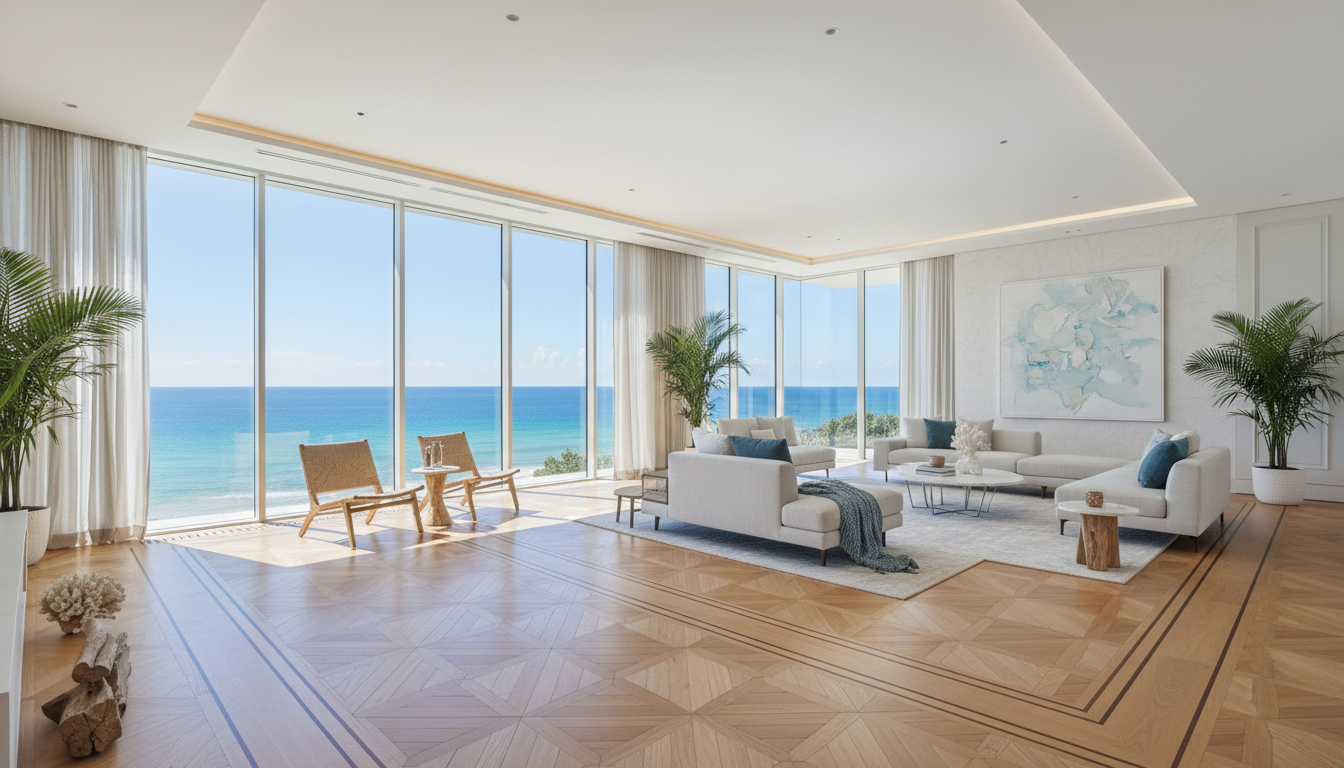
Louvre Parquet Flooring - French Geometric Excellence
Louvre parquet flooring represents the pinnacle of French geometric wood flooring design, featuring sophisticated interlocking patterns inspired by the classical architecture of European palaces. This parquet flooring style combines precise geometric shapes with contrasting wood species to create dramatic visual effects that transform any space into a showcase of artisan craftsmanship. Named after the iconic Parisian museum, Louvre parquet patterns embody centuries of European woodworking tradition and artistic excellence.
Related Parquet and Hardwood Flooring Products
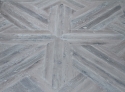
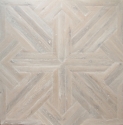
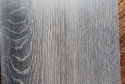

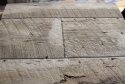
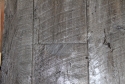
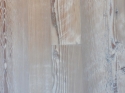
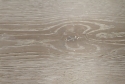
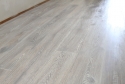
The Louvre Parquet Pattern Design
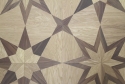
The Louvre parquet pattern features a complex arrangement of diamond shapes and geometric borders that create a sense of movement and depth across the floor surface. This traditional French design uses contrasting wood tones to emphasize the geometric precision of the pattern, with lighter woods like white oak or maple alternating with darker species such as walnut or wenge. The pattern typically incorporates a central diamond or square motif surrounded by intricate border work, creating a medallion effect that can be repeated across large floor areas or used as a focal point in entry halls and formal rooms.
Each Louvre parquet tile is meticulously crafted to maintain the geometric integrity of the pattern. The precision cutting required for this pattern demands expert craftsmanship, as even minor variations in angle or dimension would disrupt the visual flow of the design. Traditional Louvre patterns feature 45-degree mitered corners and carefully calculated proportions that create optical illusions of three-dimensionality, making the flat floor surface appear to have raised or recessed geometric shapes.
The symmetry and balance of the Louvre pattern make it particularly suitable for formal spaces where architectural detail is appreciated. This pattern works beautifully in grand foyers, dining rooms, libraries, and ballrooms where the floor becomes a central design element rather than merely a functional surface. The geometric complexity draws the eye and creates visual interest without requiring additional decorative elements, allowing the wood itself to serve as both flooring and art.
Wood Species Selection for Louvre Parquet
Species contrast is fundamental to the Louvre parquet aesthetic. The pattern relies on the interplay between light and dark woods to create visual definition and emphasize the geometric structure. Common combinations include white oak with walnut, maple with cherry, or ash with wenge. The color differential between species should be significant enough to clearly delineate the pattern elements while maintaining harmony in grain texture and hardness characteristics.
Reclaimed oak serves as an excellent foundation species for Louvre patterns, offering stability, durability, and a neutral color palette that accepts stains well if additional color customization is desired. The tight, consistent grain of oak provides visual uniformity within each geometric element, preventing grain patterns from competing with the overall design structure. Quarter-sawn oak is particularly prized for Louvre parquet because its straight grain orientation enhances the pattern's linear elements.
Exotic hardwoods like Brazilian cherry, teak, or mahogany can elevate Louvre parquet to luxury status, introducing rich reddish tones or golden hues that complement traditional dark accent woods. These species also offer exceptional hardness ratings (often exceeding 2000 on the Janka scale), ensuring the intricate pattern remains sharp and well-defined even in high-traffic areas. The natural oils in species like teak provide inherent moisture resistance, making them suitable for installation in climates with humidity variation.
Custom staining allows for even greater design flexibility with Louvre patterns. By selecting woods with similar base colors and applying different stain treatments, craftsmen can create dramatic contrast while maintaining consistent hardness and expansion characteristics across the entire floor. This approach eliminates concerns about differential movement between species with significantly different densities or moisture sensitivities.
Installation Techniques and Considerations
Professional installation is essential for Louvre parquet flooring. The geometric complexity of the pattern requires experienced craftsmen who understand both the mathematical precision and the practical challenges of working with multiple wood species. Installation typically begins at the room's center point, with the pattern radiating outward to ensure perfect symmetry. Any errors in the central medallion will be magnified as the pattern extends, making precise initial layout critical to success.
The substrate preparation for Louvre parquet must be exceptionally flat and stable. Even minor undulations in the subfloor will cause individual parquet pieces to sit at different heights, disrupting the smooth surface required for the pattern to appear uniform. Professional installers typically use self-leveling compounds to create a perfectly flat surface, then apply moisture barriers before beginning parquet installation. The substrate must also be structurally sound enough to support the additional weight of solid hardwood parquet, which is considerably heavier than standard strip flooring.
Adhesive installation is the preferred method for Louvre parquet patterns. High-quality urethane or epoxy adhesives provide the permanent bond necessary to keep the intricate geometric pieces in position over decades of use. Unlike floating or nail-down installations, adhesive application allows each parquet piece to be individually adjusted for perfect alignment before the adhesive sets. This precision is impossible to achieve with mechanical fastening methods that would also visually interrupt the pattern with fastener holes.
The acclimation period for Louvre parquet materials is typically longer than for standard flooring, often requiring 2-3 weeks in the installation environment. Because the pattern uses multiple wood species with potentially different expansion rates, all materials must reach moisture equilibrium with the room conditions before installation begins. Failure to properly acclimate the wood can result in gaps opening between pattern elements or buckling where pieces expand at different rates.
Design Applications and Room Selection
Formal entry halls are ideal locations for Louvre parquet flooring. The pattern creates an immediate impression of sophistication and craftsmanship that sets the tone for the entire home. In foyers measuring 12x12 feet or larger, a complete Louvre medallion can serve as a dramatic focal point, with the pattern transitioning to simpler oak plank flooring in adjacent spaces. This creates a visual hierarchy that emphasizes the formality of public areas while maintaining cost-effectiveness in less prominent rooms.
Dining rooms benefit from the formal elegance of Louvre parquet patterns. The geometric precision complements traditional dining furniture and architectural details like crown molding, wainscoting, and coffered ceilings. The pattern also helps define the dining space within open-concept floor plans, creating visual boundaries without requiring walls or partitions. When the dining table is removed, the Louvre pattern becomes a decorative feature in its own right, revealing the full artistry of the installation.
Home libraries and studies gain intellectual gravitas from Louvre parquet flooring. The pattern's association with European classical architecture evokes the libraries of historic universities and noble estates, creating an atmosphere conducive to reading and contemplation. The geometric order of the pattern also provides a satisfying visual counterpoint to the organic randomness of book spines and paper materials that dominate library spaces.
Modern interpretations of Louvre parquet can work effectively in contemporary spaces when executed with simplified geometry and monochromatic color schemes. By using a single wood species with varying grain orientations or subtle stain variations instead of high-contrast species combinations, designers create Louvre patterns that reference the traditional form while maintaining the clean aesthetic demanded by modern architecture. This approach preserves the craftsmanship appeal while avoiding the formal, period-specific character of traditional interpretations.
Maintenance and Long-term Care
Regular cleaning of Louvre parquet requires attention to the slight height variations between pattern elements. A high-quality microfiber dust mop used daily prevents abrasive dirt particles from settling into the joints between pieces where they can cause accelerated wear. Vacuum cleaners should be equipped with hardwood floor attachments that disable rotating brushes which could catch on pattern edges and cause damage to the intricate geometric elements.
The finish system for Louvre parquet must provide durable protection while accommodating the different absorption rates of multiple wood species. Oil-based polyurethane finishes offer excellent durability and tend to even out slight color differences between species, creating a more unified appearance. Water-based polyurethanes preserve the natural color contrast between woods but may require additional coats to achieve comparable protection levels. Regardless of finish type, the pattern's complexity makes refinishing more challenging than standard plank floors, as sanding must be carefully controlled to avoid removing more material from softer species than from harder ones.
Protective measures should include area rugs in high-traffic pathways across the Louvre pattern, furniture pads under all chair and table legs, and entrance mats to capture moisture and debris before it reaches the wood surface. Unlike plank flooring where individual damaged boards can be relatively easily replaced, damage to Louvre parquet often requires extensive repair work to maintain pattern integrity. Prevention is far more cost-effective than restoration for these intricate installations.
Humidity control between 35-55% relative humidity year-round helps minimize expansion and contraction that can stress the glue joints between pattern elements. Whole-house humidification systems or portable humidifiers in winter, combined with air conditioning or dehumidifiers in summer, maintain the stable conditions that preserve the tight, precise appearance of Louvre parquet patterns for decades. Wood movement is more visually apparent in geometric patterns than in random plank installations, making environmental control particularly important for these floors.
Comparing Louvre to Other Parquet Patterns
The Palace parquet pattern shares Louvre's emphasis on geometric precision but typically features larger-scale motifs with more pronounced medallion effects. While Louvre patterns create continuous geometric flow across the entire floor surface, Palace patterns often emphasize individual medallions as distinct design elements surrounded by simpler border patterns. The Palace pattern generally requires less material waste during installation but may appear less unified across large floor areas.
Versailles parquet patterns use square panels with diagonal inlays, creating a different type of geometric interest than Louvre's diamond-based designs. Versailles patterns are generally simpler to install because the square panel format aligns with standard room dimensions and requires less custom cutting at walls and transitions. However, Versailles lacks the visual complexity and movement that make Louvre patterns so captivating in formal spaces.
The Bordeaux parquet pattern incorporates curved elements and floral motifs that soften the strictly geometric character of Louvre designs. While both patterns can incorporate multiple wood species and create visual drama, Bordeaux appeals more to traditional or romantic design sensibilities while Louvre patterns work in both classical and contemporary settings due to their purely geometric nature. The curves in Bordeaux patterns also make them more challenging and expensive to produce than the straight-line geometry of Louvre designs.
Herringbone patterns represent a more simplified geometric approach that uses the same diagonal orientation as many Louvre pattern elements but with a single repeating motif rather than complex combinations of shapes. Herringbone offers some of the visual interest of parquet at significantly lower material and installation costs, making it a practical alternative for projects with budget constraints or where the full formal impact of Louvre parquet is not required.
Custom Design and Sizing Options
Modular panel systems allow Louvre patterns to be pre-manufactured in sections that installers can position and glue down like large tiles. These panels typically measure 24x24 inches or 36x36 inches and arrive fully assembled with the pattern already complete. While modular panels increase the initial material cost, they dramatically reduce installation time and eliminate many of the precision-cutting challenges of piece-by-piece installation. This approach makes Louvre patterns accessible for projects where skilled parquet craftsmen are not readily available.
Border integration with Louvre patterns creates additional design opportunities. A simpler geometric border in a contrasting wood species can frame a central Louvre field, creating visual definition and helping the pattern fit precisely within room dimensions. These borders also provide a logical transition point where Louvre parquet meets simpler plank flooring in adjacent spaces, avoiding awkward pattern cutoffs at doorways or room edges.
Scale customization allows the Louvre pattern to work effectively in rooms of different sizes. Large-scale versions with diamond shapes measuring 12-18 inches across suit grand halls and ballrooms, while smaller-scale interpretations with 4-6 inch diamonds work better in residential rooms where oversized patterns would overwhelm the space. The pattern's geometric nature makes it easily scalable while maintaining its visual character across different size variations.
Color customization through staining or species selection allows Louvre patterns to complement any interior design palette. Traditional interpretations use high-contrast combinations of very light and very dark woods, but contemporary applications might feature subtle tone-on-tone variations in grays, beiges, or warm browns. The pattern structure remains recognizable across these color variations, proving that Louvre parquet's appeal derives from geometric sophistication rather than merely from color contrast.
Investment Value and Pricing
Material costs for Louvre parquet flooring typically range from $65-$150 per square foot depending on wood species selection, pattern complexity, and whether pre-manufactured panels or individual pieces are used. Exotic hardwood combinations at the high end of this range can exceed $200 per square foot for materials alone. The significant material investment reflects both the quantity of premium hardwood required and the waste factor inherent in cutting geometric shapes from rectangular boards.
Installation labor adds another $40-$80 per square foot for professional craftsmen experienced in parquet installation. The total project cost for Louvre parquet flooring often reaches $100-$230 per square foot installed, making it one of the most expensive flooring options available. This investment is justified by the floor's role as a permanent architectural feature that defines the character of formal spaces and increases property value significantly beyond the cost of standard flooring alternatives.
Long-term value considerations make Louvre parquet more economically attractive than initial costs might suggest. When properly maintained, these floors can last 100+ years, far exceeding the lifespan of any other flooring material. The craftsmanship required for installation becomes increasingly rare and valuable over time, making historic parquet floors genuine antiques that enhance rather than diminish property value as they age. Replacement cost appreciation means that today's expensive installation becomes tomorrow's irreplaceable architectural treasure.
Return on investment for Louvre parquet is strongest in high-value properties where the flooring investment represents a reasonable percentage of total home value. In luxury homes and historically significant properties, Louvre parquet may be expected by potential buyers as part of the appropriate level of finish quality. In these contexts, the absence of such refined flooring could actually reduce property value by creating a perception of incomplete or inappropriate restoration or construction.
Visit Our Los Angeles Showroom
Experience the beauty and craftsmanship of Louvre parquet flooring in person at our Los Angeles showroom. View full-scale pattern samples showcasing different wood species combinations and finish options. Our parquet specialists can discuss custom design possibilities, provide detailed cost estimates, and connect you with experienced installation craftsmen.
Showroom Location:
9216 S. Vermont Ave
Los Angeles, CA 90044
Hours:
Monday - Friday: 8:00 AM - 5:00 PM
Saturday & Sunday: By Appointment
Contact:
Phone: (213) 792-5908
Email: info@legnohardwood.com
Schedule a consultation to discuss your Louvre parquet project. We provide detailed drawings, material samples, and installation timeline estimates for projects of all sizes.
Related Parquet and Hardwood Flooring Products
Explore Expanded Options
Browse additional parquet patterns, wood species combinations, and custom geometric designs not shown on this page.
View Full Gallery →