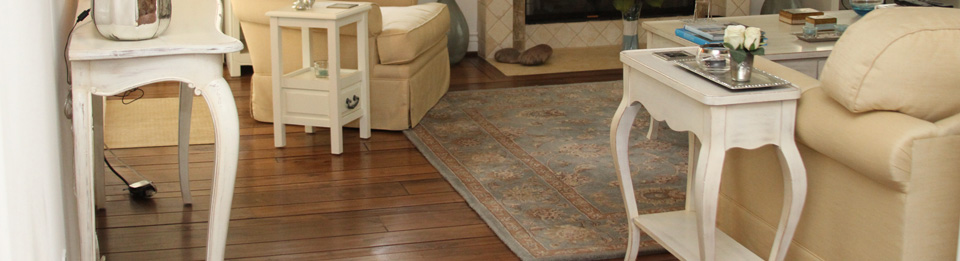
Teak Flooring - Exotic Hardwood with Natural Durability and Water Resistance
 Teak flooring delivers the timeless beauty and exceptional performance of one of the world's most prized exotic hardwoods. Renowned for its golden brown color, natural water resistance, and built-in protection against insects and decay, teak creates stunning hardwood floors for Los Angeles homes that combine luxury aesthetics with practical durability for both indoor and outdoor applications.
What Makes Teak Flooring Exceptional?
Teak (Tectona grandis) originates from Southeast Asia where centuries of use in shipbuilding, outdoor furniture, and high-end construction proved its remarkable resistance to moisture, insects, and decay. These same natural properties make teak an outstanding choice for hardwood flooring, particularly in applications where moisture exposure or extreme durability requirements would challenge lesser species.
The wood's high natural oil content provides built-in water resistance without chemical treatment. Teak's tight grain structure and natural silica content create surfaces that resist wear, scratches, and insect damage while developing a beautiful patina over time. Unlike many exotic species that rely solely on hardness, teak's combination of moderate density with exceptional stability and natural protective oils delivers long-term performance across diverse installation environments.
Teak Flooring Product Line
Solid Teak Flooring Specifications
- Widths: 3" - 12" (custom widths available)
- Thickness: 3/4" or 7/8"
- Standard Lengths: 1.5' - 12'
- Long Lengths: 4' - 16' (subject to availability)
- Janka Hardness: 1155 (moderately hard, excellent durability)
- Grain Pattern: Straight to slightly wavy with coarse texture
- Origin: Southeast Asia (Indonesia, Myanmar, Thailand)
The Distinctive Character of Teak Wood
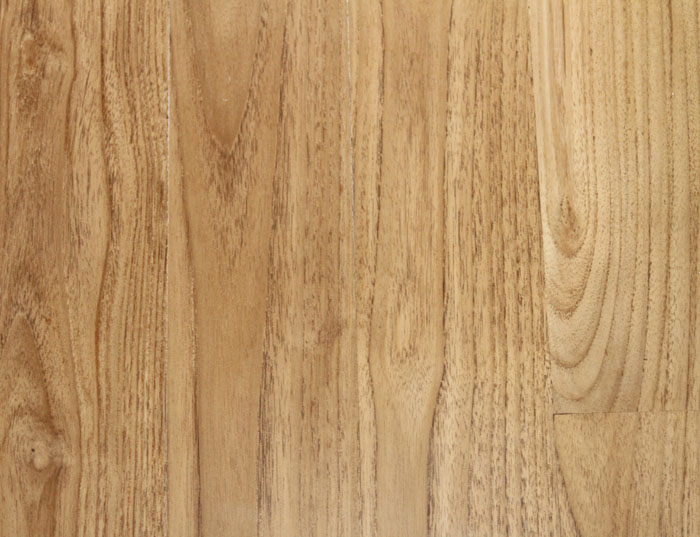
Color and Appearance: Fresh-cut teak displays warm golden brown to medium brown heartwood with darker brown streaks creating distinctive character. Some boards show lighter tan to golden tones while others lean toward deeper caramel or honey brown. This natural variation creates visual interest across floors without the dramatic color extremes of species like hickory.
The sapwood, when present, appears lighter cream to pale yellow and is typically excluded from premium flooring grades. Over time with light exposure, teak darkens slightly and develops a rich honey-brown patina while the natural oils bring out deeper golden tones.
Grain and Texture: Teak features straight grain with occasional interlocking or wavy patterns creating visual movement. The coarse, open texture reveals prominent growth rings and pores that give teak its characteristic rustic appearance. This texture provides natural slip resistance and creates interesting light-catching effects across finished floors.
Natural Properties: What truly distinguishes teak is what you can't see - the natural teak oil content throughout the wood fibers provides inherent water resistance and natural protection. You can feel this slightly oily surface even on unfinished teak, a quality that translates to exceptional moisture tolerance once properly finished for flooring applications.
Natural Durability Advantages
Water and Moisture Resistance: Teak's most famous attribute is its natural water resistance. The high oil content causes water to bead on the surface rather than absorbing into the wood. This makes teak suitable for bathrooms, kitchens, mudrooms, and even covered outdoor spaces where other hardwoods face moisture damage risks.
While no wood should be constantly wet, teak handles incidental moisture exposure, humidity fluctuations, and occasional spills better than virtually any other hardwood flooring species. This natural moisture tolerance reduces cupping, warping, and finish delamination issues that plague less stable species in challenging environments.
Insect and Decay Resistance: Teak contains natural compounds that repel termites, powder post beetles, and other wood-boring insects. The same properties resist fungal decay and rot. This built-in protection, developed through millions of years of evolution in tropical forests, provides peace of mind in pest-prone regions and humid climates.
Unlike chemically-treated woods, teak's protection is intrinsic to the wood structure and doesn't leach out or diminish significantly over time. This makes teak flooring a naturally protective choice without concerns about chemical treatments or fumigation.
Dimensional Stability: Despite being classified as moderately dense rather than extremely hard, teak demonstrates exceptional dimensional stability. The straight grain structure and moisture resistance mean teak floors expand and contract minimally with seasonal humidity changes compared to species like maple or beech. This stability translates to fewer gaps in winter and less cupping in summer.
Indoor and Outdoor Application Versatility
Indoor Residential Flooring: Inside Los Angeles homes, teak creates warm, sophisticated floors in living rooms, bedrooms, hallways, and home offices. The golden brown tones complement both traditional and contemporary design while the natural character adds organic warmth to modern minimalist spaces.
Moisture-Prone Indoor Areas: Teak excels in bathrooms, powder rooms, and kitchens where other hardwoods fail. While proper installation with appropriate moisture barriers remains important, teak handles bathroom humidity and kitchen splashes far better than oak, maple, or other common domestic species. This expands hardwood flooring possibilities to rooms typically reserved for tile or luxury vinyl.
Covered Outdoor Spaces: With proper finishing and maintenance, teak installs on covered patios, screened porches, sunrooms, and three-season rooms in Los Angeles. The natural weather resistance that makes teak ideal for yacht decks and outdoor furniture translates well to protected exterior flooring applications. Ensure adequate drainage, proper air circulation, and use outdoor-rated finishes for these installations.
Commercial Applications: Restaurants, hotels, spas, and retail spaces choose teak for its combination of exotic appearance and practical durability. The natural slip resistance, moisture tolerance, and scratch resistance handle commercial traffic while the distinctive appearance creates memorable spaces. Teak's bacteria-resistant properties make it particularly suitable for spas and wellness centers.
Teak Flooring Installation Considerations
Nail-Down Installation: Standard 3/4" solid teak installs over wood subfloors using traditional blind-nailing or stapling. Teak's moderate density nails more easily than extremely hard species like Brazilian cherry or wenge, simplifying installation while the natural oils provide some self-lubricating properties for fasteners.
Glue-Down Installation: Teak's dimensional stability makes it excellent for glue-down over concrete or existing floors. Use high-quality urethane adhesives rated for exotic hardwoods. The moisture resistance allows installation in ground-level and basement locations where solid hardwood typically isn't recommended, provided proper moisture barriers and testing are completed.
Floating Installation: While less common for solid 3/4" flooring, engineered teak flooring installs beautifully as a floating floor over appropriate underlayment. This method works well for concrete subfloors, basement installations, and spaces where fastening to subfloors is impractical.
Installation Techniques:
 |
Acclimation Requirements: Like all hardwood, teak should acclimate to installation space conditions for 7-10 days. However, teak's superior stability means it's more forgiving than highly reactive species. Maintain normal living temperatures and humidity (45-65% relative humidity) during and after installation.
Subfloor Preparation: Subfloors must be clean, dry, level (within 3/16" over 10 feet), and structurally sound. For concrete, moisture testing is essential even with teak - while the wood resists moisture better than other species, excessive subfloor moisture still causes adhesive failure and potential problems. Wood subfloors should be properly fastened and gaps filled.
Antique / Vintage Wood Flooring Styles
|
Teak's coarse texture naturally lends itself to distressed surface treatments that enhance character:
Hand Scraped Teak: Hand scraping emphasizes teak's grain structure and creates old-world floors with visible tool marks and subtle undulations. This technique complements teak's natural rustic character, creating floors that look centuries old while maintaining modern performance standards.
Wire Brushed Teak: Wire brushing removes soft grain tissue while leaving hard grain lines slightly raised, accentuating teak's prominent growth rings and coarse texture. The resulting surface provides enhanced slip resistance while creating interesting shadow lines and texture that catch light beautifully.
Hit or Miss Distressing: Random scraping in irregular patterns mimics antique hand-planed floors where some areas received heavy planing while others were left relatively smooth. This creates maximum visual interest and works beautifully with teak's natural color variation and grain patterns.
Finish Coat Options for Teak Flooring
Finishing teak requires understanding the wood's natural oil content:
- Water-Based Polyurethane: Modern water-based finishes formulated for exotic hardwoods provide clear, durable protection without yellowing. Proper surface preparation to remove natural oils ensures good adhesion. Multiple thin coats build protective layers that resist water, scratches, and wear.
- Tung Oil Finish: Tung oil complements teak's natural oils, penetrating deeply to enhance grain patterns and golden color. This finish creates a natural matte appearance and easy maintenance - damaged areas spot-repair without sanding the entire floor. Oil finishes require more frequent reapplication than film-forming finishes but deliver authentic appearance and simple maintenance.
- Hard Wax Oil: European hard wax oil finishes combine oil penetration with a thin wax surface layer. This provides better protection than straight oil while maintaining natural appearance and easy repair capabilities. The wax component adds water resistance and creates subtle luster.
- Oil-Based Polyurethane: Traditional oil-based poly creates durable protective film that resists moisture and wear. The amber tones enhance teak's golden color, creating rich warm floors. This remains the most durable finish option for high-traffic applications.
Outdoor Finishing: For covered outdoor installations, use marine-grade finishes specifically formulated for exterior teak applications. These typically include UV inhibitors and enhanced moisture protection. Plan for annual or bi-annual maintenance refinishing to preserve appearance and protection in outdoor environments.
Color Selection and Customization
Teak's natural golden brown color suits most design aesthetics, but customization options include:
- Natural/Clear Finish: Showcases teak's inherent golden brown color with all its natural variation and character. This is the most popular choice, allowing the exotic wood to speak for itself.
- Honey/Golden Enhancement: Light amber oil-based finishes or specialized teak oils deepen the golden tones, creating warmer, richer floors while maintaining teak's characteristic appearance.
- Medium Brown Stain: For consistency across boards with significant color variation, medium brown stains can unify appearance while still showing grain patterns and natural character.
- Dark Walnut/Tobacco Stain: Dark stains create dramatic contrast while maintaining visible grain. This works particularly well with wire-brushed surfaces where texture remains prominent despite darker color.
- Weathered Gray Finish: Specialty gray stains and washes mimic naturally weathered teak, creating contemporary floors with rustic character. This finish works beautifully in modern coastal or industrial design schemes.
- Custom Color Matching: Our finishing experts can match teak to specific color requirements, whether matching existing floors or achieving particular design visions.
Comparing Teak to Other Hardwood Species
Teak vs. Oak: Oak flooring costs significantly less and offers higher hardness (1290-1360 Janka vs. 1155), but lacks teak's natural water resistance, insect protection, and exotic appearance. Oak suits traditional design and budget-conscious projects; teak delivers distinctive character and superior moisture tolerance worth the premium price for specific applications.
Teak vs. Walnut: Walnut and teak share moderate hardness and rich brown coloring, but walnut shows more dramatic color variation (light tan sapwood to dark chocolate heartwood) while teak demonstrates more consistent golden brown tones. Walnut costs less but lacks teak's water resistance and natural durability. Choose walnut for formal interiors; choose teak for moisture-prone areas or outdoor applications.
Teak vs. Brazilian Cherry: Brazilian cherry (Janka 2350) is significantly harder and shows more dramatic color darkening over time, starting bright red and aging to deep burgundy-brown. Teak's moderate hardness actually benefits installation and workability while its stability prevents the cupping issues that affect Brazilian cherry. For extreme durability, choose Brazilian cherry; for moisture resistance and stability, choose teak.
Teak vs. Bamboo: Strand-woven bamboo offers comparable hardness at lower cost with contemporary appearance. However, bamboo lacks teak's natural water resistance, warmth, and exotic character. Teak provides authentic hardwood performance and luxury appearance that bamboo, as a grass product, cannot match.
Reclaimed Teak Flooring Alternative
For those seeking maximum character and sustainability, reclaimed teak flooring offers distinct advantages:
Enhanced Character: Reclaimed teak from dismantled buildings, boats, and industrial structures displays decades or centuries of patina, weathering, and character. The wood has already completed its initial color evolution and stabilized dimensionally, delivering floors with instant vintage appeal.
Environmental Benefits: Reclaiming existing teak reduces demand for newly harvested wood from increasingly scarce old-growth forests. This sustainable sourcing appeals to environmentally conscious homeowners while providing access to tight-grain old-growth teak no longer available in new lumber.
Unique Appearance: Each reclaimed teak board carries history - nail holes, bolt marks, weathering patterns, and natural aging create one-of-a-kind floors impossible to replicate with new wood. Original patina and character add authenticity to restoration projects and rustic design schemes.
Superior Stability: Decades-old reclaimed teak has fully stabilized and dried, minimizing movement risks compared to newly milled wood. This makes reclaimed teak particularly suitable for demanding installations.
Maintenance and Care for Teak Flooring
Daily Maintenance: Sweep or vacuum regularly with soft bristle attachments to remove dirt and sand that can scratch finishes. Teak's natural oils and moderate hardness create surfaces that hide wear better than harder species, but protective maintenance prevents unnecessary damage.
Routine Cleaning: Damp mop with hardwood floor cleaner diluted per manufacturer instructions. Teak's water resistance allows slightly more liberal moisture use than species like maple or beech, but avoid standing water and excessive wetness that can damage any hardwood floor finish.
Oil Finish Maintenance: Floors with tung oil or hard wax oil finishes benefit from periodic re-oiling (typically annually or bi-annually depending on traffic). Clean thoroughly, allow to dry, then apply thin coats of matching oil product. The natural appearance and easy spot-repair capability makes this simple maintenance worthwhile for many homeowners.
Polyurethane Finish Care: Film-forming finishes require less frequent maintenance. When worn areas appear (typically after 7-15 years depending on traffic), light screening and recoating refreshes protection without full refinishing. The moderate hardness means teak accepts screening more readily than extremely dense species.
Protecting Against Damage: Use felt pads under furniture legs, area rugs in high-traffic zones, and mats at exterior doors. While teak resists moisture better than other species, clean spills promptly to prevent finish damage. Trim pet nails and avoid walking on floors with cleats or damaged footwear.
Outdoor Teak Maintenance: Covered outdoor teak flooring requires more intensive maintenance. Plan for annual cleaning and refinishing with marine-grade products. Allow the wood to dry thoroughly between wet seasons and monitor for any decay issues, though teak's natural resistance makes this rare when properly maintained.
Sustainability and Environmental Considerations
Responsible Sourcing: Teak's popularity and slow growth rate (30-50 years to maturity) created sustainability concerns as old-growth forests faced overharvesting. Walter's Flooring sources teak only from verified legal sources with proper documentation.
Plantation-Grown Teak: Much modern teak comes from managed plantation forests in Indonesia, Costa Rica, and other regions where teak has been successfully cultivated. While plantation teak typically shows wider grain and faster growth patterns than old-growth forest teak, it provides sustainable sourcing and good flooring performance at lower cost.
FSC Certification: When available, choose FSC (Forest Stewardship Council) certified teak from responsibly managed forests. This certification ensures legal harvest, sustainable forest management, and worker welfare protections.
Reclaimed as Sustainable Choice: Reclaimed teak represents the most sustainable option, recycling existing wood rather than harvesting new material. The superior grain quality and character of reclaimed old-growth teak often exceeds plantation-grown alternatives.
Longevity as Sustainability: Teak's exceptional durability means properly maintained floors last 75-100+ years, far exceeding most flooring materials. This longevity reduces replacement frequency and overall environmental impact compared to shorter-lived alternatives requiring more frequent replacement.
Pricing and Value Considerations
Material Cost: Teak typically costs $8-15 per square foot for standard grades and widths, positioning it in the upper-middle exotic hardwood price range. Plantation teak tends toward the lower end while old-growth reclaimed teak commands premium pricing. Wide-plank and long-length selections cost more due to material scarcity.
Installation Costs: Teak's moderate density and dimensional stability actually reduce installation complexity and costs compared to extremely hard or unstable species. Professional installation typically runs $3-6 per square foot depending on complexity, pattern, and site conditions.
Long-Term Value: The combination of exceptional durability, moisture resistance, and timeless appearance creates floors that add lasting value to homes. Teak's reputation and exotic status appeal to future buyers, particularly in upscale markets where quality materials command premium valuations.
Maintenance Costs: Oil finishes require annual product applications ($30-100 annually for typical rooms). Polyurethane finishes need screening and recoating every 7-15 years ($2-4 per square foot). These costs compare favorably to luxury vinyl, tile, or lower-quality hardwoods requiring more frequent replacement.
Versatility Value: The ability to install teak in moisture-prone areas like bathrooms and kitchens where other hardwoods fail creates value by unifying flooring throughout homes. This eliminates visual breaks between rooms and reduces overall project complexity.
Why Choose Walter's Flooring for Teak
Walter's Flooring brings over three decades of exotic hardwood expertise to every teak flooring project:
Quality Material Selection: We inspect every teak shipment, rejecting boards with excessive defects, poor grain patterns, or quality issues. Our standards ensure you receive premium teak that performs beautifully for decades.
Verified Legal Sourcing: All teak purchases include complete documentation proving legal harvest and export. We maintain relationships with reputable suppliers committed to sustainable forestry practices and legal compliance.
Custom Manufacturing: Need specific widths, lengths, or thicknesses? We custom mill teak to your exact specifications. Whether you envision narrow strip flooring or dramatic wide-plank installations, we can manufacture the perfect product for your design.
Expert Finishing: Our finishing facility handles all surface treatments from hand scraping and wire brushing to custom staining and professional-grade finish application. We ensure consistent color and protection across your entire teak floor installation.
Installation Guidance: We work with experienced installers throughout Los Angeles who understand teak's properties and proper installation techniques. From subfloor preparation through final finishing, we ensure your teak floor installation meets the highest standards.
Moisture-Prone Application Expertise: We understand the special considerations for installing teak in bathrooms, kitchens, and covered outdoor spaces. Our team provides detailed guidance on moisture barriers, ventilation, and finishing products that maximize teak's performance in challenging environments.
Request Samples and Pricing
Teak flooring's distinctive appearance, color variation, and texture must be evaluated in person. We encourage you to request samples showcasing different grades, widths, and finish options. See how teak's golden brown color and coarse texture complement your space under your specific lighting conditions.
Contact Walter's Flooring at 213-792-5908 to discuss your teak flooring project. Our specialists can explain grade differences, recommend appropriate widths and finishes for your application, and provide detailed pricing for both new and reclaimed teak options.
Visit our Los Angeles showroom at 9216 S. Vermont Ave, Los Angeles, CA 90044 to view teak samples alongside other exotic species. Compare the natural water resistance, examine grain patterns, and see the range of available colors and character grades that make each teak floor unique.
Request a detailed quote for your teak flooring project, including materials, finishing services, and professional installation throughout the Los Angeles area. Whether you're planning a whole-house installation or seeking teak's moisture resistance for specific rooms, we'll create a comprehensive proposal for your project.