Engineered Red Oak Flooring - America's Favorite Hardwood with Enhanced Versatility and Stability
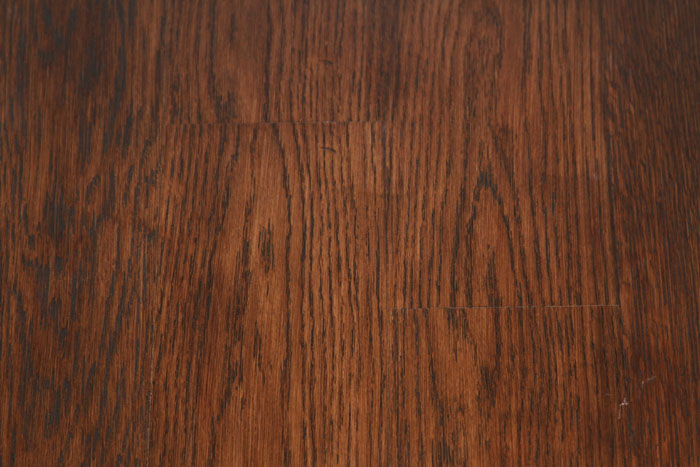 Engineered red oak flooring combines the proven performance, attractive appearance, and excellent value of America's most popular hardwood species with advanced engineered construction that delivers superior dimensional stability, versatile installation options, and reliable performance across diverse Los Angeles environments. Perfect for concrete subfloors, radiant heating systems, and whole-house installations where solid red oak flooring faces limitations while maintaining the classic light-to-reddish appearance and good durability (Janka 1290) that have made red oak the standard choice for generations.
What is Engineered Red Oak Flooring?
Engineered red oak flooring features a top layer (wear layer) of genuine red oak hardwood bonded to a stable multi-ply plywood or high-density fiberboard core. This construction provides the authentic appearance, prominent grain patterns, good hardness (Janka 1290), and classic light-to-reddish coloring of solid red oak while offering significant advantages in stability, installation flexibility, and performance across varying moisture and temperature conditions.
The red oak wear layer thickness typically ranges from 1/16" to 1/4", providing substantial material for refinishing while the cross-grain plywood core resists the expansion and contraction that affects all hardwood. This engineering makes red oak's proven performance accessible for ground-level installations, basement spaces, and over concrete where solid hardwood faces significant challenges.
Engineered Red Oak Flooring Product Line
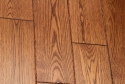
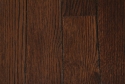
Engineered Red Oak Flooring Specifications
- Widths: 2 1/4" - 16" (custom widths available)
- Overall Thickness: 3/8", 1/2", 5/8", 3/4", 7/8", or 1"
- Wear Layer Thickness: 1/16" to 1/4" genuine red oak
- Standard Lengths: 1' - 6'
- Long Lengths: 4' - 16' (subject to availability)
- Janka Hardness (wear layer): 1290 (good durability for residential use)
- Core Construction: Multi-ply cross-grain plywood or HDF
- Origin: Red oak from Eastern United States
Red Oak's Classic Properties in Engineered Construction
The genuine red oak wear layer retains all the properties that have made this species America's favorite hardwood for generations:
Good Hardness and Durability: The Janka 1290 hardness rating in the wear layer provides the same good durability, dent resistance, and wear resistance as solid red oak. This proven hardness handles typical residential traffic, active households, children, and pets without showing premature wear. Even in engineered form with only the top layer being red oak, the surface you walk on daily delivers the reliable performance homeowners expect.
Classic Color and Appearance: The light pink to pale reddish-brown coloring creates warm, inviting floors that complement virtually any paint color or design scheme. The relatively uniform appearance between sapwood and heartwood creates consistent floors without dramatic color variation. Engineered construction preserves this entirely - the surface appearance matches solid red oak perfectly.
Prominent Grain Character: Red oak's distinctive prominent grain patterns with open pore structure create floors with visible character that help hide minor scratches and wear. Cathedral patterns in plain-sawn boards add traditional visual interest. This characteristic grain suits both classic and contemporary designs, working beautifully in traditional homes and modern spaces alike.
Excellent Staining Characteristics: Red oak's open pore structure accepts stains readily and evenly, making it ideal for color customization. The wear layer absorbs pigment uniformly without blotching, producing consistent color across boards whether natural, golden, medium brown, or dramatic dark finishes. This versatility makes engineered red oak adaptable to any design vision.
Advantages of Engineered Construction for Red Oak
Superior Dimensional Stability: While solid red oak demonstrates good dimensional stability, engineered construction enhances this significantly. The cross-ply core counteracts any expansion/contraction in the wear layer, maintaining even tighter dimensional tolerances across seasonal humidity fluctuations. This means fewer seasonal gaps in winter and less cupping in summer.
Concrete Subfloor Installation: Engineered red oak installs directly over concrete slabs using glue-down or floating methods, opening this classic species to ground-level installations, basements, and modern slab-on-grade construction throughout Los Angeles. Solid red oak requires wood subfloors, limiting installation possibilities and increasing project complexity and cost.
Radiant Heat Compatibility: The thinner profile and enhanced stability make engineered red oak ideal for radiant floor heating systems. Many radiant heat manufacturers specifically approve engineered flooring while excluding solid hardwood. The moderate density of red oak allows efficient heat conduction while the engineered construction handles thermal cycling without excessive movement.
Wide-Plank Options: Engineered construction enables dramatic wide-plank installations (10-16" widths) with minimal cupping or warping risk. Wide-plank red oak creates stunning contemporary or transitional floors with fewer seams, showcasing the prominent grain patterns across larger boards while the classic color maintains broad appeal.
Cost Efficiency: Engineered red oak uses valuable domestic hardwood only where visible while utilizing sustainable, stable materials for the core. This provides authentic red oak flooring at 15-25% lower cost than solid red oak while actually improving performance in many applications. The cost savings can fund upgrades to thicker wear layers, wider planks, or custom finishing.
Installation Flexibility: Three installation methods (floating, glue-down, nail-down) versus one option (nail-down) for solid wood dramatically expands application possibilities. This flexibility reduces installation costs and complexity while enabling engineered red oak in spaces solid hardwood cannot reach - basements, over concrete, over existing floors.
Engineered vs. Solid Red Oak Flooring
Understanding the differences helps determine which construction best suits your specific project:
Appearance: Identical when properly manufactured. Both feature genuine red oak on the surface with the same light-to-reddish color, prominent grain patterns, open pore structure, and natural variation. Visual differences come from individual board characteristics and grade, not construction method. In finished installations, engineered and solid red oak are visually indistinguishable.
Hardness and Durability: The wear layer provides the same Janka 1290 hardness, delivering identical dent resistance, scratch resistance, and traffic-handling capability. The surface performs identically in both constructions - the difference is in thickness available for refinishing, not daily performance.
Refinishing Capacity: Solid red oak's 3/4" thickness allows multiple refinishing cycles (3-5 full refinishings over 75-100+ years). Engineered red oak's refinishing potential depends on wear layer thickness - 1/4" layers support 2-3 full refinishings, 1/8" layers typically allow one refinishing, while thinner layers shouldn't be refinished. For most applications, this still provides 50-75+ years of service life.
Installation Requirements: Solid red oak requires wood subfloors and nail-down installation, limiting applications to above-grade spaces with appropriate framing. Engineered red oak offers floating, glue-down, and nail-down options over wood or concrete, dramatically expanding installation possibilities including basements, ground-level rooms, and over radiant heat.
Stability and Movement: Engineered red oak's cross-ply core provides measurably superior dimensional stability compared to solid red oak's already-good stability. This translates to tighter tolerances, fewer seasonal gaps, and better performance in variable humidity environments common in Los Angeles homes.
Cost Comparison: Engineered red oak typically costs 15-25% less than solid red oak for comparable grades and widths. Installation cost savings (particularly over concrete or for floating installations) often bring total project costs 25-35% lower while still delivering the classic red oak appearance and proven performance.
Engineered Red Oak Installation Options
Engineered construction provides installation versatility unavailable with solid hardwood:
Floating Installation: Planks click or glue together and float over underlayment without attachment to subfloor. This method works beautifully over concrete, existing tile, vinyl, or wood floors. Installation speed and relative simplicity make floating floors popular, and the stable core prevents telegraphing issues. The good hardness wear layer performs identically whether floating or attached.
Glue-Down Installation: Urethane adhesive bonds engineered red oak directly to concrete or wood subfloors. This provides maximum stability, works excellently with radiant heat, and eliminates hollow sound. Glue-down is the professional standard for engineered flooring over concrete and delivers performance identical to nail-down installations.
Nail-Down Installation: Over wood subfloors, engineered red oak can install with staples or nails. The plywood core accepts fasteners readily while the stable construction minimizes movement. This traditional method works well for above-grade installations over appropriate framing.
Radiant Heat Installation: Engineered red oak's stable construction, thinner profile, and efficient heat transfer make it ideal for radiant floor heating. The cross-ply core handles thermal cycling without excessive movement while red oak's moderate density allows good heat conductivity. Follow manufacturer temperature guidelines (typically 80-85°F maximum surface temperature) for long-term performance.
Installation Techniques and Subfloor Preparation
 |
Concrete Subfloor Preparation: Concrete must be clean, dry (below 3% moisture content), level within 3/16" over 10 feet, and properly cured (minimum 60 days for new slabs). Use calcium chloride or relative humidity testing to verify moisture conditions before installation. Proper subfloor preparation ensures long-term performance.
Wood Subfloor Requirements: Existing wood subfloors must be structurally sound, properly fastened, level, and free of loose boards. Fill gaps larger than 1/4", sand high spots, and ensure the surface is clean before installing engineered red oak.
Moisture Barriers: Over concrete, use 6-mil polyethylene sheeting or specialized moisture barriers appropriate for your installation method. Proper barriers prevent subfloor moisture from affecting core materials and adhesives.
Acclimation: Allow engineered red oak to acclimate 48-72 hours in the installation space with HVAC running at normal living conditions. While more stable than solid wood, acclimation ensures optimal performance and minimizes any adjustment period after installation.
Antique / Vintage Wood Flooring Styles
|
Engineered red oak accepts the same distressed surface treatments as solid red oak:
Hand Scraped Engineered Red Oak: Hand scraping creates subtle surface undulations that add old-world character and vintage appeal while helping hide minor wear over time. Red oak's prominent grain shows beautifully through scraped surfaces, creating floors with authentic antique appearance that complement traditional and farmhouse designs.
Wire Brushed Engineered Red Oak: Wire brushing removes soft grain tissue while leaving harder growth rings slightly raised, dramatically accentuating red oak's already-prominent grain patterns. This creates enhanced texture that provides additional slip resistance while showcasing natural character. Wire-brushed red oak works beautifully in rustic, casual contemporary, and transitional designs.
Hit or Miss Distressing: Random scraping in irregular patterns mimics antique hand-planed floors with varied surface treatment. This maximum-character technique complements red oak's grain patterns, creating one-of-a-kind floors ideal for rustic, farmhouse, or historical design schemes seeking authentic vintage character.
Finish Coat Options for Engineered Red Oak
Many engineered red oak products come prefinished with factory-applied UV-cured finishes, but finishing options for unfinished or refinishing applications include:
- Water-Based Polyurethane: Modern water-based finishes provide clear, durable protection without yellowing, showcasing red oak's natural light-to-reddish color. Multiple thin coats build protective layers that resist moisture, scratches, and wear while maintaining the wood's subtle pink undertones.
- Tung Oil Finish: Penetrating tung oil enhances red oak's warm tones while creating natural matte appearance with easy maintenance. The oil brings out grain patterns and adds depth. Damaged areas spot-repair without full refinishing, though oil finishes require more frequent reapplication than film finishes.
- Hard Wax Oil: European hard wax oil combines penetrating oil benefits with a thin protective wax layer. This provides better protection than straight oil while maintaining natural appearance and simple repair capabilities. The wax component adds moisture resistance and creates subtle luster.
- UV-Cured Polyurethane: Factory-applied UV-cured finishes (common on prefinished engineered red oak) provide exceptional durability that outperforms site-applied finishes. These ultra-hard surfaces resist scratching, moisture, and wear. Combined with red oak's good hardness, UV-cured finishes create floors of impressive durability.
- Oil-Based Polyurethane: Traditional oil-based poly creates durable film protection with amber tones that warm red oak's natural reddish color. This remains the most durable site-applied finish option for high-traffic applications requiring maximum protection.
- Conversion Varnish: For commercial applications, catalyzed conversion varnish provides the hardest available finish. Combined with red oak's Janka 1290 hardness, this creates commercial-grade flooring for demanding environments.
Color Selection and Customization
Engineered red oak's natural light-to-reddish color suits most design aesthetics, and the excellent staining characteristics enable extensive customization:
- Natural/Clear Finish: Showcases red oak's inherent light pink to pale reddish-brown coloring with all natural variation and character. This traditional choice celebrates red oak's authentic appearance and remains highly popular for classic and traditional designs.
- Golden/Honey Enhancement: Light golden or honey-colored stains warm red oak while maintaining prominent grain visibility. This creates inviting floors that complement traditional and transitional interiors with enhanced warmth.
- Medium Brown Staining: Medium brown stains deepen color dramatically while preserving visible grain patterns. This transforms red oak's light natural color into richer brown tones while maintaining the characteristic oak grain that creates depth and interest.
- Dark Walnut/Espresso Stains: Dark stains create dramatic contemporary floors. Red oak's open pores accept dark stains evenly, producing consistent color while the prominent grain remains visible creating visual interest even in very dark finishes.
- Weathered Gray Finishes: Gray stains and specialty finishes create modern rustic floors popular in contemporary design. Wire-brushed red oak accepts gray stains beautifully, creating textured floors with on-trend coloring that suits coastal and industrial aesthetics.
- Whitewash/Pickled Finishes: Light whitewash or pickled finishes create beach-house or Scandinavian-inspired floors. Red oak's open pores hold whitewash effectively, producing softened floors with subtle grain visibility perfect for coastal or minimalist designs.
- Custom Color Matching: Red oak's excellent staining characteristics make it ideal for matching existing floors or achieving specific color requirements. Our finishing experts can replicate virtually any color while maintaining visible grain patterns.
Design Applications for Engineered Red Oak Flooring
Whole-House Installations: Engineered red oak's versatility allows installation throughout entire homes including over concrete basements and ground-level spaces. This creates unified classic hardwood flooring across all levels without visual breaks or material changes between rooms at accessible cost.
Ground-Level Modern Construction: Contemporary homes built on concrete slabs throughout Los Angeles find engineered red oak ideal. The glue-down or floating installation over concrete delivers classic hardwood appearance and good performance impossible with solid wood in these applications.
Budget-Conscious Quality Projects: When budget matters but quality hardwood flooring is desired, engineered red oak delivers authentic wood character at accessible price points. The combination of proven performance, attractive appearance, and reasonable cost makes it practical for cost-sensitive projects.
Radiant Heat Installations: Los Angeles homeowners choosing radiant floor heating find engineered red oak provides classic hardwood flooring with the thermal performance and stability radiant systems require. The stable construction prevents movement issues that affect solid hardwood over heated subfloors.
Wide-Plank Contemporary Spaces: Dramatic 10-16" wide engineered red oak planks create stunning transitional and contemporary spaces with fewer seams and enhanced grain display. The classic light-to-reddish color with prominent grain adds natural warmth to modern design while the engineered construction's stability enables these impressive widths.
Rental Properties and Active Families: Property owners and families with children, pets, and active lifestyles benefit from engineered red oak's good durability with versatile installation and accessible cost. The Janka 1290 rating handles typical residential traffic while the installation flexibility allows use throughout homes including ground-level spaces.
Maintenance and Care for Engineered Red Oak
Daily Maintenance: Sweep or vacuum regularly with soft bristle attachments. The good hardness and prominent grain hide minor wear well, but regular cleaning prevents abrasive dirt from scratching finishes.
Routine Cleaning: Damp mop with hardwood floor cleaner diluted per manufacturer instructions. Use minimal moisture - well-wrung mops that feel barely damp. Avoid standing water that can damage finishes or seep into seams.
Protective Measures: Use felt pads under furniture legs, area rugs in high-traffic zones, and mats at exterior doors. While red oak provides good durability, protective measures prevent unnecessary wear and extend finish life.
Finish Maintenance: Polyurethane finishes require minimal maintenance beyond cleaning. The good hardness means finishes last 10-20 years before screening and recoating compared to 7-10 years on softer species. Oil finishes require periodic reapplication but allow simple spot repairs.
Refinishing Engineered Red Oak: Refinishing capacity depends entirely on wear layer thickness. Professional assessment before refinishing ensures you don't sand through the red oak layer. Thicker 1/4" wear layers support full refinishing like solid wood. Red oak's moderate hardness and excellent staining characteristics make refinishing straightforward.
Performance Longevity: The combination of good hardness and engineered stability means engineered red oak floors often maintain appearance for decades with proper care, providing excellent long-term value.
Comparing Engineered Red Oak to Other Options
Engineered Red Oak vs. Solid Red Oak: Same authentic appearance and good hardness, but engineered offers superior stability, concrete installation capability, radiant heat compatibility, wider width options, and easier installation at lower cost. Solid provides greater refinishing capacity. Choose based on subfloor type, installation location, budget, and refinishing plans.
Engineered Red Oak vs. Engineered White Oak: Engineered white oak provides slightly higher hardness (1360 vs. 1290) with more subtle grain and slightly cooler tones. Red oak offers more prominent grain character, slightly warmer color, and typically lower cost. Choose white oak for slightly higher durability; choose red oak for more visible grain and better value.
Engineered Red Oak vs. Engineered Maple: Engineered maple provides higher hardness (1450 vs. 1290) with light cream color and subtle grain. Red oak offers more visible grain character and better staining capability at lower cost. Maple suits contemporary minimalist designs; red oak delivers traditional character with proven versatility.
Engineered Red Oak vs. Luxury Vinyl: While luxury vinyl costs less and handles moisture well, it lacks the authentic feel, warmth, natural beauty, and refinishing capability of engineered red oak. Red oak delivers genuine hardwood character with proven performance and long-term value.
Sustainability and Domestic Sourcing
Resource Efficiency: Engineered construction maximizes domestic hardwood resources by using red oak only where visible while utilizing sustainable plywood or HDF core materials. This efficiency makes this popular species more economically accessible.
Renewable Domestic Resource: Red oak grows abundantly throughout Eastern United States in sustainably managed forests. Selective harvesting maintains forest health while providing continuous timber supply without international shipping.
Sustainable Forestry: Modern red oak comes from responsibly managed forests where growth exceeds harvest rates. Forest Stewardship Council (FSC) certified red oak ensures legal harvest, sustainable management practices, and worker welfare protections.
Longevity as Sustainability: Engineered red oak's good durability delivers 50-75+ years of service in residential applications, far exceeding most flooring materials. The long service life reduces replacement frequency and overall environmental impact.
Pricing and Value Considerations
Material Cost: Engineered red oak typically costs $5-10 per square foot depending on wear layer thickness, grade, and width. This represents 15-25% savings versus comparable solid red oak. Thicker wear layers and wider planks cost more but provide enhanced value through refinishing capacity and visual impact.
Installation Costs: Floating and glue-down installations generally cost less than nail-down installations, with typical professional installation running $3-5 per square foot. The installation flexibility reduces costs compared to solid hardwood's nail-down-only requirement.
Long-Term Value: The good hardness means engineered red oak maintains appearance well over decades. Combined with accessible initial cost, this creates excellent long-term value for budget-conscious quality projects.
Versatility Value: The ability to install classic hardwood flooring over concrete, with radiant heat, in basements, and throughout entire homes creates value by unifying flooring across spaces. This eliminates material transitions and reduces project complexity.
Why Choose Walter's Flooring for Engineered Red Oak
Walter's Flooring brings over three decades of domestic hardwood and engineered flooring expertise:
Quality Engineered Products: We source engineered red oak with thick wear layers (up to 1/4"), premium plywood cores, and genuine red oak top layers. We reject products with thin veneers or inferior core materials that compromise long-term performance.
Expert Guidance: Our team understands engineered construction benefits and can recommend appropriate wear layer thickness, core construction, and finishing options for your specific application, whether whole-house installations, commercial spaces, or over radiant heat.
Custom Manufacturing: Need specific widths, lengths, or wear layer thickness? We custom manufacture engineered red oak to exact specifications. Choose your preferred core construction, wear layer depth, width, and length options for perfectly tailored flooring.
Finishing Services: Our facility handles all surface treatments from hand scraping and wire brushing to custom staining and professional-grade finish application. We ensure consistent color and protection across your entire engineered red oak installation.
Installation Support: We work with experienced installers throughout Los Angeles who understand engineered flooring installation over concrete, with radiant heat, and in challenging applications. From subfloor preparation through final finishing, we ensure proper installation.
Request Samples and Pricing
Engineered red oak flooring's appearance, wear layer quality, and core construction must be evaluated in person. We encourage you to request samples showcasing different wear layer thicknesses, grades, widths, and finish options. See how engineered red oak's classic color and prominent grain complement your space.
Contact Walter's Flooring at 213-792-5908 to discuss your engineered red oak flooring project. Our specialists explain construction differences, recommend appropriate products for your application, and provide detailed pricing for materials, finishing, and installation services.
Visit our Los Angeles showroom at 9216 S. Vermont Ave, Los Angeles, CA 90044 to view engineered red oak samples alongside solid red oak, white oak, and other domestic species. Compare wear layer thickness options, examine core construction quality, and see the range of available widths and character grades.
Request a detailed quote for your engineered red oak flooring project throughout the Los Angeles area. Whether planning ground-level residential spaces over concrete, whole-house flooring, or commercial installations, we'll create a comprehensive proposal tailored to your project.
For rustic or antique character, consider Reclaimed Oak Flooring and Reclaimed European Oak Flooring for maximum historical authenticity and unique character.