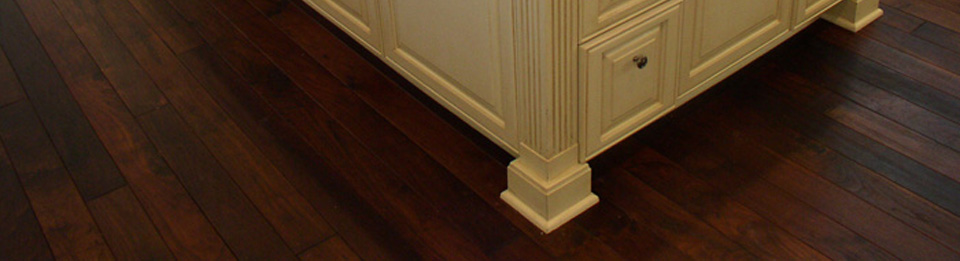
Reclaimed Rosewood Flooring
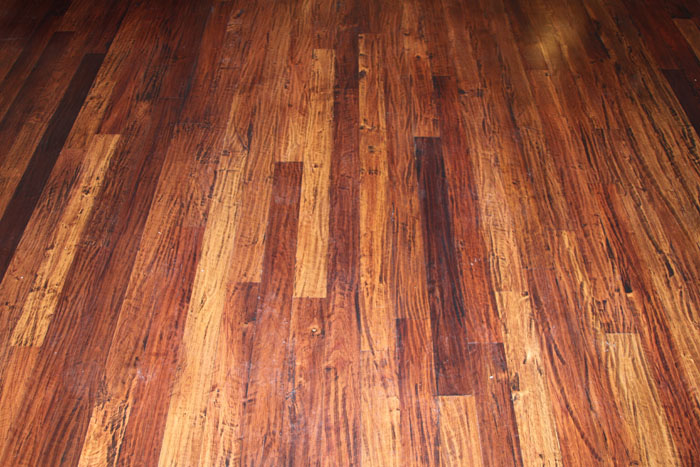 Reclaimed rosewood flooring represents the absolute pinnacle of exotic hardwood luxury—extraordinary color ranging from cream-colored flame patterns with swirling gold-to-orange highlights layered over medium brown backgrounds, accented with dramatic black striping throughout. This combination of spectacular figure, extreme hardness (3190 Janka—nearly triple oak's hardness), fine grain texture, natural aromatic oils, and genuine scarcity makes rosewood the most sought-after flooring material globally, now available as reclaimed material salvaged from historic sources predating modern harvesting restrictions.
The term "rosewood" technically encompasses multiple species from the Dalbergia genus, primarily Brazilian rosewood (Dalbergia nigra), East Indian rosewood (Dalbergia latifolia), and several Southeast Asian species. Our reclaimed rosewood wood flooring sources material from deconstructed buildings, warehouses, furniture workshops, and musical instrument factories where these premium hardwoods served 50-150 years before salvage. This reclaimed provenance is critical—Brazilian rosewood has been CITES Appendix I protected since 1992 (prohibiting international commercial trade in new timber), making legally-sourced new Brazilian rosewood essentially unavailable. Reclaimed material predates these restrictions, providing legal access to wood from trees harvested 100+ years ago when old-growth rosewood forests were still accessible.
What Makes Reclaimed Rosewood Exceptional
Solid reclaimed rosewood flooring offers performance and aesthetic characteristics unmatched by any other species:
Extreme Hardness and Durability: Rosewood rates 3190 on the Janka hardness scale—nearly triple red oak's hardness (1290), more than double maple (1450), significantly harder than hickory (1820), and approaching the hardness of metallic materials. This extreme hardness creates flooring essentially impervious to denting, scratching, or wear from normal residential use. Drop heavy objects, drag furniture, allow pet claws—rosewood surfaces resist damage that would mar softer species within months. The density contributing to this hardness also makes rosewood exceptionally heavy (specific gravity 0.75-0.90), creating substantial, solid feel underfoot unlike lighter woods.
Spectacular Color and Figure Patterns: Rosewood's appearance is its defining characteristic—no other hardwood displays this combination of base color richness, contrasting highlights, and dramatic figure. The heartwood shows medium to dark brown base coloring overlaid with cream, golden yellow, orange, and reddish highlights creating flame patterns, ribbon stripes, or mottled effects depending on grain orientation and individual tree characteristics. Dark brown to nearly black striping (the "rosewood" pattern) creates bold contrast against lighter background areas. Color varies significantly between boards and even within individual planks—this natural variation is highly desirable, creating floors with museum-quality visual complexity that never appears monotonous or uniform.
Fine, Dense Grain Structure: Despite extreme hardness, rosewood machines to remarkably smooth surfaces with fine, tight grain texture. The cellular structure is very dense with small, evenly-distributed pores creating subtle texture that feels almost glass-smooth when properly finished. This fine texture enhances rosewood's luxury appearance and makes it suitable for formal, refined interiors where coarse-grained woods would seem too rustic. The grain patterns themselves show straight to slightly interlocked orientation, often with dramatic ribbon figure (chatoyance) when quartersawn.
Natural Aromatic Oils: Rosewood contains distinctive fragrant oils (primarily dalbergione compounds) responsible for the species' characteristic sweet, floral aroma. These natural oils provide inherent moisture resistance (though not approaching teak's extreme water resistance), contribute to the wood's natural luster, and help repel insects. The aromatic properties are most noticeable when wood is freshly cut or sanded, gradually mellowing over years but remaining subtly detectable. Some individuals find the scent pleasantly distinctive; others may be sensitive to it during installation and finishing when oils volatilize most actively.
Dimensional Stability: Rosewood's dense structure and natural oil content provide very good dimensional stability—it expands and contracts less with seasonal humidity changes than most hardwoods. This stability allows rosewood to be installed in wider plank widths (8-12 inches) without excessive seasonal gapping concerns that would affect less stable species. The combination of stability and extreme hardness makes rosewood particularly suitable for high-end installations requiring both performance and sophisticated appearance.
Historical Provenance and Scarcity: Reclaimed rosewood carries historical significance—material salvaged from 19th and early 20th-century structures represents timber from old-growth Brazilian, Indian, or Southeast Asian forests that no longer exist due to extensive historical logging. The extreme scarcity of legally-available rosewood (new Brazilian rosewood trade is prohibited; other rosewoods face increasing restrictions) makes reclaimed material particularly valuable. Each plank connects to botanical history—trees that required 150-300 years to reach harvest size, representing genetic material from forests cleared generations ago.
Understanding Rosewood Species and Sourcing
The term "rosewood" requires clarification as multiple species carry this common name:
Brazilian Rosewood (Dalbergia nigra): Considered the ultimate rosewood, Brazilian rosewood (also called Bahia rosewood or Rio rosewood) displays the most dramatic color and figure patterns—deep chocolate browns with vibrant orange, red, and golden highlights creating spectacular contrast. The grain shows exceptional ribbon figure when quartersawn. Brazilian rosewood has been CITES Appendix I protected since 1992, prohibiting all international commercial trade in new timber. The only legal Brazilian rosewood available today is reclaimed material salvaged from structures, furniture, or musical instruments predating the restrictions, or antique pieces. This protection status makes authentic Brazilian rosewood flooring extraordinarily rare and valuable.
East Indian Rosewood (Dalbergia latifolia): Also called Bombay blackwood or Indian rosewood, this species grows throughout India and Indonesia. East Indian rosewood displays purple to dark brown coloring with darker striping, though typically less dramatic figure than Brazilian species. It rates similarly hard (Janka 2440-3170 depending on source) and shares Brazilian rosewood's working properties. East Indian rosewood faces CITES Appendix II restrictions (requiring documentation but allowing regulated trade), making it more accessible than Brazilian species though still subject to international trade controls.
Southeast Asian Rosewoods: Multiple Dalbergia species from Thailand, Cambodia, Laos, and Vietnam are traded as rosewood—Thai rosewood (D. cochinchinensis), Siamese rosewood (D. oliveri), Burmese rosewood (D. oliveri), and others. These species vary in color (golden brown to dark purplish-brown) and hardness (2200-2800 Janka typically). Many face CITES Appendix II restrictions or outright harvest bans due to overexploitation. Reclaimed material from these sources typically comes from furniture workshops or architectural elements in buildings scheduled for demolition across Southeast Asia.
Other "Rosewoods": Many unrelated species are marketed with "rosewood" in their trade names—African rosewood (Guibourtia species, not true rosewood), Australian rosewood (various species), cocobolo (D. retusa, technically a rosewood but with distinct properties). When specifying rosewood flooring, confirm the actual botanical species to ensure you receive genuine Dalbergia rosewood with the expected performance characteristics and legal sourcing.
Reclaimed Sourcing Verification: Given rosewood's protected status and high value, verification of reclaimed provenance is critical. Reputable suppliers provide documentation showing the structures from which rosewood was salvaged, approximate harvest/installation dates (predating CITES restrictions), and geographic origin. This documentation ensures legal compliance and authentic material rather than illegally harvested new timber falsely marketed as "reclaimed."
Rosewood Color Characteristics and Aging
Understanding rosewood's color evolution helps set appropriate expectations:
Fresh-Cut Appearance: Newly exposed rosewood surfaces display maximum color vibrancy—medium to dark brown background with cream, golden yellow, orange, and reddish-brown highlights creating flame patterns and swirling figure. Dark brown to black striping provides dramatic contrast. The exact coloring varies by species (Brazilian rosewood shows more orange/red tones; East Indian shows more purple), individual tree characteristics, and grain orientation. This fresh-cut appearance is what most people envision when they think "rosewood"—museum-quality wood with jewel-like color complexity.
Natural Darkening with Age: Unlike lighter woods that darken dramatically with UV exposure, rosewood's color evolution is more subtle. The lighter cream and golden highlights gradually darken to amber and brown tones over years of UV exposure, while the darker background browns deepen toward near-black. The overall effect is gradual color harmonization—individual boards become more uniformly dark brown to chocolate brown with less dramatic light-dark contrast than when new. This darkening occurs faster in sun-exposed areas; areas protected by rugs or furniture retain more original color, potentially creating "ghosts" if rugs are removed after years.
Oil Oxidation Effects: Rosewood's natural oils oxidize on exposure to air, contributing to color evolution. Surface oils darken and develop patina over months to years, creating slightly darker, richer appearance than freshly milled surfaces. This oil oxidation is most noticeable in the first 6-12 months after installation, then proceeds very gradually thereafter.
Preserving Original Color vs. Allowing Natural Aging: To maintain rosewood's vibrant fresh-cut appearance, apply UV-protective finishes (oil-based polyurethane, specialized UV inhibitor coatings) and control sun exposure with window treatments. Expect to refinish every 7-10 years to remove darkened surface layers and reveal fresh wood below (rosewood's 3/4-inch thickness allows many refinishing cycles). Alternatively, many owners embrace natural aging—the darkened, mellowed appearance develops character and historical patina appropriate to reclaimed material's age. There's no "correct" approach; it depends on aesthetic preferences.
Color Variation Between Boards: Expect dramatic color variation in rosewood floors—some planks show primarily light coloring with minimal dark striping, others display nearly uniform dark brown, most fall somewhere between. This variation is inherent to the species and highly valued—uniform rosewood would appear artificial and monotonous. When evaluating samples, review multiple pieces to understand the range of variation you'll see in the installed floor.
Hardness, Durability, and Performance
Solid rosewood flooring offers unparalleled performance characteristics:
Janka Hardness Rating: 3190: At 3190 on the Janka scale, rosewood ranks among the hardest wood species commercially available—nearly triple red oak (1290), more than double white oak (1360) or maple (1450), and significantly harder than hickory (1820), teak (1155), or even extremely hard exotics like ipe (3680 is harder, but few others are). This extreme hardness makes rosewood essentially dent-proof and scratch-proof under normal residential conditions. You'd need to actively try to damage rosewood surfaces with metal tools or extreme impacts—regular furniture dragging, dropped objects, pet claws, and high foot traffic leave minimal marks.
Wear Resistance and Longevity: Rosewood's combination of extreme hardness, dense cellular structure, and natural oils creates flooring that can literally last centuries with minimal wear. Properly installed and maintained rosewood floors easily provide 150-250+ years of service—longer than most buildings' lifespans. Historic examples of rosewood flooring, paneling, and architectural elements in museums, palaces, and significant buildings show remarkably minimal wear after 100+ years of use. The solid 3/4-inch thickness allows 5-8 refinishing cycles over the floor's service life, each refinishing essentially creating a "new" surface.
Scratch and Dent Resistance: Rosewood's extreme hardness means it resists surface damage better than virtually any other hardwood. Where oak or maple would show obvious denting from dropped objects or furniture legs, rosewood surfaces remain unmarked. Scratches that would gouge softer species leave minimal trace on rosewood. This superior damage resistance makes rosewood excellent for high-traffic commercial applications (luxury retail, museums, galleries, upscale hotels) or residential installations where maximum durability is required.
Moisture Resistance: While not approaching teak's legendary moisture resistance, rosewood's natural oils and dense cellular structure provide better moisture resistance than most hardwoods. Rosewood tolerates occasional water exposure (spills promptly wiped, minor leaks, humidity fluctuations) better than oak, maple, or walnut. However, it's still wood—standing water should be wiped immediately, and rosewood shouldn't be installed in true wet areas (shower rooms, saunas) without proper waterproofing measures. For normal residential applications including kitchens and powder rooms, rosewood's moisture resistance is excellent.
Tool Dulling and Working Challenges: Rosewood's extreme hardness and silica content create significant challenges for milling, sanding, and finishing. Cutting tools dull rapidly, requiring frequent sharpening or carbide-tipped tooling. Sanding rosewood takes longer than softer species and requires more frequent sandpaper changes. During installation, expect to replace saw blades and planer knives more frequently than with oak or maple. These working challenges contribute to rosewood's high installation costs but are inherent to the material's exceptional performance characteristics.
Solid Reclaimed Rosewood Specifications
Our reclaimed rosewood hardwood flooring is available in these configurations:
- Widths: 3" to 12" (wider planks showcase rosewood's color and figure dramatically)
- Thickness: 3/4" or 7/8" (thicker planks provide maximum refinishing potential for this long-lived material)
- Standard Lengths: 1.5' to 12' random lengths (varied lengths create authentic appearance)
- Long Lengths: 4' to 16' available (premium selection, very limited availability, minimizes seams)
- Profile: Tongue and groove with micro-bevel edges for nail-down installation
- Moisture Content: 6-8% (properly kiln-dried and acclimated)
- Grading: Premium character grade (includes natural color variation, dramatic figure, occasional knots typical of reclaimed material)
- Janka Hardness: 3190 (extreme hardness, suitable for any application including commercial)
Width Selection Considerations: Narrow 3-4 inch rosewood planks create traditional appearance with more seams but also more pieces showing individual character. Wide 8-12 inch planks provide dramatic showcase for rosewood's spectacular figure and color—each plank becomes an artistic statement. Given rosewood's extreme scarcity and cost, wider planks maximize visual impact per square foot installed. Expect 20-30% price premiums for ultra-wide planks due to material rarity and milling complexity.
Species and Sourcing: Availability varies by which rosewood species our current salvage sources yield. Brazilian rosewood (when available) commands highest prices due to protected status and superior aesthetics. East Indian and Southeast Asian rosewoods offer comparable performance at slightly lower costs. We provide species identification and provenance documentation with all rosewood orders to ensure legal compliance and authentic material.
Installation Methods for Solid Rosewood
Solid reclaimed rosewood installs like other 3/4-inch hardwoods but with special considerations:
Nail-Down Installation Over Wood Subfloors: Standard installation method using pneumatic nailers with hardened fastener points (rosewood's hardness dulls standard fastener points rapidly). Subfloors must be minimum 5/8-inch plywood or OSB properly fastened to joists. Pre-drill nail holes if using manual nailing to prevent splitting—rosewood's density can cause fasteners to deflect rather than penetrate. After proper acclimation (96+ hours minimum), blind-nail through tongue edges using appropriate fasteners. Expect slower installation progress than with softer species due to material hardness.
Cannot Install Over Concrete: Like all solid 3/4-inch hardwood, rosewood cannot be nailed to concrete slabs. If your project has concrete subfloors, either install engineered rosewood (which glues to concrete) or build wood subfloor system over concrete (sleepers and plywood adding $4-6/sq ft to costs). For most rosewood projects, the premium material cost justifies proper wood subfloor installation when necessary.
Acclimation Requirements: Rosewood's density slows moisture exchange, requiring longer acclimation than less dense species. Deliver flooring to site 7-10 days before installation. Store opened boxes with stickers (air gaps between boards) in installation space with climate control at normal occupied conditions. Measure moisture content with pin-type meters to confirm equilibrium with subfloor (within 4% moisture content difference) before installation begins.
Expansion Gap Requirements: Despite rosewood's good dimensional stability, proper expansion gaps (1/2-3/4 inch at all walls and permanent fixtures) are critical. Rosewood's extreme hardness means it won't compress like softer woods if seasonal expansion occurs—insufficient gaps result in buckling or peak formation as expanding planks have nowhere to move.
Finishing Rosewood Flooring
Finishing rosewood wood floors requires understanding the species' characteristics:
Site-Finished vs. Prefinished: Most reclaimed rosewood is sold unfinished, with finish applied on-site after installation. Site-finishing allows custom color adjustments (though most clients prefer rosewood's natural color) and achieves seamless surface without micro-bevels. The process involves extensive sanding (rosewood's hardness requires more time and sandpaper than softer species), optional staining, and multiple finish coats. Budget 5-7 days for finishing work and odor/drying time. Prefinished rosewood is rarely available due to limited material sources.
Natural Clear Finishes: Most rosewood installations use clear finishes showcasing the wood's natural spectacular coloring. Water-based polyurethane provides clear protection with minimal amber tint, preserving rosewood's true colors. Oil-based polyurethane adds slight warmth and enhances depth. The decision between water and oil-based finishes depends on whether you want maximum color accuracy (water-based) or slightly enriched warmth (oil-based). Both provide excellent protection for rosewood's already-durable surface.
Natural Oil Finishes: Tung oil, Danish oil, or specialized rosewood oil finishes penetrate the wood rather than forming surface films. These enhance rosewood's natural luster and color while preserving the wood's tactile qualities. Oil finishes require periodic reapplication (annually for high-traffic areas, every 2-3 years for moderate use) but develop beautiful patina over decades and can be spot-repaired easily. This traditional approach is appropriate for historical renovations or spaces where authentic period character is desired.
Staining (Rarely Used): Given rosewood's naturally spectacular color, staining is almost never done—it would cover the very characteristics that make rosewood valuable. Exceptions might include very light-colored boards being darkened to match predominantly dark material, or extremely rare situations requiring specific color matching to adjacent existing flooring. If staining is necessary, test extensively on scrap pieces as rosewood's natural oils can interfere with stain penetration and color uptake.
Sheen Levels: Satin finish (25-35 gloss) is most popular for rosewood, enhancing color depth while showing minimal dust and scratches. Matte finishes (10-20 gloss) provide contemporary low-sheen appearance while full gloss (70+ gloss) creates formal, traditional look showcasing rosewood's natural luster dramatically. Avoid ultra-high gloss (80-90) which can appear plastic-like and detract from wood's natural beauty.
Finishing Challenges: Rosewood's natural oils can interfere with finish adhesion if not properly addressed. Wipe surfaces with mineral spirits or denatured alcohol 24-48 hours before finishing to dissolve surface oils, or sand immediately before finish application to expose fresh non-oily wood. Some finishers apply dewaxed shellac as barrier coat before polyurethane to improve adhesion on oily exotic species. Professional finishing is strongly recommended for rosewood given material cost and complexity.
Design Applications for Reclaimed Rosewood Flooring
Solid reclaimed rosewood floors suit specific high-end applications:
Luxury Residential Interiors: Rosewood's extreme cost and spectacular appearance make it appropriate for the finest residential applications—grand entries, formal living rooms, libraries, master suites, and wine cellars in luxury homes where flooring is viewed as permanent investment and artistic statement. The combination of visual drama and legendary durability justifies the premium investment for clients seeking the ultimate in hardwood flooring.
Historic Renovations and Period Restorations: Rosewood was the premier hardwood in 19th and early 20th-century luxury construction—mansions, government buildings, museums, universities. When renovating historically significant structures that originally featured rosewood flooring, reclaimed material provides authentic replacement matching original installation's species, character, and patina. Historical architecture associations and preservation boards often require period-appropriate materials for registered historic structures.
Museum and Gallery Installations: Rosewood's museum-quality appearance and extreme durability make it excellent for art galleries, private museums, high-end auction houses, and cultural institutions where flooring must complement valuable displayed items while withstanding significant foot traffic. Rosewood's fine texture and rich coloring provide sophisticated neutral background that doesn't compete with artwork while delivering long-term performance justifying institutional budgets.
Luxury Retail and Hospitality: High-end jewelry stores, designer boutiques, luxury hotels, exclusive restaurants, and private clubs use rosewood flooring to convey prestige and permanence. The exotic status and visual impact create memorable impressions while the extreme durability withstands commercial foot traffic for decades. Rosewood flooring becomes part of brand identity signaling quality and exclusivity.
Yacht and Private Aviation Interiors: Rosewood's traditional association with luxury yachts (where it's used for interior joinery, furniture, and occasionally flooring) makes it appropriate for superyacht interiors and private jet cabins where space is limited but material quality is paramount. The density provides good sound dampening, hardness prevents damage from mobile equipment, and the exotic appearance creates jewel-box effect in compact spaces.
Musical Spaces and Audiophile Rooms: Given rosewood's traditional use in premium musical instruments (guitar bodies and fingerboards, marimba bars, piano actions), some audiophiles and musicians specify rosewood flooring for listening rooms, home recording studios, or music practice spaces to create sonic and aesthetic connections to musical instruments. Rosewood's density provides excellent sound reflection characteristics appropriate for acoustic environments.
Environmental Considerations and Sustainability
Choosing reclaimed rosewood flooring involves important environmental factors:
CITES Protection and Trade Restrictions: Multiple rosewood species face international trade restrictions under CITES (Convention on International Trade in Endangered Species). Brazilian rosewood (D. nigra) has been Appendix I protected since 1992, prohibiting all international commercial trade in new timber. Many other rosewoods are Appendix II listed, requiring documentation and permits for international trade. These protections exist because historical over-exploitation severely depleted rosewood populations globally. When purchasing rosewood flooring, ensure legal compliance through proper documentation.
Reclaimed Material as Sustainable Alternative: Reclaimed rosewood salvaged from structures, furniture, or instruments predating CITES restrictions provides legal access to protected species while avoiding contribution to ongoing deforestation. You're reusing wood harvested 50-150+ years ago rather than driving demand for new harvest from threatened populations. This makes reclaimed rosewood among the most sustainable exotic flooring choices—maximum environmental responsibility combined with access to otherwise-unavailable material.
Old-Growth Forest Preservation: The rosewood in reclaimed flooring comes from old-growth forests logged decades ago when such forests were still accessible. Those forests no longer exist—they've been logged or converted to agriculture/development. By choosing reclaimed material, you're not contributing to further old-growth forest destruction. New rosewood (where legal) comes from plantations or managed secondary forests, lacking the growth characteristics and figure quality of old-growth timber available in reclaimed stock.
Carbon Sequestration Extension: The rosewood trees that produced your flooring absorbed atmospheric carbon 150-300+ years ago during growth. Keeping that wood in service (rather than decomposing in landfills or burning during demolition) extends carbon storage for another 100-200 years of floor service, delaying release back to atmosphere by 250-500+ total years from original absorption.
Limited Supply Reality: Be realistic about reclaimed rosewood availability—it's extraordinarily scarce compared to reclaimed oak, pine, or even walnut. Salvage sources are limited to specific geographic regions where rosewood was historically used (primarily coastal cities with historical trade connections, wealthy neighborhoods in major metropolitan areas, specialized industries like musical instrument manufacturing). Projects requiring large square footages may face availability challenges or extended lead times as material is located and processed.
Pricing and Investment Value
Reclaimed rosewood hardwood flooring commands the highest pricing in the flooring market:
Material Cost: Expect $40-80+ per square foot for reclaimed rosewood depending on species (Brazilian commands highest prices), width, length, figure quality, and current scarcity. This is 3-5x more expensive than premium domestic reclaimed hardwoods like walnut ($10-18/sq ft) or oak ($8-14/sq ft), 2-3x more than teak ($14-24/sq ft), and even more expensive than most other exotics. Brazilian rosewood (when available) may exceed $100/sq ft due to protected status and extreme rarity. For context, rosewood flooring costs more per square foot than many granite countertops or premium tile.
Installation Cost: Professional installation costs $8-15/sq ft including labor and specialized fasteners, higher than standard hardwood ($5-8/sq ft) due to rosewood's extreme hardness creating working challenges. Installers require carbide-tipped saw blades, heavy-duty nailers, and additional time for material that dulls tools rapidly. Factor these premium installation costs into budget—attempting DIY installation of rosewood is not recommended given material cost and working difficulty.
Finishing Cost: Site-finishing rosewood costs $5-8/sq ft, higher than standard hardwood finishing due to extended sanding time (rosewood's hardness wears through sandpaper quickly) and need for specialized techniques addressing natural oils. Some finishers charge premium rates for exotic species work reflecting additional expertise required.
Total Installed Cost: Complete rosewood flooring projects typically cost $53-103/sq ft (material + installation + finishing). A 500 sq ft room runs $26,500-51,500 installed—comparable to luxury automotive purchases. While extraordinarily expensive, this represents permanent architectural investment that can last 150-250+ years, making per-year cost over the floor's service life more reasonable than initial figures suggest.
Value Retention and Appreciation: Rosewood flooring is recognized as the ultimate hardwood upgrade, significantly increasing property values in luxury real estate markets. Potential buyers and appraisers recognize rosewood's scarcity, protected status, and cost, translating to higher resale values. In some cases, rosewood flooring appreciates in value as material becomes increasingly scarce—existing installations may be worth more decades later than original installation cost when adjusted for inflation, unusual for building materials.
Investment Perspective: View rosewood flooring as permanent architectural investment and artistic statement rather than consumable building material. The combination of extreme durability (150-250+ year lifespan), irreplaceable aesthetics, increasing scarcity, and protected species status means rosewood floors are as much investment as functional surface. For luxury properties, cultural institutions, and historic structures, rosewood flooring represents appropriate allocation of resources for truly permanent improvements.
Why Choose Walter's Flooring for Reclaimed Rosewood
Our expertise ensures you receive authentic material and superior service:
Verified Reclaimed Provenance and Legal Compliance: We maintain detailed documentation for all rosewood inventory showing salvage source structures, approximate harvest/installation dates (predating CITES restrictions), species identification, and geographic origin. This documentation ensures legal compliance and authentic reclaimed material rather than illegally harvested new timber. Given rosewood's protected status, proper documentation is not optional—it's essential for legal ownership and potential resale.
Species Identification Expertise: Multiple species are marketed as "rosewood" with varying characteristics and legal status. Our botanical expertise ensures accurate species identification—Brazilian vs. East Indian vs. Southeast Asian species—so you receive wood with expected performance characteristics and appropriate pricing. We provide written species identification with quotes and invoices preventing confusion or substitution.
Quality Grading and Character Selection: We inspect all reclaimed rosewood before processing, balancing desirable character (dramatic figure, color variation, natural aging) with structural integrity. Reclaimed rosewood occasionally shows checking, knots, or nail holes from previous use—we remove material with defects compromising structural performance while preserving authentic character marks that add value. For clients with specific aesthetic preferences, we can sort inventory toward particular characteristics: maximum figure, specific color ranges, or cleaner material with minimal character marks.
Specialized Processing Capabilities: Rosewood's extreme hardness requires industrial-grade milling equipment with carbide tooling designed for abrasive exotic species. Our processing partners use appropriate equipment achieving precise tongue-and-groove profiles and smooth surfaces despite rosewood's hardness. Poorly equipped mills using standard tooling produce inferior results—torn grain, imprecise joints, and rough surfaces that compromise installation quality.
Installation and Finishing Guidance: From evaluating subfloor conditions through selecting appropriate fasteners, installation techniques, and finishing products for rosewood's unique characteristics (hardness, natural oils), we provide detailed technical guidance. We can refer qualified installers and finishers experienced with exotic hardwoods who understand rosewood's working challenges. For projects of this investment level, professional expertise prevents costly mistakes.
Request Samples and Begin Your Project
Experience reclaimed rosewood flooring quality firsthand by requesting samples. We'll send representative pieces showing the species available in current inventory with actual color patterns, figure quality, and character marks you can expect. Given rosewood's natural variation and limited availability, samples are essential for setting accurate expectations.
Request samples or request a project quote to begin. Our team will discuss your square footage requirements, timeline, aesthetic preferences (species, figure density, color range), budget, and design goals to determine whether we can source adequate rosewood inventory for your project. Lead times for rosewood projects often extend 8-16 weeks as we locate and process rare material.
For immediate consultation or showroom visits, call us at 213-792-5908 or visit 9216 S. Vermont Ave, Los Angeles, CA 90044. We're open Monday through Friday, 8:00 AM to 5:00 PM, ready to help you discover why solid reclaimed rosewood flooring from Walter's Flooring represents the ultimate combination of spectacular exotic beauty, legendary durability, historical significance, and responsible environmental stewardship for the most prestigious hardwood flooring projects.
Solid Rosewood Flooring Specifications
- Widths: 3" to 12"
- Thickness: 3/4" or 7/8"
- Standard Lengths: 1.5' to 12'
- Long Lengths: 4' to 16' (very limited availability)
- Profile: Tongue and groove
- Moisture Content: 6-8%
- Janka Hardness: 3190 (extreme hardness)
Antique / Vintage Wood Flooring Styles
|
 |
Finish Coat Options
- Water-Based Polyurethane (maximum color clarity)
- Oil-Based Polyurethane (enhanced warmth and depth)
- Tung Oil or Danish Oil (traditional penetrating finish)
- Hard Wax Oil (modern alternative with natural appearance)
- Specialized Rosewood Oil (enhances natural luster)
Color Selection
- Natural Clear Finish: Showcases rosewood's spectacular cream/gold/orange highlights over brown with black striping
- Golden Highlights: Rosewood's characteristic warm tones
- Medium Brown Background: Base coloring beneath highlights
- Dark Tones: Aged rosewood's deepened coloring
- Custom Finishing: Available on request (though rarely needed given natural beauty)
Installation Options
- Nail Down (required for solid rosewood - over wood subfloors only)
- Not Recommended: Glue Down (use engineered rosewood for installations over concrete)
- Not Recommended: Floating (use engineered rosewood for floating installations)
Installation Techniques
|
|