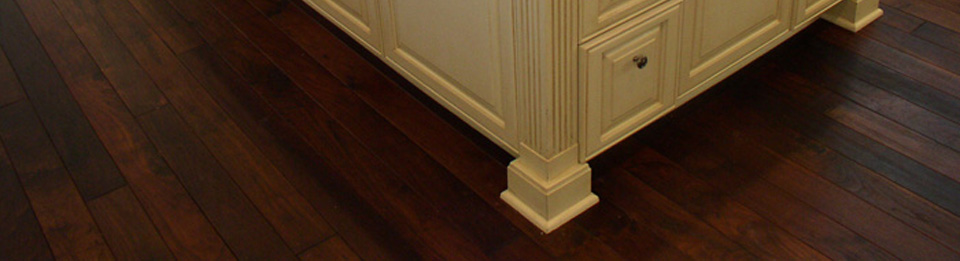
Engineered Reclaimed Rosewood Flooring
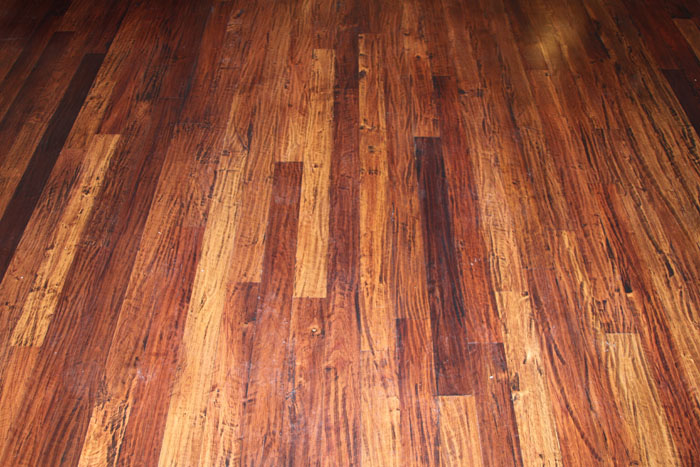 Engineered reclaimed rosewood flooring delivers the ultimate exotic luxury—genuine reclaimed rosewood wear layer with spectacular cream, gold, and orange highlights over medium brown backgrounds accented by dramatic black striping, combined with modern engineered core construction providing installation versatility impossible with solid rosewood. This combination preserves rosewood's extraordinary beauty, extreme hardness (3190 Janka surface), fine grain texture, and historical significance while enabling installation over concrete slabs, radiant heating systems, below-grade spaces, and challenging environments where solid 3/4-inch rosewood would be impractical or impossible.
The surface you see and touch is authentic reclaimed rosewood—not a photographic image or printed pattern, but actual sliced rosewood veneer salvaged from historic structures, furniture workshops, or musical instrument factories predating modern CITES restrictions on Brazilian rosewood trade. This reclaimed wear layer retains all of rosewood's inherent properties: the museum-quality figure patterns and color complexity, the extreme surface hardness resisting scratches and dents, the fine dense texture feeling glass-smooth when finished, and the subtle aromatic oils providing natural luster. Beneath this premium exotic surface, cross-laminated plywood or HDF core construction provides 40-60% greater dimensional stability than solid wood, expanding engineered rosewood's applications to include situations where solid rosewood's limitations would prevent its use.
What Makes Engineered Rosewood Exceptional
Engineered reclaimed rosewood flooring preserves rosewood's unique characteristics while adding practical advantages:
Authentic Rosewood Surface Properties: The wear layer is genuine reclaimed rosewood—actual wood with all of rosewood's natural characteristics intact. The spectacular color patterns (cream/gold/orange highlights, medium brown backgrounds, black striping) exist in the actual wood cells, not applied artificially. The extreme hardness (3190 Janka) is the rosewood itself, not a coating. The fine dense grain texture, natural aromatic oils creating subtle luster, and dramatic figure patterns are all authentic rosewood properties. When you sand the surface (during installation prep or future refinishing), you're working real rosewood, not composite material. The only difference from solid rosewood is the stable core beneath the visible surface.
Enhanced Dimensional Stability: While solid rosewood already offers good stability for a hardwood species, engineered construction takes stability to another level. The cross-grain core layers neutralize solid wood's natural tendency to expand and contract with humidity changes, reducing seasonal movement by 40-60%. This enhanced stability allows engineered rosewood in ultra-wide plank widths (12-16 inches) that would be risky with solid rosewood, permits installation in climate zones with dramatic humidity swings where solid rosewood might gap excessively in dry seasons, and provides peace of mind in borderline humidity conditions.
Installation Over Concrete Slabs: This is engineered flooring's primary practical advantage for rosewood applications. Solid rosewood cannot be installed directly over concrete—it requires building expensive wood subfloor systems first (sleepers and plywood adding $4-6/sq ft minimum to costs). Engineered rosewood glues directly to properly prepared concrete using appropriate adhesives or floats over concrete with click-lock profiles. For luxury condominiums, commercial office buildings, museums, galleries, high-end retail, or any project with concrete subfloors, engineered rosewood provides access to rosewood's exotic beauty without the prohibitive cost and complexity of subfloor construction.
Radiant Heat Compatibility: In-floor radiant heating systems increasingly appear in luxury construction and major renovations. Solid rosewood's 3/4-inch thickness slows heat transfer and creates thermal stress during heating cycles. Engineered rosewood's thinner total thickness (typically 3/8 to 5/8 inch vs. solid's 3/4 inch) improves heat transfer efficiency while the cross-laminated core better withstands thermal cycling stresses without cupping or gapping. For spaces with radiant heat where rosewood aesthetics are desired, engineered construction is the practical solution.
Below-Grade Installation Capability: Finished basements, below-grade commercial spaces, and any area where the floor level is below surrounding ground level presents moisture challenges prohibiting solid hardwood installation regardless of species. Engineered rosewood's moisture-resistant core construction (when properly manufactured with waterproof adhesives) and ability to float without direct moisture barrier contact make it suitable for below-grade applications where solid rosewood would be prohibited by building codes and flooring warranties.
Efficient Use of Scarce Material: Given rosewood's protected status and extreme scarcity, engineered construction makes limited reclaimed supply stretch further. A thin wear layer (1/8 to 1/4 inch) bonded to plywood core produces 6-8 times more square footage of finished flooring than the same volume of wood milled into 3/4-inch solid planks. This efficiency helps preserve access to rosewood flooring despite increasingly limited salvage sources for authentic reclaimed material.
Understanding Engineered Rosewood Construction
Engineered rosewood flooring construction requires understanding layers and specifications:
Wear Layer Thickness and Refinishing Potential: The reclaimed rosewood wear layer thickness is the critical specification determining long-term value. Premium engineered rosewood features 1/4-inch (6mm) wear layers allowing 1-2 full refinishing cycles over 40-60 year service life. Standard products offer 1/8-inch (3mm) wear layers permitting one careful refinishing or heavy screening-and-recoating. Budget options may use ultra-thin veneers (1/16 inch or less) that cannot be refinished—these are permanent-finish products requiring replacement when surface wear becomes unacceptable. For rosewood specifically, given the material's extreme cost and scarcity, specify maximum wear layer thickness budget allows—premium 1/4-inch wear layers justify their cost through refinishing potential extending floor lifespan.
Core Material Selection: The substrate beneath the rosewood wear layer significantly affects performance and cost. Baltic birch plywood cores (multiple thin birch veneers cross-laminated with moisture-resistant adhesives) provide excellent dimensional stability, can be nailed for nail-down installation, and deliver most authentic solid-wood feel underfoot. HDF (high-density fiberboard) cores offer maximum dimensional stability and lower cost but cannot be nailed (glue-down or floating only) and feel slightly less substantial underfoot. Some manufacturers use hybrid cores (plywood plus HDF layers) balancing performance and cost. For nail-down capability and premium feel appropriate to rosewood's luxury status, specify plywood cores; for maximum stability in extreme humidity environments, HDF excels.
Backing Layer Importance: Quality engineered rosewood includes backing veneer (typically birch or other hardwood) on the bottom surface opposite the rosewood wear layer. This balancing veneer prevents warping by providing equal moisture exposure on both sides of the core. Budget products sometimes omit backing veneers to reduce costs—avoid these for rosewood applications given the material investment. The modest cost savings aren't worth the increased warping risk that could compromise an expensive installation.
Adhesive Technology: The bonds between rosewood wear layer, core, and backing layer determine long-term performance. Quality manufacturers use moisture-resistant adhesives (polyurethane, PVA, or epoxy formulations) maintaining bond strength through humidity changes, temperature cycling, and decades of aging. Rosewood's natural oils present bonding challenges—oils can interfere with adhesive curing if not properly managed during manufacturing. Reputable manufacturers using specialized bonding processes and surface preparation ensure durable layer bonds despite rosewood's oily nature.
Total Thickness Considerations: Engineered rosewood products range from 3/8 to 5/8 inch total thickness. Thicker products (1/2 to 5/8 inch) feel more substantial underfoot, span subfloor imperfections better, provide superior sound dampening, and accommodate more aggressive sanding during refinishing. Thinner products (3/8 to 7/16 inch) minimize floor height increase (critical when transitioning to existing adjacent flooring at doorways), improve radiant heat transfer efficiency, and cost slightly less. Select thickness based on application priorities and whether radiant heat compatibility matters.
Rosewood's Inherent Performance Characteristics
Regardless of solid vs. engineered construction, rosewood offers unmatched properties:
Extreme Surface Hardness: At 3190 Janka, rosewood is among the hardest wood species commercially available—nearly triple oak's hardness, more than double maple, significantly harder than hickory or even most exotic imports. This extreme hardness means engineered rosewood's wear layer surface is essentially impervious to denting, scratching, and abrasive wear under normal residential and light commercial conditions. You'd need deliberate attempts with metal tools or extreme impacts to damage rosewood surfaces. Regular furniture movement, dropped objects, pet claws, and high foot traffic leave minimal marks.
Spectacular Color and Figure: Rosewood displays extraordinary visual complexity unmatched by any other species—medium to dark brown base coloring overlaid with cream, golden yellow, orange, and reddish highlights creating flame patterns, ribbon stripes, or swirling effects depending on grain orientation. Dark brown to black striping provides dramatic contrast. Individual boards show significant color variation—this natural diversity is highly desirable, creating floors with museum-quality visual interest that never appears monotonous. The reclaimed material in engineered rosewood has already undergone decades of natural aging, providing stable color that changes less dramatically than new rosewood over subsequent decades.
Fine, Dense Grain Texture: Despite extreme hardness, rosewood machines to remarkably smooth surfaces with fine, tight grain texture. The cellular structure is very dense with small, evenly-distributed pores creating subtle texture that feels almost glass-smooth when properly finished. This fine texture enhances rosewood's luxury appearance and makes it suitable for formal, refined interiors where coarse-grained woods would seem too rustic. The texture remains consistent in engineered products—the wear layer is actual rosewood with authentic cellular structure.
Natural Aromatic Oils: Rosewood contains distinctive fragrant oils responsible for the species' characteristic sweet, floral aroma. These oils provide inherent moisture resistance (though not approaching teak's extreme water resistance), contribute to natural luster, and help repel insects. The aromatic properties are most noticeable during installation and finishing when surface preparation exposes fresh wood and volatilizes oils. Some find the scent pleasantly distinctive; others may be sensitive during installation. The aroma mellows over weeks to months after installation.
Dimensional Stability Enhanced by Engineering: Solid rosewood already offers good dimensional stability; engineered construction enhances this further through core cross-lamination. The result is flooring with exceptional stability allowing wide planks (12-16 inches), suitability for climate zones with extreme humidity swings, and reliable performance in challenging installations. This makes engineered rosewood among the most stable exotic flooring options available.
Engineered Reclaimed Rosewood Specifications
Our engineered rosewood hardwood flooring is available in these configurations:
- Total Thickness: 3/8" to 5/8" depending on product line
- Wear Layer Thickness: 1/8" (3mm) standard, 1/4" (6mm) premium (1/4" strongly recommended for rosewood)
- Widths: 3" to 16" (wider planks leverage engineered stability advantages and showcase rosewood's figure)
- Lengths: Random 12" to 84" (longer boards minimize seams)
- Profile: Tongue and groove or click-lock depending on installation method
- Core Material: Baltic birch plywood (premium) or HDF depending on product line
- Surface Janka Hardness: 3190 (genuine rosewood wear layer, same hardness as solid)
- Finish: Typically factory-prefinished with UV-cured polyurethane; unfinished available
Selecting Appropriate Wear Layer Thickness: For rosewood specifically, given material cost and scarcity, choose 1/4-inch wear layers whenever budget allows. The ability to refinish once or twice over 40-60 years dramatically extends floor lifespan and allows color/sheen adjustments as design preferences evolve. Standard 1/8-inch wear layers provide adequate service for 30-40 years as permanent-finish installations but sacrifice refinishing potential. Budget ultra-thin veneers are inappropriate for rosewood given the investment level—they waste precious reclaimed material on short-service-life products.
Width Selection Strategy: Narrow 3-5 inch rosewood planks create traditional appearance with busier visual texture from more seams. Wide 10-16 inch planks provide dramatic showcase for rosewood's spectacular figure and color—each plank becomes an artistic statement. Engineered construction's superior stability makes ultra-wide widths practical that would be risky with solid rosewood. Given rosewood's extreme cost per square foot, wider planks maximize visual impact and figure display. Expect 20-30% price premiums for ultra-wide planks (12-16 inches) due to material selection requirements and manufacturing complexity.
Installation Methods for Engineered Rosewood
Engineered rosewood flooring offers multiple installation approaches:
Glue-Down Installation Over Concrete: Most common application for engineered rosewood—direct adhesive bonding to concrete slabs in luxury condominiums, commercial buildings, museums, galleries, retail. Concrete must be properly prepared: clean, dry (below 3-4% moisture content), flat (within 3/16" over 10 feet), free of curing compounds or sealers. Use premium moisture-resistant urethane or epoxy adhesives specifically rated for exotic hardwoods. Full-spread adhesive coverage creates permanent bond and solid feel underfoot. Given rosewood flooring's investment level, professional installation is essential—this is not appropriate for DIY attempts.
Floating Installation Over Concrete or Existing Floors: Click-lock engineered rosewood (or tongue-and-groove with glued plank joints but no adhesive to subfloor) floats over appropriate underlayment. This installation is fastest and allows some DIY capability for experienced homeowners, though professional installation is still recommended for rosewood given material cost. Floating installation works over concrete, existing tile, vinyl, or other hard surfaces after proper surface preparation. The limitation is slightly less solid feel underfoot compared to glue-down, and potential for minor floor movement if not properly detailed at perimeter. Floating works well for below-grade applications or situations where easy removal might be desired future.
Nail-Down Installation Over Wood Subfloors: Engineered rosewood with plywood cores can be nailed or stapled to wood subfloors for above-grade installations (main floors, upper levels). Rosewood's extreme hardness creates challenges even for engineered products—use pneumatic nailers with hardened fastener points and appropriate fastener lengths. Pre-drilling may be necessary to prevent plywood delamination at nail penetrations. Nail-down provides most solid feel underfoot and is traditional installation method for premium hardwood, though concrete applications using glue-down are more common for engineered rosewood.
Over Radiant Heating Systems: For in-floor radiant applications, engineered rosewood can be glued or floated depending on system type. Water-based radiant systems (PEX tubing in gypcrete or thin-slab) require glue-down for maximum heat transfer. Electric mat systems allow floating installation over thermal underlayment. Consult radiant system manufacturer guidelines for maximum temperature settings (typically 80-85°F surface temperature) and installation requirements. Rosewood's density and engineered construction's stability make it suitable for radiant applications where many hardwoods would be problematic.
Subfloor Preparation Requirements: All installation methods require meticulous subfloor preparation. For concrete: moisture testing (calcium chloride or RH probe methods), flatness verification (level survey), cleaning (removal of all contaminants), and proper priming if required by adhesive manufacturer. For wood subfloors: flatness verification, structural soundness check, proper panel gapping (1/8" between sheets), and moisture content compatibility (within 4% of engineered flooring). For existing floors being covered: bond testing, flatness verification, compatibility assessment. Subfloor preparation determines 90% of installation success—invest in proper prep rather than cutting corners.
Finishing Engineered Rosewood
Engineered rosewood wood finishing considerations:
Factory Prefinished vs. Site Finished: Most engineered rosewood is available factory-prefinished with UV-cured polyurethane coatings applied in controlled factory conditions. Prefinished floors install immediately without on-site finishing time or odors, show consistent color and sheen across all planks, and carry finish warranties from manufacturers. Site-finished engineered rosewood (purchased unfinished) allows custom color work and achieves seamless surface without micro-bevels between boards, but requires professional finishing work adding 5-7 days to timeline and $4-7/sq ft in costs. For most rosewood projects, factory prefinished delivers superior value unless custom color matching is critical.
Clear Finishes Showcasing Natural Beauty: The overwhelming majority of rosewood installations use clear finishes preserving the wood's spectacular natural coloring. Covering rosewood's extraordinary color with opaque stains would defeat the purpose of using this premium material. Water-based polyurethane provides crystal-clear protection with minimal amber tint, preserving rosewood's true colors. Oil-based polyurethane adds slight warmth and enhances color depth. Most clients prefer rosewood's natural appearance without modification—the wood itself provides all the color interest needed.
Sheen Level Selection: Satin finish (25-35 gloss) is most popular for rosewood, enhancing color depth while concealing minor dust and light scratches better than high-gloss finishes. Matte finishes (10-20 gloss) provide contemporary low-sheen appearance increasingly popular in modern luxury design. Semi-gloss (40-50 gloss) or high-gloss (70+ gloss) create more formal, traditional appearance showcasing rosewood's natural luster dramatically, though showing every speck of dust and minor imperfection. Choose sheen based on design aesthetic and maintenance tolerance.
Maintenance and Care: Factory-prefinished engineered rosewood requires minimal maintenance—regular sweeping/vacuuming to remove abrasive grit, periodic damp mopping with pH-neutral hardwood floor cleaners, felt pads under furniture legs, area rugs with proper underlayment in high-traffic zones, and prompt spill cleanup. UV protection (window treatments, films) helps maintain original color in sun-exposed areas. Avoid excessive water, harsh chemicals, steam mops, or abrasive cleaners that damage protective finish coatings.
Design Applications for Engineered Rosewood
Engineered rosewood flooring suits specific high-end applications where installation versatility matters:
Luxury Condominiums and High-Rise Residential: High-end condominiums typically feature concrete slab floors requiring engineered flooring for hardwood applications. Rosewood's exotic status and visual drama suit luxury residential where flooring is viewed as artistic statement and permanent investment. The combination of spectacular appearance, extreme durability, and concrete-compatible installation makes engineered rosewood ideal for penthouse apartments, waterfront condominiums, and urban luxury housing where solid hardwood installation would be prohibitively expensive.
Museum and Gallery Installations: Art museums, private galleries, auction houses, and cultural institutions installing new floors or renovating existing spaces often have concrete slabs as existing substrates. Engineered rosewood provides museum-quality exotic flooring suitable for displaying valuable artwork while accommodating concrete subfloor realities. Rosewood's fine texture and rich coloring provide sophisticated neutral background complementing displayed pieces without competing for attention. The extreme surface hardness withstands decades of visitor traffic.
Luxury Retail and Hospitality Commercial Spaces: High-end jewelry stores, designer boutiques, exclusive hotels, upscale restaurants, and private clubs installing floors over concrete slabs benefit from engineered rosewood's combination of exotic luxury appearance and practical installation over commercial building substrates. Rosewood flooring signals prestige and permanence, becoming part of brand identity. The extreme durability justifies commercial investment through decades of service without refinishing.
Below-Grade Luxury Spaces: Finished basements, below-grade wine cellars, underground gallery spaces, and subterranean commercial areas require moisture-resistant flooring suitable for below-grade conditions. Engineered rosewood (when properly manufactured and installed) provides exotic hardwood beauty in spaces where solid wood would be prohibited, allowing design continuity between above and below-grade areas in luxury properties.
Radiant-Heated Luxury Applications: Master bedroom suites, luxury bathrooms, home spas, and other spaces with in-floor radiant heating systems increasingly specify exotic hardwood flooring. Engineered rosewood's compatibility with radiant systems (better than solid rosewood) combined with its spectacular appearance makes it appropriate for these high-end heated applications where comfort and aesthetics both matter.
Historic Building Renovations: Historic structures being renovated or converted to new uses (mansions to museums, warehouses to lofts, schools to condominiums) often have concrete floor slabs added during structural upgrades. When these buildings originally featured rosewood flooring in their finest spaces, engineered reclaimed rosewood provides authentic replacement matching original aesthetics while accommodating modern structural realities. Historical associations may approve engineered alternatives where solid wood installation over new concrete would be impractical.
Engineered vs. Solid Reclaimed Rosewood Comparison
Understanding differences helps optimize product selection:
Appearance and Feel: From visual and tactile perspectives, there's minimal difference between engineered and solid rosewood after installation. Both show identical surface—genuine reclaimed rosewood with authentic color, figure, hardness, and character. Glue-down engineered rosewood over concrete feels nearly identical to nailed solid rosewood over wood subfloors. Floating engineered installations may feel marginally less solid underfoot, though quality products with adequate thickness minimize this difference.
Installation Versatility: This is engineered rosewood's primary advantage. It installs over concrete (glue or float), over radiant heat, below-grade, over existing floors—applications where solid rosewood requires expensive workarounds or is prohibited. For projects with concrete subfloors, engineered rosewood typically costs 30-50% less total installed price than building wood subfloors required for solid rosewood installation. For wood subfloor projects above grade, costs are similar between solid and engineered.
Dimensional Stability: Engineered construction provides 40-60% greater dimensional stability than solid rosewood. This enables ultra-wide planks (12-16 inches) impractical with solid wood, suits extreme humidity climates better, and reduces seasonal gapping. For most climate-controlled luxury applications, solid rosewood's natural stability suffices; for challenging environments or dramatic wide planks, engineered's enhanced stability provides measurable advantages.
Refinishing Potential: Solid 3/4-inch rosewood allows 5-8 refinishing cycles over 150-250 years of service. Premium engineered rosewood with 1/4-inch wear layer permits 1-2 refinishings over 40-60 years. Standard engineered with 1/8-inch wear layer allows one careful refinishing or heavy screening. For institutional applications with multi-century planning horizons (museums, universities, government buildings), solid's superior refinishing justifies its limitations. For typical luxury residential or commercial applications with 30-60 year planning horizons, engineered's 1-2 refinishings suffice.
Cost Comparison: Material costs are comparable—engineered rosewood runs $35-70/sq ft vs. solid's $40-80/sq ft depending on width, wear layer thickness, and species. Installation costs vary dramatically by substrate: over wood subfloors, both cost similarly ($8-15/sq ft installed). Over concrete, engineered glues down for $10-18/sq ft installed while solid requires wood subfloor construction first (total $25-45/sq ft installed including subfloor). For concrete slab projects, engineered delivers massive cost savings; for wood subfloor projects, costs are similar with solid offering better long-term refinishing value.
Environmental Considerations: Both use genuine reclaimed rosewood surfaces (equal environmental benefit from salvaged material). Engineered uses less reclaimed rosewood per square foot (thin wear layer vs. full 3/4-inch thickness), stretching extremely limited reclaimed supply 6-8x further. However, engineered adds new timber consumption for plywood/HDF cores. For maximum reclaimed content, solid wins; for efficient use of scarce protected-species material, engineered wins. Both represent environmentally responsible alternatives to new rosewood (where legal trade even exists).
Pricing and Investment Value
Engineered reclaimed rosewood flooring commands premium pricing reflecting exotic material scarcity:
Material Cost: Expect $35-70/sq ft for quality engineered reclaimed rosewood depending on wear layer thickness (1/4-inch premium commands highest prices), width, length, species (Brazilian highest, East Indian and Southeast Asian slightly less), and figure quality. This is 20-30% less expensive than solid reclaimed rosewood ($40-80/sq ft) but 2-4x more than premium domestic engineered hardwoods like walnut ($12-20/sq ft) or oak ($8-14/sq ft). Brazilian rosewood (when available) exceeds $80/sq ft for premium-grade engineered products.
Installation Cost: Professional glue-down installation costs $10-18/sq ft including labor, premium adhesives, and surface prep. Floating installation costs $7-12/sq ft. These premiums over standard hardwood installation ($6-9/sq ft) reflect rosewood's hardness creating working challenges and the care required given material value. Attempting DIY installation of rosewood is strongly discouraged given investment level and working difficulty.
Total Installed Cost: Complete engineered rosewood projects over concrete typically cost $45-88/sq ft (material + glue-down installation). Floating installations cost $42-82/sq ft. While extraordinary expensive, this represents 20-40% savings vs. solid rosewood installed over concrete (which requires building wood subfloors first). A 500 sq ft space runs $22,500-44,000 installed—comparable to luxury automotive purchases but representing permanent architectural investment lasting 40-60+ years.
Value Retention: Rosewood flooring (solid or engineered) significantly increases property values in luxury markets. Appraisers and potential buyers recognize rosewood's protected species status, extreme scarcity, and cost. The exotic appearance and legendary durability command premium valuations. For luxury condominiums, high-end retail, or historically significant buildings, rosewood flooring represents appropriate value allocation for permanent improvements enhancing property marketability.
Long-Term Value Perspective: Engineered rosewood with 1/4-inch wear layer providing 40-60 year service life with one refinishing calculates to approximately $1.00-1.50/sq ft annual cost. While upfront investment is substantial, annualized cost over service life is comparable to many less permanent flooring alternatives requiring replacement every 10-20 years. The combination of exotic beauty, supreme durability, increasing scarcity, and protected species status means rosewood floors may appreciate in value as material becomes increasingly unavailable.
Why Choose Walter's Flooring for Engineered Rosewood
Our specialized expertise ensures authentic material and superior results:
Verified Reclaimed Provenance and Legal Compliance: We maintain detailed documentation for all rosewood inventory including salvage source structures, approximate harvest/installation dates (predating CITES restrictions), species identification, geographic origin, and chain-of-custody records. This documentation ensures legal compliance with CITES regulations and authentic reclaimed material rather than illegally harvested new timber. Given rosewood's protected status, proper documentation is essential—not optional.
Species Identification Expertise: Multiple species are marketed as "rosewood"—Brazilian (most valuable, most restricted), East Indian, Southeast Asian varieties. We provide accurate botanical species identification ensuring you receive wood with expected characteristics, appropriate pricing, and correct legal status. Written species identification accompanies all quotes and invoices preventing confusion or substitution.
Quality Construction Verification: We specify products with adequate wear layer thickness (minimum 1/8-inch, preferably 1/4-inch for rosewood), quality plywood or HDF cores, proper backing veneers, and moisture-resistant adhesive systems appropriate for rosewood's oily nature. We avoid budget products with paper-thin veneers or inferior construction that waste precious rosewood on short-lifespan products. Our technical knowledge helps clients select appropriate products matching longevity expectations and budgets.
Installation Method and Technical Guidance: From evaluating subfloor conditions through selecting installation methods (glue-down, float, nail-down) and specifying appropriate adhesives, underlayments, and techniques for rosewood's unique properties, we provide comprehensive technical guidance. We can refer qualified installers experienced with ultra-premium exotic hardwoods who understand rosewood's working challenges and the care required given investment levels.
Sample Program: Given rosewood's natural color variation, dramatic figure patterns, and limited availability, samples are essential. We'll send representative pieces from current inventory showing actual color range, figure density, and character marks you can expect. Evaluate samples in your actual space under your lighting conditions to confirm the material meets expectations before committing to full orders requiring significant lead times.
Request Samples and Begin Your Project
Experience engineered reclaimed rosewood flooring quality by requesting samples showing available material in current inventory. Given rosewood's extreme scarcity and natural variation, samples are essential for setting accurate expectations about color, figure, and character.
Request samples or request a project quote to begin. Our team will discuss your square footage, installation timeline, subfloor type (concrete vs. wood), aesthetic preferences (species, figure density, width), budget, and design goals to determine whether we can source adequate rosewood inventory for your project. Lead times for rosewood projects often extend 12-20 weeks as we locate, process, and manufacture rare material.
For immediate consultation or showroom visits, call us at 213-792-5908 or visit 9216 S. Vermont Ave, Los Angeles, CA 90044. We're open Monday through Friday, 8:00 AM to 5:00 PM, ready to help you discover why engineered reclaimed rosewood flooring from Walter's Flooring represents the optimal combination of spectacular exotic beauty, practical installation versatility, legendary surface durability, historical significance, and responsible environmental stewardship for the most prestigious hardwood flooring applications.
Engineered Rosewood Flooring Specifications
- Total Thickness: 3/8" to 5/8"
- Wear Layer: 1/8" (3mm) standard, 1/4" (6mm) premium (recommended for rosewood)
- Widths: 3" to 16"
- Lengths: Random 12" to 84"
- Core: Baltic birch plywood (premium) or HDF
- Surface Janka Hardness: 3190 (genuine rosewood wear layer)
Antique / Vintage Wood Flooring Styles
|
 |
Finish Coat Options
- Factory Prefinished UV-Cured Polyurethane (most common)
- Water-Based Polyurethane (site-applied, maximum color clarity)
- Oil-Based Polyurethane (site-applied, enhanced warmth)
- Unfinished (for custom site-finishing)
Color Selection
- Natural Clear Finish: Showcases rosewood's spectacular cream/gold/orange highlights over brown
- Golden Highlights: Rosewood's characteristic warm tones
- Medium Brown Background: Base coloring beneath highlights
- Dark Accents: Black striping and aged tones
Installation Options
- Glue Down (over concrete - most common for engineered rosewood)
- Floating (click-lock over concrete or existing floors)
- Nail Down (plywood core products over wood subfloors)
- Radiant Heat (compatible with proper installation)
Installation Techniques
|
|