

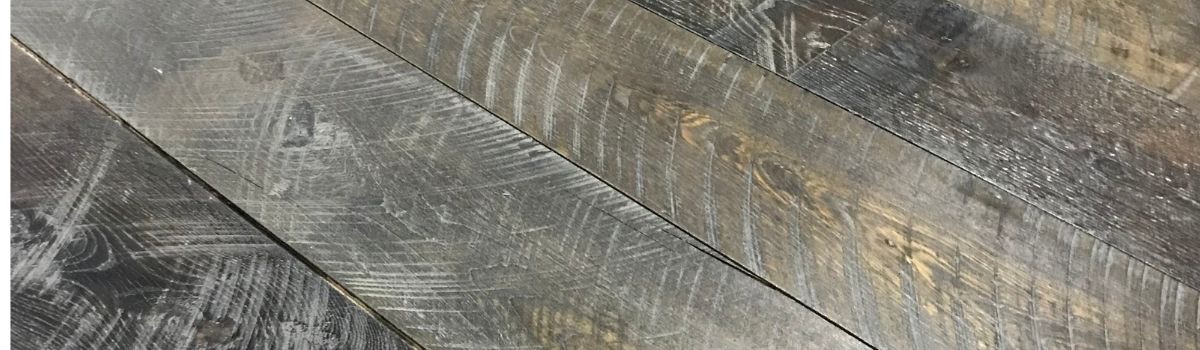
Reclaimed Oak Silver Engineered Flooring
 Reclaimed oak silver engineered flooring bridges contemporary design and historical authenticity—modern silver and grey finishes applied to genuine salvaged oak from dismantled American and European barns, utilizing engineered construction for superior dimensional stability enabling ultra-wide planks (10-16 inches), installation versatility over concrete slabs and radiant heating systems, and proven performance in challenging moisture environments where solid hardwood struggles. This product answers the dominant design trend toward grey-toned neutrals while preserving authentic reclaimed character including nail holes from structural use, weathering marks from decades of exposure, stress cracks from temperature cycling, and saw marks from antique milling—layering contemporary color palette over irreplaceable vintage material creating floors that feel both on-trend and timelessly rooted in material history.
Engineered construction features thin reclaimed oak wear layers (typically 1/8 to 1/4 inch) showcasing authentic barn character bonded to stable multi-ply plywood or high-density fiberboard cores providing 40-50% greater dimensional stability than solid wood. This hybrid approach stretches finite reclaimed oak supplies further (using salvaged material efficiently as surface veneer rather than full-thickness solid boards) while unlocking installation applications impossible with solid oak—direct glue-down to concrete basements and condos, floating installation over existing floors, radiant heating compatibility, below-grade applications, and ultra-wide plank widths (12-16 inches) that would cup and gap excessively if milled from solid wood. The grey and silver color palette transforms reclaimed oak's traditional warm brown character into cool contemporary neutrality perfect for minimalist, Scandinavian, coastal, modern farmhouse, and transitional interiors prioritizing light airy aesthetics over rustic warmth.
The Grey Oak Design Revolution: Contemporary Neutrality Meets Vintage Soul
Grey and silver oak flooring dominates current design for compelling reasons:
Cool Neutral Palette Foundation: Grey oak creates truly neutral flooring that doesn't compete with wall colors, furniture, or décor. Unlike traditional brown-toned oak carrying warm undertones that clash with cool grey walls or stainless steel appliances, grey-finished oak exists in the same cool neutral family supporting monochromatic color schemes, jewel-tone accents, and the minimalist restraint central to contemporary design. This neutrality makes grey oak remarkably versatile—it works equally well with crisp white walls in coastal interiors, charcoal accent walls in urban lofts, soft beige tones in transitional homes, and bold accent colors in eclectic spaces. The floor becomes sophisticated backdrop rather than dominant color statement, allowing other design elements to take visual precedence while still providing texture and character through the reclaimed oak's authentic barn marks.
Light-Enhancing and Space-Expanding Properties: Silver and light grey oak finishes reflect more light than traditional brown-toned floors, making rooms feel brighter, larger, and more open—critical in urban condos, basements with limited natural light, smaller homes, and north-facing rooms lacking direct sun exposure. This light-reflective quality works synergistically with white or light-colored walls creating cohesive bright envelope making spaces feel 15-20% larger perceptually without changing actual square footage. For properties where maximizing perceived space matters (smaller condos, compact urban homes, rooms with low ceilings), grey oak flooring provides measurable spatial enhancement through color selection alone. The effect is particularly dramatic in open-concept layouts where continuous grey oak flows throughout living/dining/kitchen areas creating unified light-filled expanse.
Scandinavian and Minimalist Design Authenticity: Grey-washed and whitewashed oak floors are foundational to authentic Scandinavian design originating in Nordic countries where maximizing limited northern light drove preference for pale wood tones. Grey oak finishes deliver the hygge-inspired coziness, organic material warmth, and restrained color palette central to this influential design movement. Similarly, minimalist design philosophies prioritizing simplicity, organic materials, and neutral palettes embrace grey oak as ideal flooring—providing material warmth and texture preventing stark coldness while maintaining visual restraint. For homeowners pursuing these popular design aesthetics, grey reclaimed oak offers authentic material choice rather than compromise.
Modern Farmhouse and Transitional Bridge: Modern farmhouse design (the dominant residential design trend of the past decade) requires bridging rustic elements with contemporary finishes. Grey-washed reclaimed oak perfectly embodies this duality—the reclaimed character (nail holes, weathering, authentic barn provenance) delivers farmhouse rusticity while the contemporary grey palette provides modern polish. This combination prevents spaces from feeling either too rustic/country or too cold/contemporary, achieving the balanced layered aesthetic modern farmhouse demands. Similarly, transitional design (blending traditional and contemporary elements) benefits from grey oak's ability to complement both ornate traditional millwork and clean-lined modern furniture without favoring either extreme.
Coastal and Beach House Natural Fit: Coastal design embraces weathered, sun-bleached aesthetics reflecting beach environments. Silver-grey and whitewashed oak naturally evoke driftwood, weathered beach fencing, and the bleached patina of structures exposed to salt air and intense sunlight. Reclaimed oak's authentic weathering marks enhance this connection—the nail holes suggest weathered boardwalks, stress cracks echo sun-dried timber, color variation mimics natural bleaching. For coastal homes from New England beach cottages to California surf-side contemporary residences, grey reclaimed oak provides thematically appropriate flooring grounded in material authenticity rather than artificial beach theming.
Easier Maintenance and Forgiving Aesthetics: Practical considerations reinforce grey oak's popularity—light grey tones hide dust and pet hair better than dark espresso floors while showing scratches and wear less obviously than very light whitewash. The mid-tone grey sweet spot (neither too light nor too dark) provides maximum forgiveness for busy households with pets, children, and high traffic. Additionally, grey finishes often incorporate wire brushing or light hand scraping creating subtle texture that camouflages minor scratches and dents better than smooth glossy surfaces. For practical homeowners prioritizing livability over showroom appearance, grey oak delivers beautiful aesthetics requiring less neurotic maintenance.
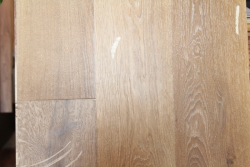
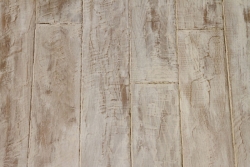
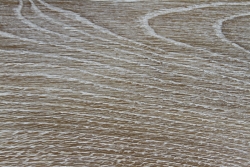
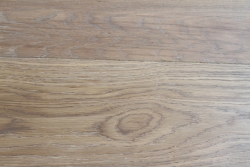
Silver & Grey Reclaimed Oak Gallery - See the Complete Range
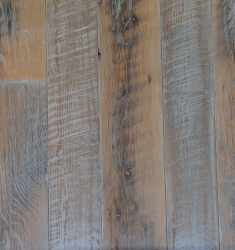
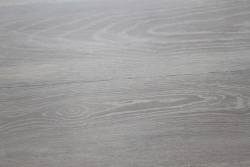
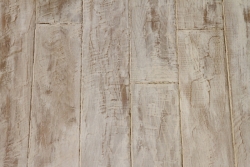
Our grey and silver reclaimed oak collection spans cool silver tones through warm greige (grey-beige blends) to dramatic charcoal. Each finish preserves authentic barn character while transforming color to contemporary palettes. Browse these proven grey tones—text us your favorites and we'll send physical samples showing actual color on reclaimed oak from current inventory!

Struggling to Choose the Perfect Grey Tone?
Silver, charcoal, greige, whitewash—the options can be overwhelming! Text us photos of your space or describe your design vision and we'll recommend 2-3 perfect grey shades with sample photos. Most responses within minutes during business hours!
💬 Text for Grey Color Guidance 📞 Call 213-792-5908Engineered Construction: Installation Versatility Meets Wide Plank Stability
Why engineered construction matters for reclaimed oak:
Revolutionary Dimensional Stability: Engineered flooring cross-layers multiple thin plies oriented perpendicular to each other (like plywood) creating structure that resists wood's natural tendency to expand/contract with humidity changes. This cross-grain construction provides 40-50% greater dimensional stability compared to solid wood, unlocking ultra-wide plank widths (10-16 inches) that would cup, crown, or gap excessively if milled from solid oak. For contemporary design increasingly favoring wide-plank minimalism over traditional narrow strips, engineered construction makes dramatic wide planks practical rather than problematic. The reclaimed oak wear layer showcases authentic character at impressive scale while the engineered core provides stability making that width livable year-round despite seasonal humidity fluctuations.
Concrete Installation Capability: Unlike solid oak requiring expensive wood subfloor construction over concrete ($5-8/sq ft additional cost), engineered reclaimed oak glues directly to concrete slabs using urethane adhesives. This capability is transformative for condominiums (typically concrete construction), basement finishing projects (concrete foundation floors), garage conversions, commercial spaces, and urban lofts—applications representing 40-50% of flooring projects where solid wood becomes prohibitively expensive or completely impractical. Glue-down installation over concrete costs $10-18/sq ft total installed compared to $25-40/sq ft for solid oak over built-up wood subfloors. For concrete substrate projects, engineered construction delivers authentic reclaimed oak character at dramatically lower installed cost.
Radiant Heating Compatibility: Engineered oak's superior dimensional stability and thinner profile make it far better suited for radiant heating than 3/4-inch solid oak. Radiant compatible engineered flooring typically uses 1/2 to 5/8-inch total thickness (vs. solid's 3/4 inch) allowing more efficient heat transfer, faster warm-up response, and lower operating costs. The cross-grain construction better tolerates temperature cycling without excessive movement. While solid oak CAN be installed over radiant with limitations (max 80-85°F surface temperature, glue-down only, significant movement risks), engineered construction provides properly designed solution rather than marginal compromise. For new construction incorporating radiant floor heating (increasingly popular for luxury homes and energy-efficient designs), engineered reclaimed oak delivers both authentic material character and appropriate technical performance.
Below-Grade and Moisture-Prone Applications: Engineered construction permits installation in basements (below-grade) where solid hardwood is prohibited by building codes and manufacturer warranties due to moisture infiltration risks from surrounding earth. The plywood or HDF core materials tolerate higher moisture levels than solid wood without structural failure, and proper moisture barrier underlayments prevent concrete slab moisture from reaching the flooring. For finishing basement spaces (recreation rooms, home theaters, bedroom additions, home offices), engineered reclaimed oak provides legitimate hardwood aesthetics where solid wood is technically impossible. Similarly, engineered performs better in challenging above-grade moisture environments (kitchens, bathrooms, mudrooms, laundry rooms, coastal properties) though proper installation techniques and moisture barriers remain essential.
Floating Installation Option: Many engineered products support floating installation (click-lock or glue-together connections) where planks attach to each other but not to subfloor, floating over underlayment as unified mat. This installation method works over concrete, existing flooring (tile, vinyl, hardwood), and uneven subfloors where glue-down or nail-down would fail. Floating installation enables true DIY projects for handy homeowners (no specialized tools required beyond miter saw and installation kit), allows future removal without subfloor damage (useful for rentals or temporary installations), and accommodates large open-plan layouts where traditional nailed installations might buckle. While some performance compromises exist (more hollow feel, potential gapping if not properly weighted during installation), floating capability expands engineered oak's versatility dramatically.
Efficient Use of Finite Reclaimed Material: Salvaged barn oak is genuinely finite resource—only so many barns are demolished annually, only so much material survives salvage in usable condition, and increasing demand confronts limited supply. Engineered construction uses reclaimed oak efficiently by reserving authentic salvaged material for visible wear layer (1/8 to 1/4 inch) while utilizing renewable new plywood for structural core. This approach stretches reclaimed supply further—one square foot of solid 3/4-inch reclaimed oak becomes 3-6 square feet of engineered flooring depending on wear layer thickness. For environmentally-conscious clients prioritizing reclaimed material specifically for salvage/reuse benefits, engineered construction maximizes environmental impact per available reclaimed board foot while meeting growing demand without exhausting limited historic barn inventory.
Understanding Engineered Construction: Wear Layer Thickness and Quality Tiers
Engineered reclaimed oak spans quality levels—understanding differences optimizes selection:
Wear Layer Thickness - The Critical Specification: Wear layer thickness (the reclaimed oak surface veneer) determines long-term performance, refinishing capability, and value. Budget engineered uses 1/16 to 1/8-inch wear layers permitting no refinishing or one very careful screening—these products are essentially disposable floors providing 15-25 year service life with proper care but requiring complete replacement when damaged or worn. Mid-grade engineered features 1/8 to 3/16-inch wear layers allowing 1-2 careful refinishings over 30-40 year lifespan. Premium engineered uses 1/4-inch (or thicker) wear layers permitting 2-3 refinishing cycles over 40-60 years approaching solid wood's longevity. For grey reclaimed oak specifically, wear layer thickness matters enormously—refinishing removes existing grey finish requiring complete recoloring to restore appearance. Thicker wear layers preserve options for future color changes, damage repairs, and long-term value retention.
Core Material Construction: Engineered cores use multi-ply birch or eucalyptus plywood (premium option providing maximum stability), HDF/MDF composite (mid-grade option balancing cost and performance), or softwood plywood (budget option with adequate performance for most applications). Baltic birch multi-ply cores (7-11 plies of thin hardwood veneers) provide superior dimensional stability, screw-holding strength for installation fasteners, and moisture resistance. HDF cores offer acceptable stability at lower cost but less refinishing tolerance (aggressive sanding can damage core). For premium engineered reclaimed oak products, seek multi-ply hardwood cores; for budget-conscious projects over concrete where refinishing isn't prioritized, HDF cores perform adequately.
Edge Profiling and Fit Quality: Premium engineered flooring uses precision-milled tongue-and-groove joints with tight tolerances creating seamless installation with minimal gapping. Budget products sometimes show sloppy milling resulting in visible seams, uneven surface height transitions between planks, and gaps appearing during seasonal movement. For grey oak where light colors show imperfections more readily than dark floors, precise manufacturing matters significantly. Evaluate samples for joint fit quality, surface flatness across adjoining planks, and overall finish consistency before committing to full orders.
UV-Cured Factory Finishing vs. Site-Finished Options: Most engineered reclaimed oak ships prefinished with multi-coat UV-cured finishes providing excellent durability, no installation downtime for finishing to cure, and immediate occupancy after installation. UV-cured finishes cure instantly under ultraviolet light creating harder, more scratch-resistant surfaces than site-applied finishes. However, prefinished products limit color customization—you're selecting from manufacturer's standard grey palette rather than achieving unlimited custom colors. Site-finished engineered oak (shipped unfinished) allows complete color control, seamless appearance without micro-beveled edges, and the satisfaction of custom finishing, but adds $5-8/sq ft for professional sanding/staining/finishing and 5-7 days installation timeline for finish curing. For grey oak, most clients choose prefinished given the difficulty in achieving consistent grey tones through site finishing.
Complete Grey and Silver Color Palette: From Whitewash to Charcoal
Grey oak encompasses diverse aesthetic range:
Scandinavian Whitewash (Lightest Tones): Whitewashed reclaimed oak applies diluted white pigment allowing wood grain to remain visible through translucent wash. The result is very light, airy flooring evoking Scandinavian minimalism, coastal driftwood, and beachy cottage aesthetics. Whitewash particularly suits small spaces needing maximum light reflection, north-facing rooms lacking direct sun, open-concept layouts where bright continuous flooring creates spatial flow, and design schemes built around white/cream/ivory palettes. The lightest whitewash tones approach white paint while maintaining visible wood grain and texture differentiating them from solid white floors. Whitewashed reclaimed oak's nail holes, stress cracks, and weathering marks remain visible as texture creating organic interest preventing sterile coldness sometimes associated with pure white surfaces.
Silver and Light Grey (Contemporary Neutrals): True silver and light grey finishes create cool neutral floors that complement stainless steel appliances, chrome fixtures, and the polished metals dominant in contemporary kitchens and baths. These tones work beautifully with grey walls (creating monochromatic schemes), white cabinetry (providing subtle contrast), and the cool color palettes favored in modern and transitional design. Light grey reclaimed oak particularly excels in open-concept living where flooring connects kitchen, dining, and living spaces—the neutral grey ties these zones together without competing with varying paint colors or furniture styles in different areas. Light grey shows less dust than white while remaining bright and space-enhancing.
Greige (Grey-Beige Blends): Greige represents the perfect bridge between grey's contemporary coolness and beige's traditional warmth—grey undertones provide modern sophistication while subtle beige warmth prevents coldness. Greige oak works exceptionally well in transitional design balancing traditional architecture with contemporary furnishings, in homes with mixed warm/cool finishes needing neutral bridge, and in spaces where pure grey feels too cold but brown oak feels too traditional. The warm grey family includes tones like "weathered oak," "driftwood," "fossil grey," and "aged oak" combining grey base with warm undertones. For clients nervous about committing to cool grey but wanting contemporary neutrality, greige provides safe compromise maintaining design flexibility.
Medium Silver-Grey (Versatile Mid-Tones): Medium grey strikes optimal balance for most applications—light enough to feel contemporary and space-enhancing, dark enough to hide dust and pet hair effectively, neutral enough to work with diverse color schemes and furniture styles. This sweet spot grey tone (neither too light nor too dark) provides maximum forgiveness for busy households while delivering the contemporary aesthetic grey floors promise. Medium grey particularly suits family homes where design sophistication must coexist with practical livability, spaces with moderate natural light (not too bright, not too dim), and clients wanting grey aesthetic without dramatic light/dark extremes.
Dark Grey and Charcoal (Dramatic Contemporary): Dark grey through charcoal finishes create sophisticated dramatic floors for contemporary interiors, luxury condos, modern industrial lofts, and spaces wanting bold visual impact. These tones work beautifully with white walls creating high-contrast modern aesthetic, with dark accent walls for moody cohesive envelope, and in minimalist interiors where restrained color palette becomes design statement. Dark grey shows dust and pet hair readily (requiring frequent maintenance) but conceals scratches and wear better than lighter tones. The reclaimed character marks (nail holes, stress cracks) become subtle texture rather than obvious color contrast in dark grey finishes, creating refined appearance while preserving authentic material provenance.
Custom Grey Color Matching: Our finishing capabilities include custom grey color matching to paint samples, design board palettes, fabric swatches, photographs, or adjacent materials. Grey encompasses infinite subtle variations—warm vs. cool undertones, blue-grey vs. green-grey vs. purple-grey families, matte vs. satin sheen levels—and precise matching ensures perfect integration with your overall design. We produce test samples on actual reclaimed oak showing proposed grey tone, view under your lighting conditions, and approve before production finishing. This custom approach guarantees satisfaction for clients with specific design visions or existing palettes requiring exact coordination.
See the Grey in Person - Physical Samples Show True Color
Computer screens can't accurately show grey tones—what looks silver online might be charcoal in person! Request physical samples showing actual grey shades on real reclaimed oak. See the nail holes, weathering, and authentic barn character with your own grey finish. Evaluate under your home's lighting before ordering!
Request Free Samples 💬 Text to Request SamplesTechnical Specifications: Engineered Reclaimed Oak Silver
Our engineered reclaimed oak in grey finishes includes:
- Wear Layer: 1/8" to 1/4" reclaimed oak surface (authentic barn wood)
- Core Construction: Multi-ply birch plywood or HDF composite
- Total Thickness: 1/2" to 5/8" (optimized for installation versatility)
- Widths: 5" to 16" (contemporary wide plank focus)
- Lengths: 3' to 10' random mixed lengths
- Profile: Tongue and groove or click-lock floating
- Surface Texture: Smooth, wire brushed, or hand scraped
- Finish: UV-cured 7-coat polyurethane (prefinished) or unfinished
- Sheen Options: Matte (preferred for contemporary grey), satin, semi-gloss
- Installation Methods: Glue-down, float, or nail-down (over wood subfloors)
- Refinishing Potential: 1-3 cycles depending on wear layer thickness
- Moisture Content: Engineered stable to 6-9% MC
Grey Finish Color Range: Whitewash, silver sage, light grey, medium silver-grey, greige (grey-beige blend), dark grey, charcoal, custom matched grey tones
Width Selection Philosophy: Contemporary design increasingly favors wide planks (8-12+ inches) showcasing reclaimed oak character at dramatic scale. Engineered construction's superior stability makes these widths practical—seasonal gapping remains minimal even in 12-14 inch planks. Narrow widths (5-7 inches) create busier visual texture from frequent seams, medium widths (8-10 inches) balance contemporary aesthetic with manageable plank size, and ultra-wide planks (12-16 inches) make bold minimalist statement requiring excellent subfloor preparation and professional installation for best results.
Installation Methods for Engineered Reclaimed Oak Silver
Engineered flooring's versatility unlocks multiple installation approaches:
Glue-Down Over Concrete (Most Common): Glue-down installation uses moisture-resistant urethane adhesives creating permanent bond between engineered flooring and concrete slabs. This method provides solid feel similar to nailed solid wood, prevents shifting or movement, works over radiant heating (with proper adhesive selection), and creates durable long-lasting installation. Concrete must be properly prepared—clean, dry (less than 3 lbs moisture emission per 1000 sq ft per 24 hours via calcium chloride test), flat within 1/8 inch over 10 feet, and free of contaminants preventing adhesive bonding. Moisture barriers may be required depending on concrete age, grade (on-grade vs. below-grade), and moisture testing results. Professional installation recommended for glue-down given importance of proper adhesive selection, trowel notch sizing, and moisture management.
Floating Installation (DIY-Friendly): Click-lock or glue-together floating installation creates unified flooring mat resting on underlayment without attachment to subfloor. This method installs quickly (experienced DIYers complete 200-300 sq ft daily), requires no specialized tools beyond miter saw and installation kit, works over concrete/existing flooring/uneven subfloors, and allows future removal without subfloor damage. Limitations include slightly more hollow feel compared to glued installations, potential for gapping if installation isn't properly weighted and tight, and restriction on radiant heat compatibility (some products support floating over radiant, others prohibit it). For budget-conscious projects, rental properties, temporary installations, or handy homeowners wanting DIY projects, floating engineered oak provides legitimate path to authentic reclaimed character at labor cost savings.
Nail or Staple-Down Over Wood Subfloors: When existing 3/4-inch plywood or OSB subfloors exist, engineered flooring can be mechanically fastened using pneumatic flooring nailers (for thicker engineered products 1/2-inch+) or narrow crown staplers. This creates installation similar to traditional solid hardwood with comparable feel and performance. Nail-down works particularly well for thick premium engineered products with substantial wear layers where glue-down costs become prohibitive for large projects. The method provides familiar installation technique for flooring contractors, allows some floor movement without buckling risks, and creates audible feedback confirming proper fastening during installation.
Radiant Heating Installation: Engineered oak's thinner profile (typically 1/2 to 5/8 inch vs. solid's 3/4 inch) transfers heat more efficiently supporting radiant floor heating systems. Glue-down installation is mandatory (floating prevents proper heat transfer). Radiant systems must be low-temperature water-based designs (not high-temperature electric), surface temperature limited to 80-85°F maximum, and systems properly commissioned with gradual temperature ramp-up over 5-7 days before flooring installation. Grey finish color selection matters for radiant—lighter silver tones hide seasonal micro-gapping better than dark greys where any movement shows as visible gaps. Work with flooring suppliers experienced in radiant applications to specify appropriate products and installation protocols.
Subfloor Preparation Criticality: Engineered flooring tolerates imperfect subfloors better than solid wood but still demands proper preparation. For concrete: clean (no oil, paint, adhesive residue), dry (moisture testing mandatory), and flat (within 1/8 inch over 10 feet). For wood subfloors: structurally sound (no squeaks, deflection under 1/16 inch per foot), flat within tolerances, and properly gapped (1/8 inch between panels). Investment in comprehensive subfloor preparation prevents 90% of installation failures regardless of flooring quality or installer skill.
Design Applications: Where Grey Reclaimed Oak Engineered Excels
Contemporary and Modern Residential: Open-concept condos, minimalist homes, mid-century modern renovations, and contemporary new construction prioritizing clean-lined aesthetics, neutral palettes, and edited material selections embrace grey oak as foundational flooring choice. The cool neutral color supports modern furnishings without competing, the reclaimed character adds organic warmth preventing stark coldness, and the wide plank scale suits generous room proportions common in contemporary design. For architects and designers specifying modern residential projects, grey engineered reclaimed oak provides authentic material with appropriate technical performance for typical concrete slab construction.
Scandinavian and Minimalist Interiors: Authentic Nordic design relies heavily on pale wood tones, natural materials, and edited restraint. Whitewashed or light silver reclaimed oak delivers these aesthetic requirements while adding texture and authenticity preventing sterile emptiness. The reclaimed character (nail holes, weathering) introduces organic imperfection and human history valued in Scandinavian design philosophy celebrating handcraft and material heritage. For homeowners pursuing hygge-inspired spaces, grey reclaimed oak provides materially authentic foundation rather than synthetic approximation.
Modern Farmhouse and Transitional Projects: The dominant modern farmhouse trend requires authentic rustic elements (reclaimed materials, barn references, weathered patina) balanced with contemporary polish (clean color palettes, updated fixtures, edited design). Grey reclaimed oak perfectly embodies this duality—reclaimed character satisfies farmhouse authenticity requirement while grey finish provides contemporary sophistication. For renovating older homes into modern farmhouse style or new construction evoking farmhouse aesthetics with current livability, grey engineered reclaimed oak bridges past and present gracefully.
Coastal and Beach Properties: Beach houses, coastal condos, and waterfront properties embrace weathered driftwood aesthetics reflecting surrounding environment. Silver-grey reclaimed oak naturally evokes this coastal character without kitschy beach theming. The engineered construction performs better in coastal humidity (greater dimensional stability, better moisture tolerance) compared to solid wood prone to seasonal movement in challenging marine climates. For authentic coastal design grounded in material appropriateness rather than decorative cliché, grey engineered oak provides perfect foundation.
Urban Lofts and Industrial Conversions: Converted warehouses, industrial lofts, and urban high-rise condos typically feature concrete construction, open floor plans, exposed ductwork/beams, and raw material aesthetics. Grey reclaimed oak complements this industrial character—the barn wood provenance connects to industrial heritage, grey tones coordinate with concrete/steel/galvanized metals, and the engineered construction installs directly over typical concrete slab substrates. For urban residential wanting authentic material character rather than synthetic loft styling, reclaimed oak engineered flooring provides legitimate industrial-era material repurposed for contemporary living.
Basement Finishing Projects: Below-grade spaces prohibit solid hardwood but engineered construction permits legitimate hardwood aesthetics in basements. Grey oak particularly suits basements often lacking natural light—the light-reflective grey tones brighten these spaces maximizing available artificial lighting. For finishing basement recreation rooms, home theaters, guest suites, or home offices, grey engineered reclaimed oak provides hardwood beauty previously impossible in below-grade applications.
Commercial and Light Hospitality: Boutique hotels, tasting rooms, craft breweries, farm-to-table restaurants, retail showrooms, and creative office spaces increasingly specify authentic materials supporting brand narratives. Grey reclaimed oak combines on-trend contemporary aesthetics (supporting modern branding) with meaningful environmental storytelling (reclaimed provenance, sustainable material choices). Engineered construction's glue-down capability over commercial concrete slabs makes specification practical while superior dimensional stability handles light commercial traffic. For commercial clients wanting authentic character rather than synthetic approximations, engineered reclaimed oak provides cost-effective material solution at commercial scale.
Ready for Your Project Quote?
Get accurate pricing for your specific square footage, subfloor type, and grey shade preference. Text us your project details or request a quote online. We'll provide comprehensive pricing including material, installation, and any special requirements like moisture barriers. Most quotes delivered within 24 hours!
Get Free Quote Online 💬 Text for Quick QuoteEngineered vs. Solid Reclaimed Oak: Decision Framework
Understanding differences optimizes product selection:
Installation Substrate (Primary Decision Factor): For concrete slabs (condos, basements, commercial), engineered provides cost-effective direct installation vs. solid oak requiring expensive wood subfloor construction ($5-8/sq ft additional). For existing wood subfloors above-grade (typical wood-frame residential), both products install similarly with solid offering superior refinishing potential. If your project involves concrete, engineered becomes obvious choice unless budget supports substantial subfloor construction expense.
Refinishing Expectations and Timeline: Solid 3/4-inch oak allows 3-5 refinishing cycles over 50-100 years. Engineered with 1/4-inch wear layer permits 2-3 refinishings over 40-60 years. Engineered with 1/8-inch wear layer allows 1-2 careful refinishings over 30-40 years. For long-term residential with multi-generational ownership expectations, solid's superior refinishing capability provides measurable value. For typical 20-40 year ownership, engineered's 1-3 refinishings suffice. For rentals or short-term holdings, even thin-wear-layer engineered performs adequately without refinishing investment.
Desired Plank Width: For ultra-wide planks (12-16 inches) creating dramatic minimalist aesthetic, engineered's superior stability makes these widths practical year-round. Solid oak becomes problematic above 8-10 inch widths showing excessive seasonal movement requiring wider expansion gaps and greater gapping tolerance. If wide planks are design priority, engineered enables that aesthetic where solid creates technical challenges.
Budget Considerations (Substrate-Dependent): Material costs are comparable—engineered grey reclaimed oak runs $12-24/sq ft vs. solid's $9-18/sq ft depending on width, wear layer thickness, and quality tier. Over wood subfloors, installation costs similarly ($9-18/sq ft) for both. Over concrete, engineered glues down for $10-18/sq ft total installation while solid requires wood subfloor construction first ($18-35/sq ft total). For concrete projects, engineered delivers dramatic installed cost savings. For wood subfloor projects, costs are similar with solid offering better long-term refinishing value.
Environmental Material Content: Solid reclaimed oak is 100% salvaged throughout full thickness. Engineered uses thin reclaimed wear layers (15-30% of total material) over new plywood/HDF cores. For maximum reclaimed content per square foot, solid wins. For efficient use of finite reclaimed supply (stretching limited barn oak further), engineered wins. Environmental priorities vary—some clients prioritize maximum salvaged content, others value efficient material utilization.
Feel and Sound Quality: Nailed solid oak over wood subfloors provides most substantial feel and superior acoustics—rock-solid underfoot, no hollow sound. Glued engineered oak over concrete approaches this feel but can exhibit slightly more hollow sound depending on installation quality and substrate flatness. Floating engineered shows the most compromised feel with noticeable hollow sound and potential slight flex. For clients prioritizing authentic solid wood experience, nailed solid oak over wood subfloors delivers uncompromised tactile quality. For concrete projects where solid isn't practical option, glued engineered provides closest approximation.
Maintenance and Long-Term Care for Grey Oak
Maintaining grey engineered oak preserves beauty and extends lifespan:
Daily Cleaning Routine: Regular sweeping, dust mopping, or vacuuming (with hardwood attachment, no beater bar) removes abrasive grit preventing finish scratching. Grey floors particularly benefit from frequent dust removal—dust shows readily on dark greys and contrasts with light silver tones. For damp mopping, use pH-neutral hardwood cleaners diluted per instructions with barely-damp microfiber mops—never excessive water, steam mops, or harsh cleaners. Clean spills immediately preventing moisture penetration or staining.
UV Protection and Color Stability: Grey finishes typically resist UV darkening better than natural wood tones (the grey pigments provide some UV blocking), but window treatments still help maintain color consistency across floor avoiding uneven fading. Rotate area rugs periodically preventing uneven exposure patterns. UV-cured factory finishes (standard on most prefinished engineered) provide better color stability than site-applied finishes.
Seasonal Humidity Management: Maintain 35-55% relative humidity year-round minimizing seasonal movement. While engineered tolerates humidity fluctuations better than solid wood (40-50% greater stability), proper climate control still optimizes performance preventing cupping, crowning, or excessive gapping. Some minor seasonal gaps (1/32 to 1/16 inch) between wide planks during dry winter months are normal and acceptable even with engineered products.
Refinishing Capability: Plan first refinishing when widespread finish wear exposes bare wood, deep scratches penetrate through finish, or desire to change grey tone arises. Refinishing engineered oak requires careful sanding removing minimal material—aggressive sanding risks wearing through thin wear layer exposing plywood core (catastrophic failure requiring replacement). Professional refinishing by experienced contractors familiar with engineered products is strongly recommended. Each refinishing removes approximately 1/32 inch, so 1/8-inch wear layer tolerates 2-3 careful refinishings maximum, 1/4-inch wear layer permits 4-6 refinishings approaching solid oak capability.
Grey-Specific Maintenance Considerations: Light grey and whitewash finishes show dirt, pet hair, and traffic patterns more readily than medium tones—they require more frequent cleaning maintaining pristine appearance. Dark grey and charcoal hide dirt but show dust, scratches, and water spots prominently. Medium silver-grey provides optimal balance showing less dust than dark floors while hiding traffic patterns better than light tones. Choose grey shade compatible with your maintenance tolerance and household activity levels.
Pricing and Investment Value
Engineered reclaimed oak silver represents considered investment:
Material Cost: Expect $12-24/sq ft for quality engineered grey reclaimed oak depending on wear layer thickness (1/8" vs. 1/4"), width (wide planks cost 20-30% more), core quality (premium birch plywood vs. HDF), and finish quality (UV-cured prefinished vs. unfinished). This is comparable or slightly higher than solid reclaimed oak ($9-18/sq ft) material cost and substantially more than new grey oak ($7-14/sq ft). The cost reflects genuine reclaimed oak surface material (finite supply from limited barn demolitions), precision engineered construction, UV-cured factory finishing, and premium grey color finishing adding 15-20% over natural finishes.
Installation Cost: Glue-down installation over concrete costs $10-18/sq ft including labor, adhesives, and moisture barriers if required. Floating installation costs $8-14/sq ft (lower labor costs offset by click-lock product premium). Nail-down over wood subfloors costs $9-15/sq ft. Site finishing (if purchasing unfinished) adds $5-8/sq ft for professional sanding, custom grey staining, and multi-coat finishing with drying time.
Total Installed Cost: Complete grey engineered reclaimed oak projects over concrete typically cost $22-42/sq ft (material + glue-down installation). Floating installations run $20-38/sq ft. Over wood subfloors with nail-down, costs reach $21-39/sq ft. A 500 sq ft room costs $11,000-21,000 installed. A 1,500 sq ft open-plan area costs $33,000-63,000. While substantial, consider the 30-60 year service life with refinishing capability, concrete installation capability eliminating costly subfloor construction, and authentic reclaimed character providing property value enhancement.
Value Comparison to Alternatives: New grey oak engineered (non-reclaimed) costs $7-14/sq ft material providing similar grey aesthetic and engineered performance but lacking authentic barn character and environmental narrative. Grey luxury vinyl plank (popular grey flooring alternative) costs $3-7/sq ft installed but provides synthetic appearance, limited longevity (15-25 years), and zero refinishing capability. Engineered reclaimed grey oak costs 150-300% more than LVP but delivers authentic hardwood, genuine material character, refinishing capability extending lifespan, and superior property value contribution justifying premium for quality-focused buyers.
Property Value Impact: Premium hardwood flooring significantly increases property values. Reclaimed materials command premiums in resale markets given character, environmental story, and scarcity. Grey oak specifically appeals to contemporary buyers dominating current market demographics—millennials and Gen X buyers showing strong preference for grey-toned neutrals over traditional brown hardwoods. Engineered construction's versatility (concrete installation, wide planks, radiant compatibility) enables hardwood in property types where solid wood proves impossible, expanding potential buyer appeal. For new construction or renovation targeting resale, grey engineered reclaimed oak becomes value-adding amenity differentiating properties competitively.
Why Choose Walter's Flooring for Grey Reclaimed Oak Engineered
Our specialized expertise ensures authentic material and superior results:
Verified Reclaimed Provenance: We maintain detailed documentation for salvage sources confirming genuine barn wood heritage vs. new lumber with artificial distressing marketed as "reclaimed." Provenance documentation provides authentic storytelling for your project and ensures you receive the environmental benefits, historical significance, and character quality you're paying premium prices for.
Grey Color Expertise and Custom Matching: From whitewash through charcoal, we help navigate the grey spectrum matching tones to your design vision, lighting conditions, and overall palette. We can coordinate custom grey samples showing finish on actual reclaimed oak from current inventory rather than generic manufacturer samples. Evaluate under your actual lighting before committing to full orders preventing costly color disappointments.
Quality Product Selection Across Budget Tiers: We source engineered reclaimed oak across quality levels—budget HDF-core products for cost-conscious projects, mid-grade multi-ply options balancing cost and performance, and premium thick-wear-layer products for long-term value. Honest guidance about wear layer thickness, core quality, and refinishing capability helps match products to expectations and budgets preventing disappointment.
Installation Technical Support: From evaluating concrete moisture conditions through selecting appropriate installation methods (glue-down vs. floating vs. nail-down) and specifying compatible adhesives, underlayments, and moisture barriers, we provide comprehensive guidance. We can refer qualified installers experienced with engineered products and concrete installations who understand grey oak's specific requirements. Proper installation determines 80% of long-term satisfaction—we help ensure it's done correctly.
Showroom Sample Viewing: Visit our Los Angeles or Santa Monica locations to view installed grey reclaimed oak samples under showroom lighting, feel the authentic barn character, compare widths and grey tones side-by-side, and evaluate finish sheens (matte vs. satin) making informed confident decisions rather than ordering blindly from online photos unable to convey true color or character.
Request Samples and Begin Your Grey Oak Project
Experience grey engineered reclaimed oak quality by requesting samples showing available grey tones from current inventory. Given grey's infinite subtle variations (cool vs. warm undertones, light vs. dark values, blue-grey vs. green-grey vs. purple-grey families), physical samples viewed under your home's lighting provide essential preview preventing costly color mismatches.
Request samples or request a project quote to begin. Our team will discuss your square footage requirements, grey shade preference (whitewash, silver, greige, charcoal, custom), width priorities (contemporary wide planks vs. traditional), wear layer thickness for refinishing expectations, subfloor type (concrete vs. wood), installation method preference (glue vs. float vs. nail), timeline, budget parameters, and design goals to source appropriate engineered grey reclaimed oak from current inventory.
For immediate consultation or showroom visits, call us at 213-792-5908 or text us at 213-792-5908 for fastest response (most text inquiries answered within minutes during business hours). We're open Monday through Friday, 8:00 AM to 5:00 PM, ready to help you discover why engineered reclaimed oak silver flooring from Walter's Flooring represents the optimal combination of contemporary grey aesthetics, authentic barn wood character with genuine historical provenance, installation versatility for concrete/radiant/challenging applications, and superior dimensional stability enabling dramatic wide-plank contemporary design.
Ready to Get Started with Grey Oak?
Call, text, or request a quote online. We specialize in helping clients choose the perfect grey shade for their project. Most text inquiries answered within minutes during business hours!
📞 Call Now: 213-792-5908 💬 Text to Schedule ConsultationEngineered Reclaimed Oak Silver Specifications
- Wear Layer: 1/8" to 1/4" reclaimed oak (authentic salvaged barn wood)
- Core: Multi-ply birch plywood or HDF composite
- Total Thickness: 1/2" to 5/8"
- Widths: 5" to 16" (contemporary wide plank options)
- Lengths: 3' to 10' random mixed lengths
- Profile: Tongue and groove or click-lock floating
- Finish: UV-cured prefinished or unfinished for custom site finishing
- Color Range: Whitewash, silver, light grey, greige, dark grey, charcoal, custom
- Texture Options: Smooth, wire brushed, hand scraped
- Refinishing Potential: 1-3 cycles (depending on wear layer thickness)
- Dimensional Stability: 40-50% better than solid oak
- Installation: Glue-down, float, nail-down, radiant compatible
Installation Options
- Glue Down Over Concrete (most common for engineered)
- Floating Installation (DIY-friendly click-lock)
- Nail Down Over Wood Subfloors (traditional method)
- Radiant Heat Compatible (glue-down required)
- Below-Grade Basement Installation (moisture barriers required)
Complete Grey Color Selection
- Scandinavian Whitewash: Lightest tones, coastal driftwood aesthetic
- Silver & Light Grey: Contemporary neutrals, space-enhancing
- Greige Tones: Grey-beige blends, warm grey family, transitional bridge
- Medium Silver-Grey: Versatile mid-tones, maximum forgiveness
- Dark Grey & Charcoal: Dramatic contemporary, sophisticated
- Custom Grey Matching: Match any paint, fabric, or sample
Surface Texture Options
- Smooth Planed (contemporary clean aesthetic)
- Wire Brushed (enhanced grain texture, hides scratches)
- Hand Scraped (artisan rustic texture)
- Skip Planed (varied surface showing original barn texture)
Finish Options
- UV-Cured Prefinished Polyurethane (7-coat, matte/satin/semi-gloss)
- Hard Wax Oil (European penetrating finish, natural appearance)
- Unfinished (for complete custom grey color control)
Browse Our Complete
Hardwood Flooring Gallery
View All Products →Reclaimed Oak • European Oak • Box Beams
Slabs • Stairs • Wood Flooring

Frequently Asked Questions About Grey Reclaimed Oak Engineered Flooring
What's the difference between engineered and solid reclaimed oak?
Engineered has a thin reclaimed oak surface layer (1/8" to 1/4") over stable plywood/HDF core, providing 40-50% better dimensional stability and enabling installation over concrete, radiant heat, and below-grade applications where solid oak can't go. Solid oak is 3/4" thick throughout allowing more refinishing cycles (3-5 vs. 1-3) but requires wood subfloors and is limited in width. For concrete projects, engineered is the practical choice. For wood subfloors with long-term ownership, solid offers better refinishing value.
How do I choose the right grey tone for my space?
Consider your lighting (natural vs. artificial), wall colors (warm vs. cool), and overall design style. Light silver-grey works best in small spaces or low-light rooms to brighten and expand. Medium grey is most versatile and forgiving. Dark charcoal creates drama but shows dust readily. Greige (grey-beige blend) bridges contemporary and traditional. Text us photos of your space (213-792-5908) and we'll recommend 2-3 perfect tones with samples!
Can engineered reclaimed oak be installed over concrete and radiant heat?
Yes! That's engineered flooring's primary advantage. It glues directly to concrete slabs (after proper moisture testing and preparation) and works beautifully over radiant heating systems. Solid oak requires expensive wood subfloor construction over concrete and has limitations with radiant. If you have concrete or radiant heat, engineered is the right choice.
Can grey engineered oak be refinished if I want to change the color later?
Yes, depending on wear layer thickness. Products with 1/4" wear layers allow 2-3 refinishing cycles where you can sand off the grey and apply new color. Products with 1/8" wear layers permit 1-2 careful refinishings. Each refinishing removes about 1/32", so thicker wear layers preserve more options. We recommend 1/4" wear layer products if you want flexibility to change colors in the future.
Is the reclaimed character still visible with grey/silver finishes?
Absolutely! The nail holes, stress cracks, weathering marks, and saw cuts remain visible as texture and shadow even through grey stains. Light grey shows these character marks as subtle shadows, dark grey makes them less obvious but still tactilely present. The grey color doesn't hide the authentic barn character—it reinterprets it through contemporary color palette creating unique modern-meets-vintage aesthetic.
How wide can engineered grey oak planks go without problems?
Engineered construction's superior stability enables ultra-wide planks (12-16 inches) that would gap excessively if made from solid wood. The cross-grain plywood core resists seasonal movement allowing dramatic wide-plank contemporary design. Wider planks showcase the reclaimed character at larger scale and create cleaner minimalist aesthetic with fewer seam lines. We offer widths from 5" traditional through 16" ultra-wide statement planks.