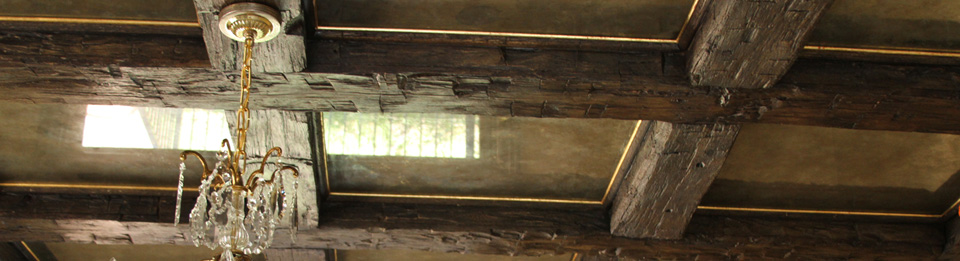
Reclaimed Wood Beams
Nationwide Shipping Available - We ship reclaimed beams to all 50 states. Call 213-792-5908 for quotes.
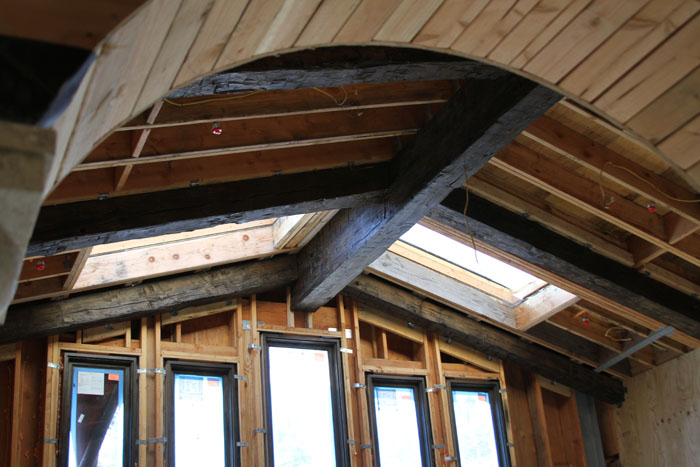 At Walter's Flooring, we offer an exceptional selection of reclaimed wood beams salvaged from historic barns, factories, and structures throughout North America. Each beam carries decades—sometimes centuries—of character, with natural patina, hand-hewn textures, and authentic weathering that cannot be replicated with modern manufacturing processes.
Our reclaimed beams are perfect for ceiling installations, fireplace mantels, architectural accents, and structural applications. Whether you're designing a rustic farmhouse kitchen, modern industrial loft in downtown Los Angeles, or traditional craftsman home in Pasadena, our beams add warmth and character that transforms any space into something truly extraordinary.
We try to keep the original color of the beam so it retains its authenticity. Whether you need a beam that runs the length of your living room, or just a mantle for your fireplace, our experts will work with you to find the right reclaimed beam for your project. Custom millwork is available for reclaimed beams and timbers.
We also create Beam Wraps by removing the insides of the solid beams. These wraps are used to cover existing structural steel, providing a natural look of a solid beam—these Beam Wraps look and feel just like a solid beam. This technique will decorate any other beam structure with a "solid looking" wooden beam.
As one of Southern California's premier sources for antique wood beams, we maintain an extensive inventory at our Los Angeles showroom where you can see, touch, and select the perfect beams for your project. Our team has over 30 years of experience helping architects, designers, contractors, and homeowners find the ideal reclaimed timber for projects throughout California and nationwide.
Why Choose Reclaimed Wood Beams?
Reclaimed wood beams offer advantages that simply cannot be matched by new lumber. Here's why designers and homeowners increasingly choose authentic antique beams over manufactured alternatives:
Unmatched Character and Authenticity: Each reclaimed beam tells a story through its unique grain patterns, weathered patina, nail holes, and surface textures. These characteristics developed over decades of use in historic structures—creating visual depth and authenticity that mass-produced "distressed" beams cannot replicate. When you install a genuine hand hewn beam from an 1800s Pennsylvania barn, guests can see and feel the difference immediately.
Superior Wood Quality: Most reclaimed beams come from old-growth timber that was harvested before modern forestry practices. These trees grew slowly over hundreds of years, developing tight grain patterns and exceptional density that make them stronger and more stable than fast-growth lumber available today. A reclaimed Douglas Fir beam may contain 30-40 growth rings per inch compared to 4-6 rings in modern lumber.
Environmental Sustainability: Choosing reclaimed beams keeps valuable timber out of landfills while reducing demand for newly harvested trees. Every beam we salvage represents decades of embodied carbon that remains sequestered rather than released. For green building certifications like LEED, reclaimed wood contributes points toward sustainable materials requirements.
Dimensional Stability: After a century of natural seasoning, reclaimed beams have reached equilibrium moisture content. Unlike new lumber that may warp, twist, or check as it dries, our antique beams have already done their moving. This stability is particularly valuable for ceiling installations where any movement would be visible.
Beam Surface Styles
Click on any surface style below to learn more about each type of reclaimed beam finish:
|
Hand Hewn Beams Authentic axe marks from original craftsmen (1700s-1900s). Irregular surfaces with scalloped tool marks create commanding character. Learn More → |
Rough Sawn Beams Original sawmill texture preserved with parallel saw marks. More uniform dimensions while maintaining authentic reclaimed character. Learn More → |
|
Planed Beams Smooth finish revealing aged grain patterns. Best of both worlds: antique character with refined, touchable surface. Learn More → |
Wire Brushed Beams Textured finish with enhanced grain depth. Wire brushing accentuates natural patterns that catch light beautifully. Learn More → |
Hand Hewn Beams
Hand hewn beams represent the pinnacle of reclaimed wood craftsmanship and American building heritage. These remarkable timbers were originally shaped by skilled craftsmen using broad axes, adzes, and scoring techniques that left distinctive tool marks telling the story of their creation. Dating from the 1700s through the early 1900s, hand hewn beams were the standard for barn and building construction before the advent of sawmills made dimensional lumber widely available.
The process of hand hewing a beam was labor-intensive and required considerable skill. Craftsmen would first score the log at regular intervals with an axe, then use a broad axe to remove the waste wood between scores, creating a flat face. This process was repeated on all four sides to create a square or rectangular timber. The resulting surface shows the characteristic scalloped pattern of axe marks, with each mark as unique as a fingerprint.
The irregular surfaces, gentle undulations, and visible axe marks create a texture that is absolutely impossible to replicate with modern machinery—though many have tried. Each beam is unique, bearing the individual marks of the craftsman who shaped it generations ago. Some hand hewn beams even show the mark of the hewer who created them, or Roman numerals used to sequence timbers during barn raising.
Hand hewn beams are prized for their authenticity and commanding presence. They're perfect for creating statement ceilings in great rooms, dramatic fireplace mantels, exposed structural posts in timber frame homes, and architectural focal points that anchor a room's design.
Common Species: White Oak, Red Oak, American Chestnut, Douglas Fir, Eastern White Pine, Hemlock, Poplar
Typical Sizes: 6x6 to 12x12 and larger, lengths up to 20+ feet
Best Applications: Great room ceiling beams, fireplace mantels, structural posts, timber frame accents
Rough Sawn Beams
Rough sawn beams retain the original texture from historic sawmills, featuring parallel saw marks that create a distinctive linear pattern across the surface. These beams were typically produced from the late 1800s through mid-1900s as circular and band sawmills became prevalent throughout America's timber regions. The characteristic saw marks tell their own story—circular patterns from early rotary mills, or straight parallel marks from later band saws.
Unlike hand hewn beams with their organic, irregular surfaces, rough sawn beams offer more uniform dimensions while still providing authentic reclaimed character. The saw marks create a rhythmic pattern that adds visual interest and texture while maintaining cleaner lines that work well in both rustic and contemporary settings.
Our rough sawn beams come primarily from dismantled industrial buildings, old warehouses, and agricultural structures built during America's manufacturing heyday. Many feature the dense, tight-grained wood typical of old-growth forests that were harvested during the late 19th and early 20th centuries.
Common Species: Douglas Fir, Eastern White Pine, Southern Yellow Pine, Oak, Redwood, Western Red Cedar
Typical Sizes: 4x4 to 12x12, lengths up to 24 feet
Best Applications: Ceiling beam installations, timber frame accents, outdoor pergolas, commercial interiors
Planed Beams
Planed reclaimed beams offer the best of both worlds: the aged patina, character, and history of antique wood combined with a smooth, refined surface that's pleasant to touch and easier to finish. By carefully planing the exterior faces of reclaimed timbers, we reveal the beautiful aged grain patterns, authentic nail holes, natural checking, and subtle color variations while creating a surface that works in more refined interior settings.
The planing process removes the rough outer surface while preserving all the character that makes reclaimed wood special. Ghost marks from old hardware, filled nail holes, insect trails, and the natural checking that develops over decades remain visible, adding depth and interest to each beam.
Planed beams are ideal for applications where you want the warmth and authenticity of reclaimed wood without the rough texture. They work beautifully in bedrooms, formal living spaces, dining rooms, and areas where a more refined aesthetic is desired.
Common Species: White Oak, Red Oak, American Chestnut, Heart Pine, Douglas Fir, Walnut, Maple
Typical Sizes: 4x4 to 10x10, custom sizes available
Best Applications: Master bedroom ceilings, formal living and dining rooms, fireplace mantels, floating shelves
Wire Brushed Beams
Wire brushed beams undergo a specialized finishing process that creates a distinctive textured surface with enhanced depth and three-dimensional character. The wire brushing technique removes the softer spring wood while leaving the harder summer wood raised, accentuating the natural grain patterns in a way that catches light beautifully and adds visual interest from any angle.
This finishing technique has roots in traditional European woodworking but has gained popularity in American design for its ability to bridge rustic and contemporary aesthetics. The resulting surface has more texture than planed wood but appears more refined than rough sawn material.
Wire brushed beams are perfect for contemporary and transitional designs where you want texture and warmth with sophistication. They pair beautifully with modern furniture, concrete floors, steel accents, and clean architectural lines.
Common Species: White Oak, Red Oak, Douglas Fir, Pine, Western Red Cedar, Ash
Typical Sizes: 4x4 to 8x8, custom sizes available
Best Applications: Modern rustic interiors, transitional design, accent walls, contemporary ceiling treatments
Decorative Box Beams
When solid beam weight is a concern—or when you need to conceal mechanical systems—our reclaimed wood box beams provide the authentic look of antique timber at a fraction of the weight. Crafted from genuine reclaimed barn siding and lumber, box beams are hollow constructions that can wrap around existing structural supports or mount directly to ceilings using simple cleats.
Box beams solve several practical challenges that make solid beams difficult or impossible for certain applications. A solid 8x8 oak beam might weigh 40+ pounds per linear foot—far too heavy for many ceiling structures without significant reinforcement. The same visual impact can be achieved with a box beam weighing just 2-3 pounds per foot.
Beyond weight savings, box beams offer practical advantages for modern construction. The hollow interior provides a perfect chase for running electrical wiring, speaker cables, low-voltage systems, or even HVAC ductwork. Many clients use box beams to conceal existing steel beams or LVL headers while gaining the appearance of antique timber.
Weight Comparison: Box beams typically weigh 1-3 lbs per linear foot vs. 15-50+ lbs for solid beams
Custom Sizes: Available in virtually any dimension
Best Applications: Ceiling treatments, beam wraps for steel or LVL, lightweight installations, concealing utilities
Where Our Beams Come From
Every reclaimed beam in our inventory has a story. We work with a network of demolition specialists, barn deconstructors, and salvage experts across North America to source the finest antique timbers available:
Historic Barns: The majority of our hand hewn beams come from barns built between 1750 and 1900 in Pennsylvania, Ohio, Indiana, and other agricultural regions. These structures were built to last generations using the finest old-growth timber available.
Industrial Buildings: Factories, warehouses, and mill buildings from America's manufacturing era yield excellent rough sawn beams, often in longer lengths than barn timbers. These buildings typically used Douglas Fir, Southern Yellow Pine, and other strong species.
Textile Mills: New England textile mills are prized sources for dense heart pine beams. The humid environment of these mills actually helped preserve the wood, while the constant vibration from machinery helped season the timber naturally.
Railroad Structures: Trestles, bridges, and depots built during the railroad expansion era used massive timbers selected for strength and durability. These beams often feature exceptional old-growth grain.
Some of our Finished Beam Work
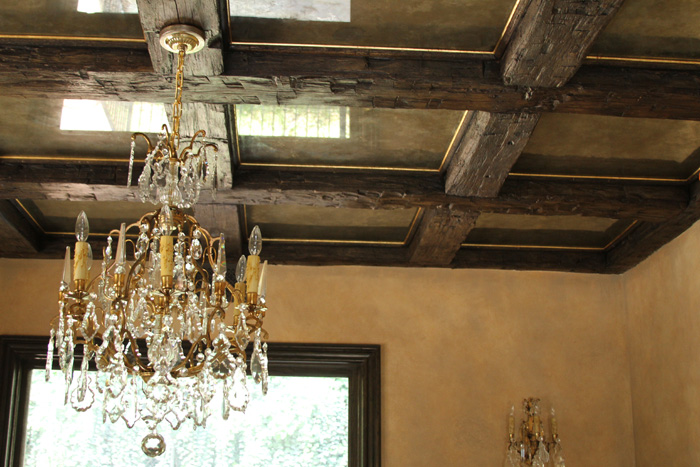 Hand Hewn Beams |
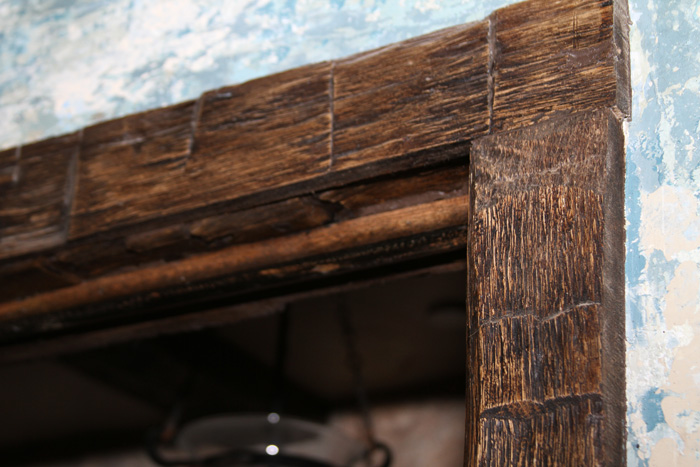 Door Jams Reclaimed Beams and Casings |
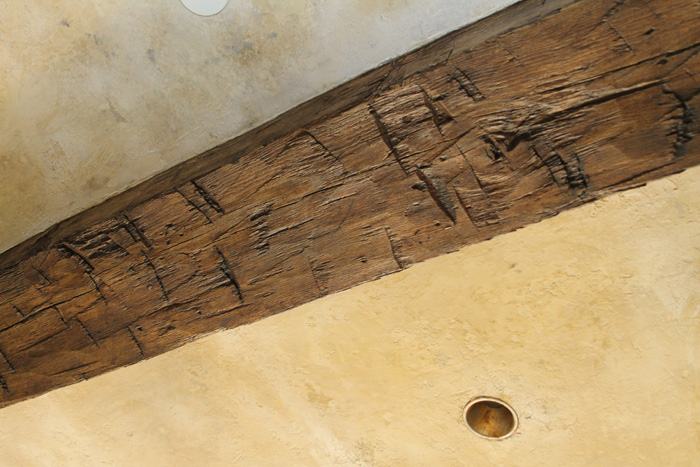 Reclaimed Beam |
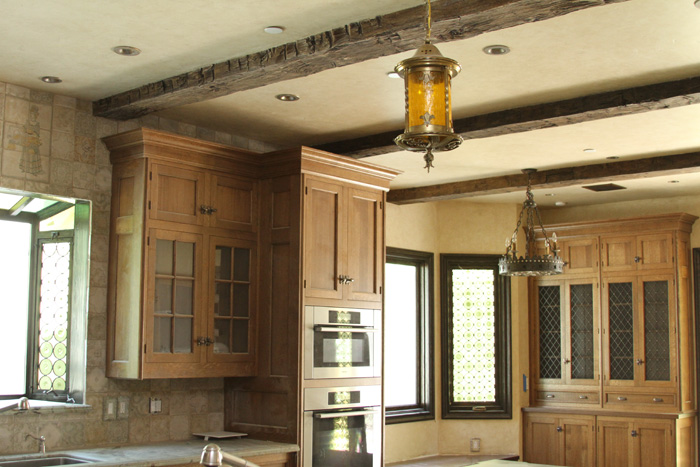 Custom Stained Hand Hewn Beams |
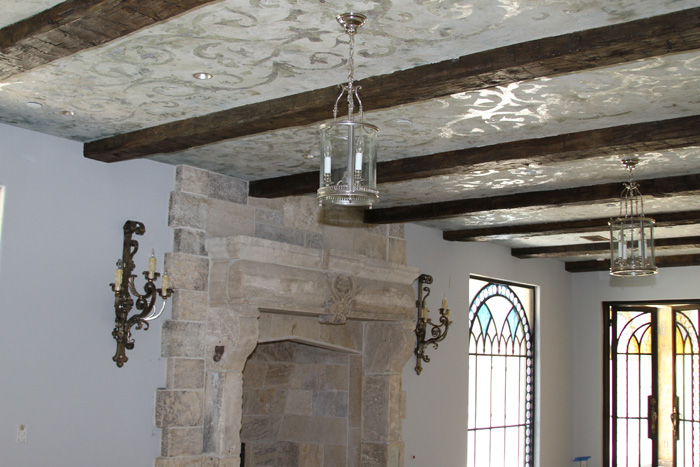 Hand Hewn Beams |
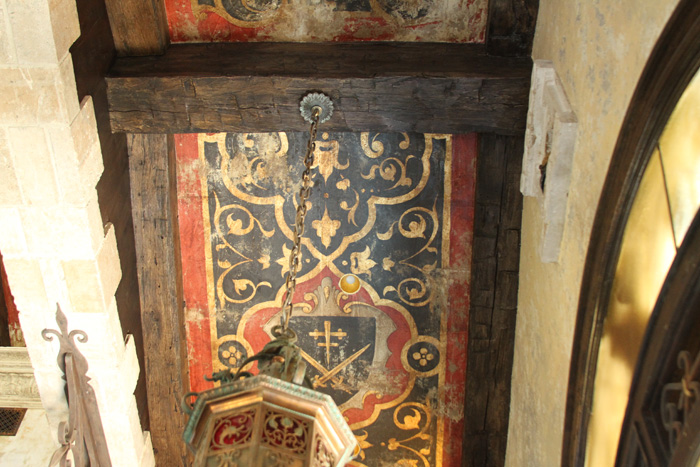 Hand Hewn Beams Coffey Brown |
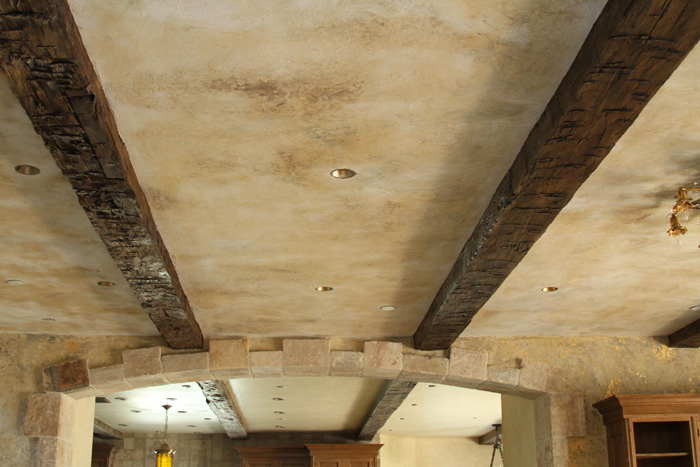 Hand Hewn Beams Custom Stain |
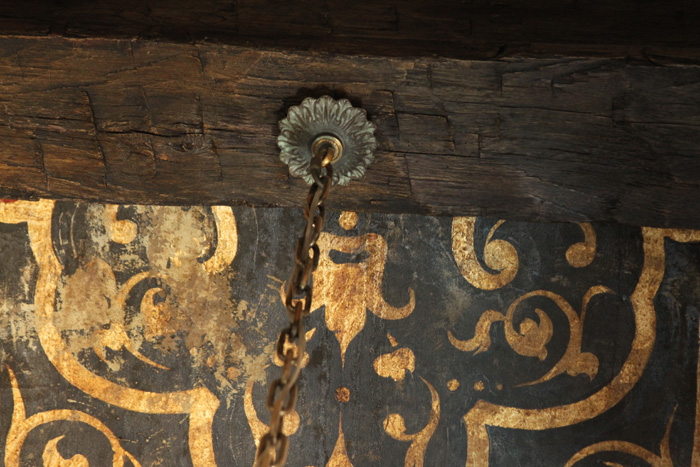 Hand Hewn Beams Solid |
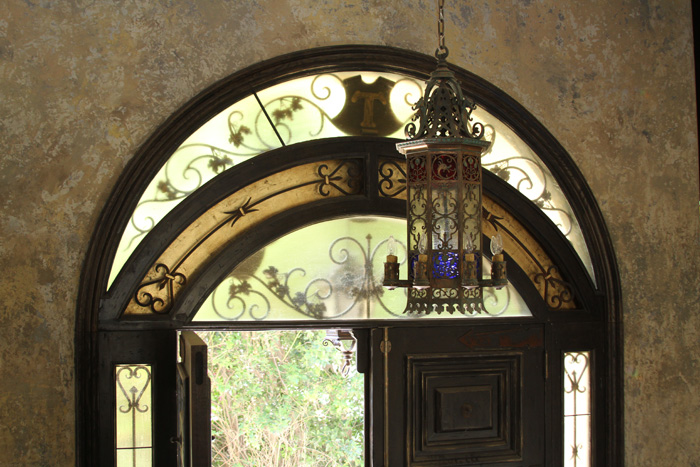 Radius Molding Custom Stain |
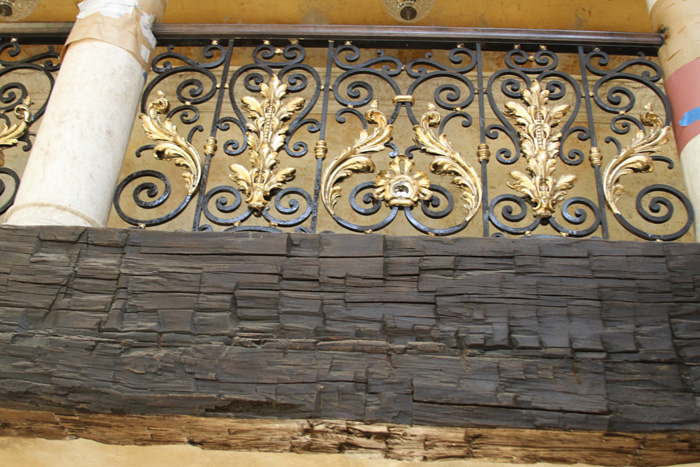 Reclaimed Hand Hewn Beam |
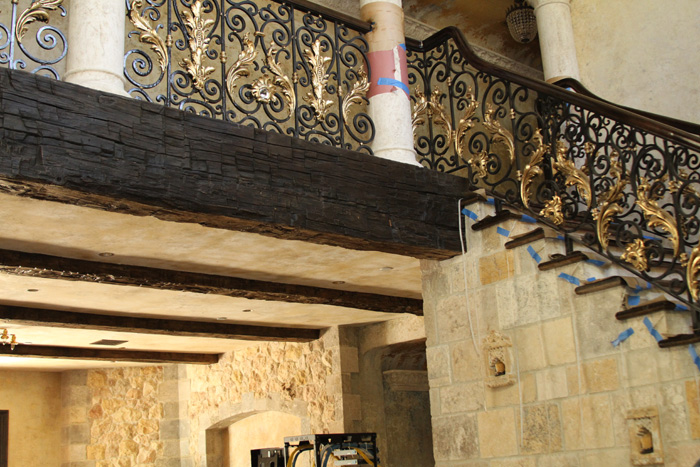 |
 |
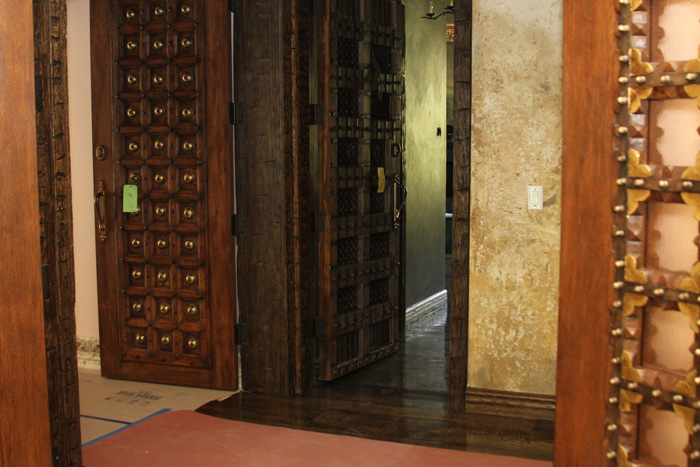 |
 |
 |
 Window Molding |
Some of the Beams We Carry
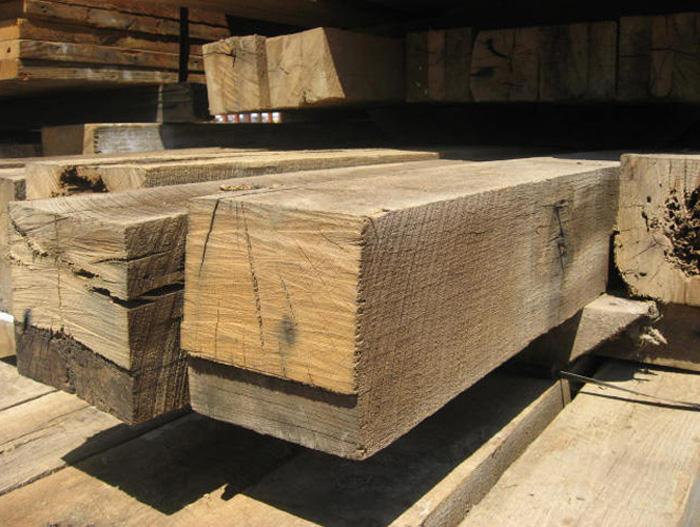 Oak Beams End Cut |
 Aromatic Reclaimed Cedar Beams |
 Heart Pine Reclaimed Beams |
 Heart Pine Solid Wood Beams |
Available Beam Sizes
We maintain a diverse inventory of beam sizes to accommodate virtually any project. Below is a general guide to available sizes:
| Size | Type Available | Approx. Weight (per ft) | Common Applications |
|---|---|---|---|
| 4x4 | Solid / Box | 5-7 lbs / 1 lb | Accent beams, small spans, decorative elements |
| 4x6 | Solid / Box | 8-10 lbs / 1 lb | Secondary ceiling beams, pergola rafters |
| 6x6 | Solid / Box | 12-15 lbs / 1.5 lbs | Standard ceiling beams, posts, pergola main beams |
| 6x8 | Solid / Box | 16-20 lbs / 1.5 lbs | Main ceiling beams, headers, mantels |
| 8x8 | Solid / Box | 22-28 lbs / 2 lbs | Statement beams, large mantels, structural posts |
| 8x10 | Solid / Box | 28-35 lbs / 2 lbs | Large spans, structural applications, dramatic ceilings |
| 10x10 | Solid / Box | 35-45 lbs / 2.5 lbs | Major structural beams, grand ceiling installations |
| 10x12 | Solid / Box | 42-52 lbs / 3 lbs | Timber frame construction, commercial projects |
| 12x12+ | Solid / Box | 50+ lbs / 3+ lbs | Grand installations, timber frame homes, commercial |
Note: Weights vary significantly by species and moisture content. Oak beams are heavier than pine or fir.
Reclaimed Beam Species
We source reclaimed beams in a variety of species, each with unique characteristics:
White Oak – The gold standard for structural beams. Exceptionally dense, durable, and resistant to rot and insects. Golden-brown coloring darkens beautifully with age. Ideal for both structural and decorative applications.
Red Oak – Features prominent grain patterns and warmer reddish undertones. Excellent structural properties for interior applications. Cathedral grain patterns are particularly dramatic.
American Chestnut – Perhaps the most prized reclaimed species. Comes exclusively from pre-blight trees (pre-1940s). Straight grain, warm brown tones, exceptional workability. A true collector's material.
Douglas Fir – The workhorse of Western timber construction. Exceptional strength-to-weight ratio with tight, straight grain and amber to reddish-brown coloring.
Heart Pine – Harvested from longleaf pine forests of the American South. Dense, resinous wood with dramatic amber and red coloring. Naturally resistant to decay and insects.
Redwood – Natural beauty with exceptional rot resistance—perfect for outdoor applications. Natural tannins provide insect resistance without chemical treatment.
Western Red Cedar – Lightweight yet durable, ideal for applications where weight is a concern. Natural oils provide excellent rot and insect resistance with distinctive aromatic quality.
Eastern Hemlock – Straight grain, light coloring, and good structural properties at economical pricing. Excellent choice for rustic applications.
Styles Available for Your Reclaimed Beams
- Hand-Hewn
- Rough Sawn
- Plain Sawn Beams
Finishing Styles That Can Be Performed on Your Reclaimed Beams
- Hand scraped
- Wire brushed
- Hit or miss
- Custom staining
Finishing Coats Available for Reclaimed Beams
- Water Base Poly Finish
- Tung Oil Finish
- Hard Wax Finish (Rubio Monocoat, OSMO)
- We use an exterior finish if the beam is going outside
Beam Installation Considerations
Installing reclaimed beams requires planning and expertise. Here's what to consider:
Structural vs. Decorative: The first decision is whether your beams will be structural (actually supporting load) or purely decorative. Structural applications require engineering review and proper connections.
Weight and Support: Solid reclaimed beams are heavy—sometimes surprisingly so. An 8x8 oak beam can weigh 30-40 pounds per foot. Your ceiling structure must be capable of supporting this weight.
Moisture Content: While reclaimed beams have had decades to naturally season, they will still acclimate to your interior environment. We recommend allowing beams to acclimate 2-4 weeks before installation.
Connections and Hardware: Options range from concealed steel brackets to traditional timber frame joinery to decorative iron strapping.
Finishing: Reclaimed beams can be left natural, oiled, waxed, or sealed. For beams near cooking areas or fireplaces, appropriate finishes help protect against smoke and grease.
Design Ideas: Using Reclaimed Beams in Your Space
Ceiling Beam Treatments: The most common application. In open floor plans, beams help define spaces—marking the transition between kitchen and living areas. Consider beam spacing: closer spacing (4-5 feet) creates a cozier feeling, while wider spacing (6-8 feet) feels more open.
Fireplace Mantels: A reclaimed beam mantel instantly becomes the focal point of any room. Scale should be proportional to your fireplace.
Kitchen Range Hoods: Reclaimed beams make stunning range hood covers, providing a warm counterpoint to stainless appliances.
Floating Shelves: Thick reclaimed beams cut into shelf lengths create functional storage that doubles as design elements.
📋 Request Information
Have questions about reclaimed beams? Want to schedule a showroom visit or get general pricing? Fill out this quick form:
🪵 Detailed Beam Quote Request
Need a detailed quote for your beam project? Specify each beam's dimensions and we'll provide accurate pricing. Click "+ Add Another Beam" to add multiple beams to your quote.
Frequently Asked Questions About Reclaimed Beams
What types of reclaimed beams do you offer?
We offer hand hewn beams, rough sawn beams, planed beams, wire brushed beams, and custom box beams. Each style offers unique character from antique barn wood and historic structures.
Can reclaimed beams be used structurally?
Yes, many of our solid reclaimed beams can be used structurally when properly graded by an engineer. Old-growth timber often exceeds modern lumber in strength due to its dense grain structure.
What sizes are available for reclaimed beams?
We carry solid beams from 4x4 up to 12x12 and larger, with lengths typically ranging from 8 feet to 20+ feet. Box beams can be constructed in virtually any dimension. Custom sizing is available.
How much do reclaimed beams weigh?
Weight varies by species. Pine and fir beams weigh approximately 3-4 lbs per board foot, while oak can reach 5-6 lbs. An 8x8 oak beam weighs roughly 30-40 lbs per linear foot. Box beams are much lighter at 1-3 lbs per linear foot.
What is the difference between hand hewn and rough sawn beams?
Hand hewn beams were shaped using axes and adzes, creating irregular surfaces with scalloped tool marks (1700s-early 1900s). Rough sawn beams were cut using circular or band saws, leaving parallel saw marks (late 1800s-mid 1900s).
Do you ship reclaimed beams nationwide?
Yes, we ship reclaimed beams throughout the United States via freight carriers. Local delivery is available throughout the Los Angeles area.
How are reclaimed beams priced?
Reclaimed beams are typically priced per linear foot, varying based on species, size, surface type, and availability. Hand hewn beams and rare species like American chestnut command premium prices.
Do reclaimed beams have bugs or pests?
Reclaimed beams have been dried for decades, making them inhospitable to active insects. Any insect damage occurred long ago and poses no ongoing pest risk.
How should I finish my reclaimed beams?
Many clients prefer penetrating oil finishes like Rubio Monocoat, OSMO, or tung oil. For beams near cooking areas, matte polyurethane provides more protection. Some prefer leaving beams unfinished for maximum authenticity.
Can I visit your showroom to see beams in person?
Yes! Visit our Los Angeles showroom at 9216 S. Vermont Ave, Los Angeles, CA 90044. Call (213) 792-5908 to schedule a visit.
What's the lead time for reclaimed beams?
Stock beams can typically ship within 1-2 weeks. Custom orders may require 4-8 weeks. Box beams require fabrication time based on current workload.
Can you create custom fireplace mantels?
Yes, whether you need a beam that runs the length of your living room or just a mantle for your fireplace, our experts will work with you to find the right reclaimed beam for your project.
Can you match beams to my existing wood?
We'll do our best to find beams that complement your existing wood elements. Bring samples or photos to our showroom and we can compare options from our inventory.
Contact Us
Phone: 213-792-5908
Email: info@legnohardwood.com
Address: 9216 S. Vermont Ave, Los Angeles, CA 90044
Showroom Hours:
Monday - Friday: 8:00 AM - 5:00 PM
Saturday & Sunday: By Appointment
Need Installation Help?
We're part of the True Local Pros network. Get connected with experienced beam installers.
Find Installers →