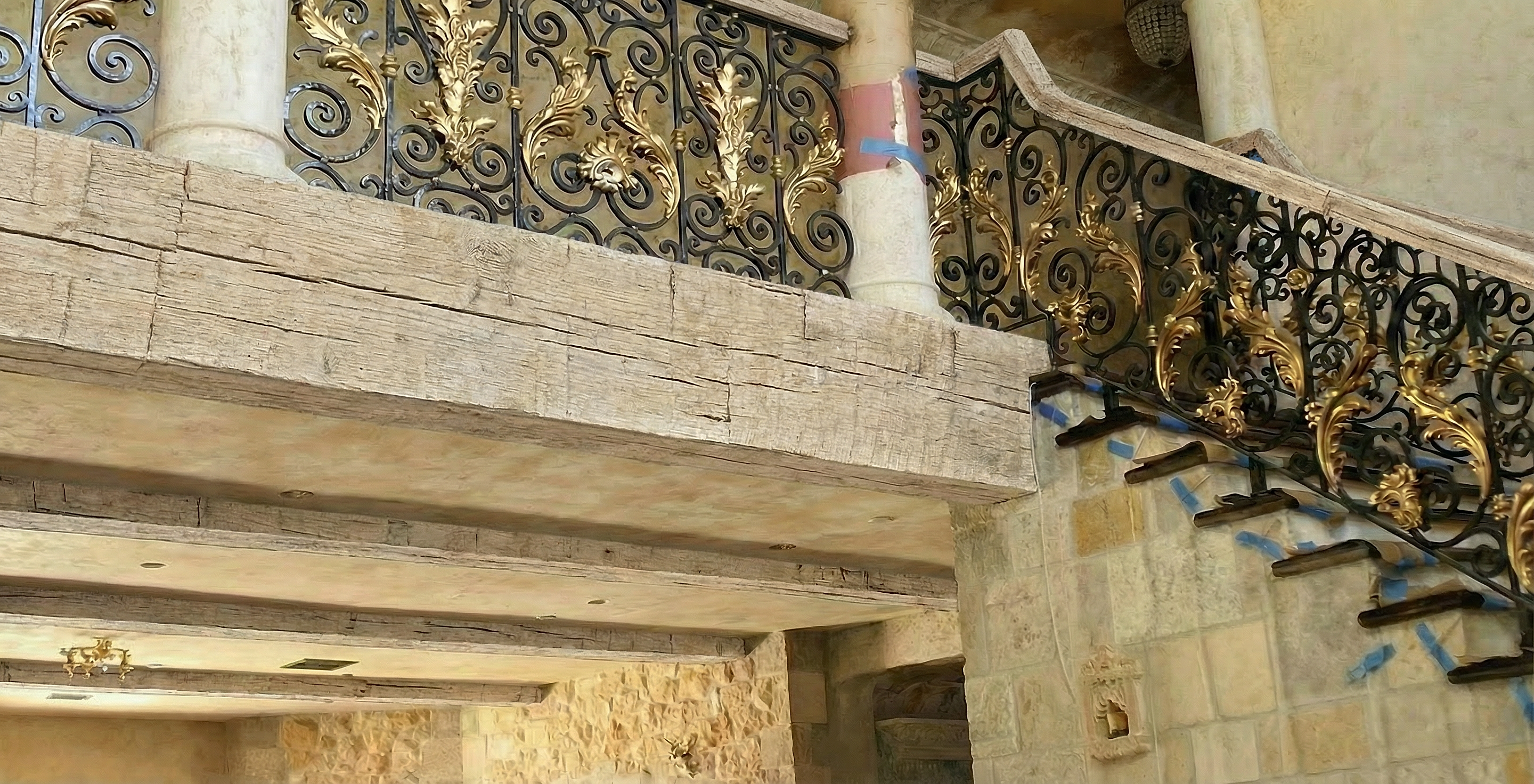
Reclaimed Hand Hewn Beams
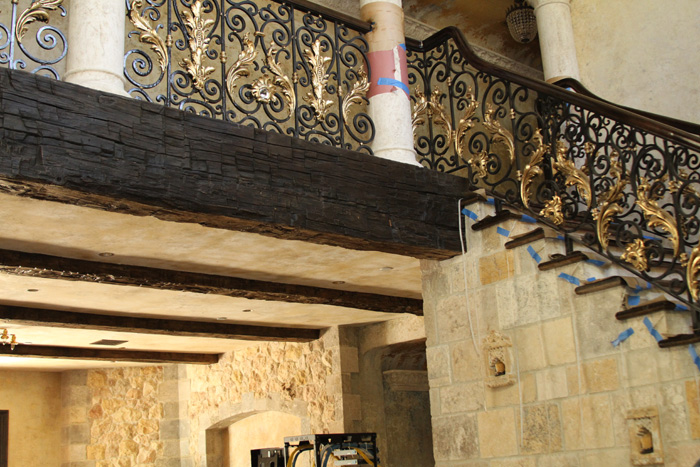
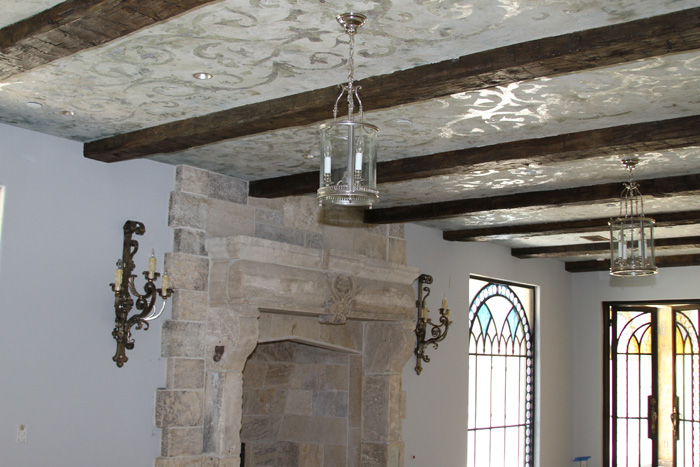 Reclaimed hand hewn beams represent the pinnacle of antique American craftsmanship and architectural heritage. These remarkable timbers were shaped by skilled craftsmen using broad axes, adzes, and traditional scoring techniques dating from the 1700s through early 1900s—long before sawmills made dimensional lumber widely available. Each hand hewn beam bears the distinctive scalloped surface texture and tool marks that tell the story of its creation, characteristics that simply cannot be replicated by modern machinery.
At Walter's Flooring, we source the finest hand hewn beams from historic barns, farmhouses, and industrial buildings throughout Pennsylvania, Ohio, Indiana, New England, and other regions where timber frame construction flourished. These beams are perfect for creating statement ceilings, dramatic fireplace mantels, exposed structural posts, and architectural focal points in any space from rustic farmhouses to modern industrial lofts.
We also create Box Beams (Beam Wraps) by removing the insides of solid hand hewn beams. These wraps are used to cover existing structural steel, providing a natural look of a solid beam while being much lighter weight. This technique will decorate any beam structure with a "solid looking" wooden beam.
Beam Surface Styles
Click on any surface style below to learn more about each type of reclaimed beam finish:
|
Hand Hewn Beams ← Authentic axe marks from original craftsmen (1700s-1900s). Irregular surfaces with scalloped tool marks create commanding character. You Are Here |
Rough Sawn Beams Original sawmill texture preserved with parallel saw marks. More uniform dimensions while maintaining authentic reclaimed character. Learn More → |
|
Planed Beams Smooth finish revealing aged grain patterns. Best of both worlds: antique character with refined, touchable surface. Learn More → |
Wire Brushed Beams Textured finish with enhanced grain depth. Wire brushing accentuates natural patterns that catch light beautifully. Learn More → |
The Art and History of Hand Hewing
Hand hewing represents one of humanity's oldest woodworking traditions, practiced across cultures for millennia before the industrial revolution. In America, the technique reached its zenith during the Colonial and Early Republic periods when skilled hewers—many of them immigrants from Germany, Scandinavia, and the British Isles—built the barns, mills, and homes that still dot the rural landscape today.
The hand hewing process began with log selection. Hewers preferred straight-grained trees with minimal knots, typically selecting white oak, chestnut, or pine depending on the region and intended use. After felling, the log would be positioned on supports and the hewer would begin by snapping a chalk line along its length to guide the cuts.
Identifying Authentic Hand Hewn Beams
Knowing how to identify authentic hand hewn beams ensures you're getting the real thing:
- Scalloped Surface Pattern: Genuine hand hewn beams display irregular scalloped marks from the broad axe varying in depth, width, and angle.
- Scoring Marks: Look for stop cuts made before hewing, appearing as shallow perpendicular grooves spaced 12-18 inches apart.
- Natural Checking and Aging: Authentic antique beams show natural checking (cracks) with aged, rounded edges.
- Old-Growth Grain: Most hand hewn beams come from old-growth timber with tight, dense grain showing 20-40+ rings per inch.
Some of Our Hand Hewn Beam Work
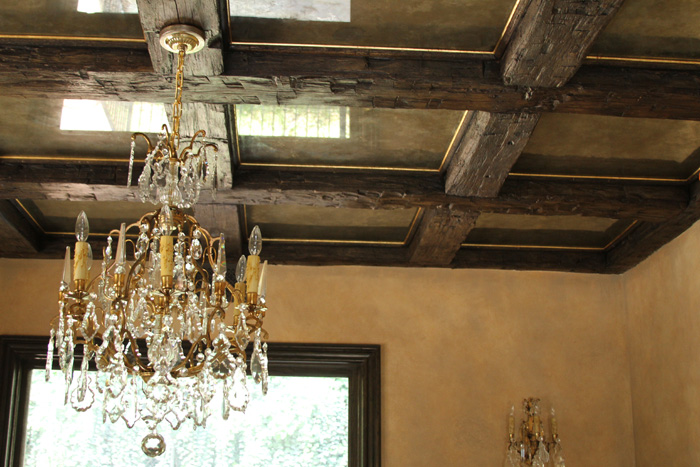 Hand Hewn Box Beams |
Hand Hewn Beams |
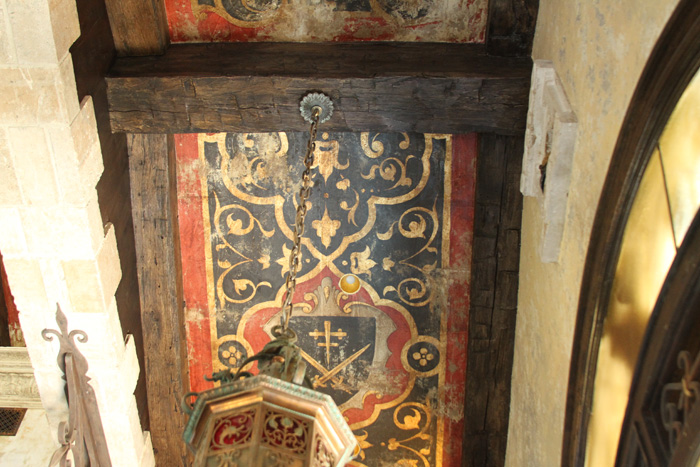 Hand Hewn Beams Coffey Brown |
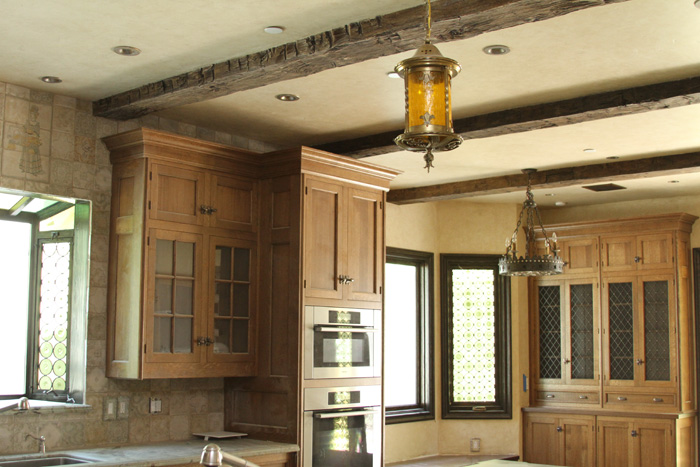 Custom Stained Hand Hewn Beams |
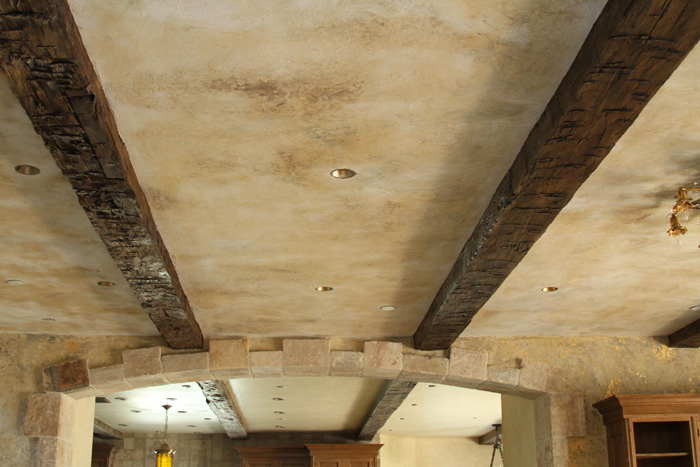 Hand Hewn Beams Custom Stain |
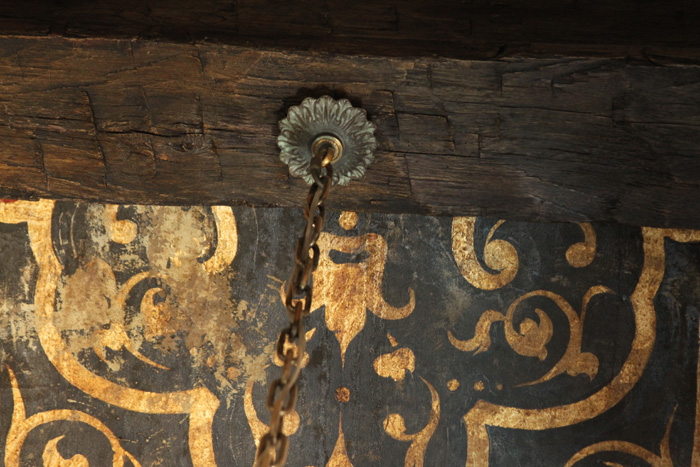 Hand Hewn Beams Solid |
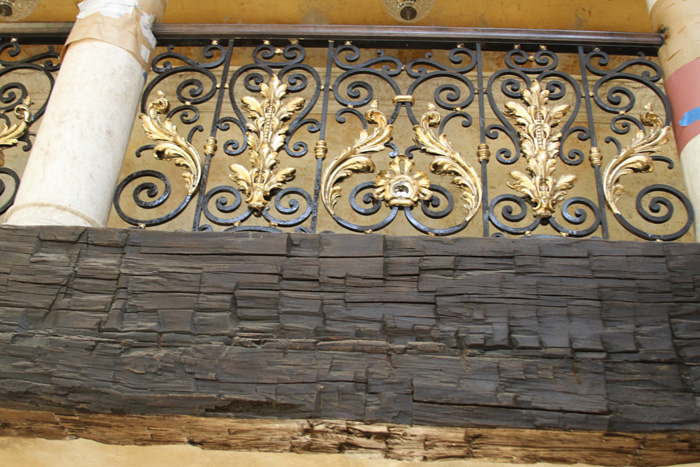 Reclaimed Hand Hewn Beam |
 |
 |
Hand Hewn Beam Species
- White Oak – The gold standard for hand hewn beams with exceptional durability and rot resistance
- American Chestnut – Perhaps the most valuable species; all chestnut beams are antique
- Eastern White Pine – Common in New England barns with deep, dramatic axe marks
- Douglas Fir – Found primarily in Western structures with reddish-brown coloring
- Hemlock – A workhorse species for barns throughout the Northeast
- Red Oak – Prominent grain patterns with warmer reddish undertones
- Walnut – Rich dark tones prized for fireplace mantels
- Cherry – Hard to find but beautiful warm coloring
Best Applications for Hand Hewn Beams
- Great Room Ceiling Beams: Create dramatic architectural impact with substantial size and textured surfaces
- Fireplace Mantels: Texture catches firelight beautifully, becoming the focal point of any room
- Structural Posts: For timber frame homes, hand hewn posts add authenticity
- Kitchen Range Hoods: Create rustic luxury contrasting with stainless steel appliances
Finishing Options
- Water Base Poly Finish
- Tung Oil Finish
- Hard Wax Finish (Rubio/OSMO)
- Custom Staining
- Exterior Finish (for outdoor installations)
📋 Request Information About Hand Hewn Beams
Have questions about hand hewn beams? Want to schedule a showroom visit or get general pricing? Fill out this quick form:
🪵 Detailed Hand Hewn Beam Quote Request
Need a detailed quote for your hand hewn beam project? Specify each beam's dimensions and we'll provide accurate pricing. Click "+ Add Another Beam" to add multiple beams to your quote.
Contact Us About Hand Hewn Beams
Phone: 213-792-5908
Email: info@legnohardwood.com
Address: 9216 S. Vermont Ave, Los Angeles, CA 90044
Showroom Hours:
Monday - Friday: 8:00 AM - 5:00 PM
Saturday & Sunday: By Appointment
Need Installation Help?
We're part of the True Local Pros network. Get connected with experienced beam installers.
Find Installers →